
On December 12, 2025, the EU published Regulation (EU) 2025/2509 in its Official Journal — the strictest toy safety regulation in European history. If your TPR toys carry fragrance, contain fillings, or use adhesives for sealing, this regulation directly determines whether your next shipment clears customs or gets rejected at the border. This article breaks down every compliance requirement, starting with three real-world TPR toy scenarios from Chinese factories — so you can act before your next production run.
1. What Is (EU) 2025/2509?
(EU) 2025/2509, officially the Toy Safety Regulation (TSR), fundamentally changes how toy safety is governed in the EU. The single most important shift: it is a Regulation, not a Directive. This means it applies directly in all 27 member states — no national transposition, no lag time, no room for individual countries to soften the rules.
It will fully replace the current Toy Safety Directive 2009/48/EC on August 1, 2030. Between now and 2030, every importer sourcing TPR toys from China for the EU market must complete their compliance transition — including updating their product inspection in China protocols to cover the new chemical and fragrance requirements.
| Item | Detail |
|---|---|
| Regulation Number | Regulation (EU) 2025/2509 |
| Published | December 12, 2025 |
| Effective | January 1, 2026 |
| Full Application | August 1, 2030 |
| Replaces | Directive 2009/48/EC |
| Legal Nature | Regulation — directly binding in all EU member states |
| Official Source | the official EU legal database — search "Regulation (EU) 2025/2509" |
2. Three Real TPR Toy Cases — Where the New Rules Hit Hardest
2.1 Case 1: TPR Squishy Dango — Fragrance Without Filling
Let’s start with the product. These three TPR squishy dango toys — sourced from a factory in Fujian, China — are made of pure TPR with no internal filling. To boost the tactile experience and shelf appeal, the factory added fruit-scented fragrances (strawberry, grape) during production. Cute design, satisfying squish, pleasant scent — a hot seller on cross-border e-commerce platforms.
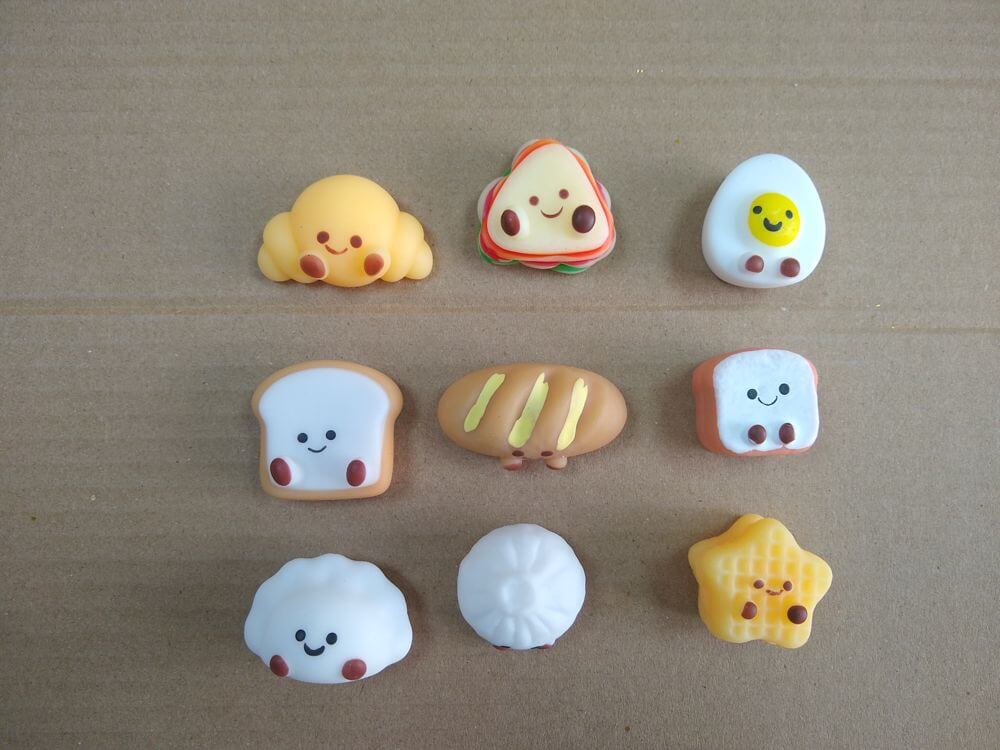
Figure 1: TPR Squishy Dango — Fragrance compliance is the #1 risk under (EU) 2025/2509
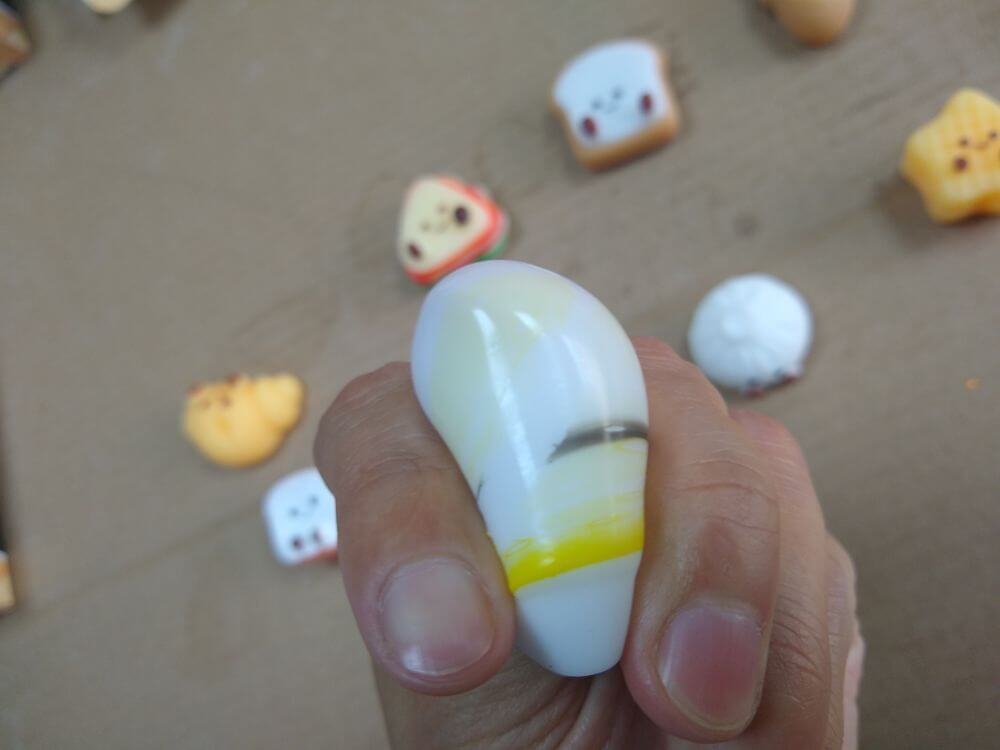
Figure 2: Upper-angle detail — the TPR material itself is low-risk; the danger is the fragrance additive
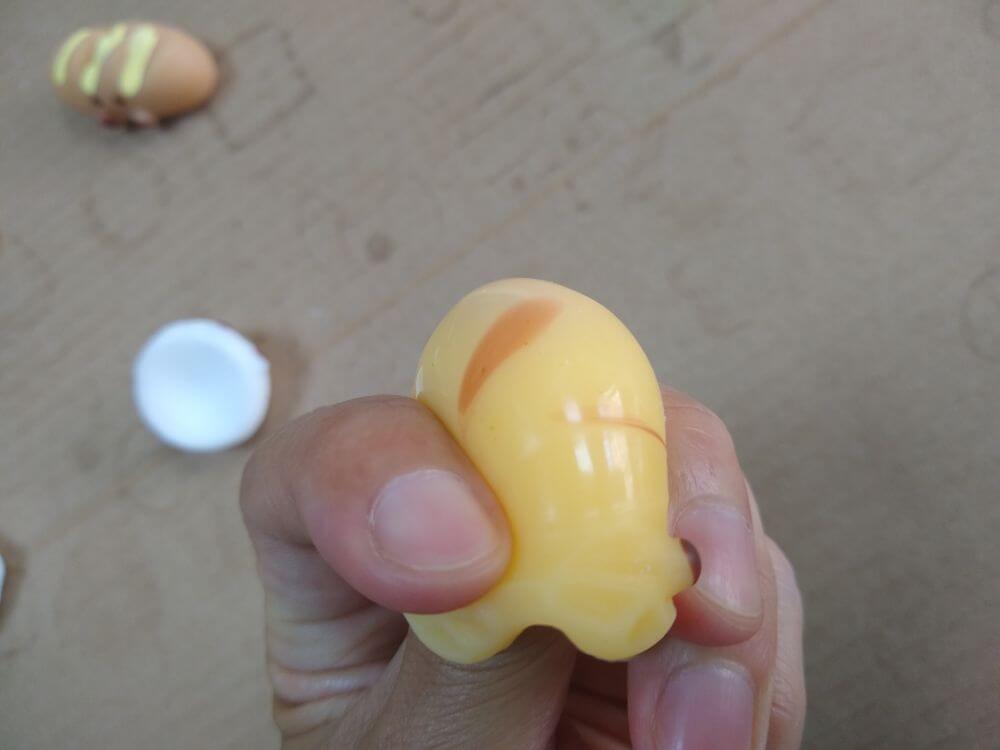
Figure 3: Side angle with packaging — if your target market is the EU, fragrance compliance is a pre-shipment must-check
Based on our experience in China, Fragrance compliance issues like this are nearly impossible to catch during product inspections. An inspector can smell an unusual odor but cannot determine whether the fragrance is compliant — that requires lab testing. The only solution: send TPR compound samples to an ISO/IEC 17025-accredited lab for EN 71-13 and VOC screening before mass production begins. Don't wait until the goods are ready to ship — by then, you've already spent the raw material cost for the entire batch, and lab test results take at least 5–7 working days.
2.2 Case 2: Toy TPR Water-Filled Squeeze Balls — Glue Is the Silent Killer
The second case: TPR Toy water-filled squeeze balls. These consist of a TPR shell filled with purified water, sealed by a small cap that is glued shut. The water itself is low-risk — drinkable-grade filling liquid is compliant. But the sealing adhesive is the real blind spot and compliance time bomb.
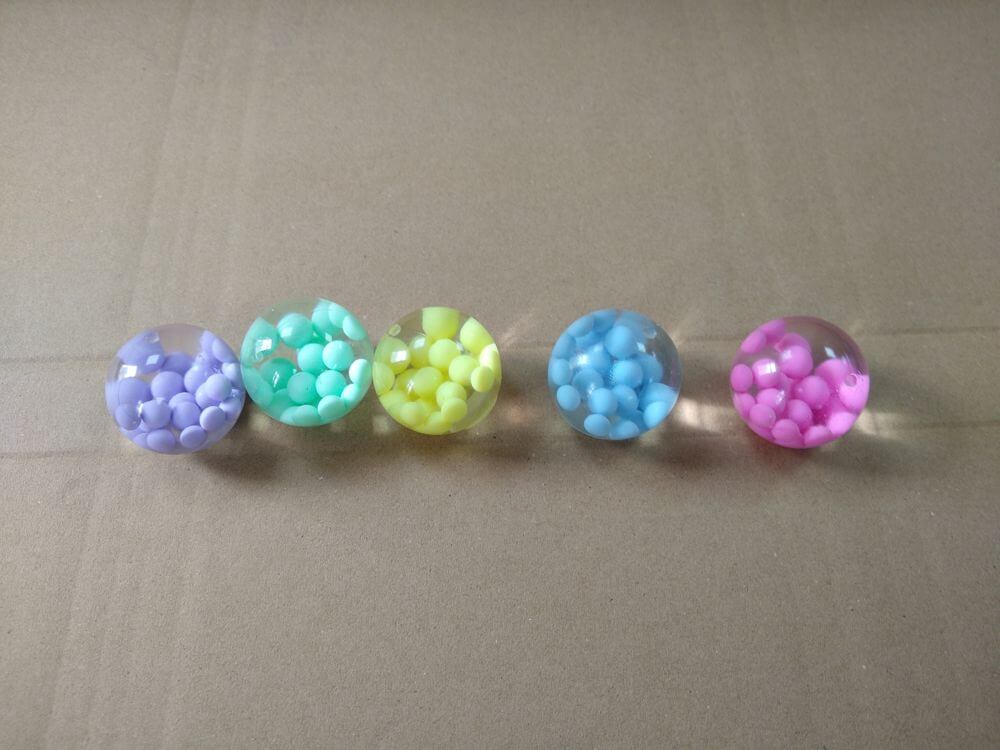
Figure 4: Full batch of TPR water-filled squeeze balls — the water is compliant; the cap glue is the focus
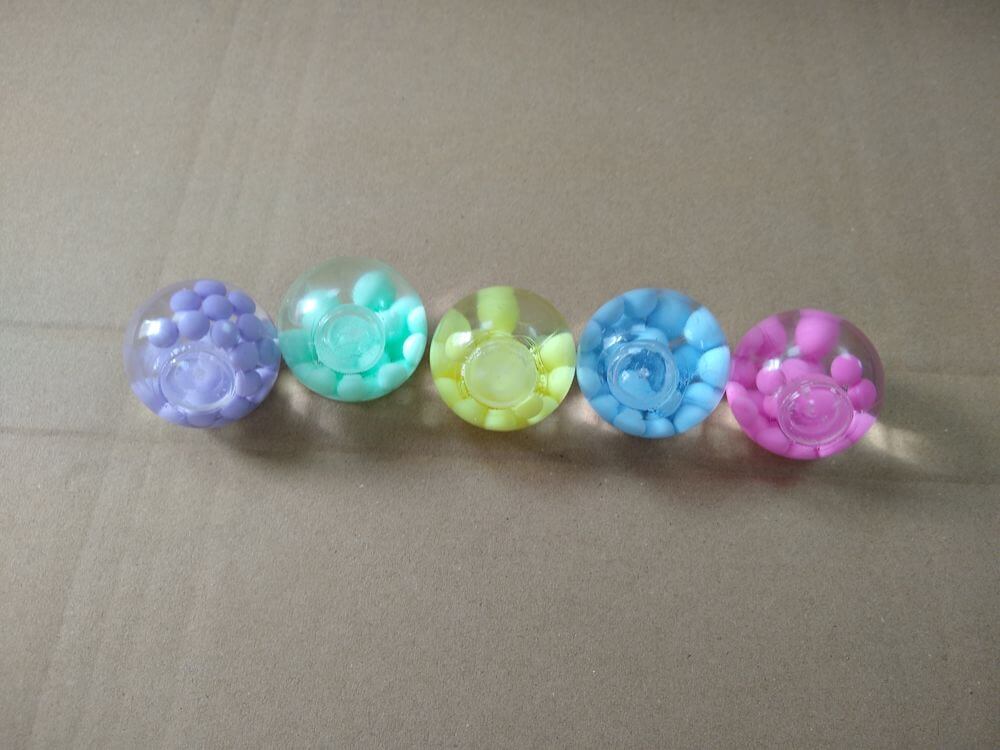
Figure 5: Close-up of the cap area — the glue seal is ground zero for compliance review
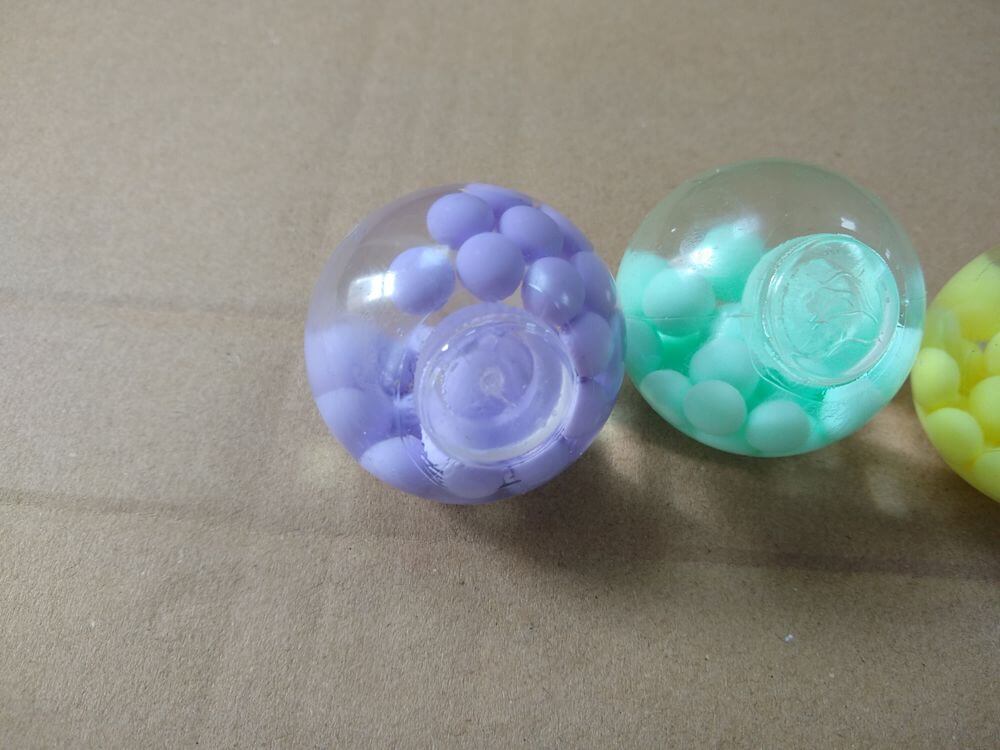
Figure 6: Single unit side view — glue quality decides whether this shipment enters the EU
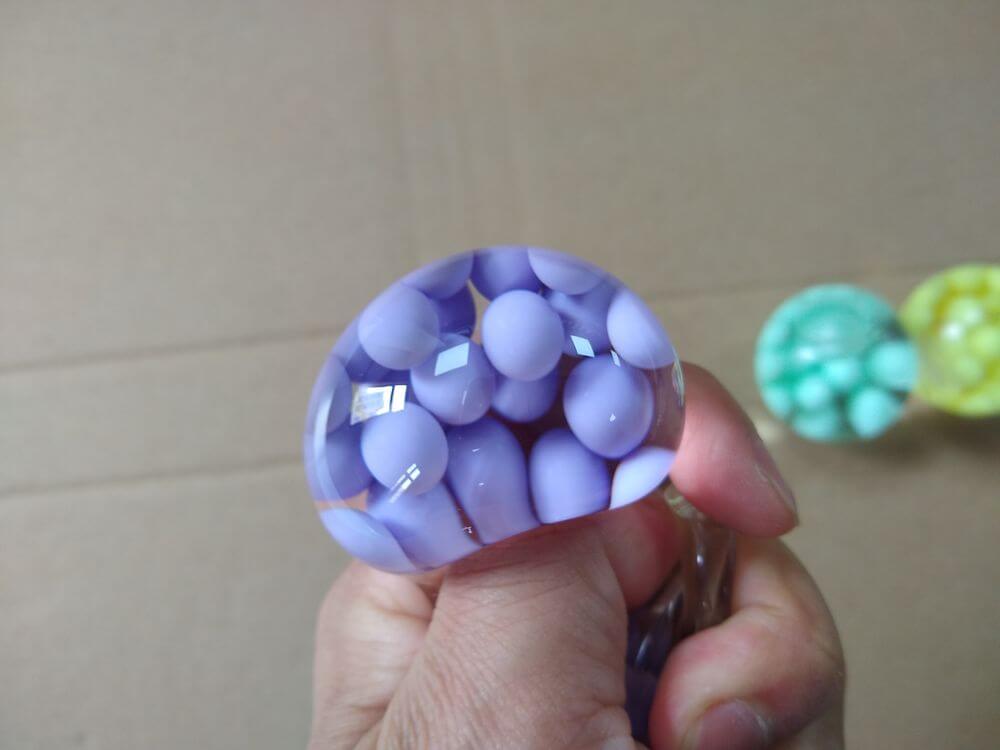
Figure 7: Hand-squeeze test — the glue seal must hold under repeated compression
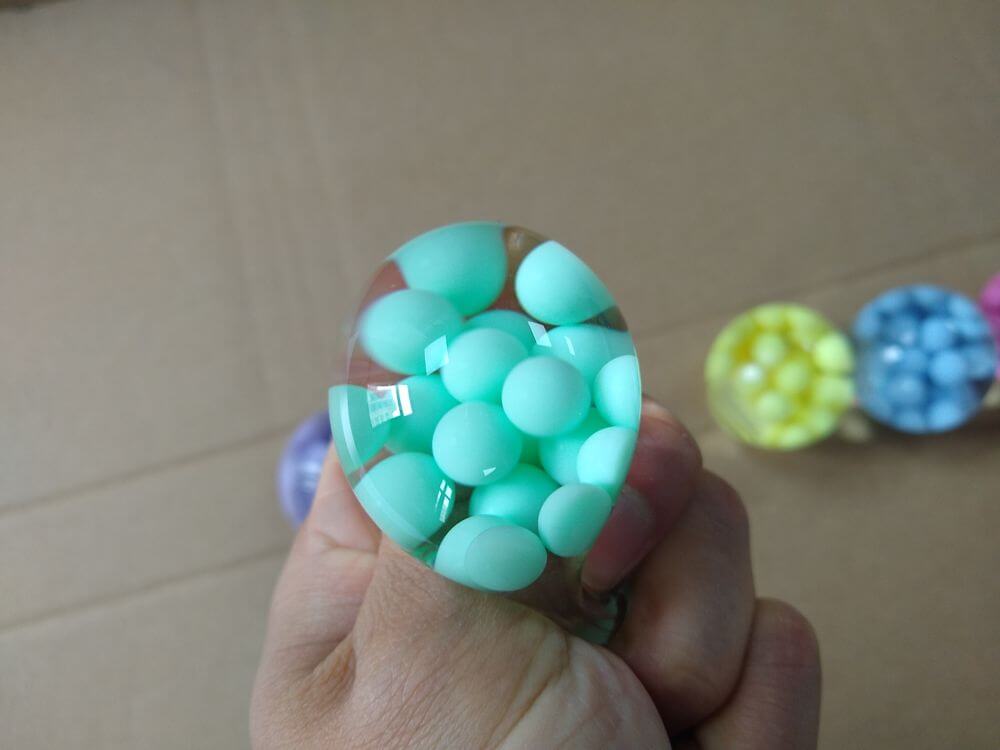
Figure 8: Seal inspection angle — lab analysis can detect styrene or formaldehyde residues in the adhesive
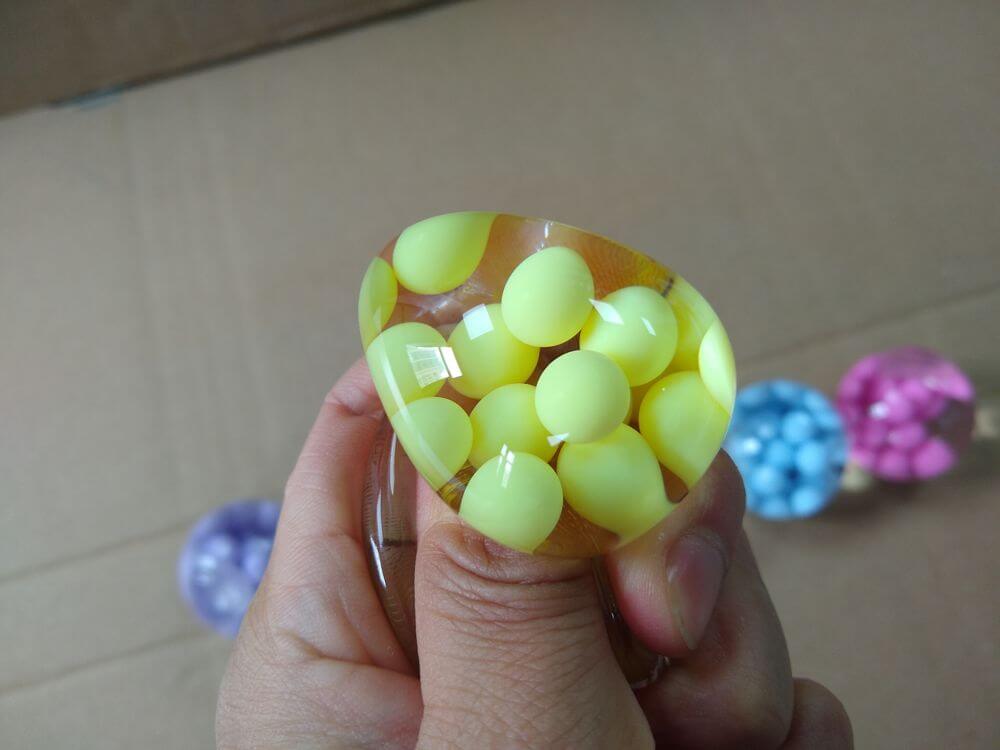
Figure 9: Final QC before shipping — glue compliance certificate is now a required document
Adhesive compliance is almost impossible to verify by eye during a pre-shipment inspection (PSI). What you see is an already-sealed cap — you don't know what glue was used inside, or whether it has fully cured. During an inspection, you can check seal strength and match the glue brand against the SDS, but chemical compliance must come from lab testing. Before mass production, require the factory to provide the adhesive SDS and a compliance declaration, and send glue samples to an ISO/IEC 17025-accredited lab for EN 71-9 and formaldehyde testing.
2.3 Case 3: TPR Bread Filled with Flour — Low-Risk Filling, High-Stakes Sealing
The third case: TPR bread squishies filled with flour. The flour filling itself is relatively low-risk — food-grade flour contains no restricted chemicals. But just like the water balls, the bread shell requires glue sealing. So the compliance focus once again falls squarely on the adhesive.
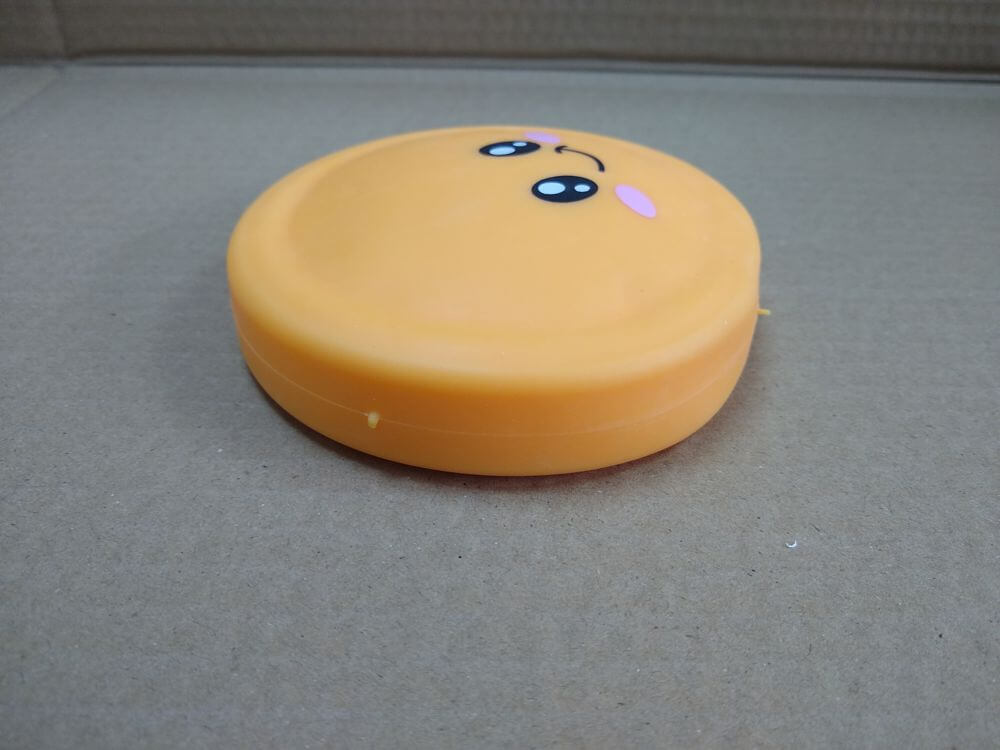
Figure 10: TPR Bread Squishy (flour-filled) — the flour is compliant; the glue is the only variable
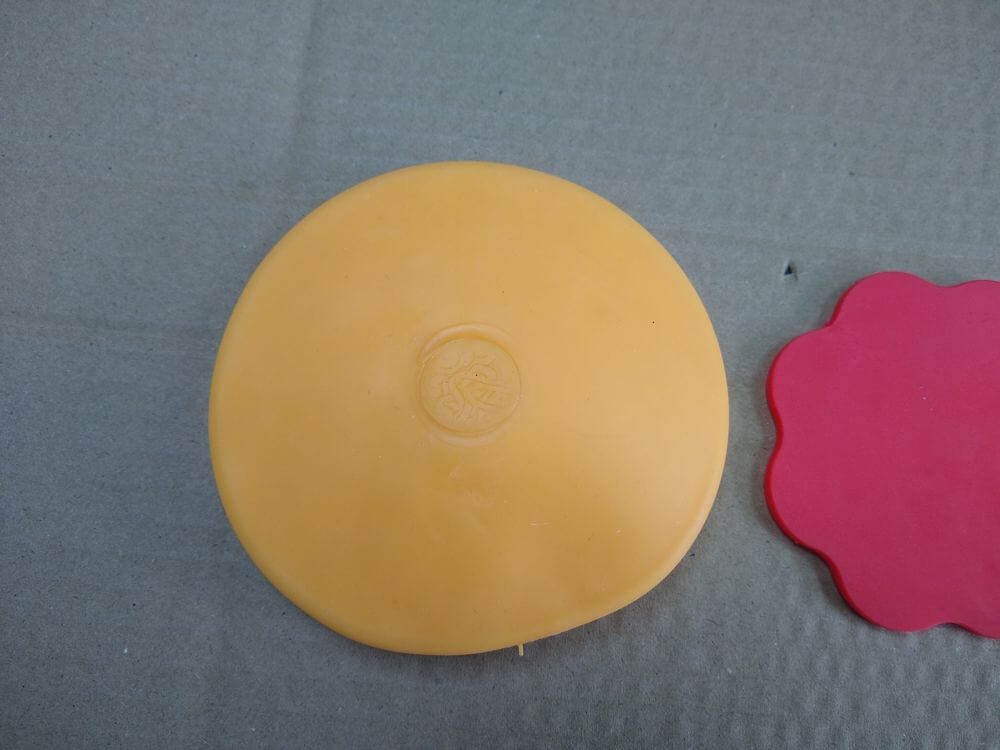
Figure 11: Side profile — the glued seal is the priority zone for migration testing
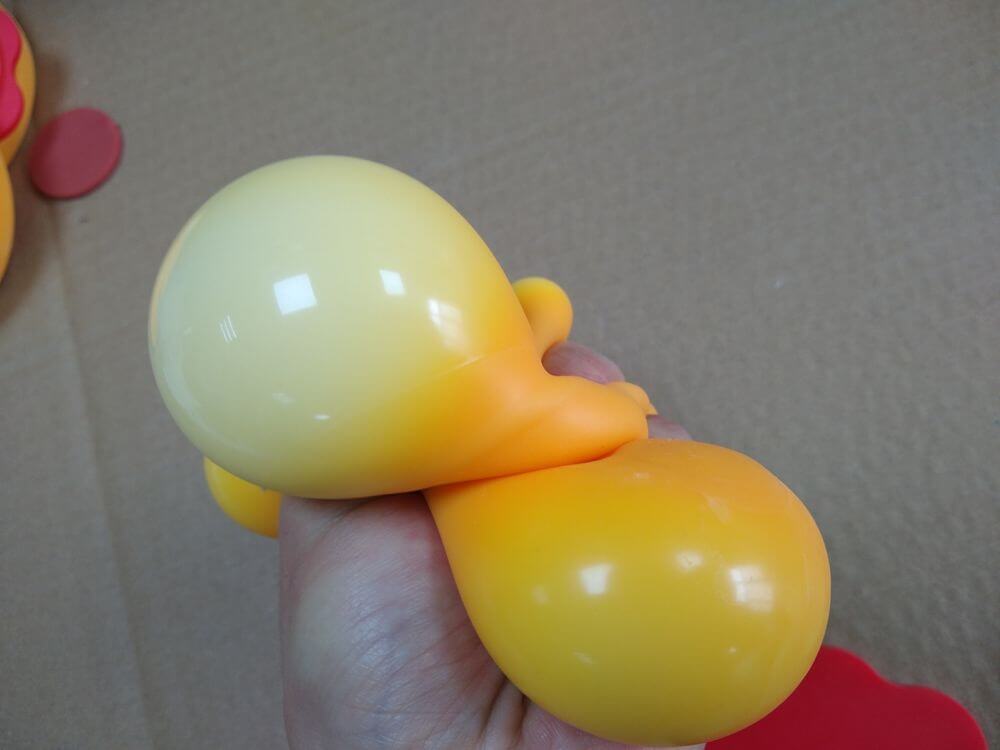
Figure 12: Batch overview — compliant glue = entire batch passes; non-compliant glue = entire batch rejected
Flour filling itself carries low compliance risk — but adhesive compliance issues are nearly impossible to catch during on-site inspection. An inspector can verify that the glue brand matches procurement records, but whether cured adhesive contains residual monomers (styrene, butadiene) above the limit — that answer only comes from lab testing. As with the water-filled balls, require the factory to provide glue SDS + lab testing + factory procurement records for triple verification.
3. Chemical Requirements — The Numbers That Matter
All three cases above converge on one question: are the chemical components compliant? The new regulation’s chemical framework is the most comprehensive in EU toy safety history. Below are the hard numbers every TPR toy importer must know.
3.1 Banned Substances (Zero Tolerance)
| Substance Category | Requirement |
|---|---|
| CMR Substances (Cat. 1A, 1B, 2) | Fully banned |
| Endocrine Disruptors | Banned in toys |
| Respiratory Sensitizers (Cat. 1) | Fully banned |
| Skin Sensitizers (Cat. 1A) | Fully banned |
| STOT Substances | Fully banned |
| PFAS | Intentional use banned |
| Bisphenols (10 substances; may expand to 34) | Universal ban in toys |
3.2 Migration Limits — Core Testing Items for TPR Toys
| Substance | Old (2009/48/EC) | New (2025/2509) |
|---|---|---|
| Bisphenol A (BPA) migration | 0.04 mg/L | 0.005 mg/L (8× tighter) |
| Formaldehyde emission | 0.1 mL/m³ | 0.062 mg/m³ |
| Styrene migration | Not individually regulated | 0.77 mg/L |
| Acrylonitrile migration | Not individually regulated | 0.01 mg/L |
| Butadiene migration | Not individually regulated | 0.07 mg/L |
| Vinyl Chloride migration | Not individually regulated | 0.01 mg/L |
4. Fragrance & Allergen Controls — A New Reality for Scented TPR Toys
This is the single most impactful provision for TPR squishy/dango-type products. If your TPR toy carries any added fragrance (fruit, floral, creamy, etc.), you face three direct changes:
| Requirement | Old Directive | New Regulation |
|---|---|---|
| Fragrance in toys for children <36 months | Not regulated | Banned |
| Allergenic fragrance labelling threshold | 100 mg/kg | 10 mg/kg (10× tighter) |
| Number of fragrances requiring labelling | Partial list | 71 substances |
Another key point: “smell” itself has no direct regulatory limit. But smell comes from regulated chemicals — VOCs, residual monomers, plasticizer breakdown products, fragrance additives. The EU’s regulatory logic is: we don’t ban “smell”; we ban the chemicals that cause it at unsafe concentrations. So if your TPR toy has a noticeable odor, you must first identify the source — residual monomers? added fragrance? plasticizer? — and then test for the corresponding chemicals.
4.1 Odor Source — Regulatory Framework Quick Reference
| Odor Source | Applicable Regulation |
|---|---|
| Volatile Organic Compounds (VOCs) | REACH + EN 71-9 |
| Residual Monomers (styrene, butadiene, etc.) | (EU) 2025/2509 migration limits |
| Plasticizer Breakdown Products | REACH Annex XVII |
| Added Fragrance / Scent | (EU) 2025/2509 fragrance ban + labelling |
| Blowing Agent Residue | Formaldehyde + VOC controls |
5. Digital Product Passport (DPP) — Mandatory Traceability from 2030
(EU) 2025/2509 introduces the Digital Product Passport (DPP), replacing the traditional EU Declaration of Conformity (DoC). Each toy must carry a digital record accessible via QR code or web link, containing: material composition, safety warnings, compliance declarations, and supply chain data. For TPR toys, this means every batch of raw material — TPR pellets, plasticizers, colorants, fragrances, adhesives — must have traceable origin records.
6. Transition Timeline — You Have a Four-Year Window
| Date | Milestone |
|---|---|
| December 12, 2025 | Regulation published in EU Official Journal |
| January 1, 2026 | Regulation enters into force |
| 2026 – 2030 (Transition) | Products may still be placed on market under 2009/48/EC |
| August 1, 2030 | Full application — 2009/48/EC repealed |
Yes, you have four years. But do not wait until late 2029. Why: ① TPR formulation adjustments require R&D cycles and stability testing. ② New supplier qualification takes time. ③ Lab testing methods may update — test early to find problems early. ④ Once 2030 hits, non-compliant goods get stopped at customs with zero buffer.
7. Action Checklist for TPR Toy Importers
Based on everything above, here is your immediate action checklist:
| # | Action | Specific Requirement |
|---|---|---|
| 1 | CMR Substance Screening | Zero tolerance — verify TPR formulation |
| 2 | PFAS Testing | Confirm no intentional PFAS use |
| 3 | BPA Migration | ≤ 0.005 mg/L |
| 4 | Monomer Migration (styrene, butadiene, etc.) | As per Section 3.2 table above |
| 5 | Allergenic Fragrance (if scented) | EN 71-13 testing; threshold ≤ 10 mg/kg or label |
| 6 | Formaldehyde Emission | ≤ 0.062 mg/m³ |
| 7 | Adhesive Compliance (filled toys) | SDS + EN 71-9; no CMR / formaldehyde / styrene excess |
| 8 | Digital Product Passport | Start building traceability database from 2026 |
| 9 | Lab Reports | Must be issued by ISO/IEC 17025-accredited lab |
8. Three Things Every Buyer Should Internalize
- Test the material before mass production — not after the goods are sitting in a warehouse. Do not release the production order until you see the lab report.
- Glue is not a minor detail — it’s a single-point vetoon batch compliance. Require the SDS and a third-party test report for the adhesive. No report, no contract.
- DPP is not a “bolt it on later” feature — start today. Require your factory to log the supplier, batch number, and test data for every batch of TPR raw material. When 2030 arrives, four years of accumulated traceability data will be your single biggest asset.
Have specific questions about EU compliance for TPR toys? From fragrance formulation review and adhesive compliance testing to material traceability systems in factory audits, the CNQ technical team has handled many TPR toy inspection cases and knows EN 71 full-series requirements and factory-floor realities inside out. Contact our technical team for a free compliance consultation — we’ll help you identify what to test and when.