
Product Inspection Categories & Industries
Category Experience, Not Category Checklists
Over 17 years of hands-on product inspection in China, we've mapped out the hidden defect points across these major categories. Watching products pass, fail, and get reworked on factory floors teaches you exactly where to look. While these represent our highest-volume verticals, our quality assurance framework is built to scale — applying strict ANSI/ASQ Z1.4 sampling and custom testing specs to any product line you source.

Furniture & Home Goods
Indoor and outdoor furniture, office furniture, kitchenware, and home decor are categories we've worked with extensively. Our focus often includes structural connection reliability, packaging protection during transit, and surface finish durability. The inspection emphasis varies significantly by product type — KD and flat-pack furniture call for attention to assembly precision and hardware completeness, while upholstered pieces demand closer focus on frame stability and fabric quality.
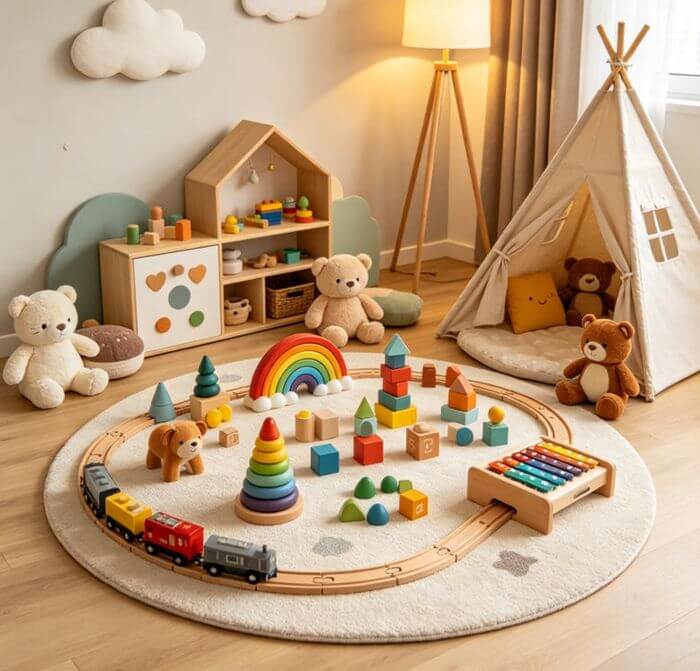
Toys & Children's Products
The safety risks in plush toys, plastic toys, and nursery products are the core focus of this category. Small-parts detachment, sharp points, weak seams, and battery compartment security can all become recall triggers. But what we check and how we check it depends on your product design, target market (EN71, ASTM F963, or GB 6675), and your risk tolerance. Two clients in the same toy category can have very different requirements.

Softlines, Apparel & Luggage
In garments, home textiles, footwear, and luggage, the issues we encounter most often are measurement deviations, weak stitching at stress points, zipper malfunctions, and fabric color shading. But these are common occurrences, not a fixed checklist. The actual inspection is adjusted based on your tech pack, target market requirements, and the supplier's performance history. Luggage and apparel also demand very different focus areas — one prioritizes load-bearing and abrasion, the other fit and workmanship.
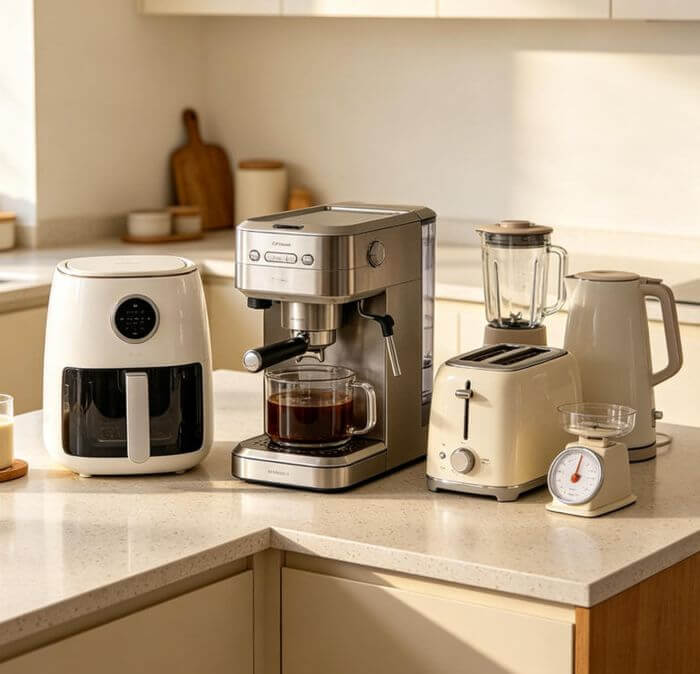
Electronics & Electricals
In consumer electronics, home appliances, and lighting, function and safety are paramount. Dead-on-arrival units, wrong adapter specs, and hi-pot failures are among the issues we catch most often. But the inspection depth varies widely — a simple kitchen appliance may only require basic function tests, while smart products also involve app pairing, controller response, and firmware versions. The specific test items and standards depend on your product definition and certification requirements.
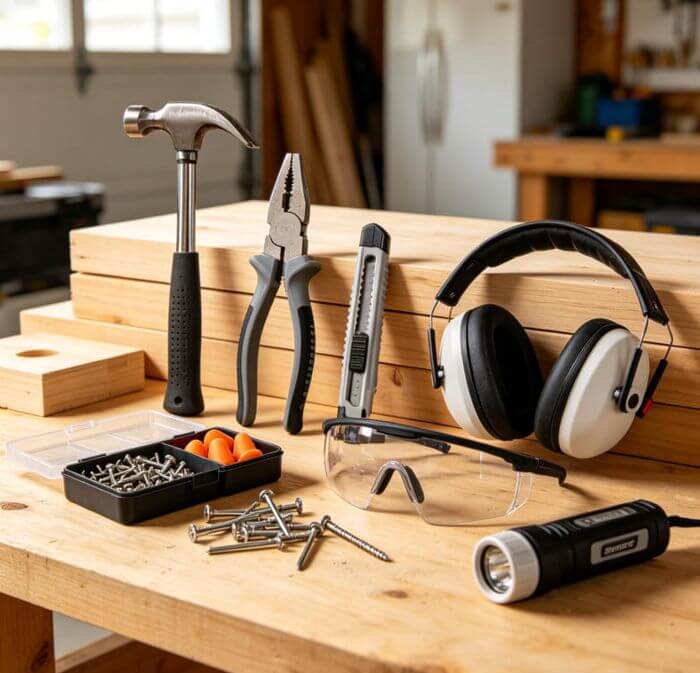
Hardware, Tools & Machinery
For hand tools, power tools, and mechanical components, material quality, hardness, and dimensional precision are common risk areas. But the inspection requirements vary enormously across this category — most hand tool tests can be done on-site, while precision mechanical parts may require factory or laboratory equipment. The inspection plan can only be finalized after we've seen the drawings and samples.
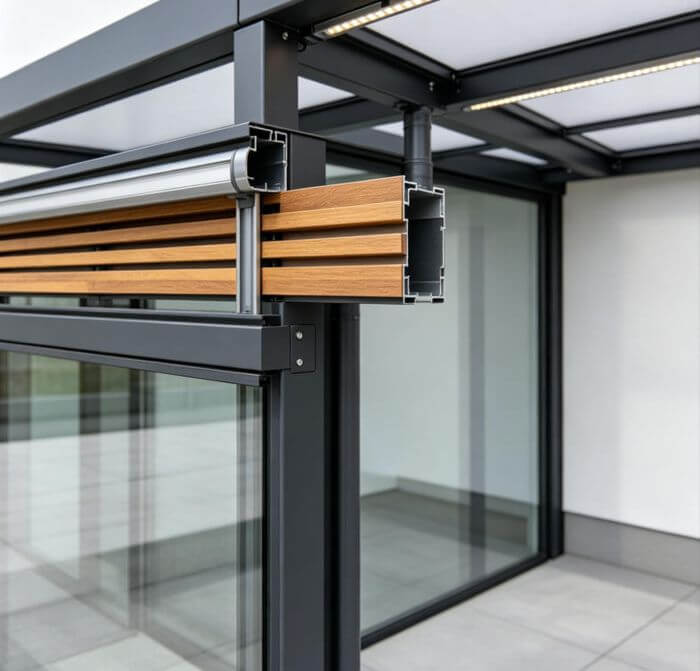
Building Materials & Structures
For stone, tiles, PVC fencing, and outdoor structures, dimensions, color variation, and packaging protection are common concerns. But building material inspection varies greatly by product type — a batch of marble may require close attention to color consistency and surface cracking, while PVC fencing calls for focus on structural strength and weatherability. Moreover, the size and weight of building materials dictate on-site handling and sampling feasibility — factors that can only be assessed after we've seen the specific products and project requirements.
Frequently Asked Questions About Product Inspection
No. These six are the categories we work with most often, but our actual service scope is broader. We also handle food-contact materials, steel structures, packaging, and other specialized products. If your product isn't listed here, tell us the specifics — we'll assess whether we can provide a suitable inspection plan.
Not at all. Even within the same category, different products can vary significantly — KD furniture and upholstered sofas demand very different inspection focuses. Our protocol is always developed based on your product drawings, target market regulations, factory conditions, and risk points.
That's how we work by default. We typically start by reviewing your product specs and drawings, discussing your risk concerns, then developing a targeted checklist and sampling plan for every inspection service in China. Your golden sample and internal QC standards can also be incorporated.
In many cases, yes. If the products are in the same factory, we can often combine categories into a single inspection day — but it depends on the product types, quantities, and the level of testing required. Tell us what you're sourcing, and we'll advise whether combining is feasible or if separate inspections make more sense.
Yes. Our inspection reports include annotated defect photos and measurement data where relevant. The exact format is tailored to your product and requirements — you can download a sample report for your review before the first inspection.
Your Category, Our Inspection Experts
No matter what you source — furniture, toys, electronics, or something in between — our inspection experts tailor the protocol to your product, factory, and risk points, so your shipment meets spec
Contact Your Experts