What Is Pre-Shipment Inspection (PSI)?
Pre-Shipment Inspection (PSI), also known as Final Random Inspection, is an independent quality gate conducted when at least 80% of your order is produced and 100% of the goods are packed and ready. It is the most widely used product inspection service in China — and for good reason: it is the last chance to catch defects before containers are sealed and payments are released.
Certified inspectors randomly select samples from finished goods according to the internationally accepted ANSI/ASQ Z1.4 statistical sampling standard, then comprehensively review and test your product against agreed specifications. The result: you know exactly what you're shipping before the container doors close.
"We don't just check boxes. Our inspectors have rejected entire lots that factories swore were perfect." — This isn't about being difficult. It's about the judgment that 17+ years of on-the-ground quality control experience in China gives you.
Inspection Process — How It Actually Works on the Ground
You can refer to this general flowchart to see how third-party inspection companies typically operate. It's also what our inspectors actually execute inside Chinese factories every single day:
Order Intake & Standard Confirmation
The inspector completes this before leaving the office — confirming product specification sheets, client-specific requirements, packaging methods, AQL sampling level, and acceptance criteria. Without these, they don't step into the factory.
On-Site Arrival & Production Verification
First thing on arrival: verify production quantity has hit 80%+, all goods are packed and available, and the products match the order. If quantities are short or goods aren't ready, we don't pull samples — the clock doesn't start until the job is doable.
Random Sampling — AQL Standard Execution
Randomly select the specified number of samples from finished cartons according to ANSI/ASQ Z1.4. The inspector controls the entire sampling process — no factory-prepped "special samples" allowed. Use our online AQL sampling calculator to determine your required sample size before the inspection even starts.
Item-by-Item Inspection & On-Site Testing
Each sample is individually checked for appearance, workmanship, function, dimensions, assembly, safety, and more. Defects are photographed and documented immediately. On-site disassembly or function testing is performed when necessary.
Defect Classification & Pass/Fail Decision
Classify every defect as Critical, Major, or Minor per international standards. Cross-reference against the AQL acceptance table to determine pass or fail. This isn't a gut-feel call — it's an objective, statistically-driven decision.
Detailed Inspection Report Delivery
24 hours English inspection report (same-day for expedited services): sampling data, every defect found, on-site digital photos, defect classification statistics, and final PASS / FAIL / PENDING conclusion with professional recommendations. You now have "eyes on the ground" in China.
What To Check During a Pre-Shipment Inspection
A complete PSI report covers all of the following. This is not a pick-and-choose checklist — it's a systematic, comprehensive verification:
- Quantity verification — total produced vs. available for shipment
- Style, color & product description — match against order specs
- Appearance & workmanship — cosmetic defects, finishing quality
- Function & performance testing — does it actually work as intended
- Dimension & weight measurement — tolerance against spec sheets
- Assembly & construction — pre-assembly check for fitting issues
- Packaging & packing method — inner/outer carton, protection adequacy
- Labels, markings & barcodes — correct, scannable, compliant
- Safety & reliability — sharp edges, small parts, stability risks
- Client-specific requirements — any additional specs you've defined
What Quality Standards Used?
Generally third-party inspection company uses AQL (Acceptable Quality Level) tables for statistical sampling — the most widely adopted sampling acceptance standard in global trade. You don't check every single item, but through a scientifically-designed sampling plan, you can make an accept-or-reject decision on the entire lot with statistically controlled risk.
New to AQL? Read our plain-English introduction: ANSI/ASQ Z1.4 Sampling Guide for Importers. Then, use Online AQL sampling calculator to find your exact sample size in seconds — and estimate your required man-days and inspection costs in a single click.
How To Classify Defects
Every defect found is classified into one of three severity levels according to international standards. This is not subjective — each product category has a corresponding defect classification reference:
| Defect Level | Definition | Impact |
|---|---|---|
| Critical | Fails to meet mandatory regulations and/or affects consumer safety when using the product. | Potential recall, legal liability, or personal injury |
| Major | Likely to result in product failure, reduce product usability, or cause obvious appearance defects affecting salability. | Customer rejection, returns, brand damage |
| Minor | Not likely to reduce product usability, but may reduce salability or deviate from defined quality standards. | Possible customer feedback but unlikely to cause returns |
Based on the number of defects found per category versus the allowed figures in the AQL tables, we provide a professional recommendation to accept or reject the shipment. The final decision is yours — but we give you data-backed, on-the-ground intelligence to make it.
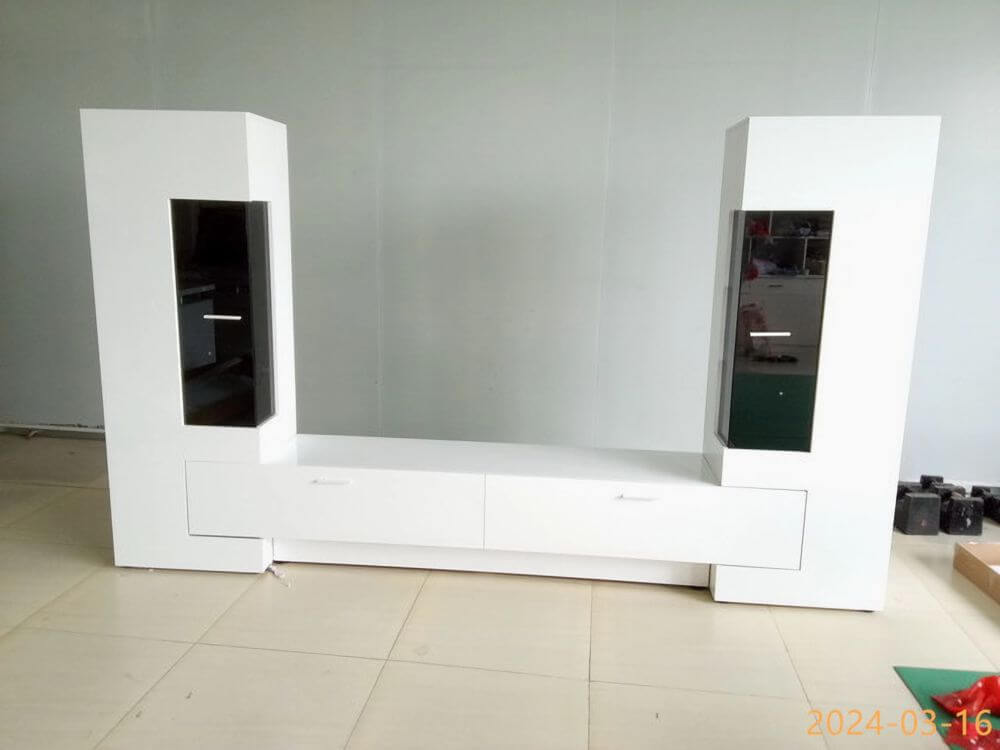
A Real Case: Pre-Shipment Inspection Catches Fatal Assembly Defects in Furniture
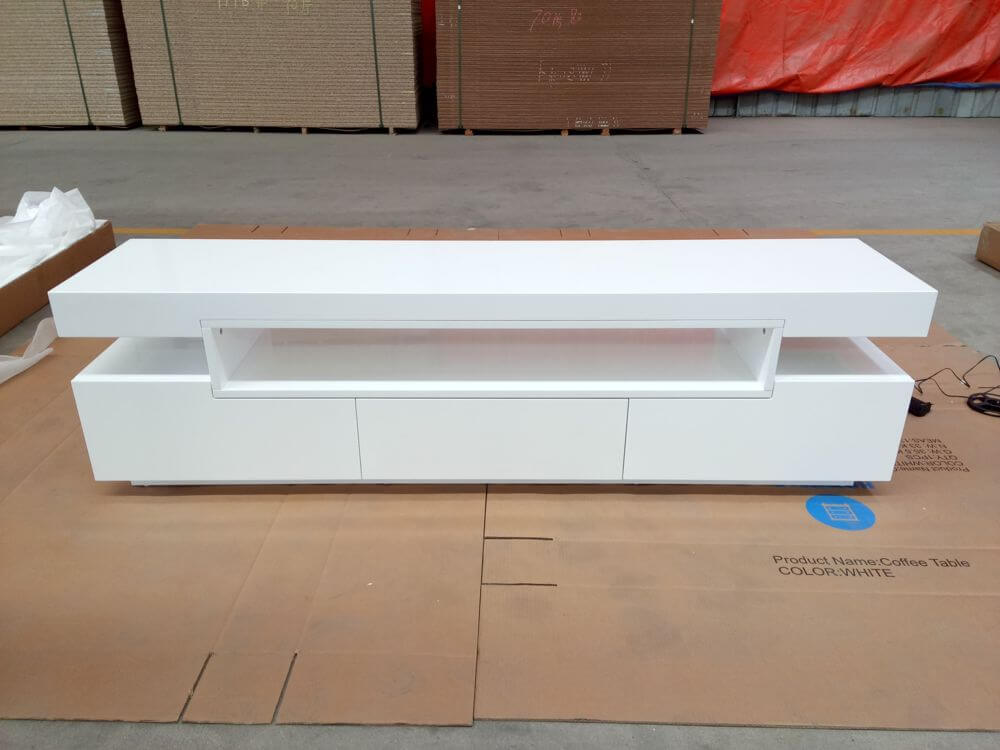
This is a real inspection case — a European furniture brand with an order of 2,800 units of flat-pack furniture, including TV stands, bookshelves, and storage cabinets. The factory claimed "all passed self-inspection, ready to ship." Our inspector arrived on site and randomly pulled 125 samples (per AQL Level II standard) for inspection.
What We Found
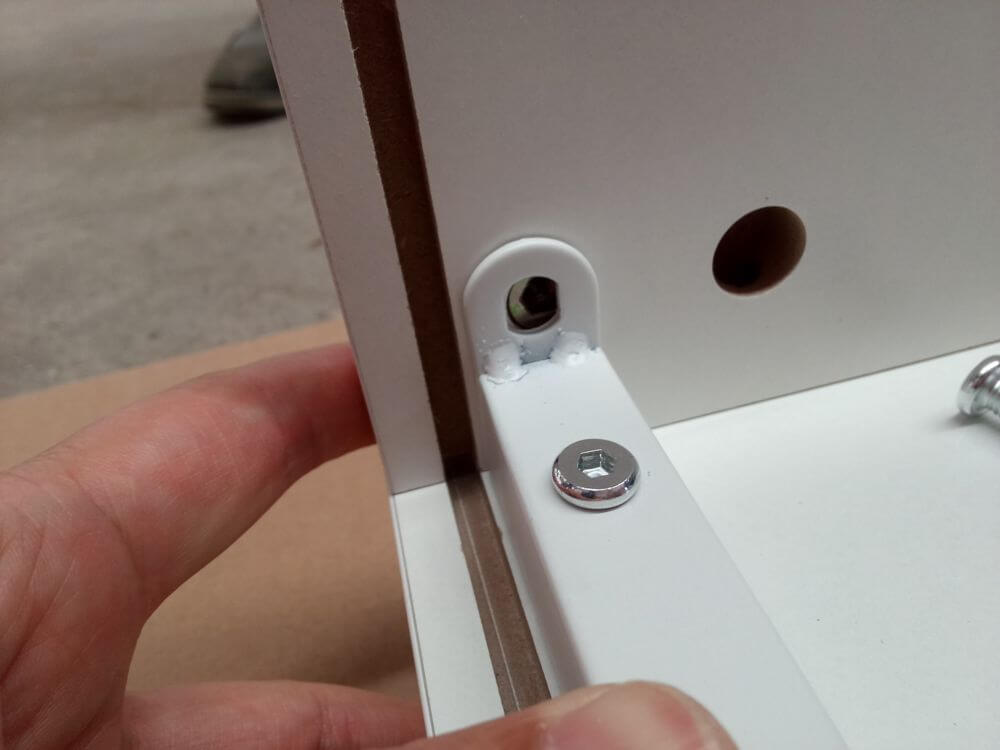
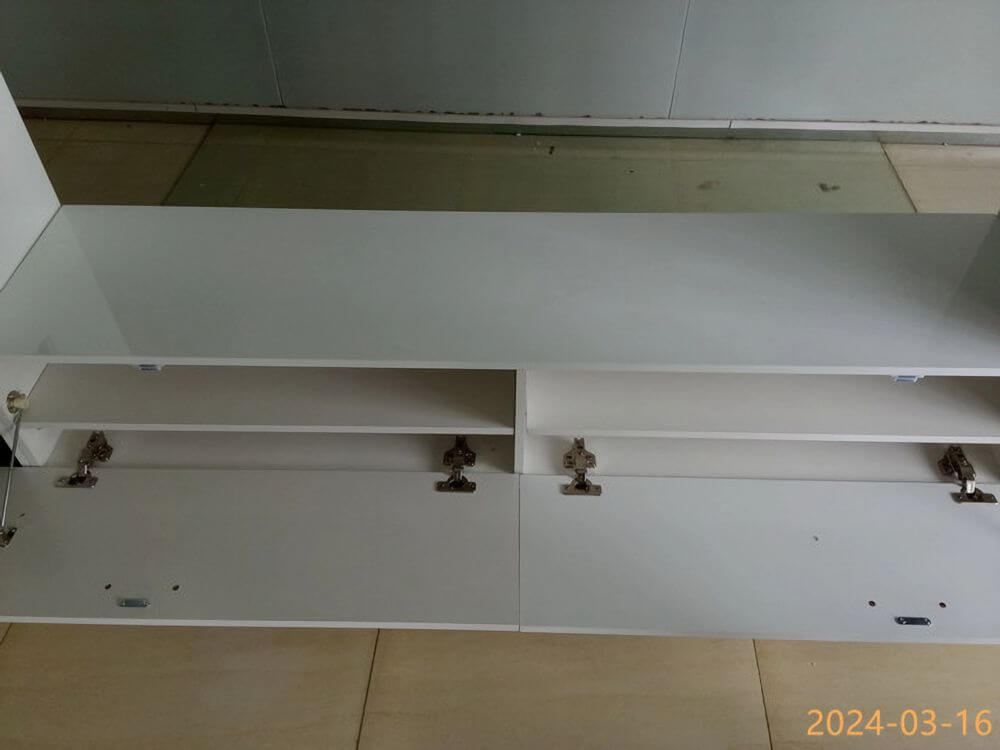
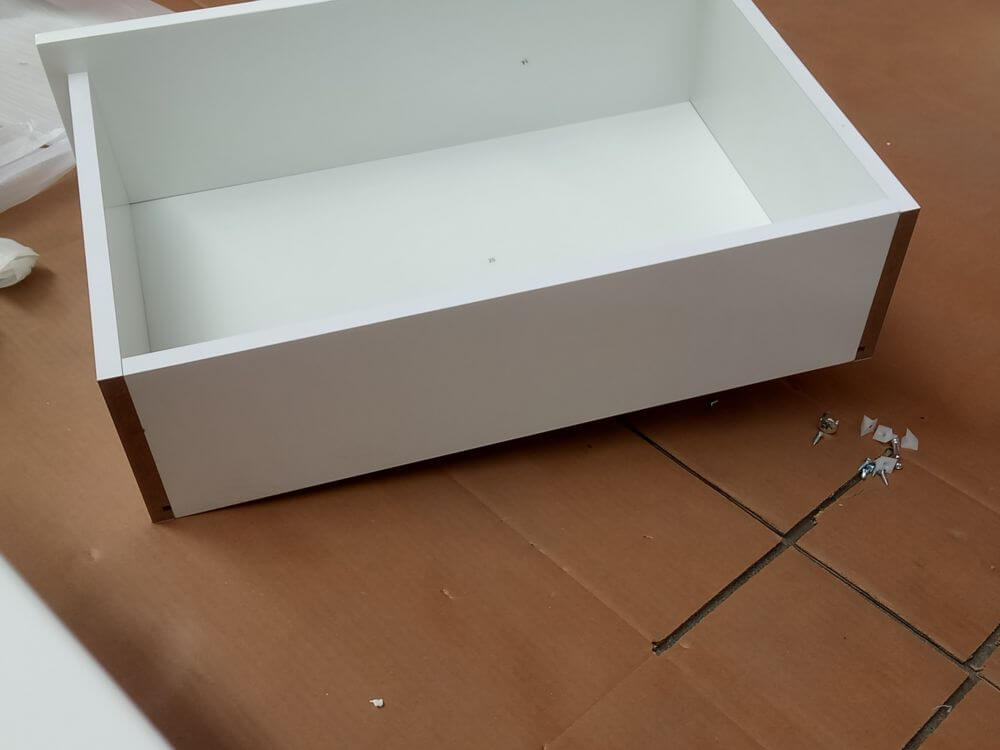
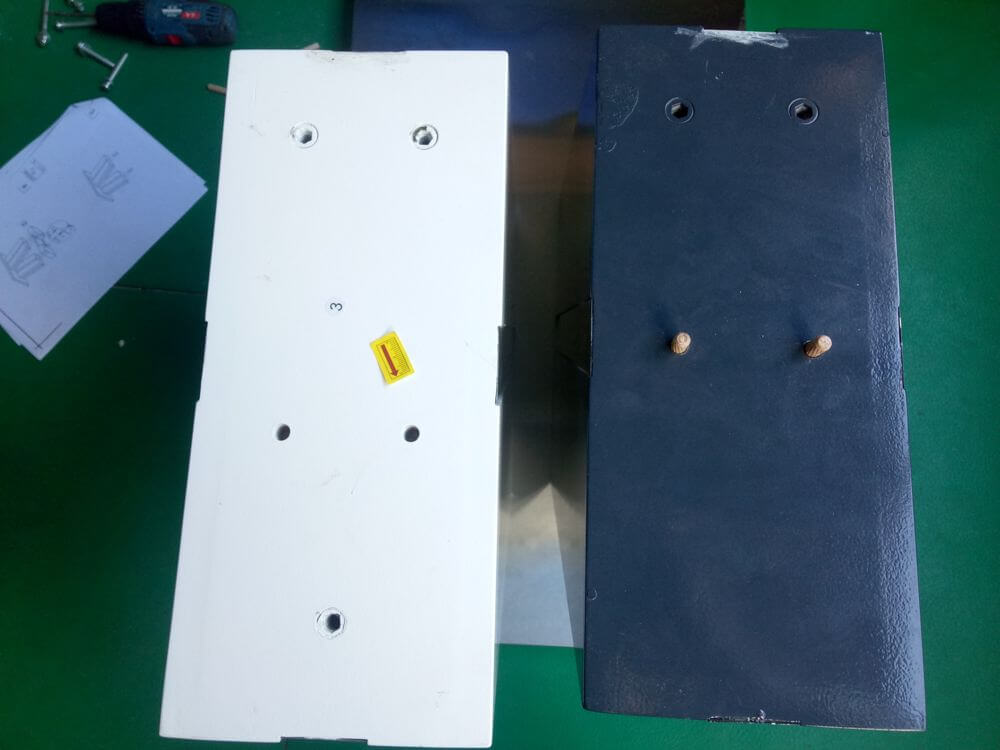
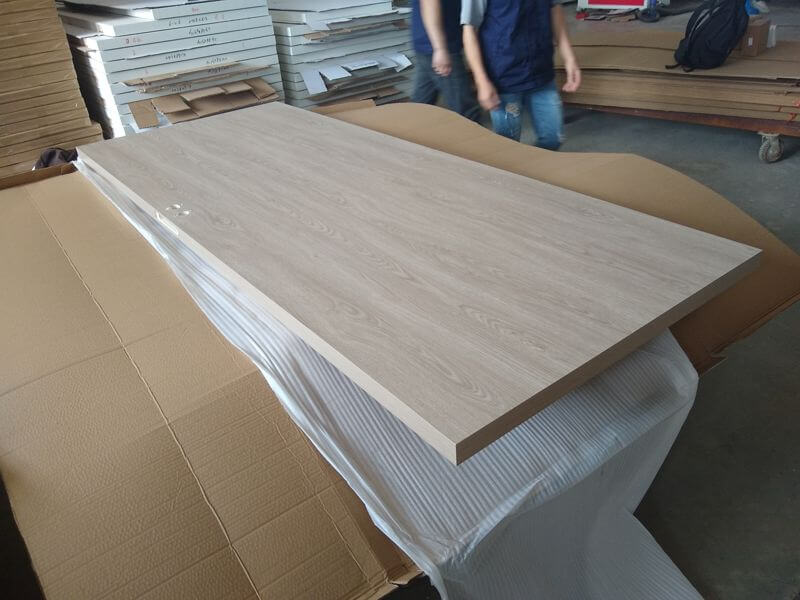
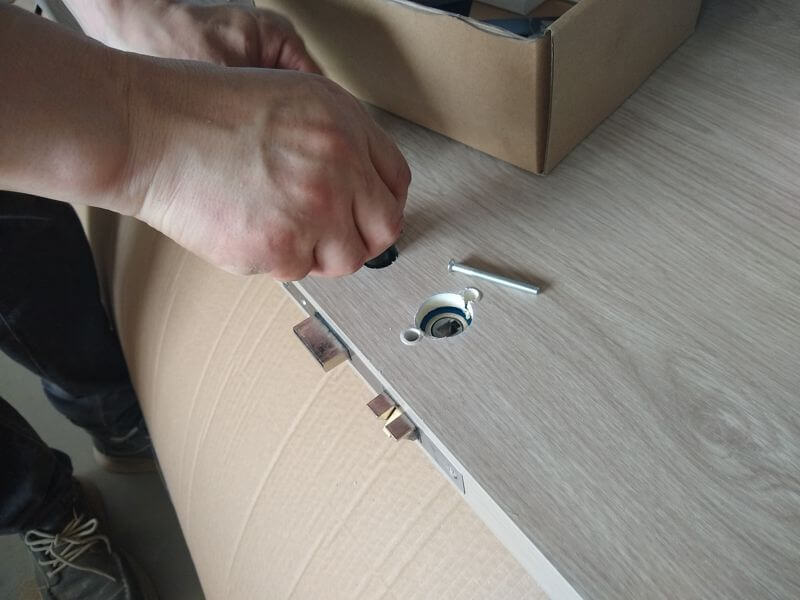
- Screw hole misalignment — In over 40% of samples, pre-drilled screw holes didn't align with hardware at all. Our inspector spent 15 minutes trying to assemble one sample unit and discovered the door panel simply couldn't be installed.
- Door panel holes drilled on wrong side — Several cabinet door panels had locker holes drilled on the left side instead of right (or vice versa), making doors impossible to install as designed.
- Inconsistent hardware quality — Some batches of screws had incomplete threads or shallow Phillips heads that stripped instantly under an electric screwdriver.
Conclusion & Impact
Test results: 0 Critical, 42 Major, 18 Minor defects. The Major defect count far exceeded the AQL acceptance limit (under Level II, 2.5 Major AQL, the acceptance number is 7). The inspection verdict: FAIL.
What would have happened if the client had paid and shipped directly? 2,800 units arriving at a European warehouse — only for the end customer to discover they can't assemble the furniture. Returns, compensation, brand reputation damage. One pre-shipment inspection costing less than 0.3% of the order value saved this client from a potential six-figure Euro loss.
A factory audit in China would likely have uncovered the root cause — this factory's CNC drilling process and jig management had drifted out of tolerance. If identified at the supplier selection stage, the entire batch defect could have been prevented at the source.
Defect Gallery — Real Defects Found On-Site
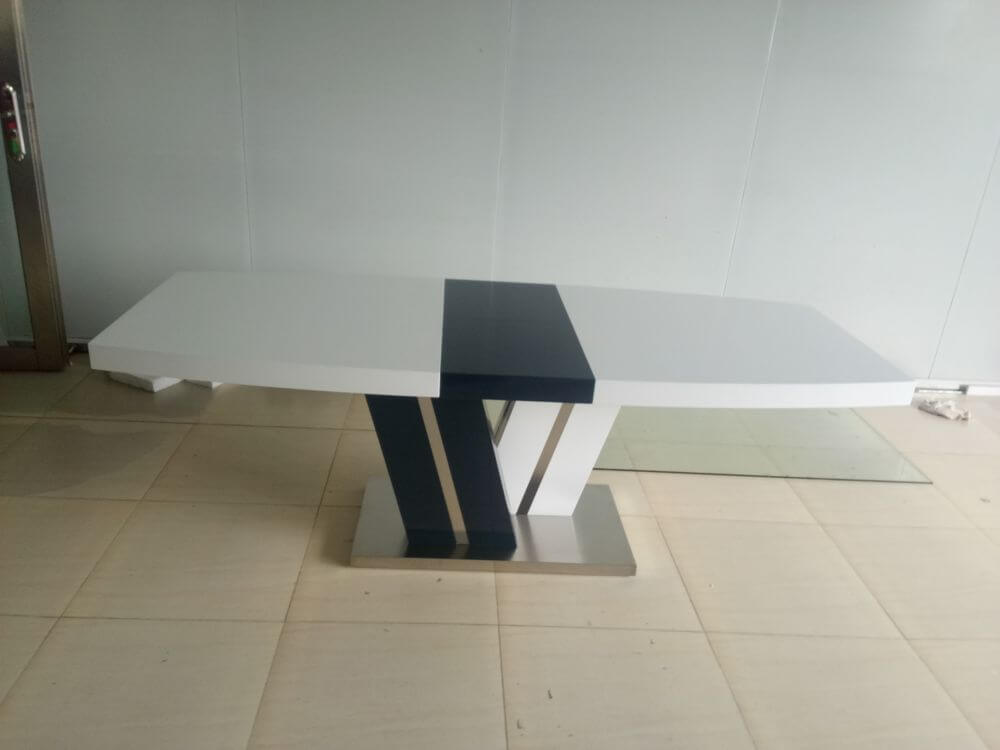
These images are from the actual furniture inspection described above. Each one illustrates a defect that — if not caught — would have surfaced in the hands of a paying customer.
What to Do When Your PSI Fails: A Practical Roadmap
A FAIL verdict isn't the end — it's your chance to correct course before the goods leave China. Below is the standard action roadmap we've developed from 17 years of on-the-ground experience. Each step is designed to put you back in control and ensure the factory bears its share of responsibility.
Pause Balance Payment
With CNQ's official FAIL report in hand, immediately pause your balance payment. This independent report is your strongest leverage in negotiations — without it, the factory will say "it's not that bad." With it, the conversation shifts from opinion to documented evidence.
Review Defect Severity & Feasibility
Work with the CNQ technical team and the factory to assess the nature of the defects: which ones can be reworked on-site, which justify a price reduction, and which require remaking. Don't make blind decisions — critical defects and minor imperfections demand very different responses.
Require Factory CAPA & 100% Sorting
Require the factory to submit a Corrective and Preventive Action Plan (CAPA) within 48 hours, explaining the root cause and corrective measures. At the same time, require them to arrange 100% sorting and rework of the entire batch — not sampling, every single unit.
Schedule Targeted Re-Inspection
Once the factory completes rework and passes their own internal check, schedule a targeted re-inspection. We'll focus specifically on whether the defects that caused the initial FAIL have been fully corrected. Per international trade practice, the re-inspection fee is paid by you upfront but can be deducted from the factory's balance payment.
Remember: a FAIL report isn't bad news — it's the last correction opportunity you get before releasing payment. Use it well, and you save more than money. You save brand reputation and customer trust.
Transparent Pricing — What Does PSI Cost?
Our pre-shipment inspection service uses a per-man-day pricing model. What you're buying isn't just a man-day of someone's time — it's a senior inspector + professional report + on-site photos + a complete set of evidence so you can release payment with confidence.
Most small-to-medium orders (under 35,000 units) require only 1–2 man-days to complete the inspection. Compare that to the cost of shipping a defective batch — freight, duties, warehousing, return handling, and brand reputation damage — and this cost becomes negligible.
Contact us for a custom quality solution — tell us your product type, order quantity, and factory location, and we typically respond with a quote within 12 hours.
Why Choose CNQ for Pre-Shipment Inspection?
Your supplier or factory may not give you an honest picture of your goods' quality. Our PSI service changes that:
17+ Years on the Ground
Operating in China since 2009. We've seen almost every factory "trick" — from pre-prepped samples to last-minute swaps. Our inspectors don't fall for them.
24-hour English Report
Full English inspection report delivered the same day the inspection finishes — including defect photos, test data, and PASS / FAIL conclusion. No waiting two days to make a shipping decision.
Zero Tolerance for Bribery
This is the industry's dirty secret, but we have zero tolerance. Any inspector confirmed to have accepted factory incentives is immediately terminated. Our results are not influenced by the factory — that's the whole point of hiring a third party.
Broad Industry Coverage
From furniture to electronics, textiles to hardware — our inspection team covers all major manufacturing categories in China. Not sure if we handle your product? Ask us first.
Let CNQ Catch Defects Before Your Shipment Leaves Factory
Quality is the part of sourcing from China you can't afford to skip. Whether you're a small importer or a large retail brand, one pre-shipment inspection can save you multiples of what it costs. Our product inspection services in China cover pre-shipment, full inspection, and container loading checks. We also recommend completing a factory audit early in the supplier relationship — many quality issues found during inspection could have been screened out at the audit stage.
- Discover defect types and percentages — objective data from AQL statistical sampling, not the factory's word
- Verify product quality meets your requirements — and refuse shipment if necessary
- Avoid supply chain risks — are shipping marks, packaging, and labeling correct? Are there safety concerns? Know before the container leaves
Ready to arrange an inspection for your next order? Get your CNQ experts — tell them what you need, and you will be responded with a plan within 12 hours.
Not ready to reach out yet? Try our online AQL sampling calculator — find out how many units you should be testing for your order size. Or download a sample inspection report to see exactly what a CNQ report contains before you book.