
Why Furniture Orders Top the List for Rejections and Claims
Furniture is a classic "slow-variable" category in China product inspection: products that look fine on the surface can hide structural, material, and packaging problems that only surface during assembly, use, or after sea freight. In quality inspection records, furniture defects are rarely about cosmetics — they are about what you cannot see: loose joints, missing hardware, excessive board moisture, cracked welds, and electrical hazards on powered pieces.
When the order value is high, the pieces are heavy, and rework is expensive, importers increasingly rely on independent quality control — a third party inspection service to check goods before the container is sealed. Compared with the cost of discovering problems after arrival — return freight, reworking, missed selling seasons — an on-site inspection is nearly negligible.
The process is not mysterious: following your product specification and AQL sampling standard, an inspector verifies appearance, function, structure, packaging, and container-loading risk piece by piece — replacing "gut feeling" with data. What follows is what actually happens on site.
Furniture & Home Goods Inspection — Real Risk Points by Product Category
KD & Flat-Pack Furniture: Hardware, Dowels and Panels
KD (knock-down) furniture hides its defects inside the carton: wrong screw specs, missing cam locks, misaligned panel holes, pieces that will not go together — or worse, panels that crack mid-assembly. These become bad reviews and returns at the consumer end, and the root cause is almost always in hardware-packing and trial-assembly at the factory. A documented KD furniture inspection case found exactly this: loose pre-installed hardware cracked the panels during transit — a defect only visible through trial assembly.
Upholstered Sofas & Seating: Frames, Feel and Fabric
Upholstered furniture problems "appear after you sit on it": frames with excessive moisture that sag, springs and seat boxes not fixed firmly, weak seam strength, and fabric color shading between production batches. On-site checks include seat-impact and load testing, plus panel-by-panel comparison against the fabric color standard — so what looks the same in photos also feels the same in reality.
Where the destination market requires it, fire safety is a gating check: California TB117-2013 for US-bound seating and BS 5852 for UK domestic upholstered furniture. We verify the labels and supporting test reports on site.
Wooden Tables & Cabinets: Moisture, Finish and Joint Strength
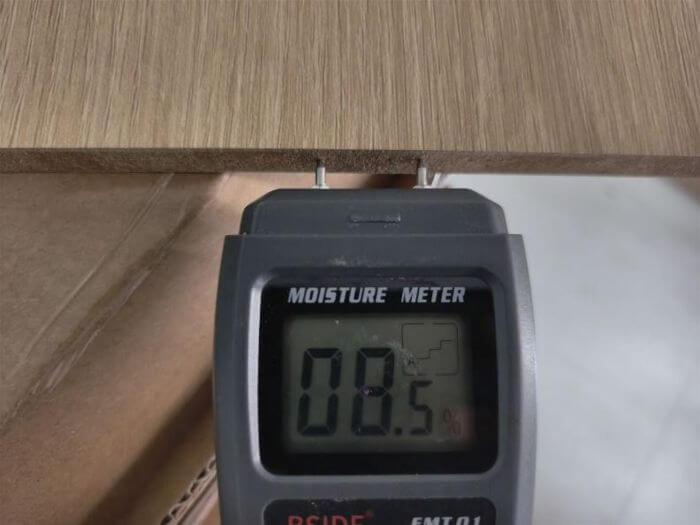
Solid wood and panel furniture fears two things: boards shipped with excessive moisture that warp and mildew after sea freight, and joints with insufficient strength — wobbly legs, drooping cabinet doors. Inspectors measure moisture content on site, examine joinery and connectors, and apply static load tests to the tabletop — data that tells you whether the table really carries its stated weight.
Additionally, composite panels shipped to the US market must meet TSCA Title VI / CARB Phase 2 formaldehyde limits — we verify mill labels and supporting test reports on site where required.
Outdoor & Metal Furniture: Welds, Coating and Sharp Points
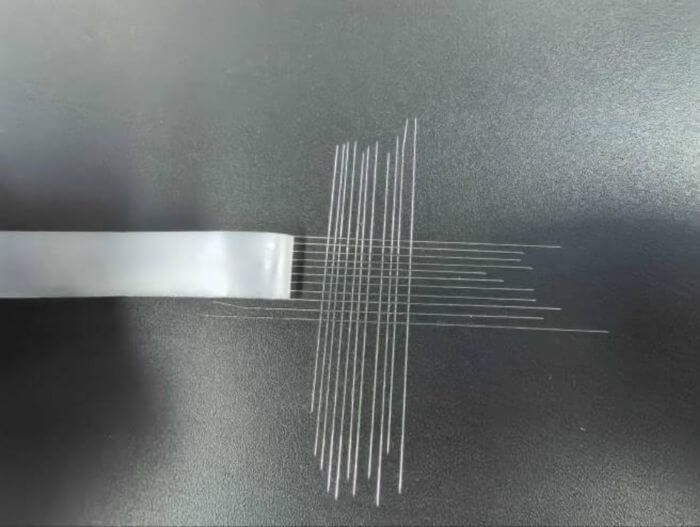
Common on-site defects in outdoor metal furniture: incomplete or skipped welds, powder coating with poor adhesion (peeling after sun and salt exposure), rusting hardware, and sharp edges left by stamping or cutting — a serious hazard in homes with children and pets. Inspectors scan accessible edges with dedicated instruments and run tape adhesion tests on coated surfaces.
LED & Powered Home Goods: Electrical Safety Is the Floor
Now more smart home goods with integrated lighting and power shift quality issues from "looks bad" to "is dangerous." On-site verification covers function and illumination consistency, adapter spec and rating label checks, power draw within the declared range, and dielectric (hi-pot) insulation testing. Any failure at this level is not a "quick fix" — it is a whole-batch risk.
Real Scenarios: What Happens to Furniture Orders Around Sea Freight
The Container Greenhouse: Dry at the Factory, Mildewed on Arrival
A solid-wood table order was loaded during a northern winter. Board moisture was borderline, and the factory added no moisture barrier. Over 40 days at sea, condensation from the container roof dripped onto the cartons. When inspectors measured the excess moisture and photographed it before loading, the factory dismissed it as over-caution — the claim records after arrival proved otherwise.
Wrong Hardware: The Return Starts the Moment the Box Opens
Another frequent KD furniture scenario: screws 5 mm shorter than the drawing that strip mid-turn, or two missing cam locks that leave an assembled cabinet wobbling. These are 100% preventable in a pre-shipment inspection with trial assembly — provided the inspector actually builds the sample instead of only counting parts.
Compliance Risk: From One Wire to a Whole Container Held
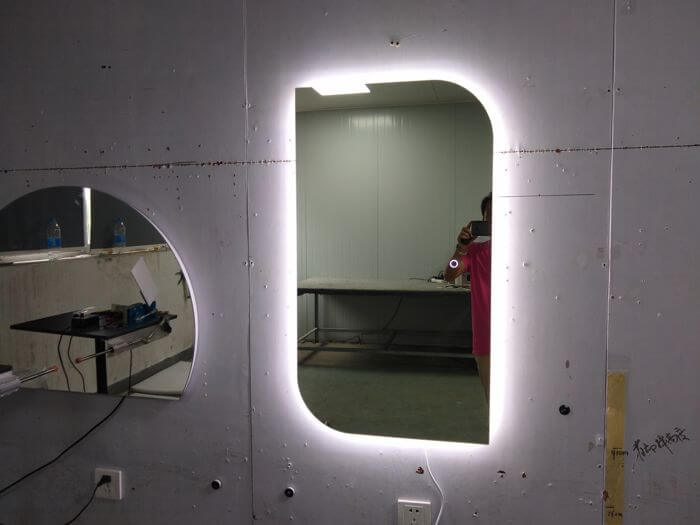
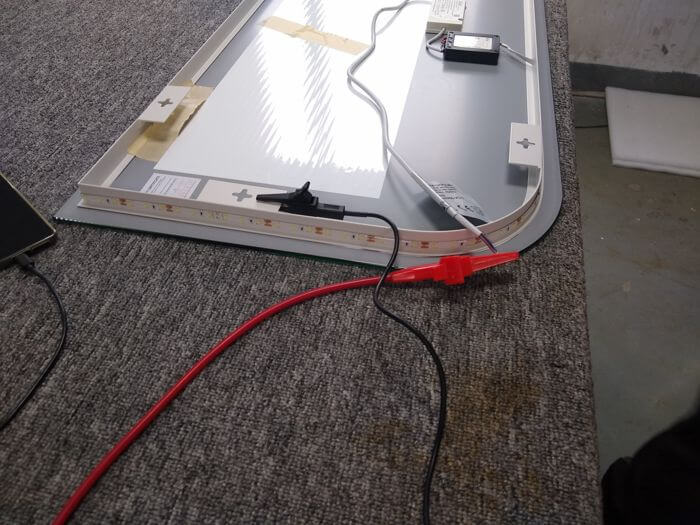
Electrical safety is a non-negotiable gate for powered home goods entering the US and EU. In one LED mirror order, an un-crimped terminal inside the power cord failed the hi-pot test outright. In the destination market this is not just a return — when UL, CE, or GS certification applies, it can mean a whole container held and liability traced back. On-site hi-pot testing guards that gate.
Rough Handling: Packaging Is Not a Box, It Is a Protection System
Furniture absorbs more shock in freight-forwarder warehouses and loading docks than most people imagine. Inspectors verify carton board grade and weight, corner protectors, inner cushioning, and how KD panels are separated — and arrange drop tests where required. The same chair ships with a 0.5% damage rate in one carton design and 8% in another — the difference is written entirely in the packaging.
What Happens On Site — Eight Practical Checks in China Furniture Inspection
1. Load & Structural Testing
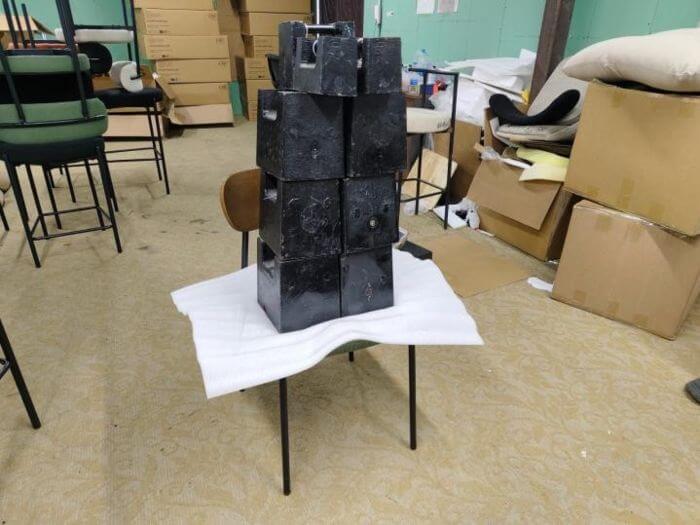
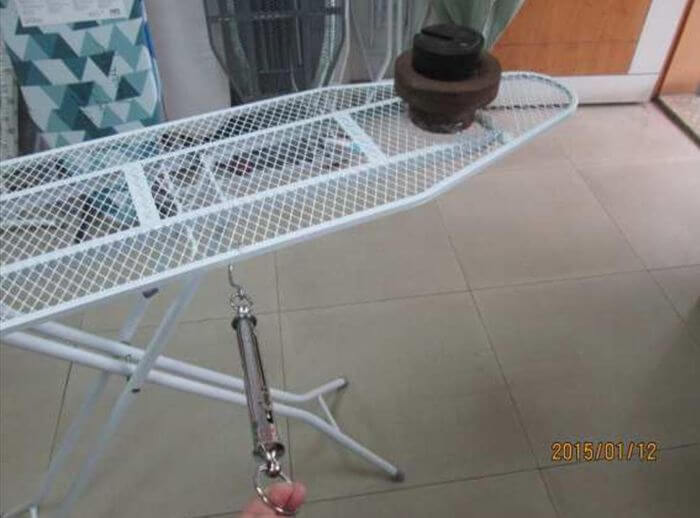
Standard weights apply the specified load to table tops, chair seats, and sofa cushions (commonly 160 kg), with pull-and-load checks on folding home goods — checking deflection and permanent set so structures do not collapse in real use.

2. Stability & Tip-Over Testing
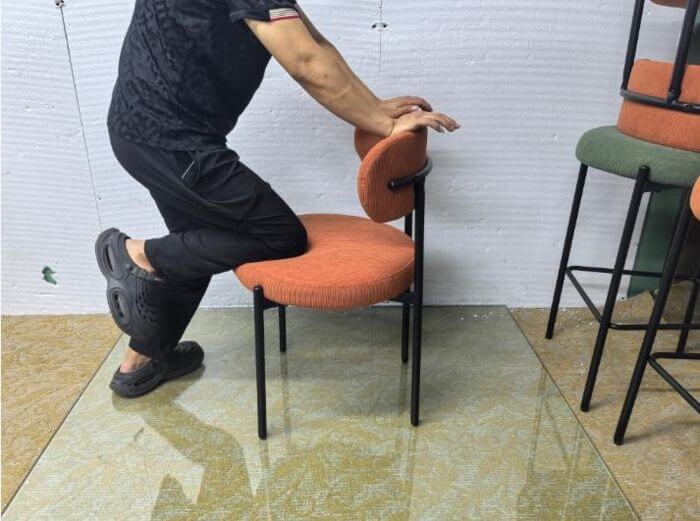
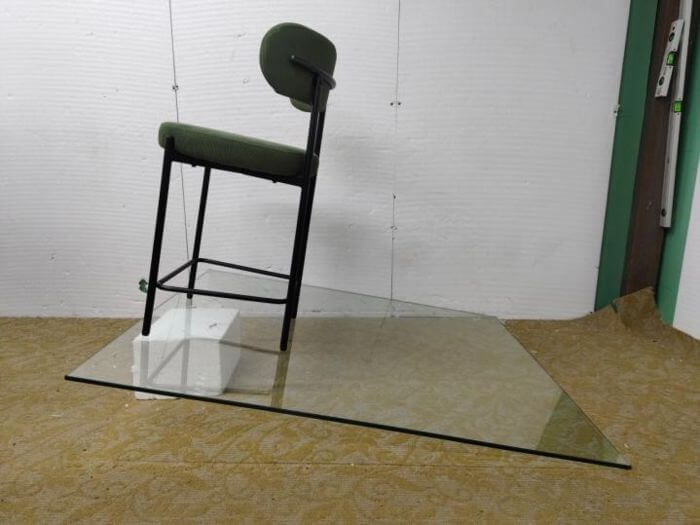
Seat forward, backward, and side tilt stability, plus anti-tip behavior of cabinets with all drawers open — core points in EN 12520, ASTM F2057-23 (STURDY Act), and related anti-tip standards. This is a key guard against injuries to children and pets, and increasingly a compliance requirement for US-bound clothing storage units.
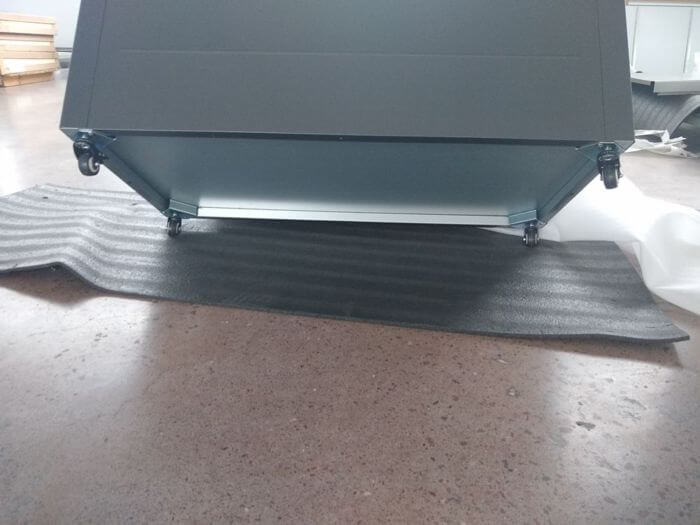
3. KD Trial Assembly & Hardware Verification
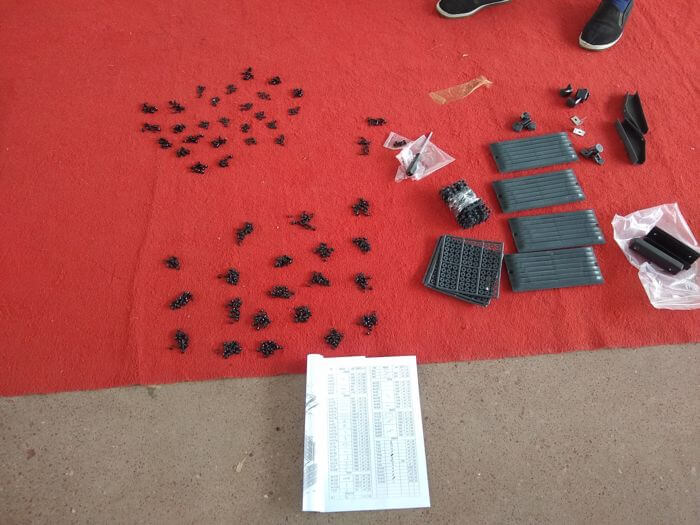
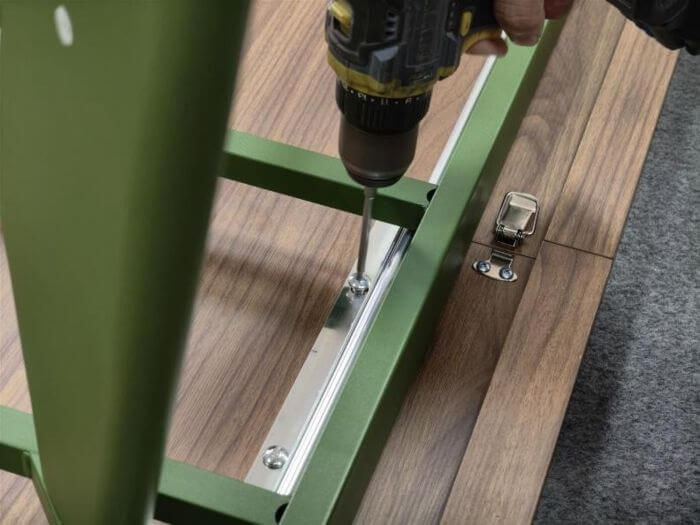
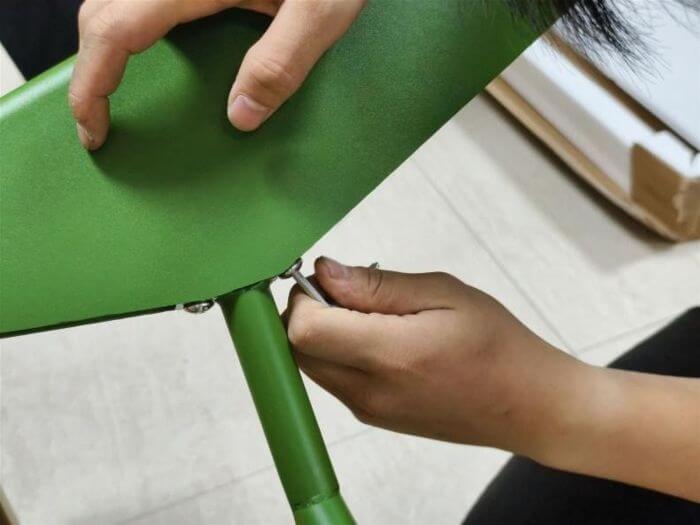
Truly assembling the sample units: verifying screw specs and counts, cam locks, dowels, and hole alignment, while checking pre-installed hardware stays fixed during transit.
4. Wood Moisture Content Testing
Pin-type moisture meters sample solid wood, engineered panels, and frames at multiple points. Reference values vary by region and season, but exceeding the critical range means warp, crack, and mildew risk.
5. Coating & Fabric Adhesion Testing
Tape adhesion tests verify paint and powder coating hold firmly; fabric and leather are checked for color fastness, shading, and batch consistency. Coating with weak adhesion answers you months later — with peeling.
6. Child Safety: Gaps, Entrapment & Squeeze Points
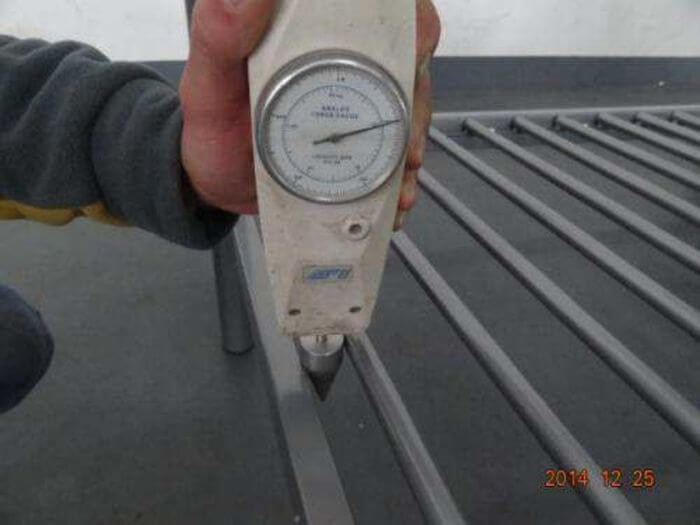
For children's furniture and accessible home products, gauges verify reachable openings avoid entrapment ranges, moving parts (drawers, doors, folding mechanisms) are checked for pinch risk, and small parts are tested for secure attachment — all referenced against CPSC / CPSIA requirements where applicable.
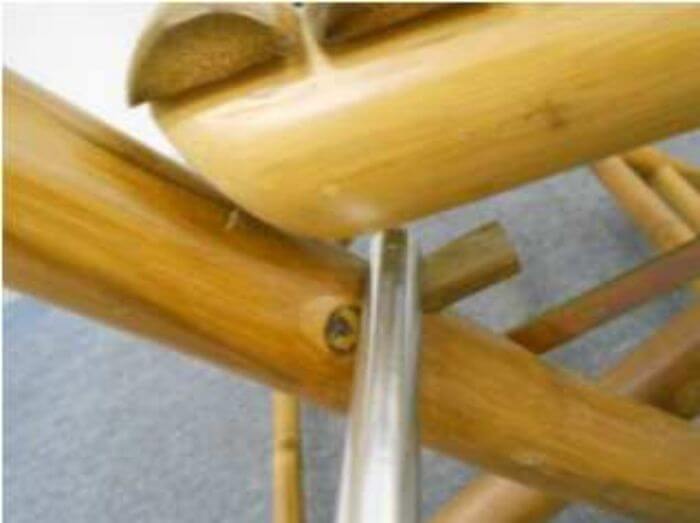
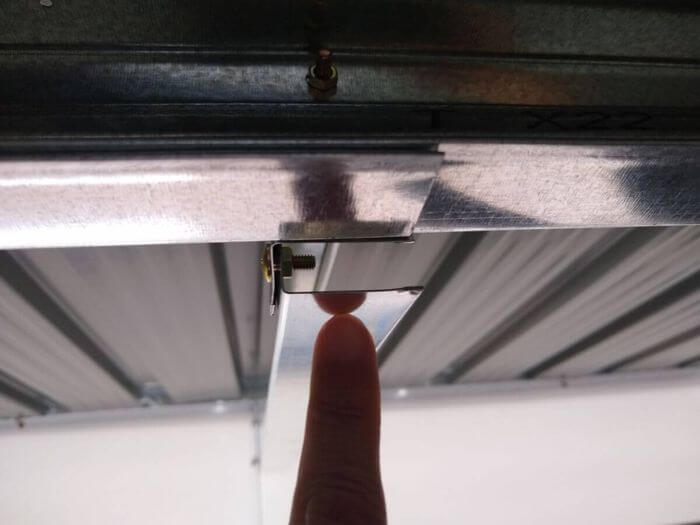
7. Electrical Safety for LED & Powered Products
Function, illumination consistency, voltage/current readings, and adapter rating checks, combined with dielectric (hi-pot) testing of insulation. Electrical failures are judged Critical — with no negotiation.
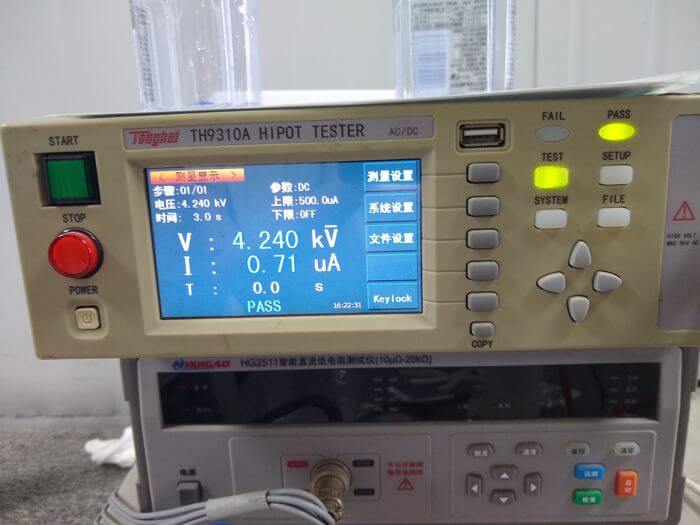
8. Sharp Edges & Points on Outdoor Metal Pieces
Sharp-edge testers and point gauges scan accessible edges and corners of outdoor tables, chairs, and plant stands, flagging spots that need deburring or caps — leaving the "cuts your hand" risk at the factory.
AQL Levels for Furniture Inspection in China — Set Them Sensibly
Furniture orders are typically organized into three defect classes for sampling and judgment. Grading is not a binary pass/fail verdict — it classifies defects by risk so the factory understands exactly which problems are never acceptable. The table below shows a typical AQL configuration for furniture.
| Defect Class | Typical Furniture Examples | Common AQL |
|---|---|---|
| Critical | Electrical hazards (hi-pot failure), entrapment gaps, sharp edges, detachable small parts | 0 (zero tolerance) |
| Major | Structural cracks, missing/mismatched hardware, function failure, significant color shading, excess moisture | 1.0 / 2.5 |
| Minor | Cosmetic blemishes, light scratches, minor carton soiling | 2.5 / 4.0 |
These numbers are a common starting point in third-party quality inspection — not a fixed answer. Sample sizes follow ANSI/ASQ Z1.4 General Inspection Level II. Your retail channel, product risk, and supplier history together decide the final plan.
Building a Custom Furniture Quality Control Plan — Starting from Your Tech Pack
No two furniture inspection plans are identical. A custom plan is typically built from these inputs:
- Product specification and drawings — defining dimensional tolerances, materials, and construction requirements
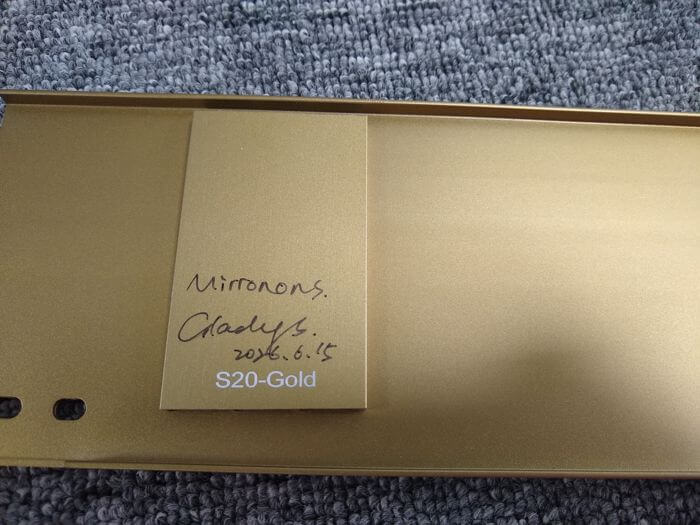
- Golden sample and color panels — the visual benchmark for on-site comparison
- Target market standards — EN, ASTM, GB requirements for stability, load, and electrical safety
- Packaging and loading requirements — moisture barrier, cushioning, corner protection, stacking plan
- Historical defect records — wherever the last batch failed, this batch is checked hardest
- Adjacent product lines — office furniture, height-adjustable desks, mattresses & bedding, outdoor rattan & wicker sets, and flat-pack kitchen cabinets follow the same inspection logic with category-specific checkpoints.
Before the first inspection, the checking checklist and judgment criteria are confirmed line by line, and the AQL sampling plan is written into the protocol. The formal inspection then samples representative units per ANSI/ASQ Z1.4 and runs every check item listed above.
If this is a new supplier, a furniture factory audit before production can catch many of these risks at the source.
Let the On-Site Report Speak for Your Furniture Order
The value of a furniture quality inspection report is not the word "pass" — it is the measured data and defect photos behind it. A complete English report is delivered within 24 hours after the inspection, covering sampling records, measurement results, defect photos, and corrective suggestions. Before the container loads, you know your goods as well as the factory does.
Planning your next furniture order — or unsure what should be checked? Contact the team for a product-specific inspection plan and quote at $188 USD per man-day, typically within 12 hours.