What the Factory Brochure Won't Show You
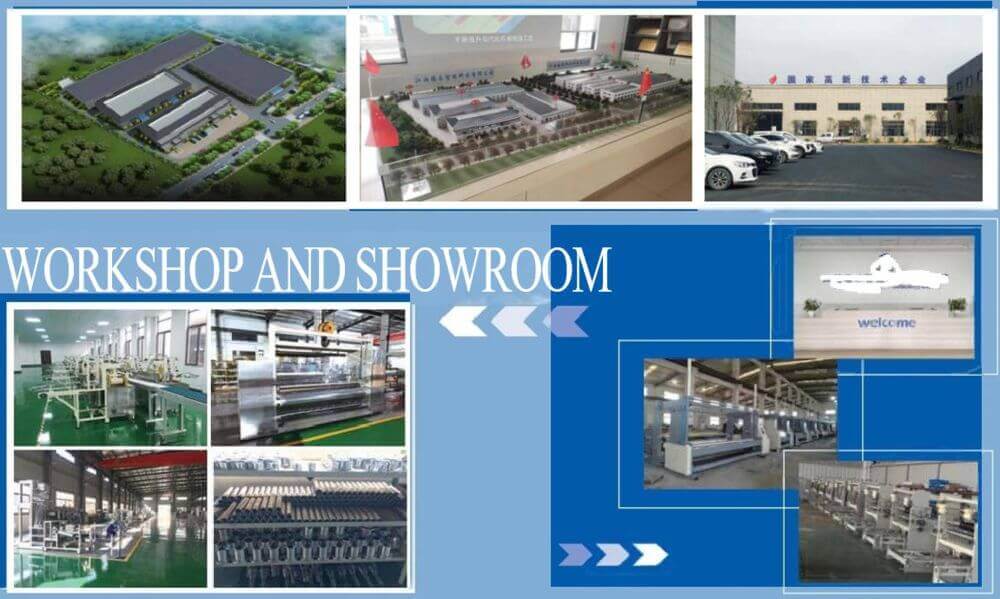
Every factory sends its buyers the same set of photos: bright production floors, neatly arranged machinery, workers in clean uniforms. These photos are not lies — but they tell only half the story. The real risk lives in the corners no camera visits.
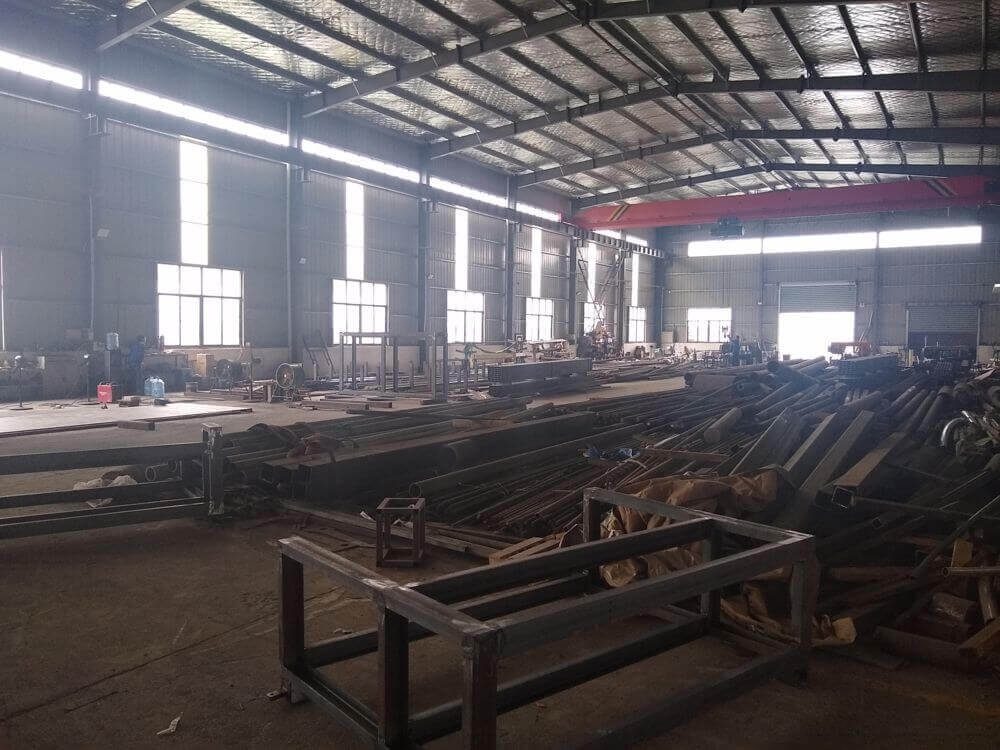
A China factory audit is not a guided tour. It is a deep assessment of whether a supplier can consistently deliver quality, on time, at scale. We walk the floor, flip through maintenance logs, and stand next to the production line — not next to the PowerPoint projector.
"A Strong R&D Team" — Really?
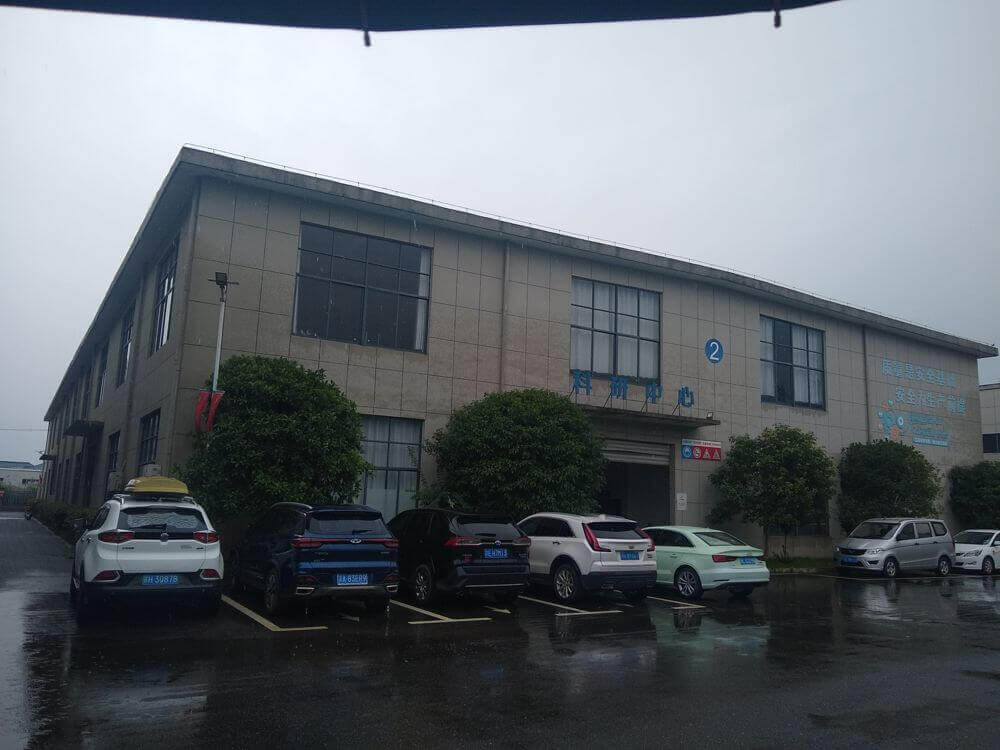
The factory sends you an impressive photo of their R&D center — modern glass facade, high-tech logo wall. We walk inside and find what amounts to a storage room with a few basic tools on a bench. The "testing equipment" is an aging tensile tester and a vernier caliper. No design development records. No sampling logs. No BOM version control. This isn't an R&D center — it's a photo backdrop for buyers.
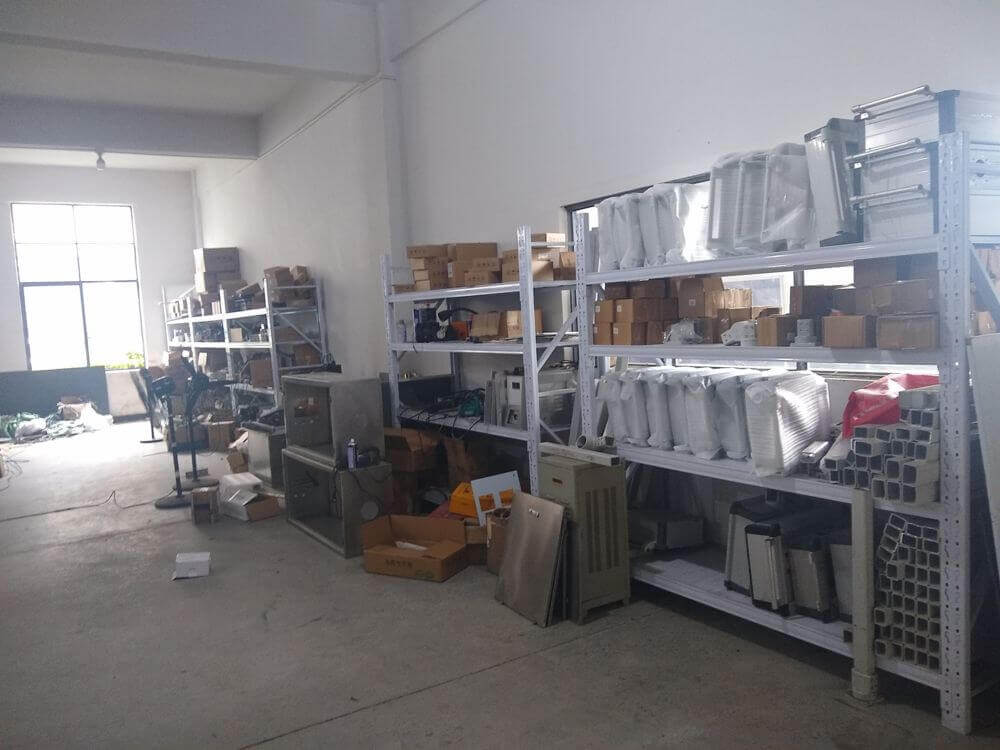
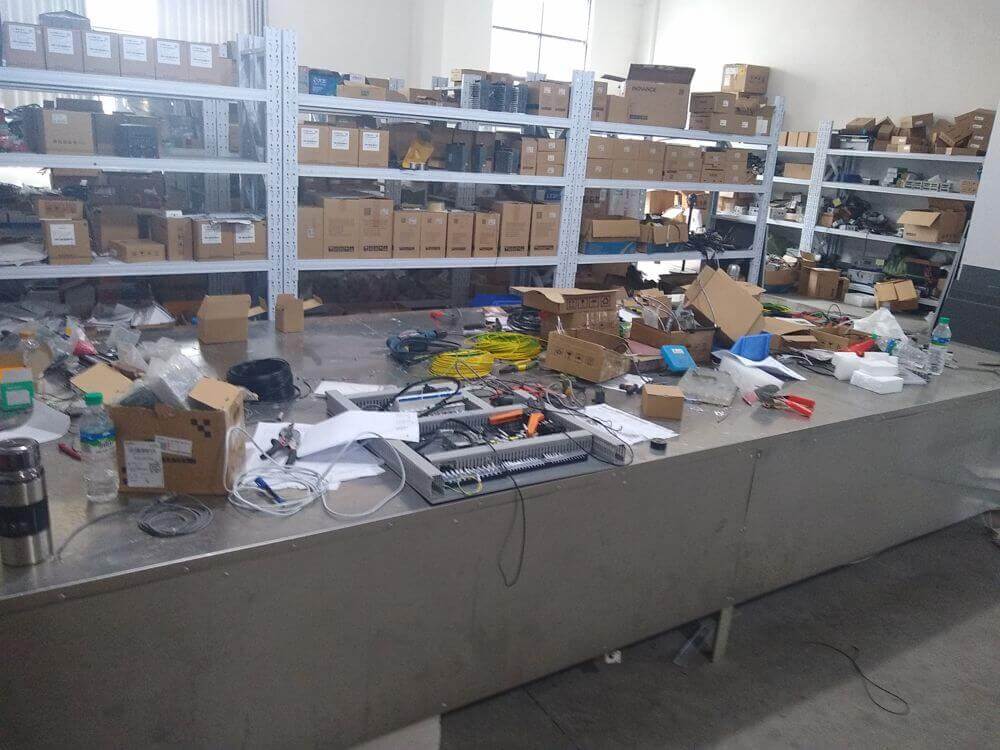
The 4M1E: Five Dimensions of a China Factory Audit
We don't settle for "looks okay." A meaningful factory audit in China evaluates five dimensions — Workers, Machines, Materials, Methods, and the Quality Control system that ties them together. Each dimension is backed by 17 years of on-the-ground judgment.
1. Workers — Not Headcount, but Experience and Stability
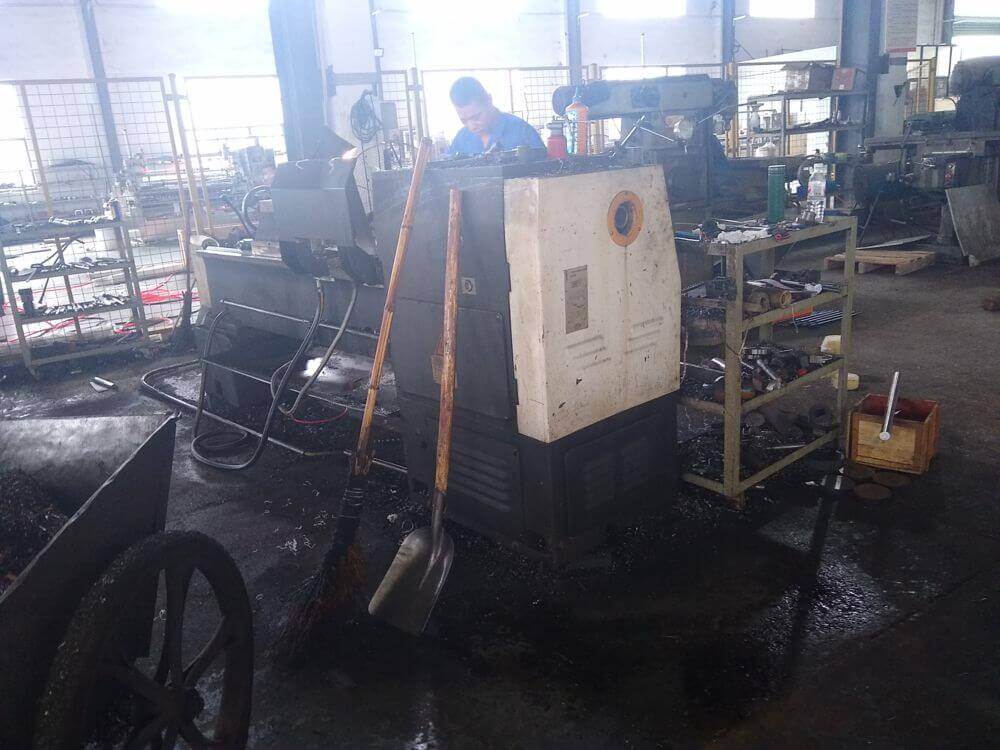
What we look at: years of experience in key positions, training records, and turnover rates. Injection molding technicians, welders, QC supervisors — the experience in these roles directly shapes your product quality. A factory that replaces half its workforce every month cannot produce consistent output.
During one audit, we discovered a factory's QC supervisor had been a line worker just three months earlier — no formal quality training whatsoever. His quality standard was "if it looks about right." That kind of inexperience translates directly into a buyer's Major defects.
2. Machines — Not Just Present, but Precise and Maintained
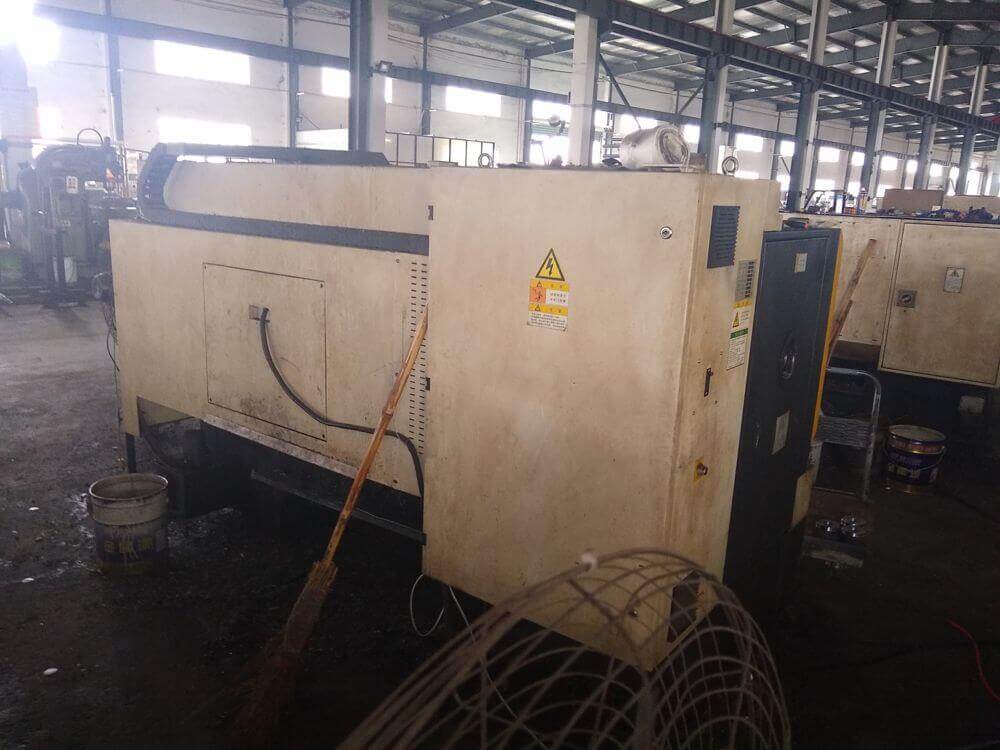
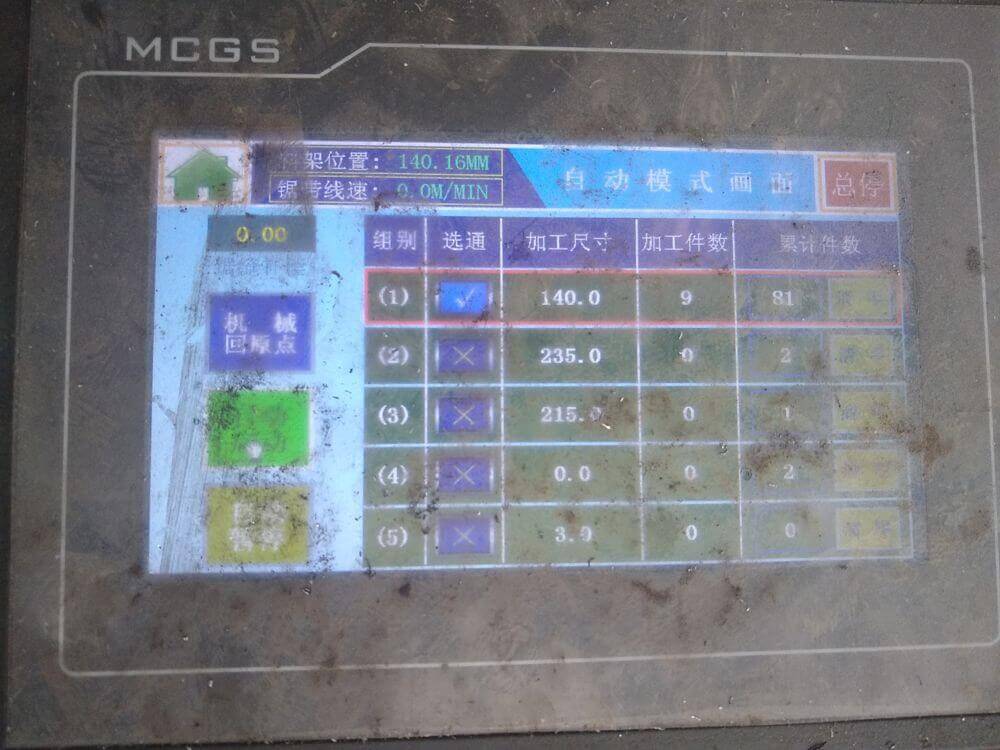
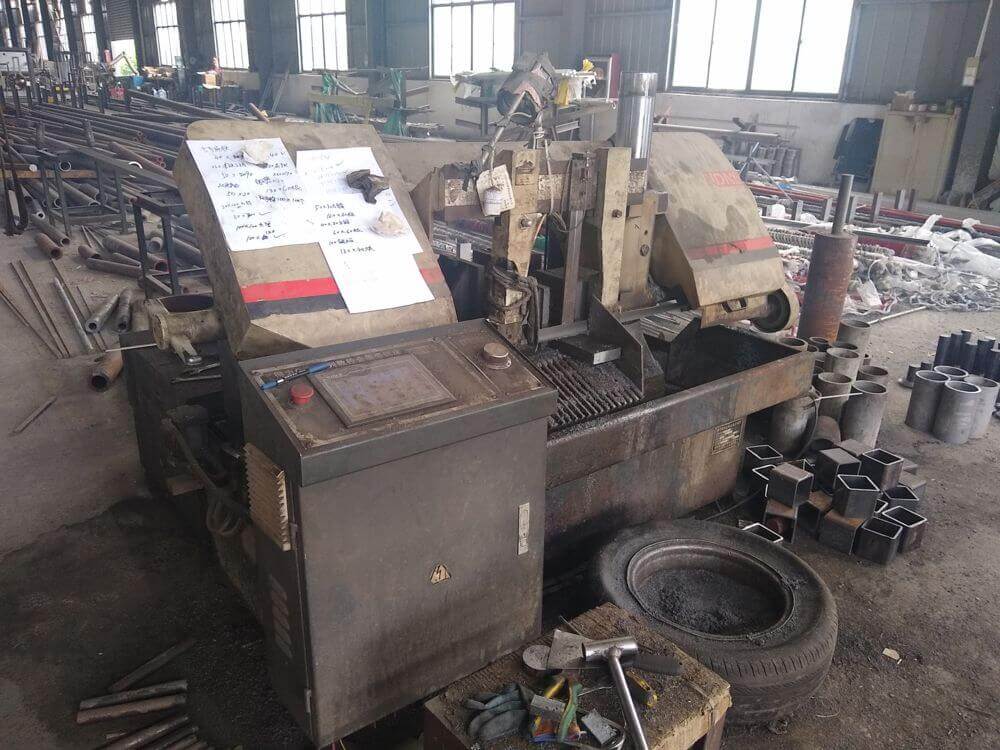
What we look at: equipment brand and age, maintenance logs, and most importantly — the actual condition of molds and tooling. An injection molding machine without regular maintenance drifts further out of tolerance with every cycle, until your parts no longer fit together.
A hardware factory showed us their CNC machines — recent models. But checking the maintenance logs, we found coolant unchanged for six months, cutting tools heavily worn. The resulting dimensional drift was subtle enough to pass a random sampling inspection — but would cause assembly-line failures at the buyer's end. Machine condition directly determines product precision and consistency.
3. Materials — The Starting Point of Every Order's Quality
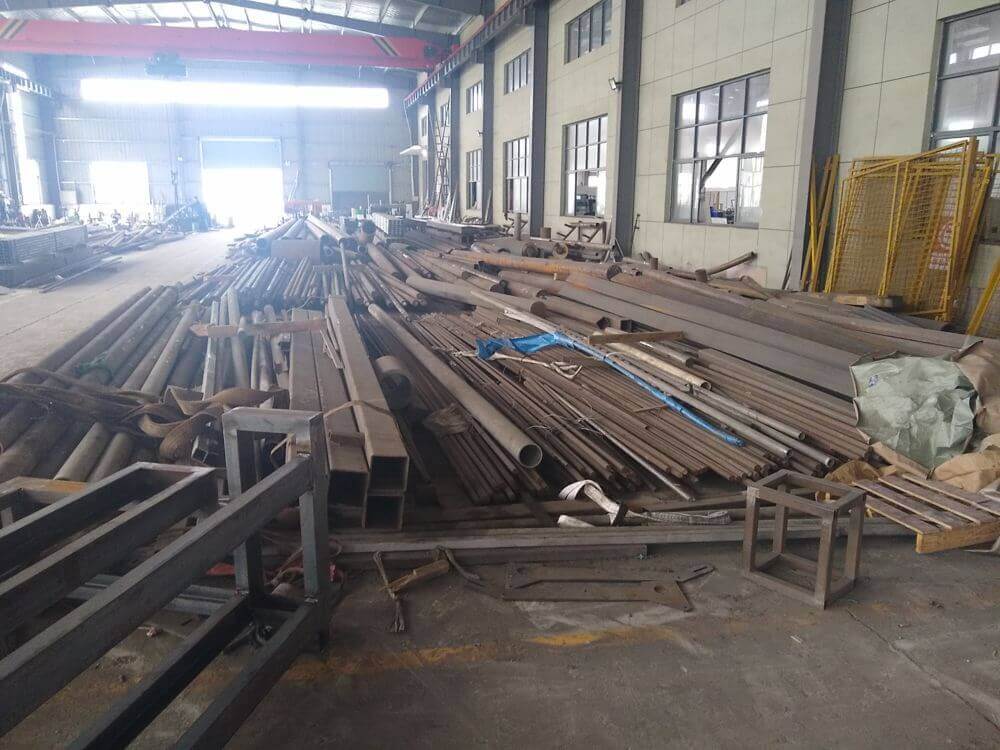
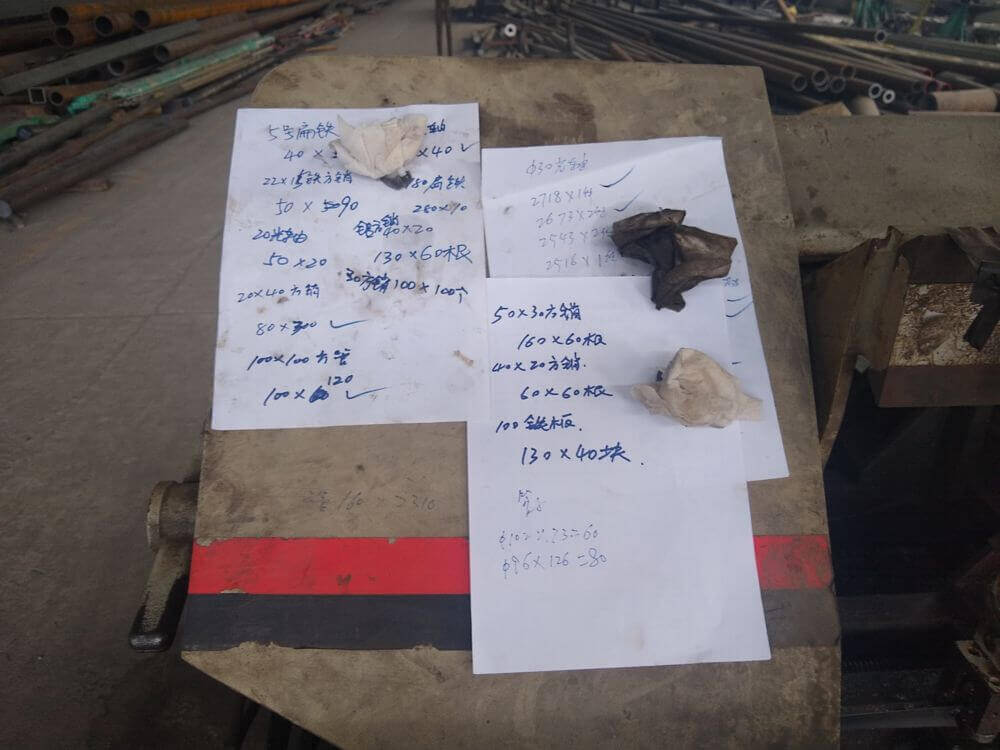
What we look at: incoming material inspection records, supplier certifications, storage conditions, and most critically — the gray zone of unapproved substitutions. Is the factory quietly swapping brand-name resin for generic material during peak season? What's the story behind those unlabeled raw material rolls in the corner of the warehouse?
During one factory audit in China, we asked to randomly verify the mill certificate for a batch of stainless steel coils. The factory couldn't produce one. Their explanation: this was a top-up order, the regular supplier couldn't deliver in time, so they "sourced material from the spot market." We asked: what about your incoming inspection record? They said they were in a rush — the batch went straight to production with nothing but a few purchase receipts. Material issues that enter the production line contaminate the entire order. No pre-shipment inspection catches this.
4. Methods — SOPs Aren't Wall Posters, They're Workflows
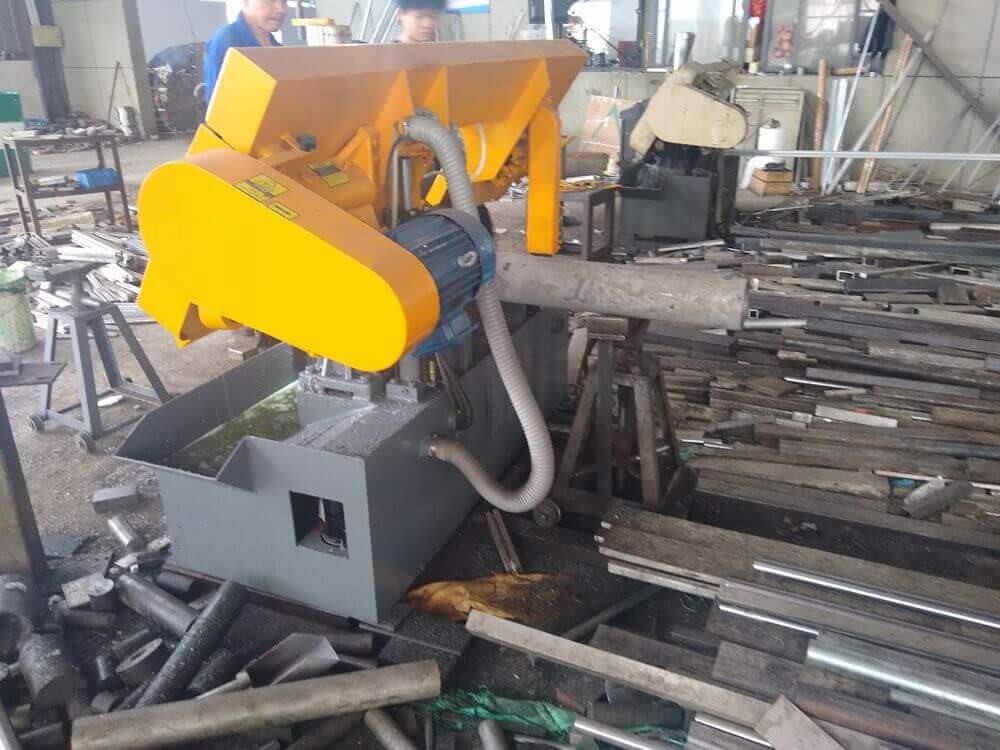
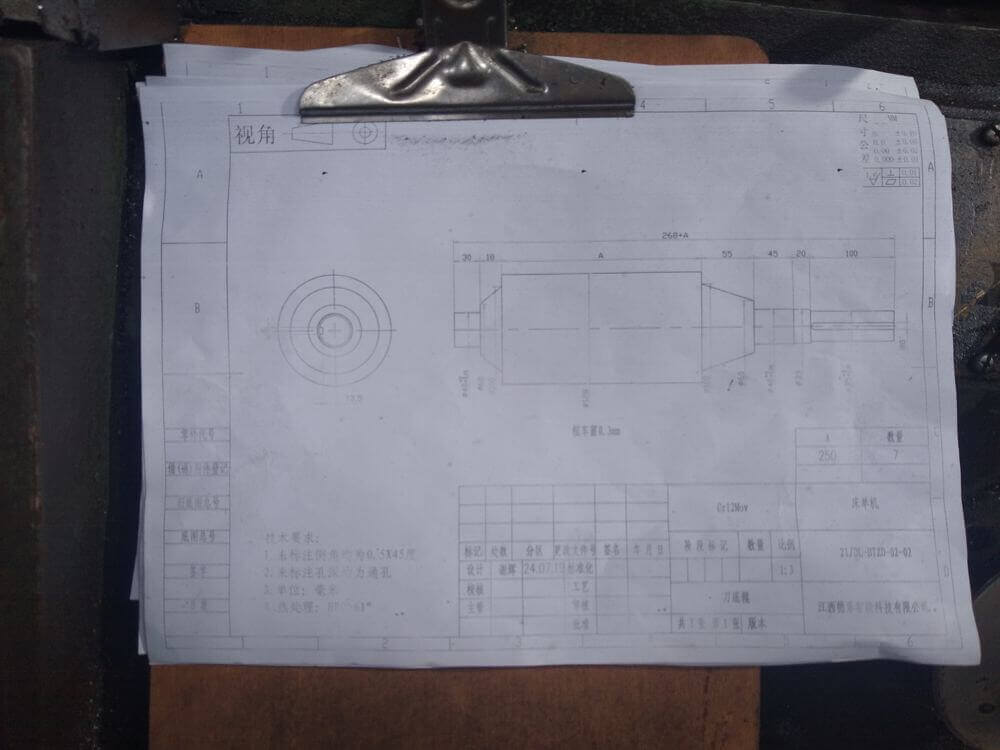
What we look at: whether SOPs match actual operations, how non-conforming products are handled, and whether first-piece approval is genuinely being performed. Many factories write SOPs solely to pass ISO audits — beautifully bound, tucked in a filing cabinet — while workers follow a completely different set of habits on the floor.
At an electronics assembly factory, the SOP stated "100% visual inspection after soldering." We stood next to the line for ten minutes. No worker performed the check. We asked the line supervisor. His answer: "This order is simple — no need." A missing process means quality is out of control. Your pre-shipment inspection defect rate spikes, and you'll never know which batch caused it.
5. Quality Control — Products Without QC Are a Liability
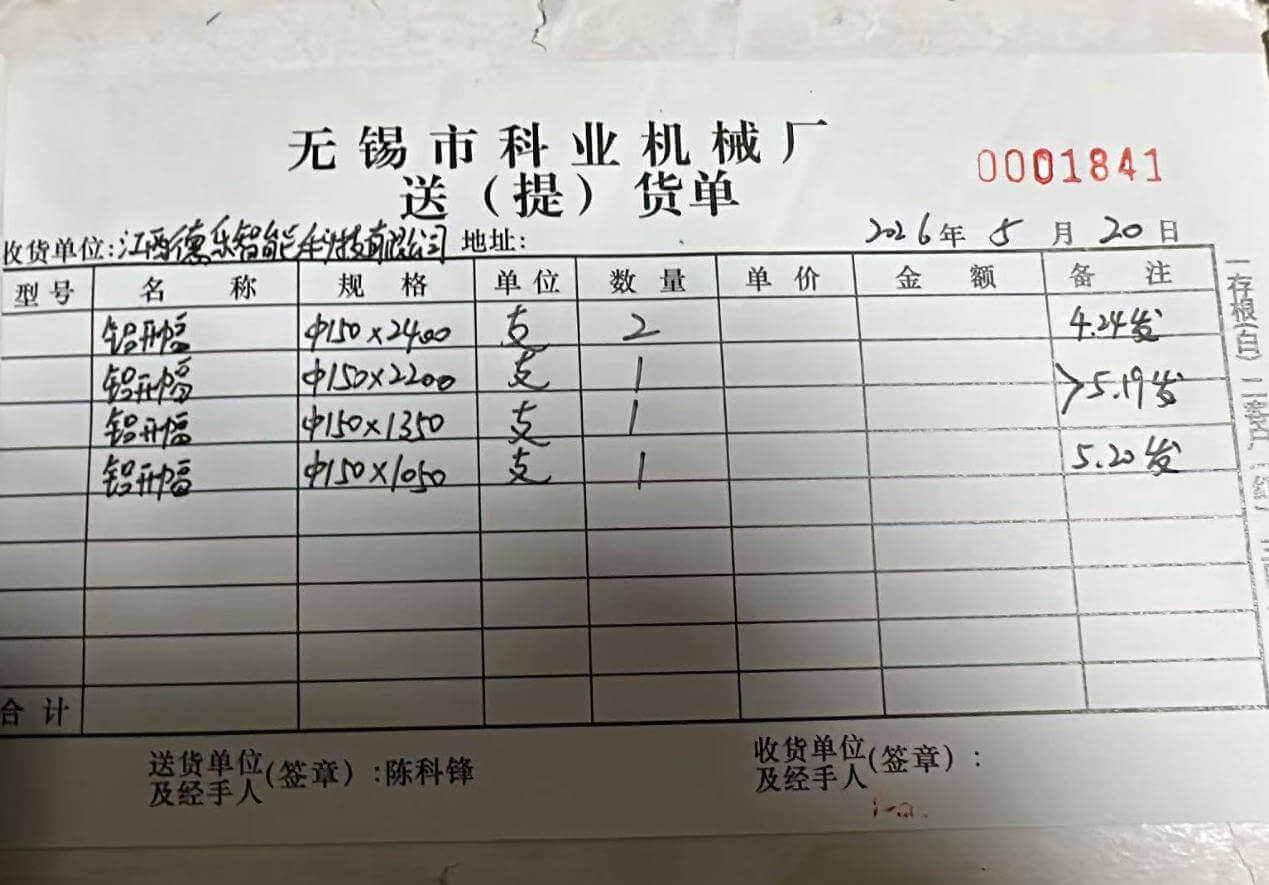
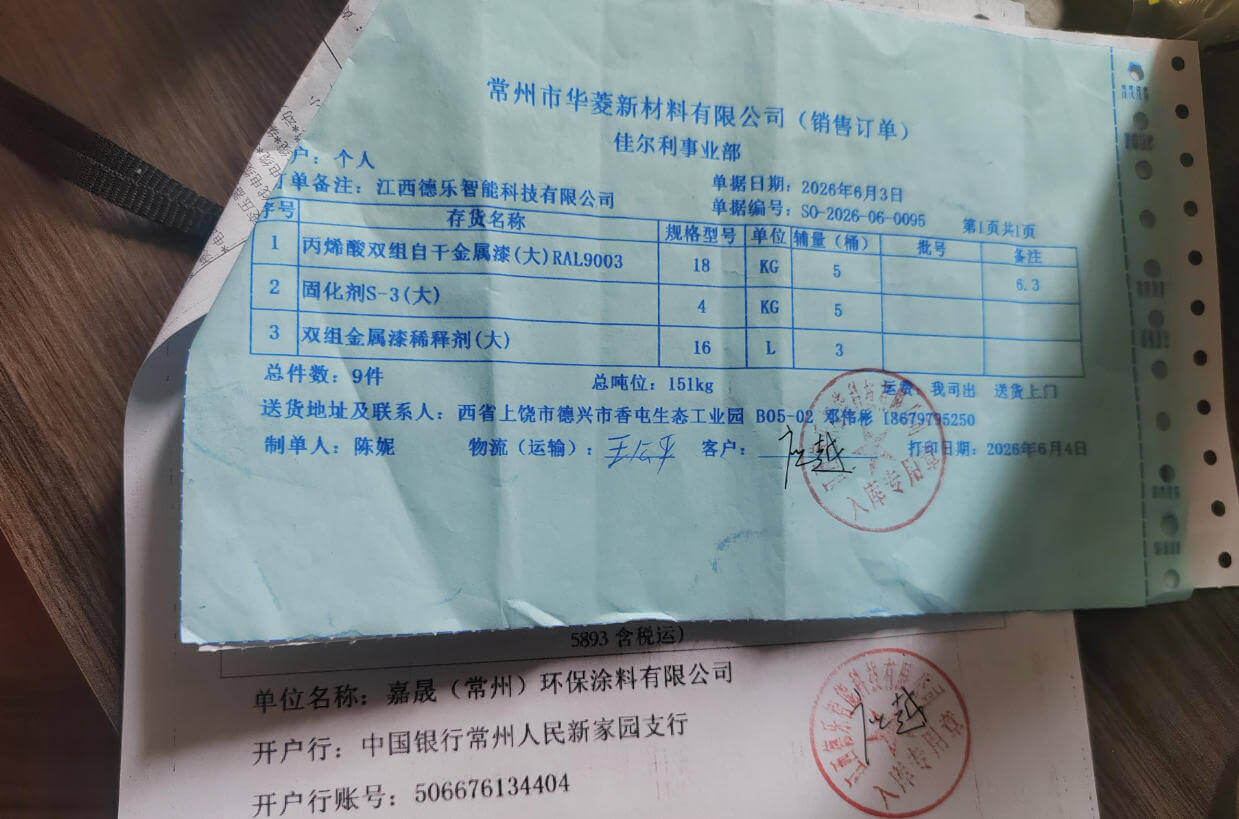
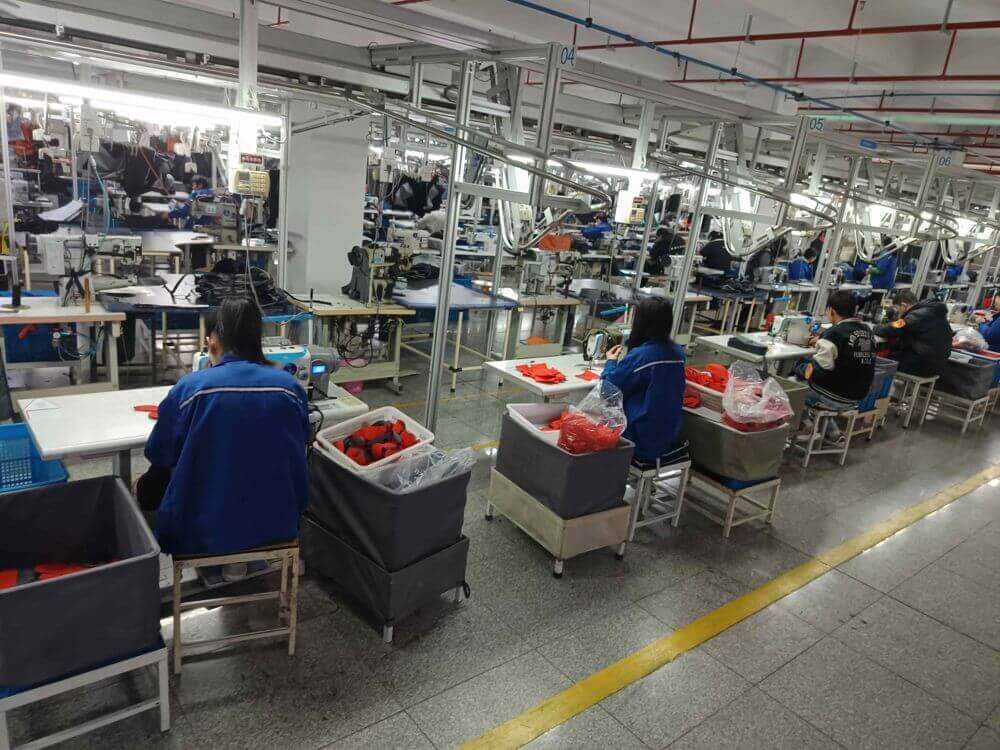
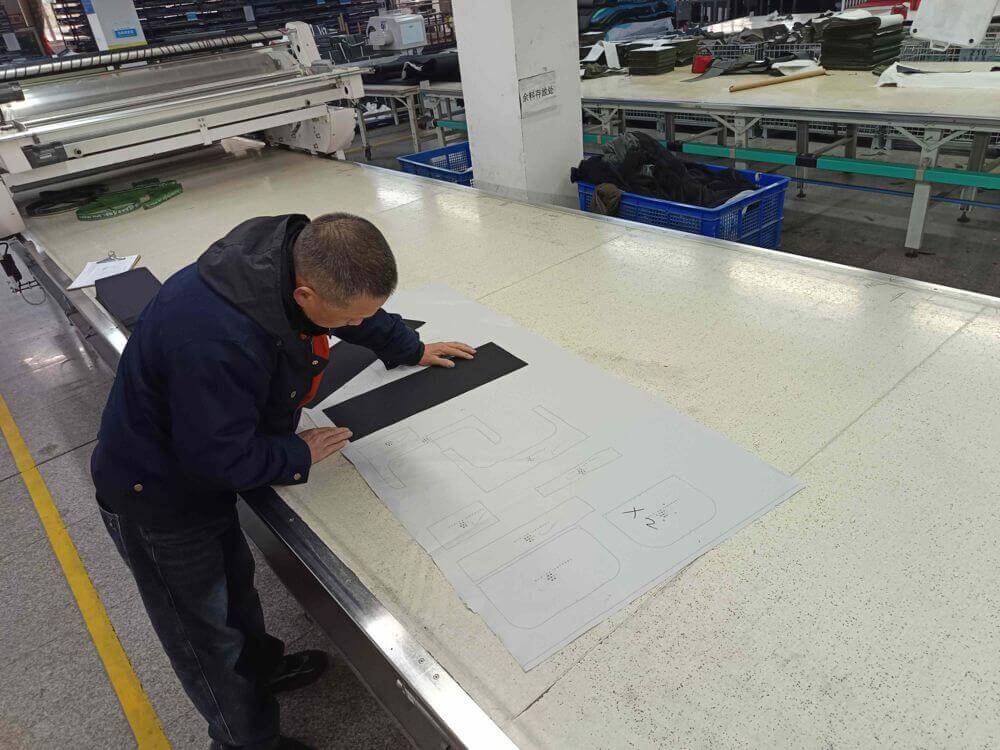
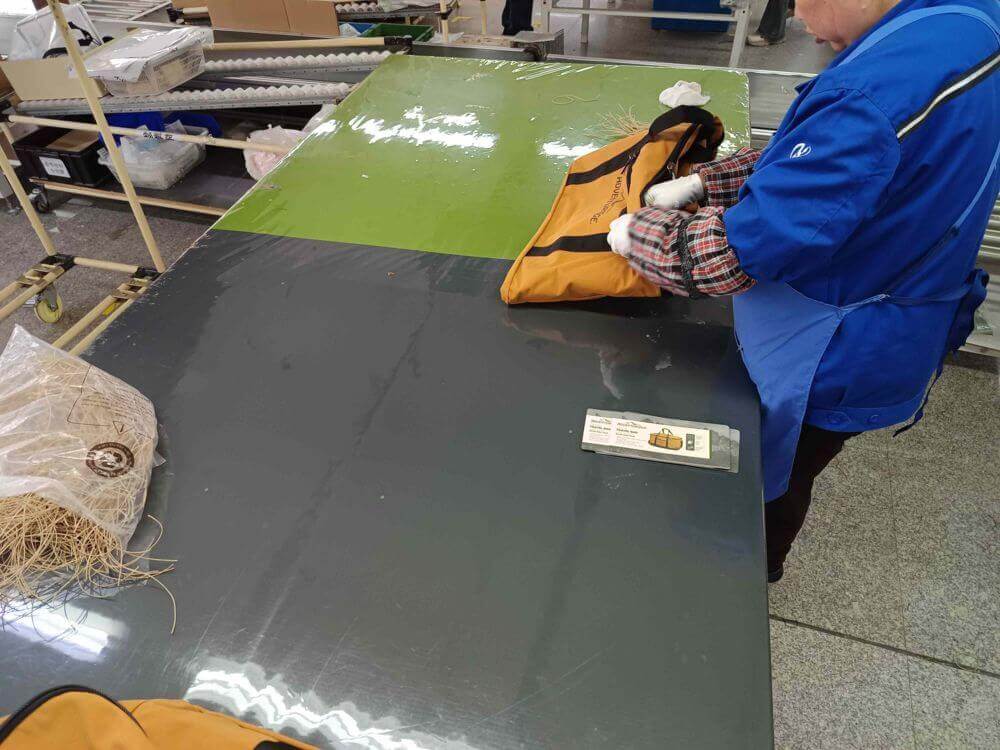
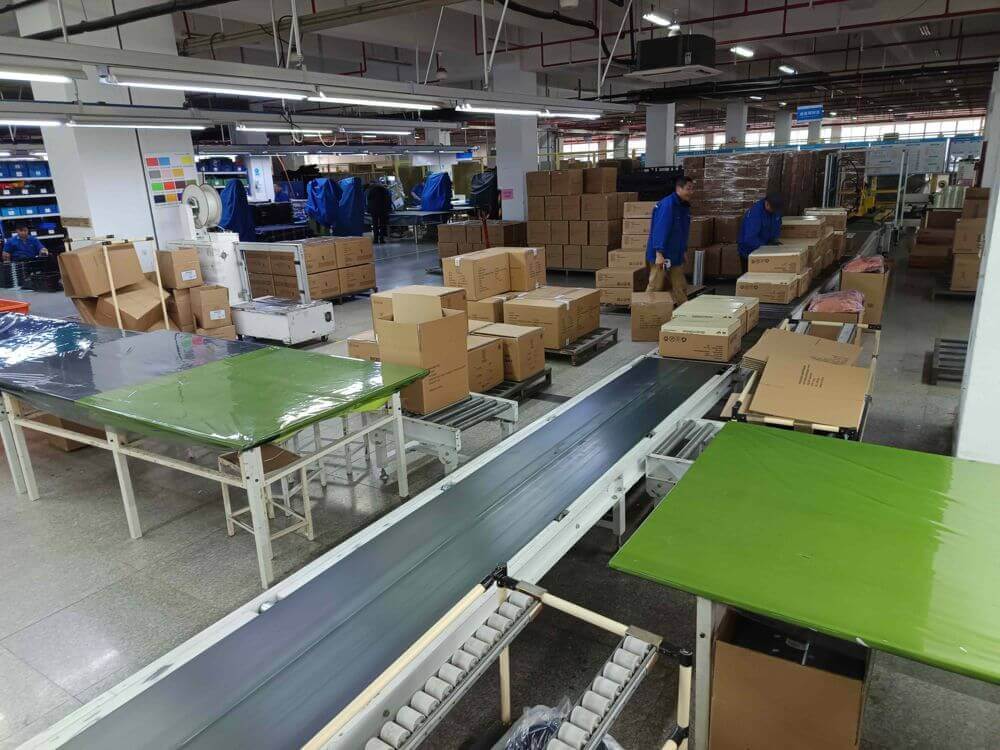
The factory tells you they have IQC, IPQC, and FQC. What we verify: incoming inspection methods and records, in-process inspection frequency and conditions, and final inspection standards with documented evidence. One missing checkpoint equals one open risk for your shipment.
During an audit, we found a factory with zero incoming inspection — materials entered the warehouse on purchase receipts alone. In-process QC was "workers check their own work," but piece-rate workers maximizing output had no time for quality. The final inspection consisted of grabbing one or two products off the packing line and testing the function — no measurement, no AQL sampling, no record. From start to finish, not a single professional QC activity. This is the invisible killer: it doesn't cause defects at the factory gate — it causes returns, complaints, and brand damage in the market.
Comprehensive-Only Deep Dives
The following critical checks are NOT included in the $199 Swift Audit. They are the core barriers of our Comprehensive Evaluation, designed to plug the most hidden risks in your supply chain.
1. Environmental & Hazardous Waste Compliance (EHS) — Legal Red Lines
We verify the factory's EIA (Environmental Impact Assessment) approval, Pollution Discharge Permit, and Environmental Acceptance Inspection certificate. On-site, we inspect hazardous waste storage for secondary spill containment (trays/pallets), check all chemicals for accompanying MSDS, and review operational logs for wastewater/gas treatment facilities. These are one-veto items — failure here can shut the factory down and trap your molds inside.
2. Sharp Tool / Broken Needle Control (Apparel, Footwear, Toys)
This is a zero-tolerance policy in apparel, footwear, and toys. We audit the daily Sharp Tool Issuance & Return Log to verify the "new for old" exchange system. We reconcile: Issued = Returned + Scrapped — ensuring 100% traceability and eliminating the risk of broken needles contaminating finished goods.
3. Pest Control & Environment Monitoring (Food, Cosmetics, Medical)
For food-contact, cosmetics, and medical devices, we check the placement of insect traps, rodent barriers, and glue boards. We also verify temperature/humidity data loggers are operational, ensuring storage and production environments meet product protection standards against microbial contamination.
4. Subcontracting Control & Real Capacity Verification
We don't just count machines. We calculate the actual machine utilization rate by comparing available shift hours against scheduled production. We identify the bottleneck operation that limits daily output. Simultaneously, we review the factory's subcontractor approval workflow — "Who authorizes outsourcing? How do you QC subcontracted batches?" — ensuring your order stays within the facility you approved.
5. Business Ethics & Integrity (Anti-Corruption & Conflict of Interest)
We verify factory governance: Does management sign annual Conflict of Interest declarations? Is there a written Anti-Bribery / Anti-Corruption policy? Are anonymous whistleblower channels (hotline or suggestion box) available and protected against retaliation? These checks protect your brand from corruption risks that no product inspection can catch.
6. CAPA (Corrective & Preventive Action) — Verifiable Closure Loop
We don't just list non-conformities. We provide a structured CAPA tracking table where the factory must document: Root Cause Analysis, Proposed Corrective Actions, Responsible Person, Deadline, and attached photo evidence. Our auditor follows up to verify closure — ensuring risks are genuinely eliminated, not just noted on paper.
7. Confidential Employee Interviews (Management-Free Verification)
We conduct one-on-one private interviews with frontline workers, strictly without management present. We cross-verify actual working hours, overtime pay compliance, deposit/ID confiscation issues, and any history of corporal or verbal abuse. This is the only effective way to uncover hidden labor violations.
Big Factory = Better Quality? What a Factory Audit Actually Reveals
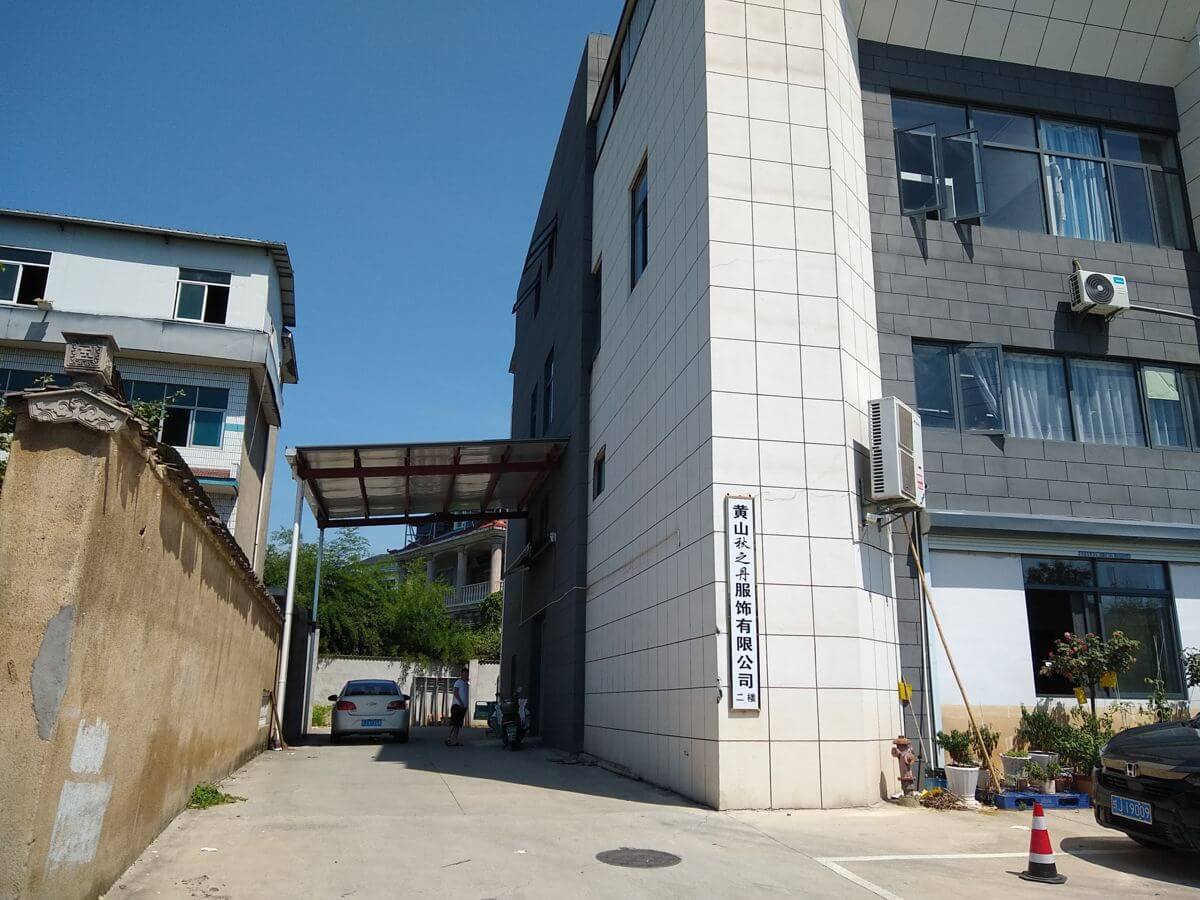
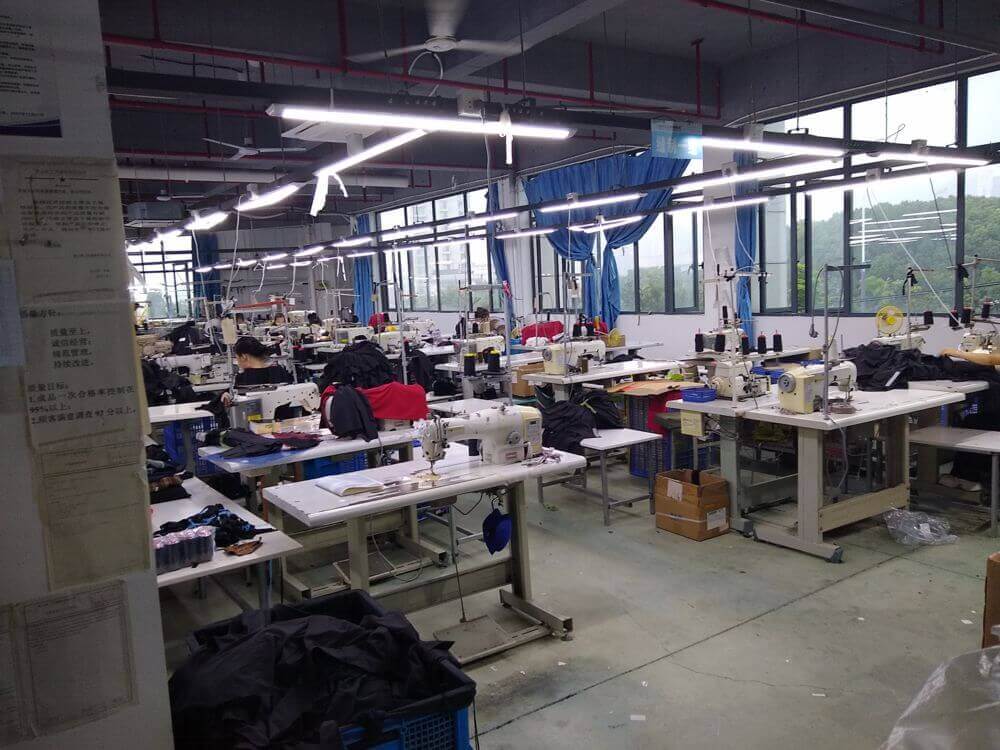
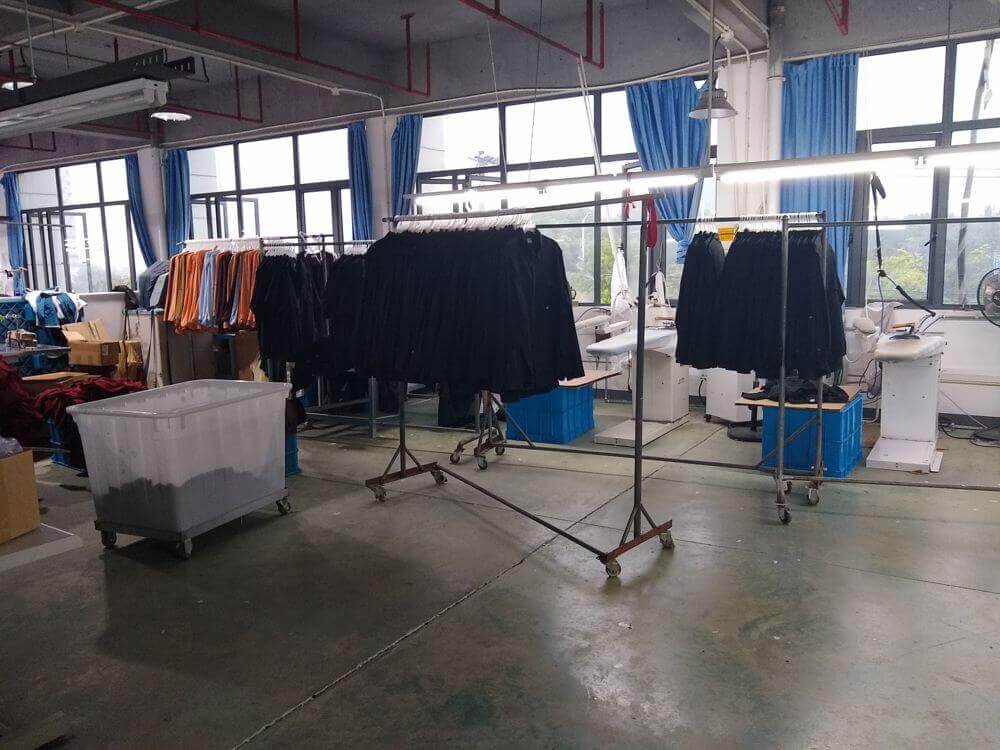
Many buyers default to the assumption that bigger factories mean better quality. Reality often disagrees. Large factories juggle many clients and tight schedules. If your order isn't from a top-tier client, your production may get outsourced to a partner facility — with extended lead times and quality you didn't sign up for.
Meanwhile, our audits frequently uncover hidden-gem small and mid-sized factories — operations that specialize in one narrow category and execute it flawlessly. Take a mid-sized garment factory we assessed: they produce only high-end dress shirts. Every hire, every piece of equipment, every training session revolves around that single product. Quality is consistent. Delivery is on time. And unsurprisingly — so is their client base.
A proper factory audit doesn't judge by square footage. It matches production capability to your product — regardless of factory size.
What Is a Factory Audit?
A factory audit is performed by an experienced auditor following the internationally recognized ISO 9000 standard for quality management systems. It identifies and evaluates vendors capable of meeting your production and quality requirements, operating efficiently, and supporting continuous improvement.
As part of broader China Inspection Services, a supplier audit is the first risk-reduction step in your supply chain — verifying that a factory can actually deliver, before you commit to an order. It's not a tour. It's a systematic verification against a structured checklist.
Why Choose CNQ for Your Factory Audit in China?
Choosing the right supplier is both difficult and critical. Our audit process matches production capability, performance, and professionalism with your expectations. This requires an in-depth assessment of policies, management procedures, and on-the-ground evidence that the vendor can actually deliver — not just talk about it.
What We Check During the Audit
Our auditor evaluates every dimension against a structured checklist on site:
- Factory Profile: Name, contact details, business licenses, and registration
- Employees & Workforce: Management structure, QC personnel, worker headcount and qualifications
- Facility Check: Offices, equipment condition, production line layout, and capacity
- Clients & Experience: Trade history, sample evaluation, and major client references
- Documents Verification: Licenses, certificates, and compliance documentation
- Management System: Design control, purchasing control, storage management, incoming inspection, production control, final internal product inspection & testing, control of measuring & testing equipment, resource management, and continual improvement
Key Benefits of a Pre-Production Factory Audit
- Verify the factory's experience in manufacturing your product category
- Check required certificates and licenses for the specific factory
- Compare potential vendors and select a viable, qualified source
- Avoid scams and inexperienced vendors before money changes hands
Factory Audit Checklist/Scoring Framework
Each dimension is scored with a weighted value, producing a comprehensive evaluation out of a total 100 points:
Choose Your Audit Depth
Verification & Infrastructure Check
Deep-Dive: QMS, GMP, EHS, Ethics & SA
| No. | Audit Item | Weight |
|---|---|---|
| 1 | Quality Management System | 20 |
| 1.1 | ISO Certification | 5 |
| 1.2 | Quality Manual & Procedures | 5 |
| 1.3 | Document Control | 5 |
| 1.4 | Internal Audit | 5 |
| 2 | Production Control | 25 |
| 2.1 | Production Planning | 5 |
| 2.2 | Process Control | 5 |
| 2.3 | Equipment Maintenance | 5 |
| 2.4 | In-line QC | 5 |
| 2.5 | Traceability | 5 |
| 3 | Incoming & Outgoing QC | 20 |
| 3.1 | Incoming Inspection | 7 |
| 3.2 | Storage Conditions | 6 |
| 3.3 | Final Inspection | 7 |
| 4 | Facility & Environment | 15 |
| 4.1 | Factory Layout | 5 |
| 4.2 | Safety & Fire | 5 |
| 4.3 | Hygiene | 5 |
| 5 | Social & Labor Rights | 12 |
| 5.1 | Working Hours, Wages, Child Labor | 7 |
| 5.2 | Staff Interviews & Grievance | 5 |
| 6 | EHS & Business Ethics | 8 |
| 6.1 | EIA Permit, Wastewater, Hazardous Waste, MSDS | 4 |
| 6.2 | Anti-Corruption & Whistleblower Policy | 4 |
| Total Score | 100 | |
Supplier Performance Scorecard
Beyond the audit score, we provide a weighted supplier performance scorecard across five dimensions:
| No. | Category | Criteria | Weight |
|---|---|---|---|
| 1 | Quality | Product quality compliance rate | 15 |
| 2 | Defect rate control | 9 | |
| 3 | CAPA implementation | 6 | |
| 4 | Delivery | On-time delivery rate | 12 |
| 5 | Packaging quality | 6 | |
| 6 | Order flexibility | 6 | |
| 7 | Price | Price competitiveness | 9 |
| 8 | Payment terms | 6 | |
| 9 | Service | Communication responsiveness | 5 |
| 10 | After-sales support | 5 | |
| 11 | Technical capability | 6 | |
| 12 | Compliance | Certifications & licenses | 6 |
| 13 | Social compliance | 6 | |
| 14 | Environmental compliance | 3 | |
| Weighted Total Score | 100 | ||
Social Compliance Audit
What Is a Social Audit?
The Corporate Social Audit verifies that a factory adheres to internationally recognized social responsibility standards and SA8000 benchmarks, ensuring you do business with facilities where social rights are respected.
We provide a rational, cost-effective solution to avoid social compliance issues. Starting a proactive sustainable procurement approach is valuable for both you and your clients. Our native-language auditors use a multi-pronged investigative approach — confidential staff interviews, records analysis, and comprehensive on-site evaluation against globally recognized benchmarks — to determine what kind of factory you are about to do business with, and whether it is socially accountable. All of this protects your brand and company image.
Social compliance audits focus on the following checklist per SA8000 standards:
- Health and Safety
- Disciplinary Practices
- Discrimination
- Compensation
- Management Practices
- Forced Labor
- Freedom of Association
- Child Labor Laws
- Working Hours and Environment
Key benefits: save time and secure your business. Compare potential vendors and choose the right one. Understand how far a vendor is from SA8000 certification. Avoid factories with dangerous working conditions, child labor, and other compliance failures.
C-TPAT Security Audit
C-TPAT is a joint US government and business voluntary program that builds cooperative relationships to ensure all merchandise shipments bound for the United States are handled in accordance with C-TPAT requirements — improving supply chain security against terrorism.
Our qualified auditors independently assess the security and commercial processes of your business partners. We go on-site and gather the information you need to ensure C-TPAT compliance.
The following conditions are audited for C-TPAT compliance:
- Vital Items
- Conveyance Security
- Container Security
- Physical Access Controls
- Personnel Security
- Procedural Security
- Physical Security
- Security Training and Threat Awareness
- Information Technology
- Awareness
- Security
| Audit Focus | Swift ($199) | Comprehensive ($358) |
|---|---|---|
| Factory Verification + License/Photos | ✅ Included | ✅ Included |
| Equipment List + Capacity Check | ✅ Included | ✅ Included |
| Deep-Dive QMS / GMP Audit | ❌ Not Included | ✅ Included |
| Social Compliance + Confidential Interviews | ❌ Not Included | ✅ Included |
| EHS: EIA, Permits, Hazardous Waste, MSDS | ❌ Not Included | ✅ Included |
| Sharp Tool / Broken Needle Log Reconciliation | ✅ Basic Check | ✅ Included |
| Subcontracting Control + Bottleneck/Capacity Analysis | ❌ Not Included | ✅ Included |
| Business Ethics (Anti-Corruption / Whistleblower) | ❌ Not Included | ✅ Included |
| Price | $199 | $358 |
*C-TPAT anti-terrorism security audit is a standalone add-on and not included in either package. Available upon request.