
What Is Container Loading Supervision (CLS)?
Container Loading Supervision (CLS) — also called Container Loading Check (CLC) or Loading Inspection — is an independent on-site verification performed while your goods are being loaded into the shipping container. An inspector from third-party inspection company verifies quantity against the packing list, checks the container condition, supervises stacking and securing, records the seal number, and photographs the entire process from empty container to sealed doors.
Qualified inspectors are trained in IICL container assessment, cargo stowage and bracing, ISO 17712 security-seal management, IMDG visual screening and reefer-container PTI pre-trip inspection. The result is a documentary record of what left the factory — and when.
"A container can carry perfect products and still deliver a disaster." — Short-loaded cartons, an unrepaired roof hole, cargo left loose in the void: none of it is visible once the doors are sealed. CLS is the only point in the supply chain where these failures can still be caught.
Why Container Loading Supervision Matters
Pre-shipment inspection confirms that the product meets specification. It does not confirm what actually goes into the container. Between the factory floor and the vessel, cargo can be short-loaded, substituted, damaged during handling, or left unsecured inside the container. These failures surface weeks later at the destination warehouse — when rework is impossible and the freight has already been paid.
Container Loading Supervision places an independent inspector at the factory or warehouse on the day of loading. For many buyers it is also the last verification step before releasing final payment to the supplier: where payment terms are tied to shipment, the CLS report is the trigger document — documentary evidence of what was loaded, before the balance is transferred and the container sails.
In our field experience, non-conformities at loading sites concentrate in five areas:
- Quantity mismatch — loaded cartons vs. packing list
- Container defects — holes, rust, moisture, odour
- Inadequate securing — void spaces, no bracing, loose cartons
- Packaging damage — crushing and scuffing during handling
- Seal discrepancies — wrong or unrecorded seal numbers
None of these are visible after the container is sealed. Every one of them requires an inspector present during loading.
Container Loading Supervision Process — What the Inspector Executes on Loading Day
The following steps are the standard baseline for a third-party loading check. Parameters are adjusted per product category, destination market requirements and your written specification — the check-list, witness-scope and halt-loading trigger criteria are confirmed with you line-by-line before loading day.
Pre-Loading Documentation Review
The inspector reviews the packing list, purchase order and shipping instructions before loading begins. Expected carton count, SKU mix and shipping marks are confirmed. Any discrepancy between the packing list and the purchase order is flagged before a single carton moves.
Container Condition Check
Before loading, the container is examined inside and out: floor (holes, moisture, delamination, debris), roof and side walls (perforation, rust penetration, torch light-leak test), doors (gasket integrity, locking-bar function), interior cleanliness (odour, residue, insects). For reefers: PTI pre-trip check, temperature set-point, air-duct and door-seal integrity. A container that fails is rejected before loading starts.
Pre-Loading Storage Environment Screening
A rapid visual screening of where the goods were held before loading: off-ground storage, overhead and wall protection, stacking height vs. carton compression rating, signs of moisture, mould or musty odour, contamination sources and storage duration. This is a screening check — not a full warehouse audit — focused on conditions that could have compromised the goods before loading.
Pre-Loading Carton Inspection
A random sample of cartons is opened to verify the product inside matches the order specification, following ANSI/ASQ Z1.4 General Inspection Level II. Carton condition is checked for crushing, water damage and deformation; shipping marks are verified against your specification; barcodes are scanned and matched against order data where required.
Loading Process Supervision
The inspector is present throughout loading: stacking pattern (heavy at the bottom, no stacking against the door opening), weight distribution across the container floor, pallet and slip-sheet handling. Photos are taken at the empty-container stage, at 1/4, 1/2 and 3/4 progress, and at full load. Handling damage is photographed and recorded on the spot.
Cargo Securing Verification
After loading, void spaces are checked for dunnage, airbags or bracing; pallets are checked for securing where required. The final stow is photographed with all securing materials in place. Loose cargo in a moving container shifts, topples and crushes — unsecured cargo is recorded as a Major non-conformity.
Seal Application and Recording
The doors are closed and sealed with an ISO 17712 high-security bolt seal. The inspector records the seal number, photographs the sealed door with the number clearly visible, and confirms the seal is intact. For multiple containers, each seal number is recorded separately — a chain-of-custody record from factory to destination port.
Time, Vehicle and Weather Recording — then the Report
Loading start/finish times, container arrival time, truck license number, container registration number and weather conditions are recorded, and cross-checked against transport documents. If loading happens in rain, rain-protection measures are verified — see rain-loading conditions for how wet-weather loading is handled. The full English report follows within 24 hours.
Key On-Site Checkpoints — Loading-Day Checklist and Acceptance Criteria
The table below consolidates the full baseline in one view — the independent loading inspection method, the acceptance criterion and the scope of every checkpoint. It is the same framework our inspectors carry on site, adjusted to your product category and written specification before loading day.
| Checkpoint | Inspection Method | Acceptance Criteria | Sample / Scope |
|---|---|---|---|
| Container floor condition | Visual inspection from inside | Dry, sound — no holes, moisture, delamination or debris | Full container |
| Container roof and walls | Torch light-leak test from inside | No perforation, no light leaks, no rust that compromises container integrity | Full container |
| Door gaskets and locking bars | Visual and functional check | Gaskets intact, locking bars functional | Full container |
| Interior cleanliness and odour | Visual and olfactory check | No odour, residue, insects or previous-cargo debris | Full container |
| Pre-loading storage environment | Rapid visual screening of storage area | Goods stored off-ground, no signs of moisture or mould, stack height within carton compression rating | Storage area and sampled cartons |
| Loaded quantity | Carton tally against packing list, item by item | Loaded quantity matches packing list; discrepancies flagged "Special Attention" | 100% of loaded cartons |
| Carton shipping marks | Visual check against buyer's specification | Marks match specification | 100% of cartons |
| Carton condition | Visual check for crushing, water damage, deformation | No crushing, water damage or deformation | Sampled cartons |
| Product inside cartons | Open sampled cartons; verify against order specification | Product matches order specification | Sampled cartons (ANSI/ASQ Z1.4 Level II) |
| Stacking pattern | Supervise loading | Heavy at the bottom, light on top, no stacking against the door opening | Full loading process |
| Weight distribution | Monitor loading across the container floor | Even distribution — no concentration at one end | Full loading process |
| Cargo securing | Verify dunnage, airbags, bracing in void spaces | No loose cargo, no significant void space | Full container after loading |
| Seal application | Record ISO 17712 seal number, photograph sealed door | Seal intact, number recorded in the report | Each container |
| Loading time, vehicle and weather | Record start/finish times, truck license number, container number, weather | Rain protection in place if loading in rain | Full loading process |
| Reefer unit (where applicable) | PTI pre-trip check: cooling function, set-point, air ducts, door seal | Temperature set-point matches requirement, unit functional | Each reefer container |
| Dangerous goods (where applicable) | Visual check of UN packaging marks, hazard labels, segregation | Marks and labels present, segregation per IMDG documents | DG-labelled packages |
These are baseline criteria. For every assignment, the acceptance rules and halt-loading triggers are agreed with you in writing before loading day — see custom protocol development below.
Quantity and Documentation Verification
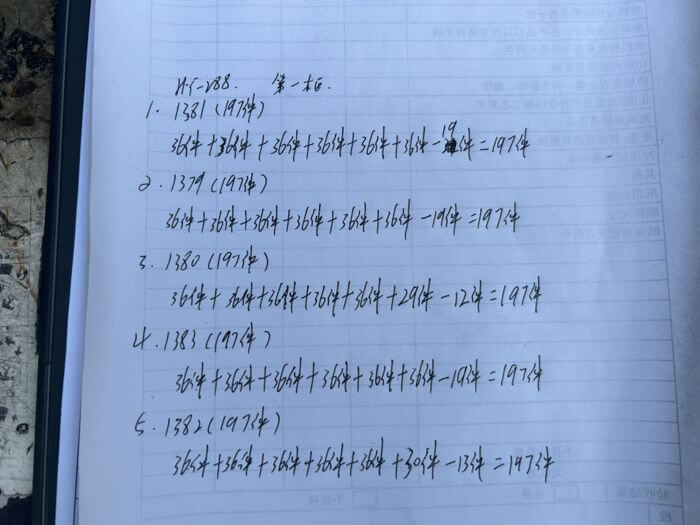
The inspector matches loaded quantities against the packing list and purchase order, item by item and container by container. Carton counts are recorded per SKU, per colour and per size where applicable. Shipping marks are checked against your specification. Any discrepancy between loaded quantity and packing list is flagged as a "Special Attention" item — a separate section at the end of the report listing what you must verify before releasing payment.
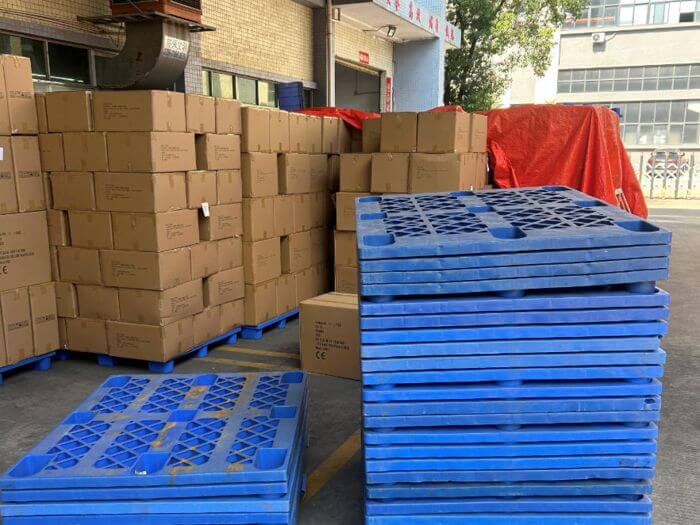
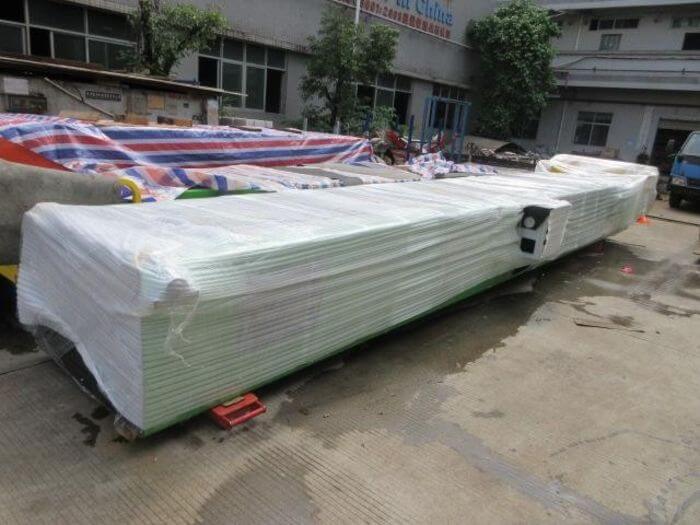
Pre-Loading Storage Environment Screening
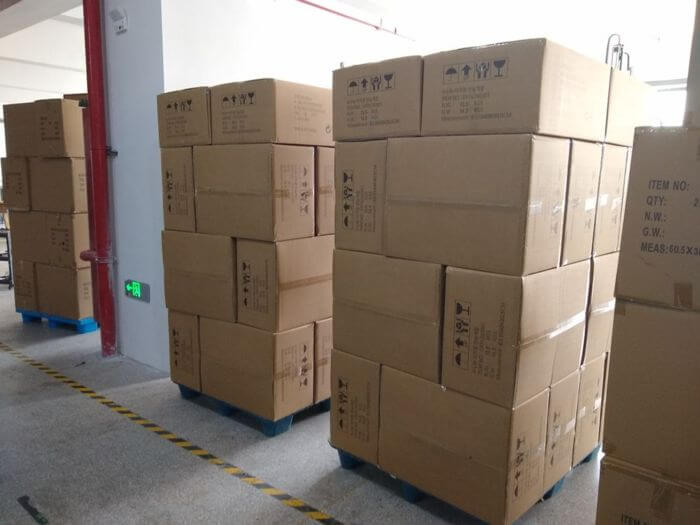
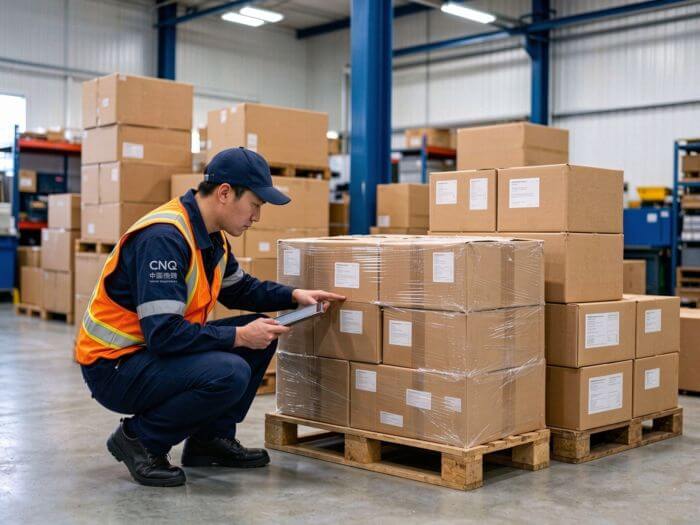
Before loading begins, the inspector performs a rapid visual screening of the storage area where the goods have been held. Goods stored directly on a concrete floor, under leaking pipework, or in stacks exceeding the carton compression rating can arrive at the container already compromised — and once the doors close, that damage is invisible until destination.
Screening covers: off-ground storage, overhead and wall protection, stacking height, bottom-layer carton condition, signs of moisture or mould (particularly for textile, paper, wood and food-contact products), odour and contamination sources, and storage duration. Any finding indicating pre-loading storage damage is photographed and classified as a Major non-conformity where it could affect the shipment in transit.
Container Condition Inspection
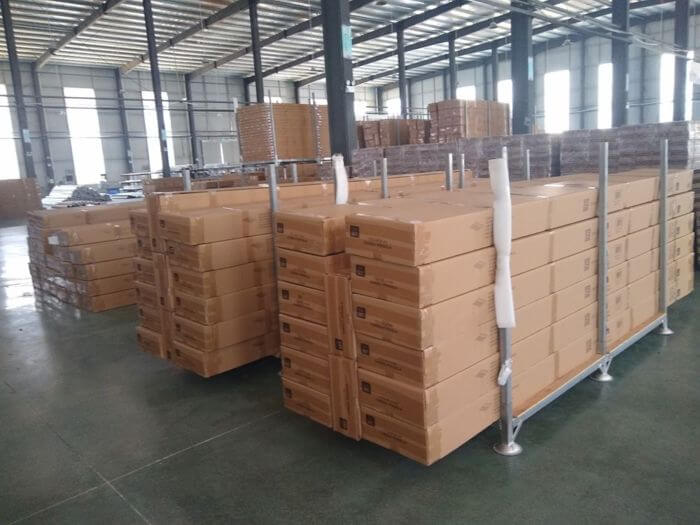
A container with a compromised roof or floor allows water ingress during ocean transit, ruining moisture-sensitive cargo. A container with residual odour from a previous shipment taints food or textile products. Before loading begins, the inspector checks the container inside and out — and rejects any container that fails.
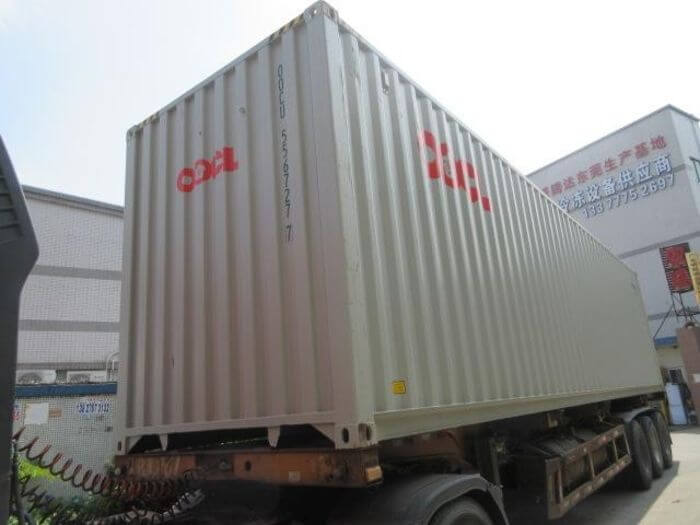
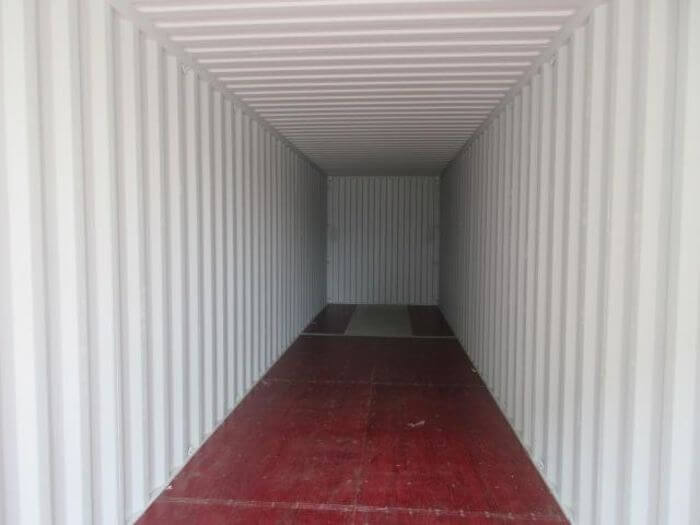
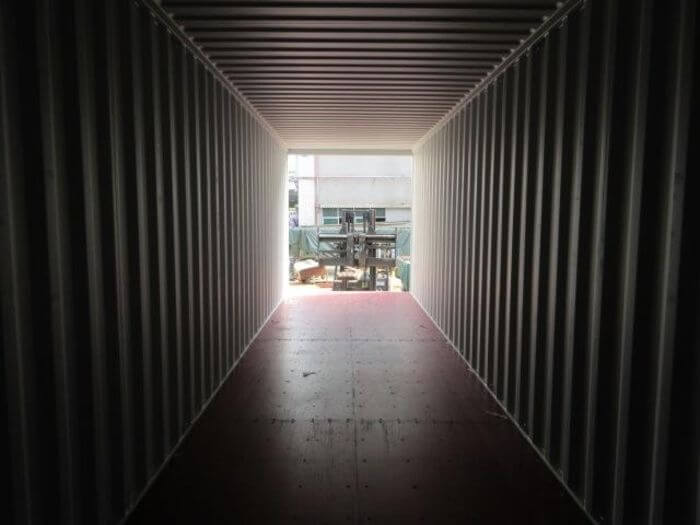
The light-leak test is where roof damage gets caught: from inside a darkened container, the inspector uses a torch to spot pinhole perforations that are invisible from ground level — the exact defects that let rain and sea spray in during transit. Door gaskets and locking bars are checked for function, and the interior for odour, residue, insects and previous-cargo debris.
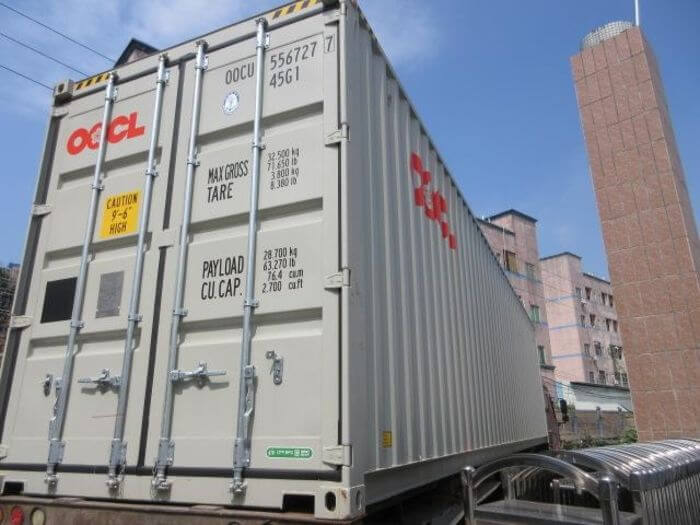
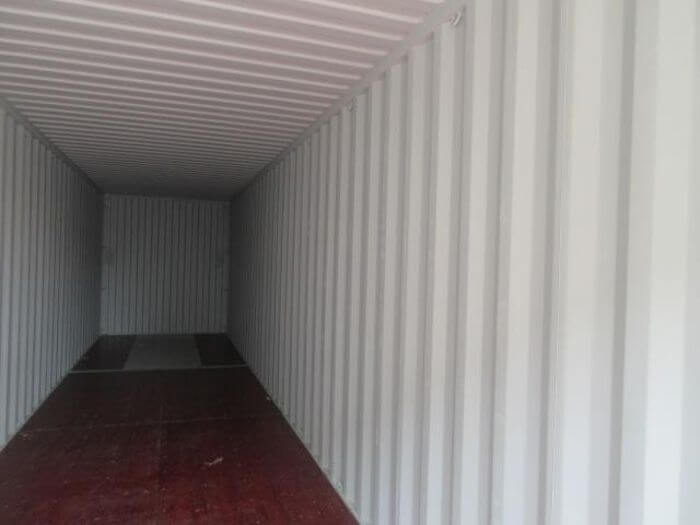

For refrigerated (reefer) containers, the inspector additionally performs the PTI pre-trip inspection: cooling-unit function, target temperature setting, air-circulation ducts and door-gasket integrity. On-site reefer checking covers visual and functional verification only — not laboratory calibration of the refrigeration unit.
Loading Process Supervision and Cargo Securing
The inspector supervises the entire loading sequence: carton stacking pattern, weight distribution, use of pallets or slip sheets, and handling practices. Improper stacking — heavy cartons on top of light ones, or cartons stacked against the door opening — is corrected before the container is sealed. Photos document progress at every stage.
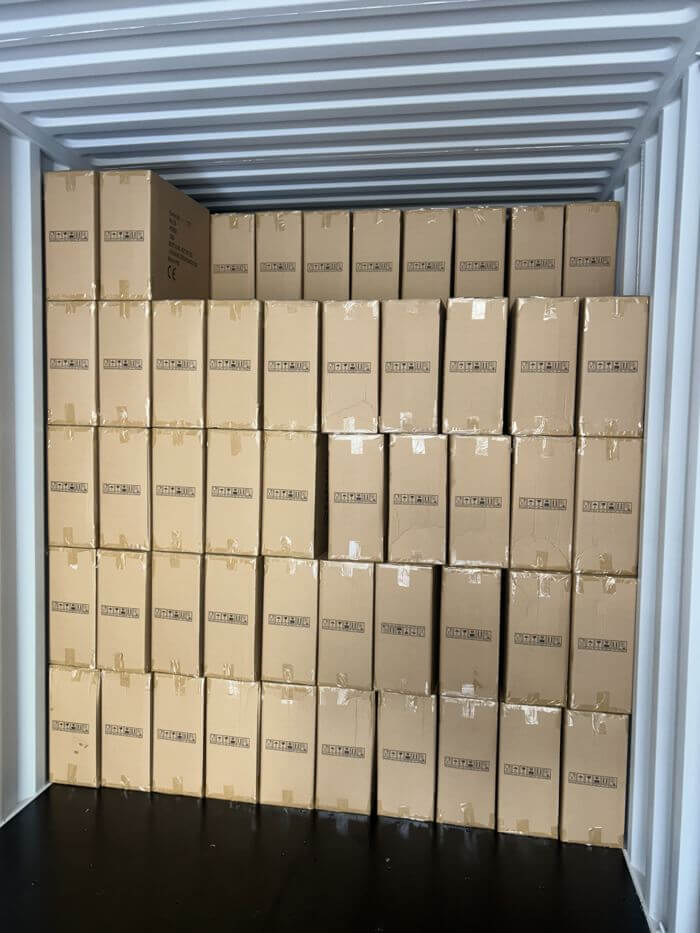
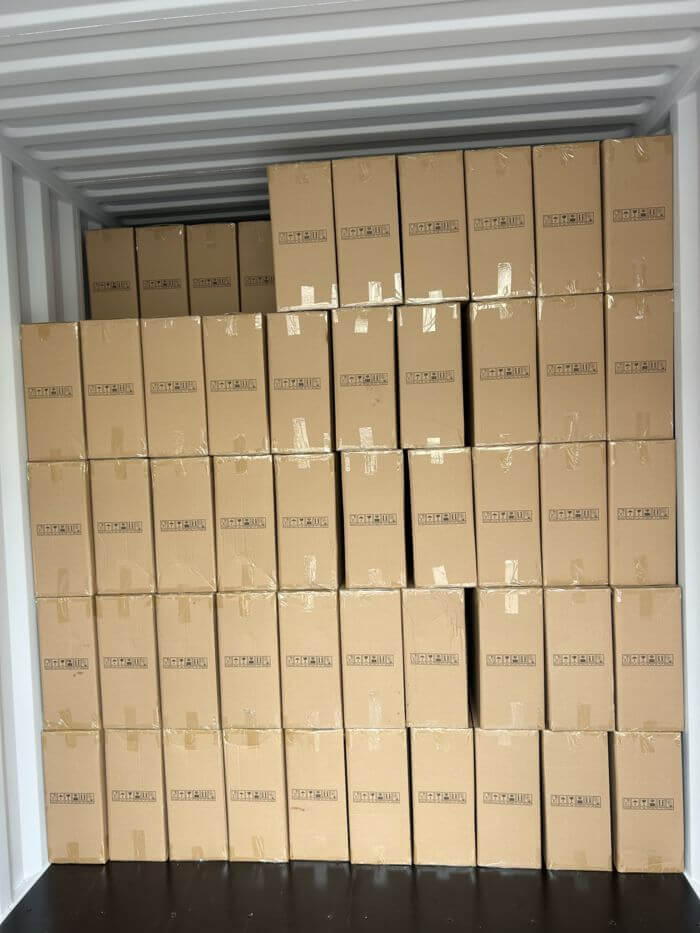
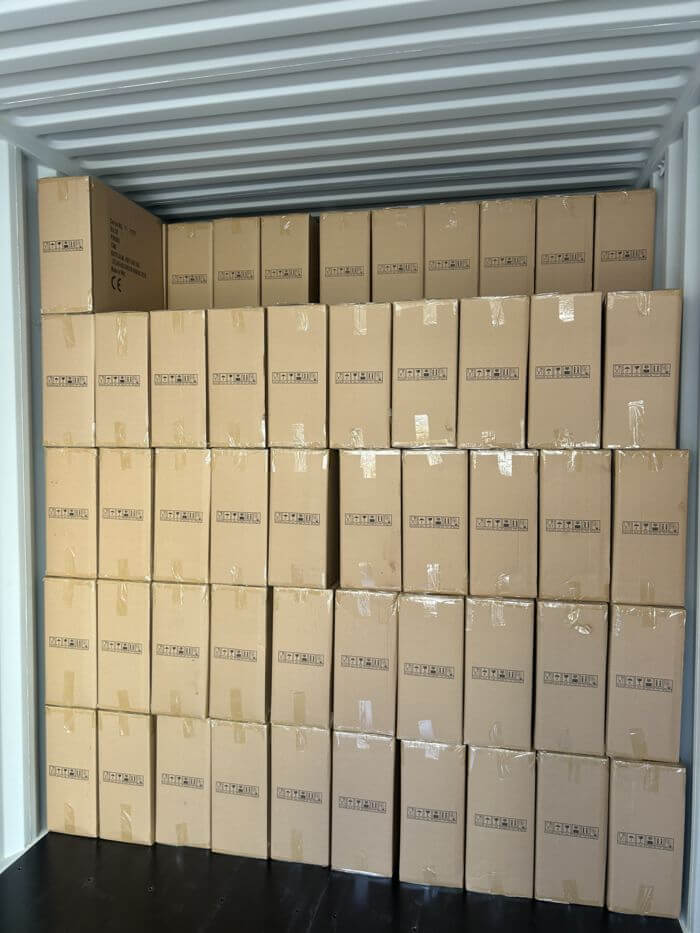
After loading, the inspector verifies that void spaces are filled with dunnage or airbags, cartons are braced against movement, and pallets are secured where required. Loose cargo in a moving container shifts, topples and crushes — the cost of airbags at the factory is negligible compared with a crushed shipment at destination.
Seal Number Recording and Container Sealing
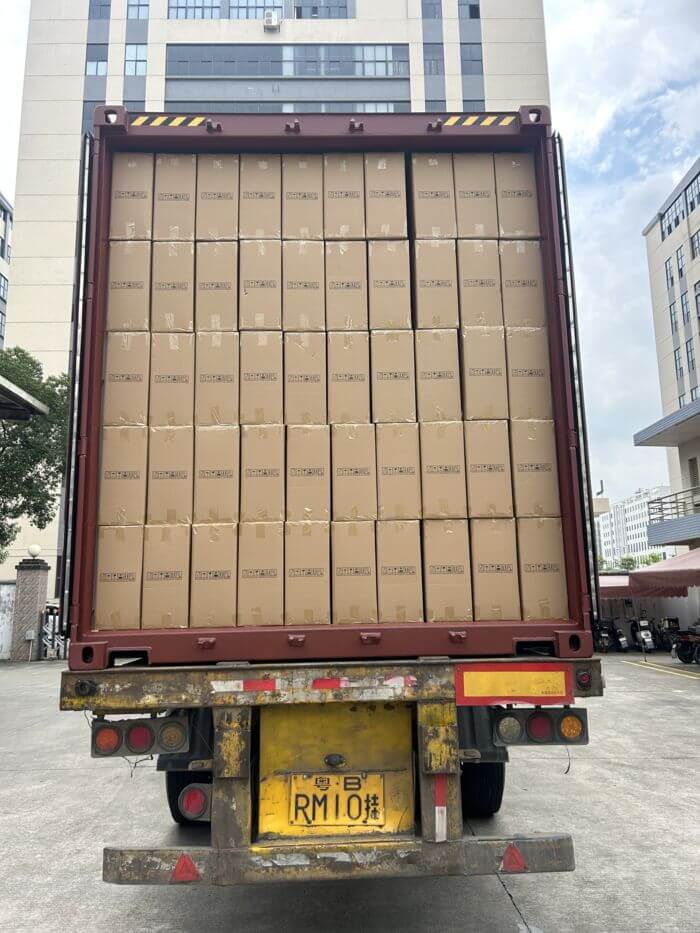
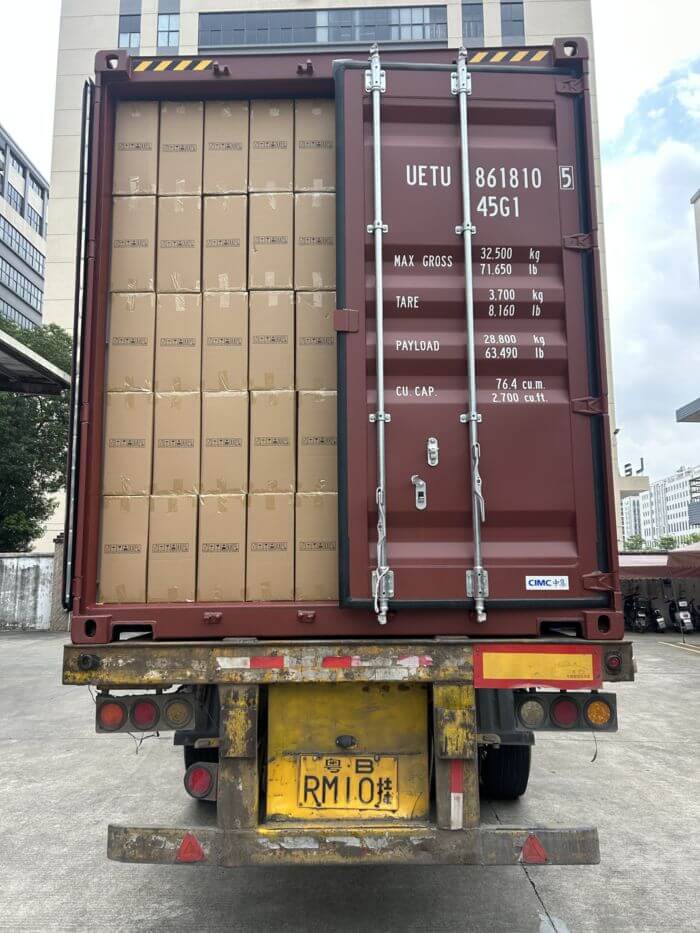
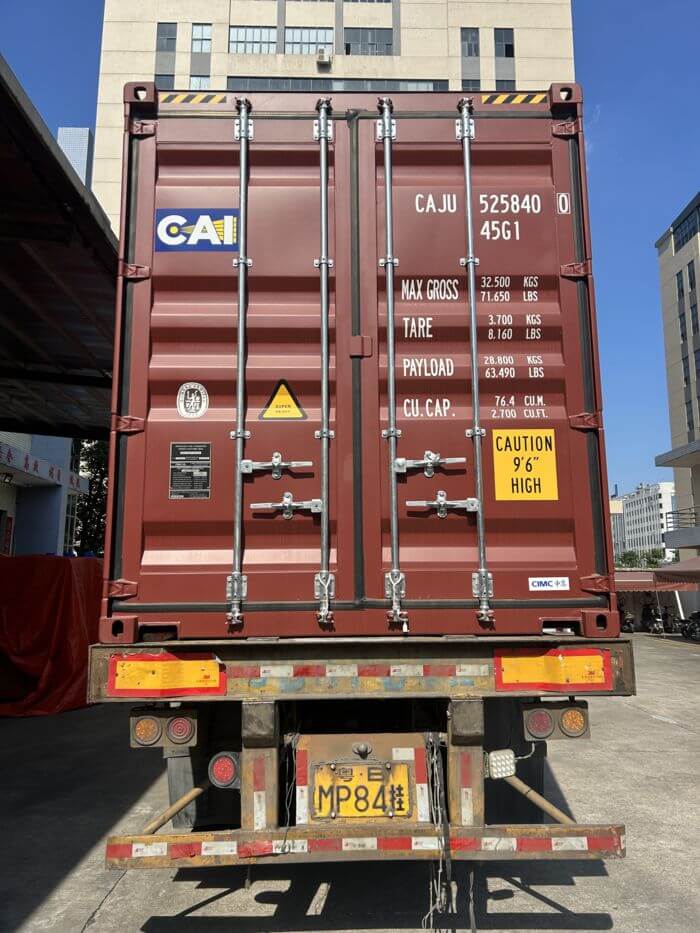
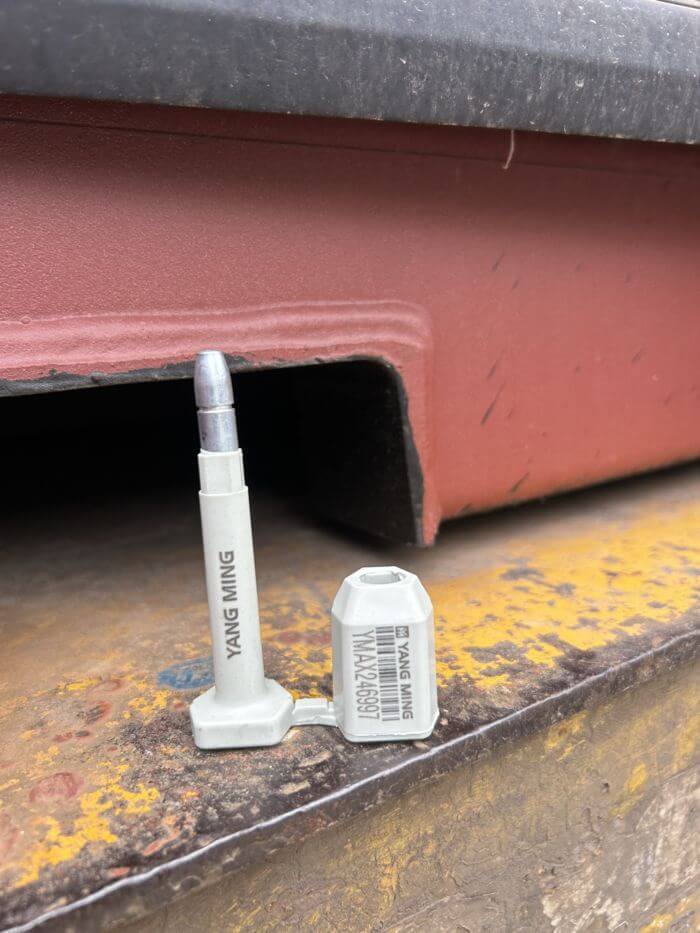
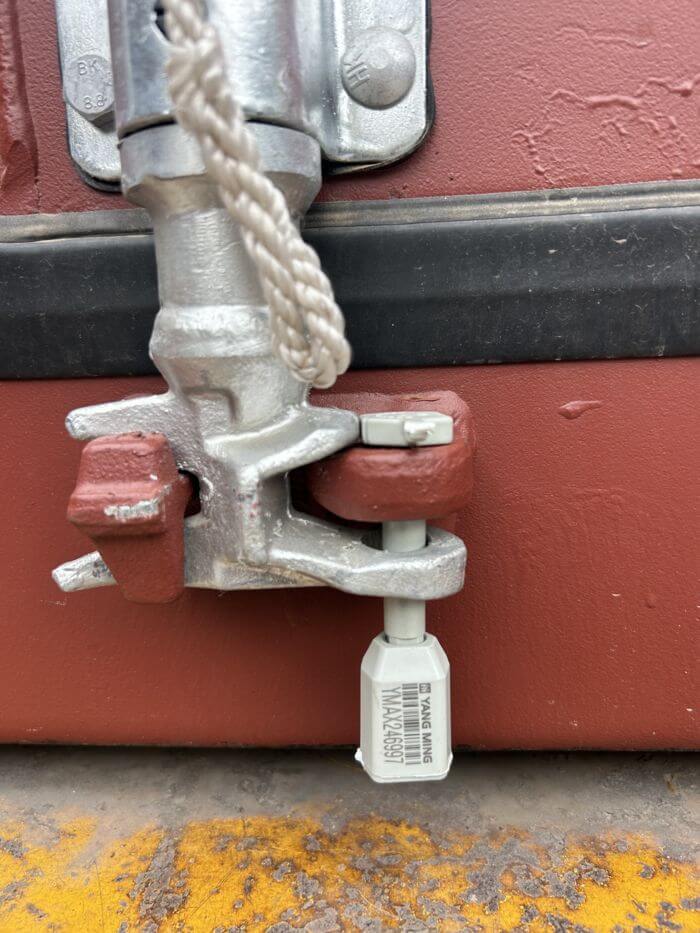
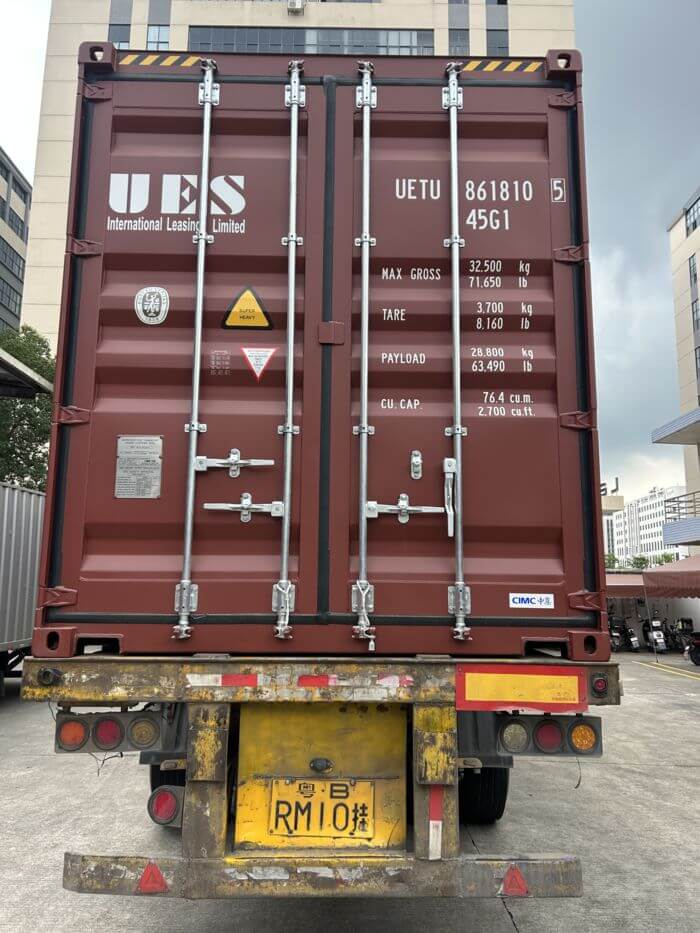
After loading and securing are verified, the container doors are closed and sealed with an ISO 17712 high-security bolt seal — the international standard for tamper-evident freight-container seals. The inspector records the seal number, photographs the sealed door with the number clearly visible, and confirms the seal is intact. The seal number in the report provides a chain-of-custody record from your factory to the destination port: if the seal number at arrival differs from the report, you have documented evidence of when the container was last verified intact.
Rain-Loading Conditions — The Highest-Risk Scenario on a Loading Day
After 17 years of on-site container loading supervision in China, rain remains the loading-day condition our inspectors are most cautious about. Of all the ways a loading day can go wrong, it is the hardest to fully control. Most Chinese factories do not have a covered loading bay large enough to shelter a full 40HQ container during loading. Loading typically takes place in an open yard or along a partly sheltered dock — and even with the fastest handling, some cartons will get wet.
The problem is not the surface moisture itself. It is what happens once the doors close. A container is a sealed, non-ventilated steel box: wet cartons loaded into that box release moisture into the enclosed air over the following days at sea, raising internal humidity. For paper, textiles, wood, leather and food-contact materials, that humidity becomes visible damage — mould growth, softened corrugated cartons, warped panels, mildew odour.
For wood products in particular, our inspectors will refuse to load a wet batch into a sealed container — even where the visible surface damage is minor. Wet wood inside a sealed container develops mould within the first two weeks at sea, and the defect only becomes visible at destination, when remediation is impossible.
What the inspector does when loading happens in rain:
- Pause loading and wait out the rain where the factory can provide a canopy or tarpaulin shelter over the loading zone
- Inspect each carton for surface wetness before it enters the container, and isolate any carton showing moisture staining or softening
- Require re-palletising to a dry area where a batch is found to be water-affected
- Record the weather, the rain duration and any cartons loaded wet in the inspection report — as a "Special Attention" item for the buyer
The cost of waiting two hours for the rain to pass is trivial. The cost of a mould-affected container arriving at the destination warehouse is not.
Container Loading Supervision (CLS) vs. Pre-Shipment Inspection (PSI)
The two services answer different questions. A PSI asks: is the product good? A loading check asks: is the shipment right? Understanding the difference tells you which one — or both — your order needs:
| Pre-Shipment Inspection (PSI) | Container Loading Supervision (CLS) | |
|---|---|---|
| When performed | When goods are 100% produced and at least 80% packed | During the physical loading process |
| Focus | Product quality — workmanship, function, dimensions, AQL defect sampling | Loading integrity — carton tally, container condition, handling supervision, tamper-evident sealing |
| Method | AQL statistical sampling (ANSI/ASQ Z1.4) | Full container inspection and 100% carton tally |
| Report output | Defect classification (Critical / Major / Minor), pass/fail decision | Loading record, photo chain, seal number, quantity reconciliation |
| Does not cover | Loading process, container condition, seal integrity | Product quality, function testing, AQL sampling |
For most shipments, the optimal protection is PSI + CLS: the PSI verifies product quality before packing; the loading check verifies loading integrity before sealing. Together the two reports cover the full chain from production line to container door.
What a Loading Check Does Not Cover
A Container Loading Check is process-and-condition-based supervision, not a product quality inspection. Five things sit outside its scope:
- Product quality inspection — CLS is not a product inspection. Defect sampling and functional testing are the scope of a pre-shipment inspection using AQL sampling.
- Hidden defects inside un-opened cartons — the loading check samples cartons and verifies specifications, but cannot inspect every unit's workmanship or function.
- Full warehouse audit — the pre-loading storage screening is a rapid visual check, not a comprehensive assessment. For warehouse-level evaluation, a separate factory or warehouse audit is required.
- Loaded weight verification — unless a weighing scale is available on site. Where VGM (Verified Gross Mass) certification is required, the container must be weighed at a certified weighbridge; the report notes the VGM document reference where provided.
- Dangerous-goods survey and certification — the visual DG screening is not equivalent to an official DG survey or IMDG classification; chemical and safety testing is handled separately at CNAS-accredited laboratories.
CLS evaluates the loading site as witnessed on loading day. It cannot discover defects inside un-opened cartons, cannot verify the authenticity of factory-provided paper documents, and cannot eliminate damage that occurs after the container departs — heavy-sea conditions or carrier terminal mishandling. Findings represent the status witnessed on site, and are not a product certification.
Real Cases: How Loading Defects Reach the Destination
These patterns recur most often at container loading sites. Each case below is drawn from a real loading-supervision assignment; they are provided for technical reference and do not refer to any specific brand or client.
Quantity Mismatch: 504 Rolls Loaded Against a Packing List of 524
A jumbo stretch-film shipment to the EU across two 40HQ containers. The inspector counted 504 rolls on 18 pallets; the packing list specified 524 rolls on 22 pallets — a 20-roll gap. The factory claimed the reduction had been confirmed with the customer, but the inspector flagged it as a "Special Attention" item for the importer to verify. The same mismatch caught at loading is a packing-list correction. Caught at delivery, it is a dispute.
Container Roof Perforation Detected With a Torch
During a container condition check for a furniture shipment, the inspector found a pinhole perforation in the roof — invisible from ground level and unnoticed at the port. Under rain or sea spray, water would have entered and damaged the cartons. The container was rejected and replaced before loading began. A container that looks sound from the outside can have roof damage that only becomes apparent when the inspector is inside with a torch.
Cargo Loaded Without Securing in a Container With Void Space
For a textile shipment, all goods were stacked on plywood pallets, but after loading there was empty space at the top and rear of the container — and nothing securing the cargo. The inspector flagged the unsecured load before the doors closed, giving the importer grounds to demand proper bracing before the container left the factory. The cost of airbags or dunnage at the factory is negligible compared with a crushed shipment at destination.
Seal Number Mismatch at the Destination Port
After loading a container of electronics, the inspector recorded the seal number and photographed the sealed door. At destination, the consignee found the seal number on the container did not match the shipping documents. The report photograph proved the seal was correct at the moment of loading — the discrepancy occurred after the container left the factory. Without the loading record, there would have been no evidence to trace when the seal was changed.
Pre-Loading Storage Moisture Detected Before Loading
For a cotton textile shipment, the pre-loading storage screening found bottom-layer cartons stored directly on a concrete floor without pallets, with visible moisture staining on the lower carton faces — and condensation dripping from overhead pipework near the stack. Classified as a Major non-conformity: the goods were re-palletised and moved to a dry area before loading began. Left undetected, that moisture develops into mould during the weeks at sea — and into a customer rejection at destination.
Benefits from more product inspection cases →
Loading-Process Defect Classification
Container Loading Supervision is predominantly process- and condition-based supervision. Defect classification therefore focuses on loading-process non-conformities, while carton and SKU verification follows ANSI/ASQ Z1.4-2003 (R2018) General Inspection Level II for opened-carton samples:
| Defect Class | Definition | Typical Loading-Check Non-Conformities |
|---|---|---|
| Critical (zero tolerance) |
Imminent safety hazard or irreversible shipment-compliance risk | Loading into a leaking or perforated container; dangerous-goods mis-segregation; wrong anti-tamper seal applied; confirmed serious overweight exceeding the container's rated maximum gross weight |
| Major | High-probability transit-damage risk or significant document/inventory deviation | Large unfilled void space without bracing; severely unbalanced weight distribution; systematic SKU mismatch in sampled cartons; moisture protection completely missing for hygroscopic cargo; pre-loading storage damage such as bottom-layer crushing or moisture staining |
| Minor | Observations with limited real-world damage probability | Minor carton scuffs after loading; small cosmetic container surface scratch (no perforation); minor non-critical marking deviation with no inventory-confusion risk |
Any Critical process defect triggers the inspector to recommend halting loading until corrected — the inspector will not seal a container with an unresolved Critical non-conformity. Final judgment rules are agreed with you before loading day.
Applicable Standards and References
A professional loading check is executed against recognised international standards — not a casual look-around. CNQ loading supervision protocols are built from real loading-site experience and cross-referenced against:
- ANSI/ASQ Z1.4-2003 (R2018) — Sampling Procedures and Tables for Inspection by Attributes (for opened-carton samples)
- ISO 1496-1 — Series 1 freight containers — Specification and testing
- IICL — Institute of International Container Lessors inspection criteria for container condition
- ISO 17712 — Freight containers — Mechanical seals
- IMO/ILO/UNECE CTU Code — Code of Practice for Packing of Cargo Transport Units (cargo securing)
- SOLAS Chapter VI Reg. 2 — Verified Gross Mass (VGM) requirements
- IMDG Code — International Maritime Dangerous Goods Code (where applicable)
- ISO/IEC 17020 — Requirements for bodies performing inspection
Custom Loading-Check Protocol Development
Loading-check protocols are custom-defined before loading day — the baseline above is the floor, not the ceiling. Your protocol is built from these inputs:
- Packing list and purchase order — expected carton counts, SKU mix, shipping-mark requirements
- Container specification — 20GP / 40GP / 40HQ / reefer / flat-rack; reefer target temperature where applicable
- Cargo-type attributes — moisture-sensitive goods, fragile goods, IMDG dangerous-goods status
- Cargo-securing requirements — dunnage, airbags, bracing requirements
- Seal-number pre-notification — for the ISO 17712 bolt seal
- Acceptance and halt-loading trigger rules — which non-conformities trigger the inspector's recommendation to pause loading
- Storage history — how long and where the goods have been stored, to prioritise screening items
- Past-loading incidents — known prior issues to prioritise checking items
- Loading location — factory, warehouse or CFS (container freight station)
Before loading commences, the checklist, witness-scope and halt-loading trigger criteria are confirmed with you line-by-line. The on-site inspector then executes exactly the agreed protocol — nothing on loading day is improvised.
Container Loading Supervision Report Deliverables
A full English loading-check report is issued within 24 hours after completion of the on-site loading-witness work, including:
- Container identification — number, type, truck license, arrival time
- Empty-container condition assessment with annotated photos
- Pre-loading storage environment screening findings
- Carton-sampling summary — quantity, positions, SKU verification
- Loading photo sequence — empty → 1/4 → 1/2 → 3/4 → full → sealed
- Stowage, dunnage, bracing and lashing observations
- Weight-distribution and overweight-risk assessment
- Reefer PTI findings and DG visual screening (where applicable)
- ISO 17712 bolt-seal number with close-up photograph
- Critical / Major / Minor classification and "Special Attention" list
- Inspector conclusion — observed risks for ocean transit
Transparent Pricing — What Does a Loading Check Cost?
Our container loading supervision uses the same per-man-day pricing model as our other on-site quality inspection services in China. What you're buying is an inspector's full day at the loading site — container assessment, tally, supervision, sealing, and a photo-documented report that stands as evidence.
Most single-container loading checks are completed in one man-day; multi-container or multi-truck loads are quoted per assignment.
Why Choose CNQ for Container Loading Supervision?
The loading site is the last place where a problem is still cheap to fix. What you need there is an inspector who knows exactly what to look at — and what to stop:
17+ Years on Loading Docks
Since 2009, across factory bays, warehouses and CFS loading locations in Guangdong, Zhejiang, Fujian, Shandong and Jiangsu. Our inspectors have seen every short-load trick and every "invisible" roof hole.
Standards-Based, Not Improvised
Container assessment follows IICL criteria and ISO 1496-1, sealing follows ISO 17712, cargo securing follows the CTU Code, sampling follows ANSI/ASQ Z1.4. Your report cites the standard behind every check.
24-hour English Report
Full English loading report within 24 hours of loading completion — photo chain from empty container to sealed doors, seal number close-up, quantity reconciliation and Special Attention items. Same-day preliminary reports for urgent shipments.
Zero Tolerance for Bribery
A loading check only works if the inspector cannot be influenced. Any inspector confirmed to have accepted factory incentives is immediately terminated. The factory gets a confidential compliance channel to report irregularities.
Verify What Actually Leaves Your Factory
A pre-shipment inspection tells you the product is right. A container loading check tells you the shipment is right. For buyers whose final payment is tied to shipment, the CLS report is the document that releases the balance — make sure it is built on independent, photo-documented evidence rather than the factory's word.
- Stop short-loading and substitution before the doors close — 100% carton tally against the packing list
- Reject defective containers before your cargo is inside them — torch light-leak test, floor and gasket checks
- Secure the load and the seal — dunnage and bracing verified, ISO 17712 seal number photographed
Ready to book? Send your loading date, container type and packing list — we respond with inspector availability and a fixed quote within 12 hours.