Electrical & Electronics Inspection: On-Site Verification for Consumer Electricals, Appliances, Lighting and Connected Devices
Electricals have a habit of passing every check on the sample bench and failing in the customer's hand. A device that powers on but draws twice its rated current. A power adapter with the correct voltage but the wrong plug type for the destination market. A smart light that pairs with the app during the demonstration and loses connection after a firmware update. With 17 years of third-party product inspection in China, we have learned that electronics defects rarely announce themselves visually — they surface through functional testing, electrical safety verification and firmware version checks, on the factory floor, before the container is sealed. This document outlines the scope, test protocols, sampling rules and applicable standards for on-site pre-shipment inspection of consumer electronics, home appliances, lighting products, LED strips and power supplies manufactured in China, for reference by importers, sourcing managers and quality engineers.
Electronics are subject to both functional requirements (power-on, operation, connectivity) and regulatory requirements (electrical safety, EMC, radio compliance, chemical compliance, energy labelling, certification marks). A missing CE declaration of conformity, a plug that does not match the destination market, or a device that fails insulation testing can trigger a customs hold, a marketplace delisting or a mandatory recall. These risks cannot be settled from a specification sheet — they require sampling and physical verification on the factory floor, combined with laboratory testing where the standard demands it.
Common non-conformities found at factory sites concentrate where the product carries load or carries regulation: hi-pot and earth continuity failures on Class I and Class II products, wrong adapter specifications and plug types, power consumption above the rated label, firmware version mismatches on connected devices, and unauthorised substitution of certified safety components. Such defects are not reliably visible in product photos — they surface in use, after the container has sailed.
A standardised electrical inspection follows systematic sampling protocols beyond visual review, covering appearance, function, electrical safety, power consumption, connectivity, labelling and packaging. It is delivered as a quality inspection service built on ANSI/ASQ Z1.4-2003 (R2018) sampling. The sections below define quality control inspection coverage by product category and the physical test protocols our inspectors perform on site.
Electronic & Electrical Inspection Scope
Consumer Electronics & IT Equipment
Smartphones, audio gear, smart wearables, power banks, computer peripherals, smart home IoT devices, RGB/RGBIC controllers, Bluetooth and Wi-Fi peripherals, USB hubs and charging accessories. Checks cover power-on, function, connectivity, app pairing, power consumption, battery safety, housing integrity and label verification. Common findings: dead-on-arrival units, wrong adapter specifications, app pairing failures, and firmware version mismatch.
Household Appliances (MDA & SDA)
Kitchen appliances, air purifiers, vacuums, refrigeration units (IEC 60335-2-24), environmental controls, floor care, personal care devices, small motor-driven appliances and heating products. Evaluation covers motor operation, heating element function, thermal cut-off verification, power consumption against the rated label, cord and plug integrity, and safety marking. Common findings: overheating under load, non-functional thermal protection, and mislabelled wattage.
Lighting & Luminaires
Indoor and outdoor LED luminaires, table and floor lamps, ceiling suspension lights, panel lights, commercial display fixtures and smart connected lighting. Evaluation covers luminous function, colour consistency, driver operation, flicker check, ingress protection verification, marking, stability and thermal endurance. Common findings: driver failure at temperature, colour temperature deviation, and IP-rated sealing gaps.
LED Strips & Connected Lighting
Single-colour and RGB/RGBIC LED strips sold as part of furniture or standalone. Evaluation covers strip construction, LED size and density, adapter model and pin type, controller reception, remote control function, waterproof rating, and full-system endurance testing. Common findings: mismatched adapter model, LED density below specification, and control system pairing failure.
Power Supplies, Adapters & Industrial Electrical
AC/DC adapters, switching power supplies, USB chargers, power bricks, charging cables, control panels, power tools and EV charging accessories where applicable. Evaluation covers output voltage and current under load, no-load power consumption, plug type and pin configuration for the destination market, insulation integrity (hi-pot), earth continuity where applicable, and label compliance. Common findings: wrong plug type, output voltage out of tolerance, and inadequate insulation clearance.
Electrical Components & Wiring
Switches, sockets, connectors, terminal blocks, internal wiring harnesses and printed circuit board assemblies. Evaluation covers contact resistance, mechanical endurance, insulation integrity, solder joint quality, wire gauge against the specification, and marking. Common findings: cold solder joints, undersized wire gauge, and mislabelled current ratings.
Electric Tools & Motor-Driven Products
Power tools, garden equipment, fans, pumps and other motor-driven products. Evaluation covers motor operation under load, thermal cut-off function, housing and guard integrity, switch function, cord anchorage, and label compliance. Common findings: motor overheating, guard mounting looseness, and incorrect switch configuration.
Real Cases: How Electronics Defects Reach a Container
Electronics defects rarely announce themselves on the sample bench. They surface weeks later as a customer complaint, a marketplace delisting or a recall notice, by which time the container has been unloaded. The three patterns below recur most often on electronics production lines.
The Device That Passed Power-On and Failed Hi-Pot
A batch of LED drivers passes every visual and functional check on the line. The units power on, the LED lights up, the driver runs at the specified output. On the hi-pot bench, one in twenty units fails insulation testing — the insulation gap between the primary and secondary side of the driver had been reduced during assembly, and the failure appears only under the dielectric test the standard requires. It cannot be caught by visual product inspection, and it is one of the most common causes of Safety Gate alerts on Chinese-made lighting products. The fix requires a functioning hi-pot tester on the line and sampling at the AQL level, not a spot-check on two units.
The Adapter With the Right Voltage and the Wrong Plug
A batch of USB chargers ships with the correct output voltage and current rating, but the plug type is the EU two-pin, while the order specifies the UK three-pin. The factory has produced the EU version to stock, and pulled the wrong body during assembly. On the bench, the charger works perfectly. At the destination warehouse, the plug cannot enter a UK socket. Catching it means verifying the plug type against the destination market specification, unit by unit, on the sampled carton — a check that takes seconds but is often skipped when the product is assumed to be "the same as last time."
The Certified Transformer That Was Swapped for a Cheaper One
A batch of LED panel lights passes every functional check on the production line. Output voltage and current are within tolerance, the panel lights cleanly, and the driver runs at the specified output. During CDF verification, the inspector opens the housing and compares the installed transformer against the certified Construction Data Form. The installed unit carries a different manufacturer and a lower temperature rating than the certified component. The product works on the bench — but the thermal margin in the certified design has been removed. The defect is only caught by opening the unit and comparing against the CDF, which is why CDF verification is performed on sampled production units, not on demonstration stock.
None of these three failures is visible in a product photo, and none of them can be settled at a desk. They are found by handling the sampled units on the factory floor, with the right tester and the right reference documents in hand, before the cartons are sealed.
On-Site Physical & Electrical Testing Protocols
The following tests represent the standard baseline for third-party electrical inspections in China. Test parameters are adjusted per product category, destination market standards and the buyer's written technical specification. Electrical safety tests are performed with calibrated portable instrumentation, and chemical compliance or full certification testing is handled separately at CNAS-accredited (ISO 17025) laboratories.
1. Appearance & Workmanship
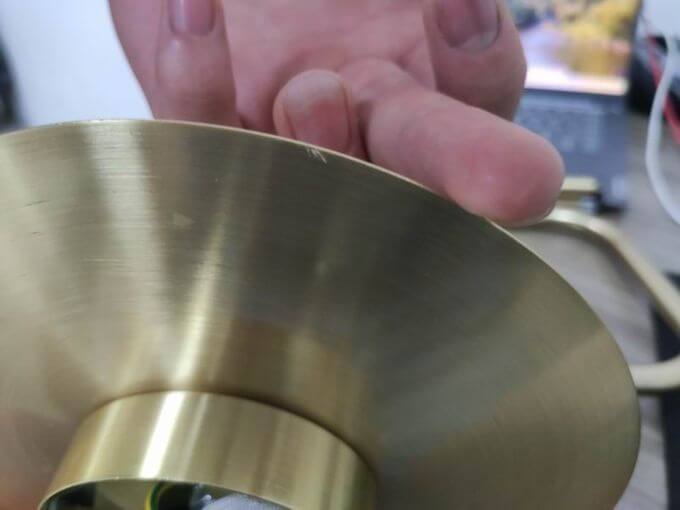
Checks cover housing finish, moulding defects, screen and lens clarity, button and switch feel, connector seating, silkscreen and label placement. Cosmetic defects that affect end-user perception or conceal a functional issue are classified as Major. Surface marks that do not affect function are classified as Minor.
2. Power-On & Functional Test
Every sampled unit is powered on and checked against the buyer's functional checklist: boot behaviour, menu or app display, control response, output activation, sound output, and any product-specific function. A unit that fails to power on is classified as Critical. A unit that powers on but fails one or more functions is classified as Major.
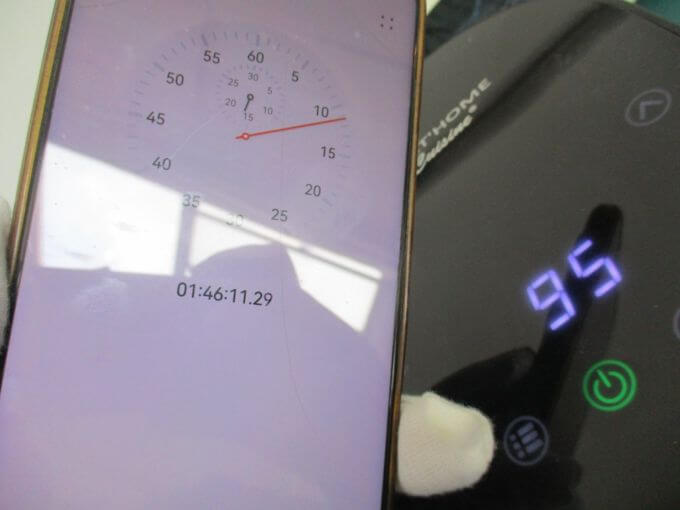
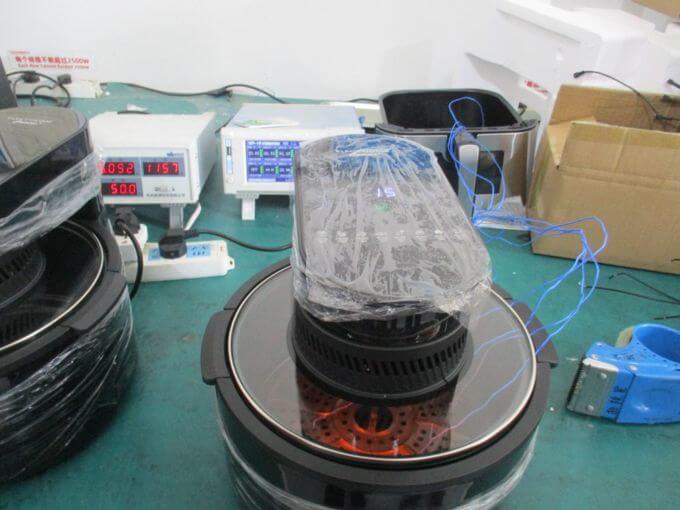
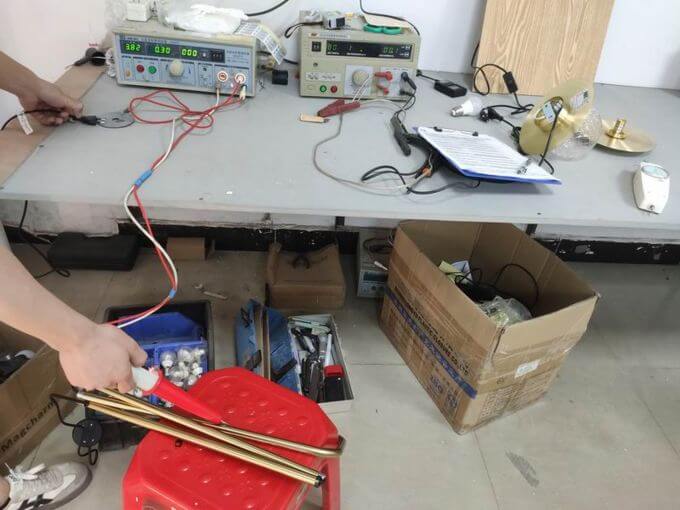
3. Electrical Strength & Hi-Pot Test
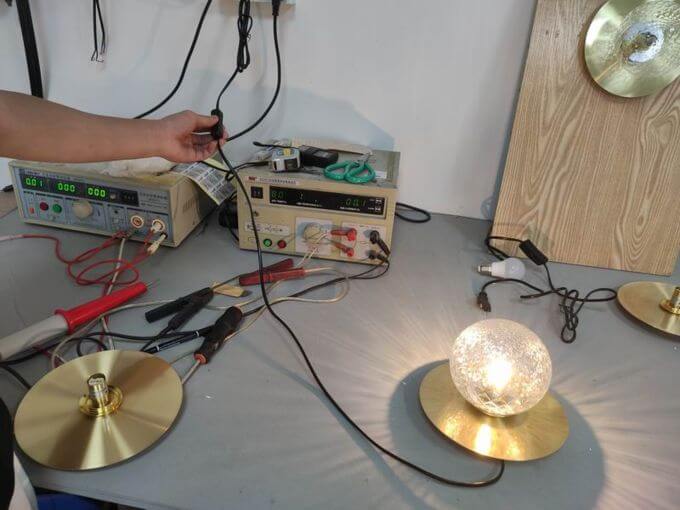
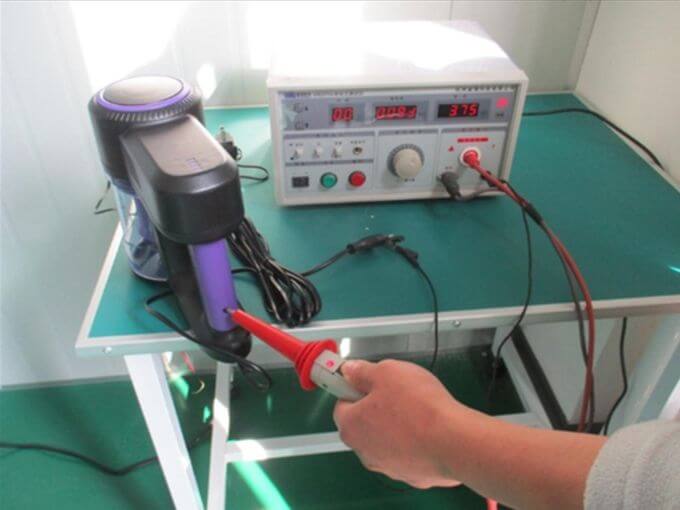
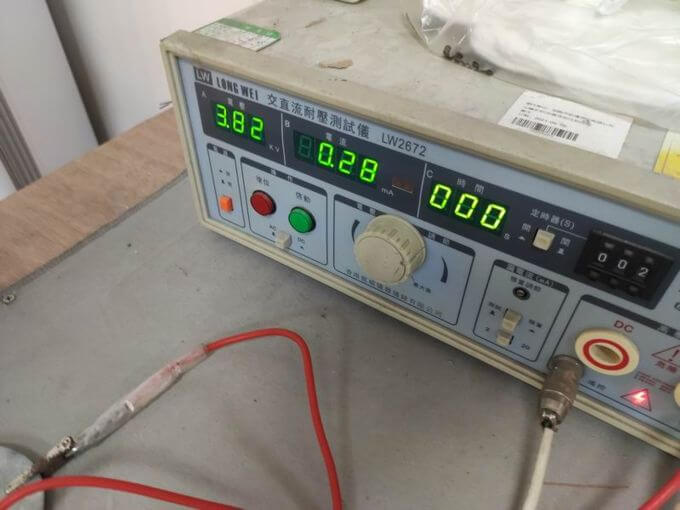
Dielectric withstand testing (hi-pot) is performed on Class I and Class II products at the voltage specified by the applicable safety standard. Reference values from our lighting and appliance checklists:
- Class I products (earthed): 1000 V AC or 1500 V AC, < 5 mA, 1 second
- Class II products (double insulated): 2500 V AC or 3000 V AC, < 5 mA, 1 second
- Class III (SELV) drivers / transformers: 3000 V between primary and secondary, < 5 mA, 1 second
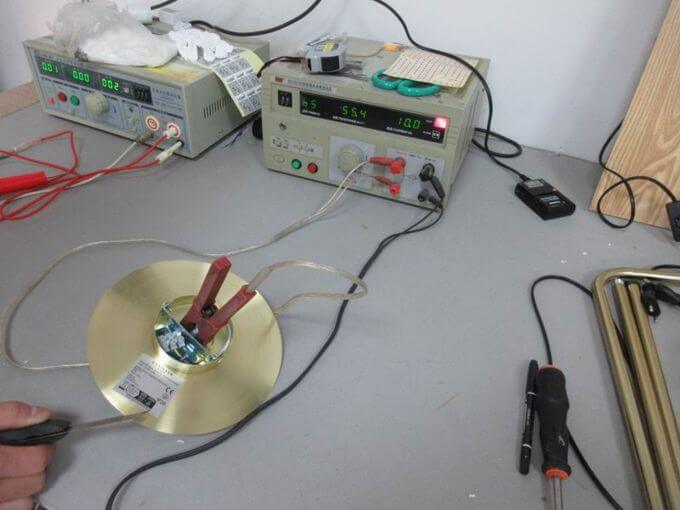
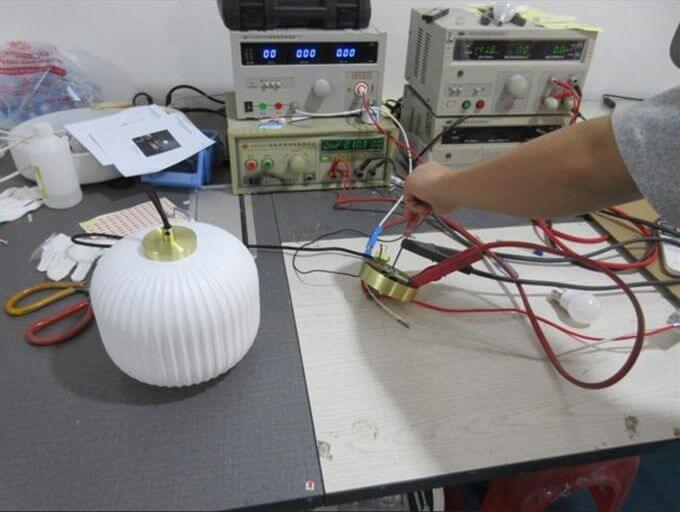
Before testing, the calibration record of the hi-pot tester is verified, and the tester itself is checked for function at 50 V. The neutral and live pins are linked (plus earth for Class I), and the test probe is applied to accessible metal parts and along the wiring up to the lampholder. No breakdown is permitted — the light must remain functional after the test.
Screen versus type test: the on-site hi-pot is an unconditioned production screening check, typically 1 second. The type tests defined in the applicable standards (IEC 60335-1, IEC 60598-1, IEC 62560) are performed after humidity conditioning — typically 48 hours at 91–95% RH — with a 1-minute withstand at the full test voltage, at an accredited laboratory. The on-site screen flags gross insulation defects on production units; it does not replace the conditioned type test.
4. Earth Continuity Test
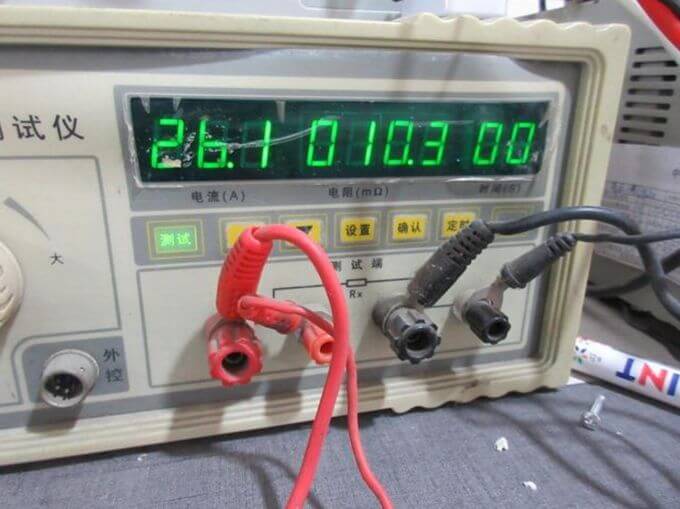
Class I products are tested with a calibrated earth continuity tester:
- Test current: 10 A to 12 A
- Test voltage: < 12 V
- Duration: at least 1 second
- Resistance requirement: ≤ 0.1 Ω under IEC 62368-1 and IEC 60335-1, or ≤ 0.5 Ω under IEC 60598-1 for luminaires
The measurement is taken between the earthed terminal and the most accessible parts likely to become live, with adjustable luminaires placed in their worst position. The tester is verified for function before each batch. Where the supplier's equipment uses a multimeter method, the reading must return to zero across all accessible earthed surfaces.
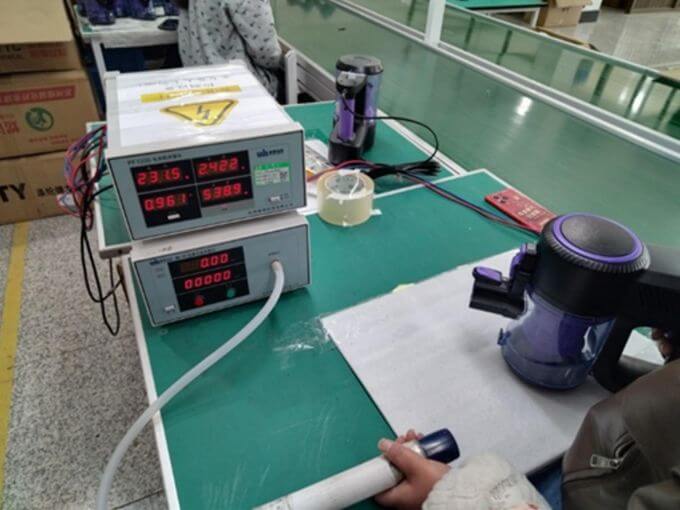
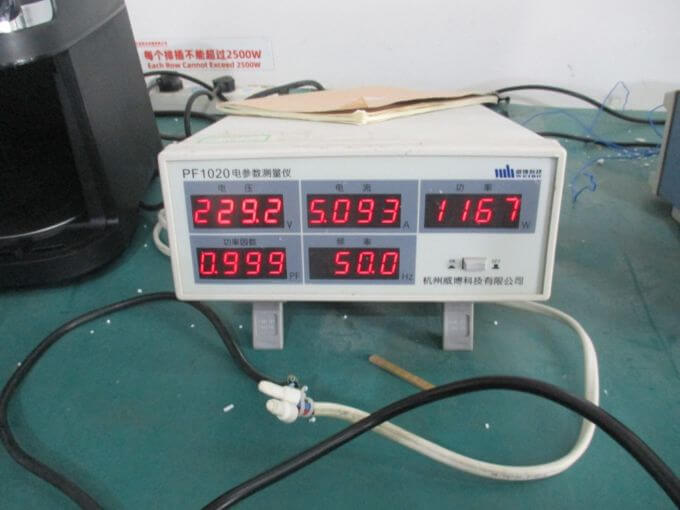
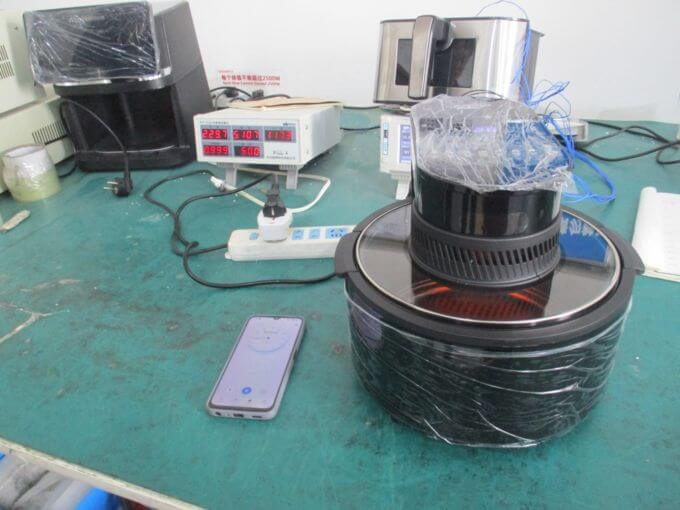
5. Power Consumption & Rated Load
Actual power consumption is measured at the rated voltage and compared against the label declaration. For luminaires and LED products, the tolerance is commonly ±10% of the declared value. For appliances under ErP, the tolerance follows the value stated in the applicable regulation for the category (commonly ±5%). No-load power consumption of external power supplies is measured against the applicable regulation: DOE Level VI under 10 CFR 430.32 for the US (0.10 W no-load for supplies up to 49 W, 0.21 W for 49–250 W) and Regulation (EU) 2019/1782 for the EU.
6. Adapter, Charger & Plug Verification
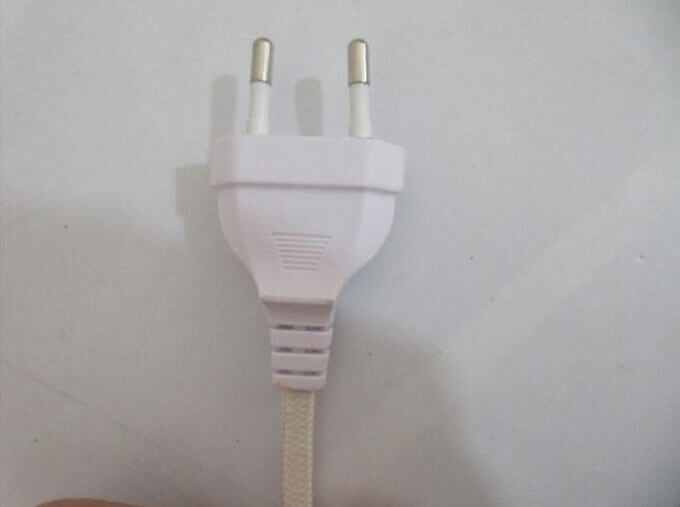
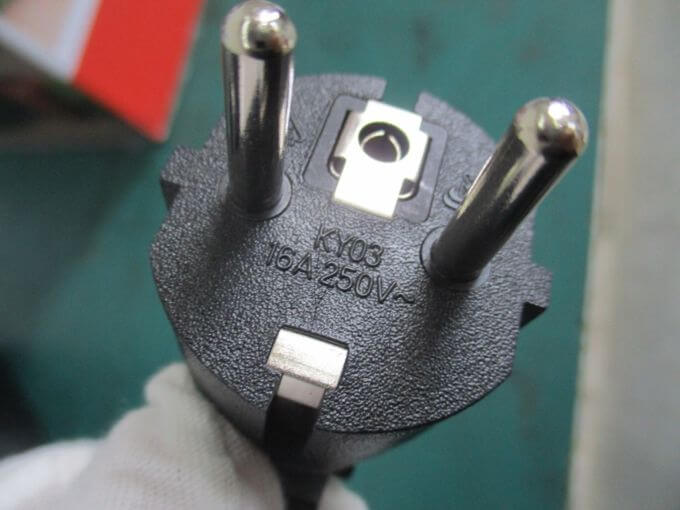
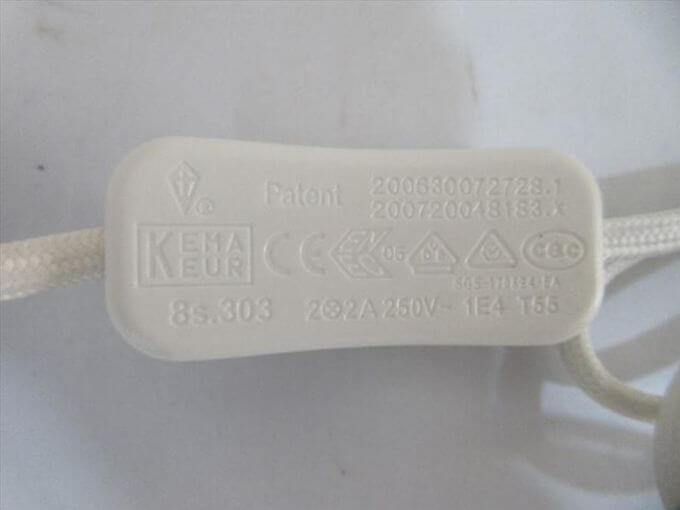
Output voltage and current are measured under the specified load and compared against the label. Plug type and pin configuration are checked against the destination market specification — UK three-pin, EU two-pin, US two-pin, AU/NZ, etc. Polarity, cable length and connector type are verified against the buyer's specification.
7. Battery Safety & Charging
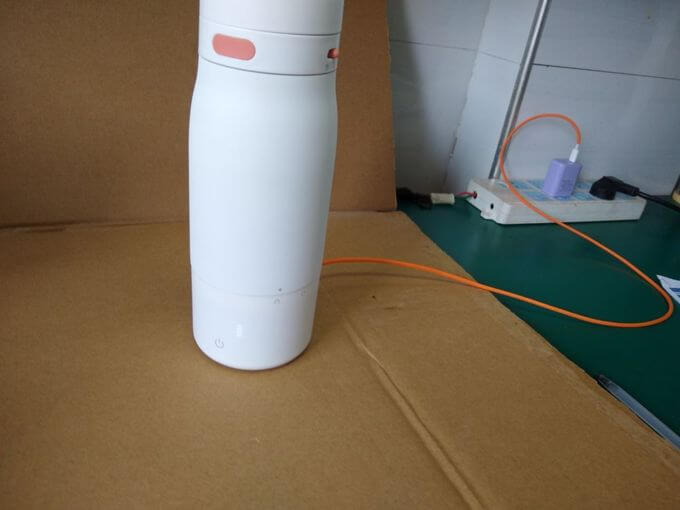
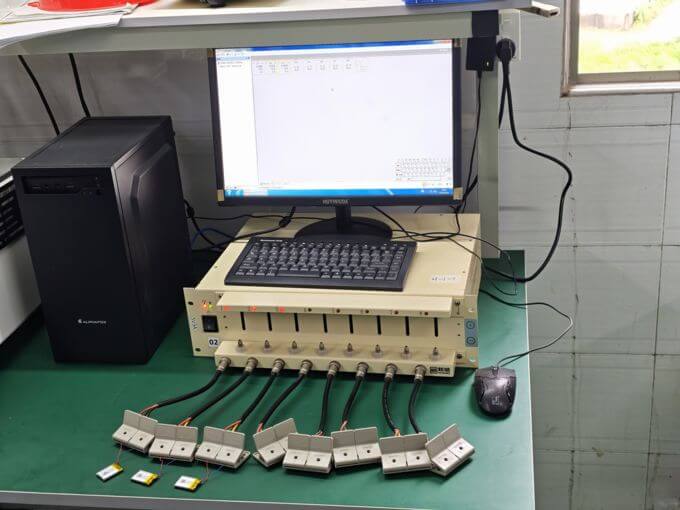
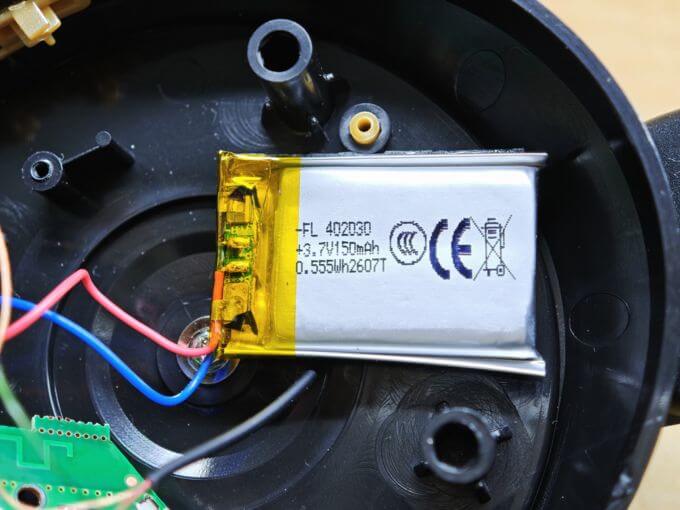
Battery-operated products are checked for battery compartment security (tools required for coin-cell compartments in children's products), cell orientation marking, overcharge protection behaviour, and charging temperature rise. Lithium batteries are verified for the required UN 38.3 transport documentation, and the battery label is checked against the specification. For the US market, button-cell and coin-cell compartments in consumer products are additionally checked against Reese's Law (16 CFR 1263); for the EU market, the CE marking and labelling duties of the Batteries Regulation (EU) 2023/1542 apply to batteries and accumulators incorporated into products.
8. Connectivity & App Pairing
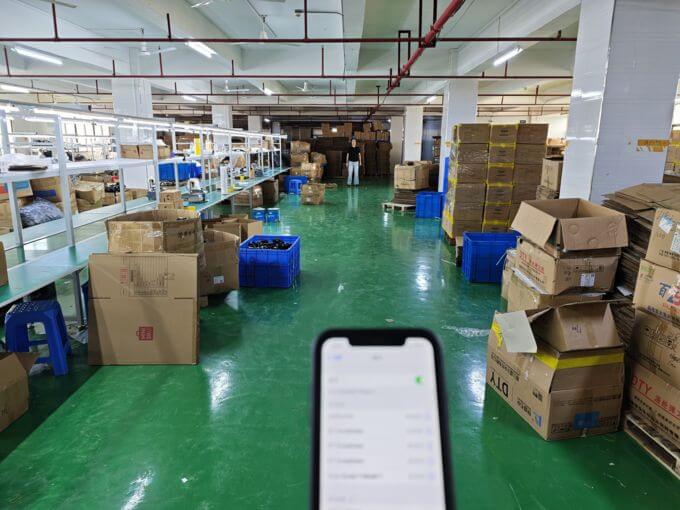
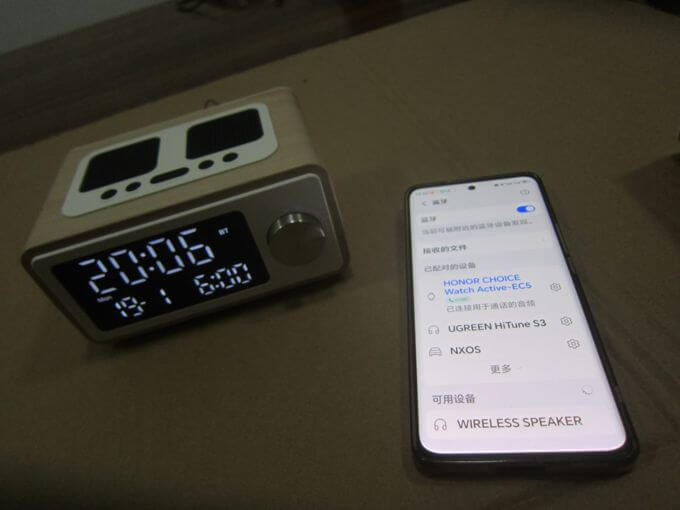
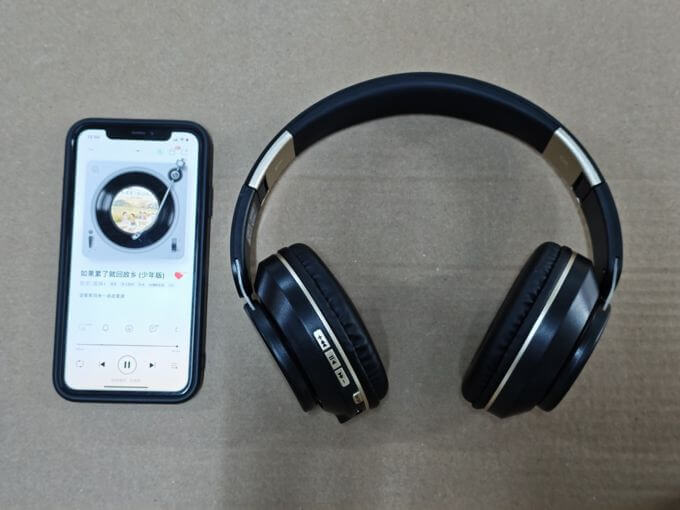
Wi-Fi, Bluetooth, Zigbee and app-controlled products are paired against the buyer's app build and verified for control response, firmware version matching and connection stability over a defined test window. Firmware version on production units is recorded against the buyer's specified version. Pairing failures are classified as Major; firmware version mismatch is recorded as a Major non-conformity when the difference affects safety or functionality.
Note that radio-equipped products carry their own regulatory route in addition to product safety: the Radio Equipment Directive 2014/53/EU (RED) for the EU, which consolidates safety, EMC and spectrum requirements into a single CE conformity route for wireless products; FCC Part 15 Subpart C certification with the FCC ID marked on the product for the US; and, for the UK, the PSTI Act 2022, which applies to consumer connectable products from 29 April 2024 and requires, among other things, that no universal default passwords are shipped and that the security update period is stated. The EU Cyber Resilience Act will add cybersecurity obligations for connected devices, with the main requirements applying from December 2027. On-site quality inspection verifies that the applicable marks and declarations are present and match the product; the underlying radio and cybersecurity testing is performed at accredited laboratories.
9. Sound Pressure Level (Audio Products)
Audio output is measured at a defined distance and compared against the limit set by the destination market's safety standard for toys or consumer audio, where applicable. Products intended for children are subject to the relevant EN 71-1 or ASTM F963 sound pressure limits and are handled under the toy inspection protocol.
10. Cord, Cable & Strain Relief
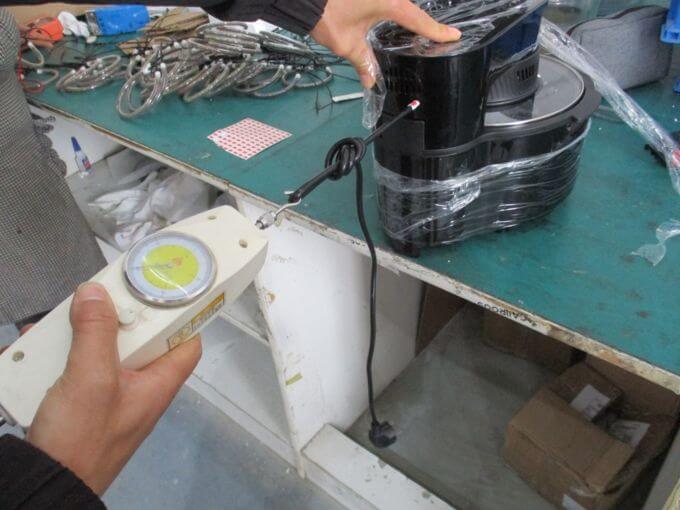
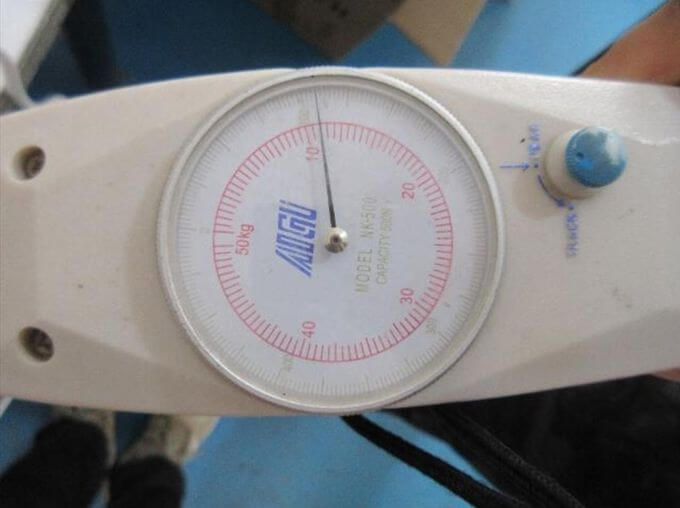
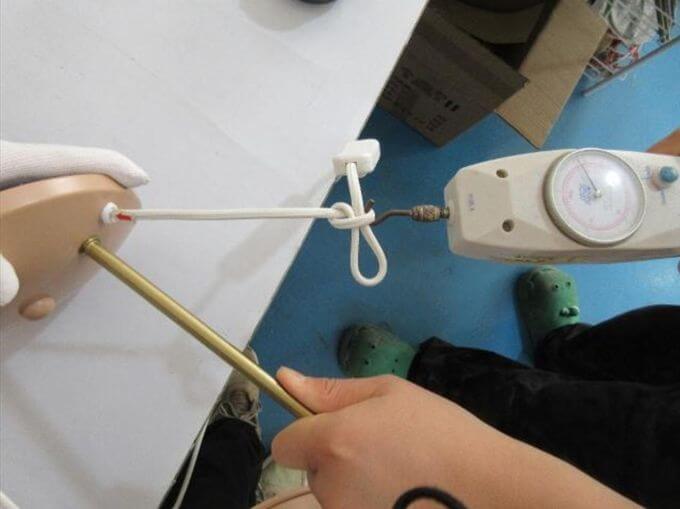
Cord anchorage is tested by drawing a line 20 mm from the cord anchorage, tying a knot at 20 cm, and applying 25 pulls of the specified force in the direction most likely to loosen the cord:
- Product weight < 1 kg: 30 N
- Product weight 1–4 kg: 60 N
- Product weight > 4 kg: 100 N
Each pull lasts 1 second, applied without jerks. After the pulls, a torque of 0.15 N·m is applied to the cord. The cord must not have moved more than 2 mm in the terminals, and the cord or cable must not be damaged. Wire cross-section is also verified against the rated current:
- 3–6 A: 0.75 mm²
- 6–10 A: 1.0 mm² (0.75 mm² if cord < 2 m on portable appliances)
- 10–16 A: 1.5 mm² (1.0 mm² if cord < 2 m on portable appliances)
11. Labelling, Marking & Certification Marks
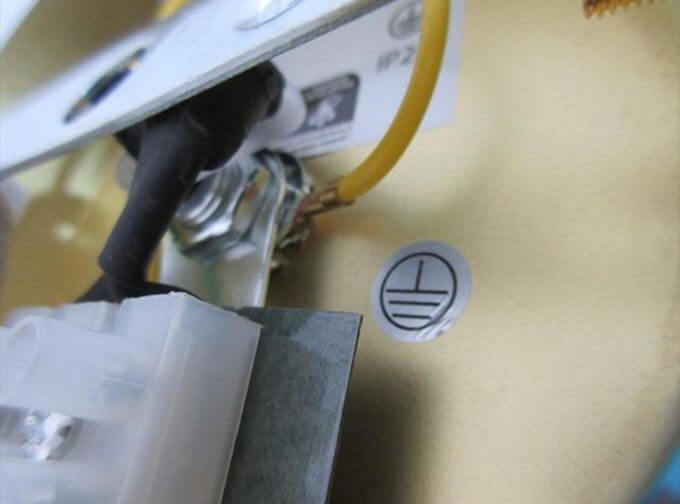
Product marking is checked against the destination market requirements: model number, electrical rating (voltage, frequency, wattage or current), manufacturer or importer name and address, country of origin, safety warnings, and — where applicable — certification marks such as CE, UKCA, FCC ID, UL, ETL, PSE, RCM or CCC. Mandatory marking must be clearly legible and durable. Under IEC 60335-1 clause 7.14, the signal words WARNING, CAUTION and DANGER must be uppercase with a height of at least 3.5 mm on appliances normally used on the floor, 3.0 mm on other appliances, and 2.0 mm on portable appliances with a printable surface under 10 cm²; uppercase letters for explanatory text must be at least 1.6 mm high. The CE logo must match the statutory proportions at a minimum height of 5 mm. The WEEE crossed-out wheeled bin (EN 50419) must be marked on the product — moving it to the packaging, instructions or warranty is permitted only where the size or function of the product prevents marking on the product itself — with the bin symbol at least 5 mm high, or 7 mm when combined with the solid date bar. Class II and Class III marks must be at least 5 mm (3 mm on reduced-size luminaires). Marking that is missing, incorrect, or applied with a mark the factory is not authorised to use is classified as Critical. The EU GPSR (Regulation 2023/988) responsible person information is verified on the product or packaging for the EU market.
Marking durability is tested by rubbing the marking by hand for 15 seconds with a cloth soaked in water, then 15 seconds with a cloth soaked in petroleum spirit. The marking must remain clearly legible, and marking plates must not curl or detach.
12. CDF & Critical Component Verification
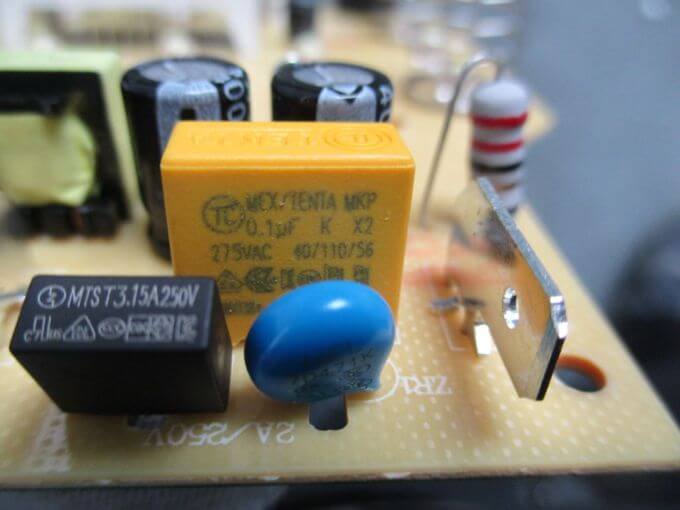
Many electronics failures begin not with an assembly defect but with an unauthorised component substitution. The factory has switched the certified transformer for a lower-cost equivalent, replaced the fuse with a different breaking capacity, or installed a control gear that was never tested against the product's safety file. The product still works on the bench — it just no longer matches the design that was certified. CDF verification exists to catch that substitution before the carton is sealed.
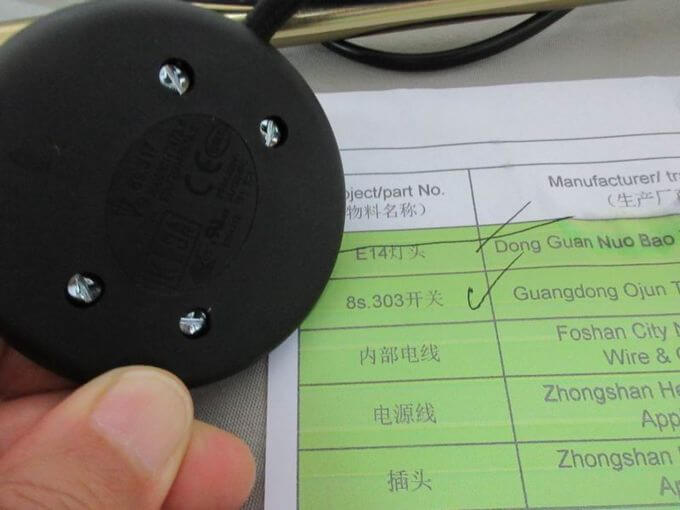
The CDF (Construction Data Form) records the precise safety components certified for your product — fuses, switches, transformers, drivers, relays, capacitors, and control gears. Our inspectors compare what is physically installed on the sampled unit against the CDF and Bill of Materials supplied by the buyer. Where components do not match, the difference is recorded as a Major or Critical non-conformity depending on the safety impact.
| Component Type | Inspection & Teardown Protocol |
|---|---|
| Power Adapters & Drivers | Cross-check manufacturer, model number, input / output voltage rating, pin configuration and safety mark legitimacy against the original CDF. Record serial or batch markings where present. |
| Control Gears & Remotes | Teardown inspection of internal PCB layout, IC markings, switch structure, and remote signal response at 4 metres across all brightness and dimming levels. |
| LED Light Strips | Verify chip dimensions (e.g. 5050 = 5.0 × 5.0 mm), chip density (e.g. 3 chips per 10 cm for 30 LED/m), waterproof rating (IP20 bare strip vs IP65 resin-poured), and run a minimum 4-hour continuous STROBE mode endurance check. |
| Fuses, Switches, Relays | Verify breaking capacity, rated current and manufacturer against the CDF. Check that the installed rating matches the specification and that no unauthorised equivalent has been used. |
| Internal Wiring & Connectors | Verify wire gauge against the rated current per the CDF, check connector type and polarity marking, and confirm that no unauthorised substitution has reduced the safety margin. |
CDF verification is performed on sampled units drawn separately from the AQL appearance sample, since it requires opening the housing and cannot return the tested unit to the shipping carton. Substitutions that affect safety are classified as Critical; substitutions that affect performance or certification validity but not immediate safety are classified as Major.
13. Packaging & Shipping Marks
Retail packaging is checked for print quality, structural integrity, accessory completeness, and correct language for the destination market. Master carton shipping marks are verified against the buyer's specification, including carton count, gross and net weight, and any required handling marks. Drop test evidence or packaging resilience assessment is recorded where specified.
Home Appliance Specific Tests
Home appliances follow the general electrical checklist above, plus the following category-specific tests. These are drawn from our standard appliance inspection protocol and applied where the product category or the buyer's specification requires them.
Note on abbreviations used in the tables below: G1 refers to General Inspection Level I; S-1 / S-2 / S-4 refer to Special Inspection Levels under ANSI/ASQ Z1.4; PE refers to the project engineer responsible for the inspection account; PS refers to the product specification. The buyer's written technical documentation governs where one is provided.
| Test Item | Inspection Method | Requirement / Tolerance | Sample Size |
|---|---|---|---|
| Electric Strength & Routine Test | Verify hi-pot tester calibration record; confirm test limit matches specification; functional check of tester at 50 V; short live pins to accessible surface; test front, back and multiple locations | Class I: 1000 V AC / 5 mA / 1 s. Class II: 2500 V AC / 5 mA / 1 s. No breakdown | G1 |
| Earth Continuity | Verify tester calibration; functional check; measure between earth pin and accessible grounded surfaces at multiple points | 12 V / 10 A; resistance not exceeding 0.1 Ω (excluding the supply cord), or 0.1 Ω plus the resistance of the supply cord (IEC 60335-1) | G1 |
| Normal Function & Switch Check | Operate according to the manual; check function matches manual and panel/switch markings | Function matches manual and panel marking | G1 |
| Moisture Resistance (IP) | Where the product is marked above IPX0, test according to the declared IP rating following IEC 60529 | After test, hi-pot test and function must pass | G1 |
| Stability at 10° and 15° | Place the appliance in normal use position on an inclined plane at 10° and 15° with the supply cord on the surface | 10°: no overturn. 15°: no overturn (failure recorded and confirmed by PE) | G1 |
| Marking Rub Test | Rub the marking by hand for 15 s with a cloth soaked in water, then 15 s with a cloth soaked in petroleum spirit | Marking remains clearly legible; plates do not curl or detach | G1 |
| 3-Blow Impact Test | Set spring hammer to 0.5 J; rigidly support the appliance; apply 3 blows to each point of the enclosure likely to be weak; also test handles, levers and knobs where applicable | If any part breaks, hi-pot test must be performed and pass | G1 |
| Pulling for Non-Detachable Parts | Drill a hole in the part and attach wire; apply pull force with a pulling gauge | 30 N / 10 s if the gripped projection is < 10 mm in the direction of removal; 50 N / 10 s otherwise. No loose out | G1 |
| Pulling for Detachable Parts (Handles, Grips, Levers) | Drill a hole and attach wire; apply pull force with a pulling gauge | 30 N / 1 minute if the gripped projection is < 10 mm in the direction of removal. No loose out | G1 |
| Power Cable Length & Wire Gauge | Measure from end of plug to end of anchorage; verify wire surface against rated current | See wire gauge table in Section 10 above | G1 |
| Cord Pulling Test | Mark the cord at the anchorage; pull at 20 mm from the anchorage, 1 s per pull, 25 pulls | Cord displacement < 2 mm. No basic insulation must appear | G1 |
| Terminal Connection 5N Pull | Pull all cables and terminals at 5 N for 5 s | No loose; no short to clearance between live wires | G1 |
| Supply Cord Length Arrangement | Remove the cord anchorage; pull the cords until taut; check the earth wire does not become taut before the live wires | Current-carrying conductors must become taut before the earthing conductor | G1 |
| Earthing Screw Tighten / Loosen | Tighten and loosen the screw 5 times; check the torque | Screw diameter 2.8–3.0 mm: 0.5 N·m. 3.0–3.2 mm: 0.6 N·m. 3.2–3.6 mm: 0.8 N·m. 3.6–4.1 mm: 1.2 N·m. Screw must not be stripped | G1 |
| Parts Providing Earth Continuity | Remove the appliance frame screws; check for paint removal under the screw | No paint layer under the earth screw | G1 |
| ErP Report Check | Verify components stated in the ErP report | Must match the ErP report | G1 |
| Standby Power — Regulation (EU) 2023/826 | Power the appliance in off mode and standby mode (and standby with information display / networked standby where applicable) and measure consumption | Off mode and standby ≤ 0.5 W; standby with information display ≤ 0.8 W; networked standby ≤ 2.0 W (no HiNA) or 8.0 W (with HiNA). Off-mode limit tightens to 0.3 W from 9 May 2027. Applies from 9 May 2025, replacing (EC) No 1275/2008 | G1 |
| Mandatory Marking | Verify all mandatory markings per the manual's first section; measure signal word and symbol heights | Signal words ≥ 3.0 mm (3.5 mm on floor-standing appliances; 2.0 mm on small portable appliances, printable surface < 10 cm²; explanatory text ≥ 1.6 mm). CE logo ≥ 5 mm. WEEE bin ≥ 5 mm (7 mm with the solid date bar). Class II / III marks ≥ 5 mm | 1 per lot |
Thermal Cut-Off and Overheat Protection Verification
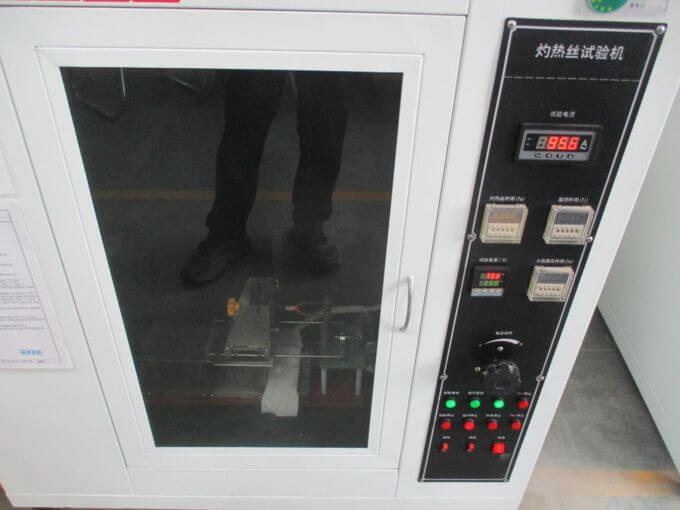
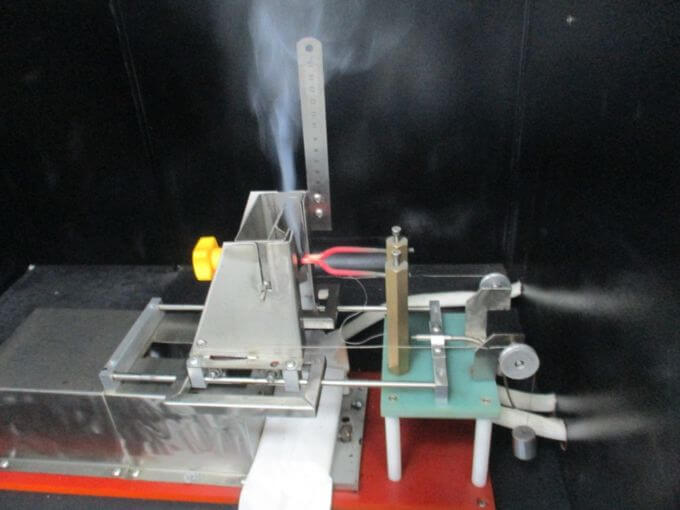
Heating products and motor-driven appliances are additionally checked for thermal cut-off function: the appliance is operated under load while the inspector verifies that the thermal fuse and overheat protection interrupt the circuit at the specified threshold, rather than failing open after the housing has already exceeded safe temperature. Non-functional thermal protection is classified as Critical — it is the last line of defence between a defective heating element and a household fire.
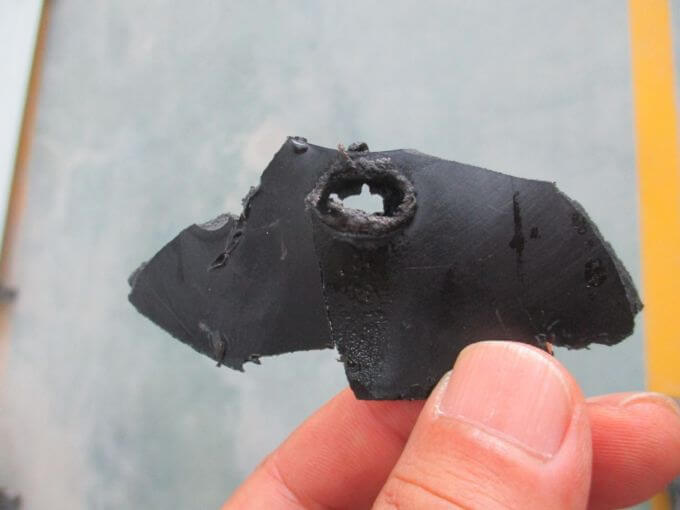
Luminaire & Lighting Specific Tests
Luminaires follow the general electrical checklist above, plus the following lighting-specific tests. These are drawn from our standard luminaire inspection protocol.
| Test Item | Inspection Method | Requirement / Tolerance | Sample Size |
|---|---|---|---|
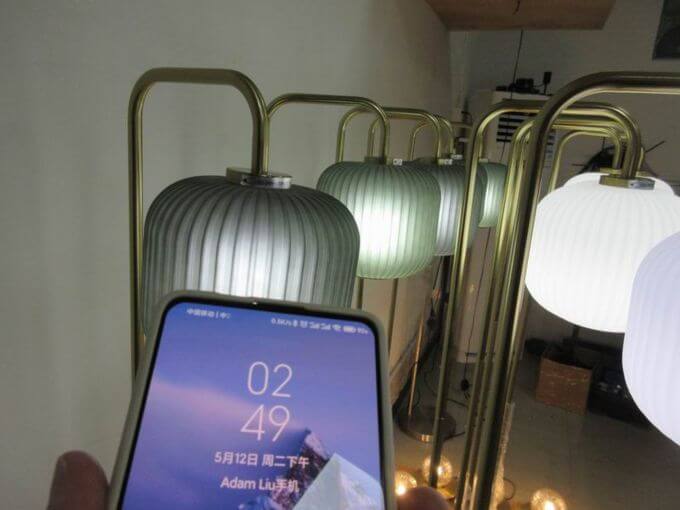
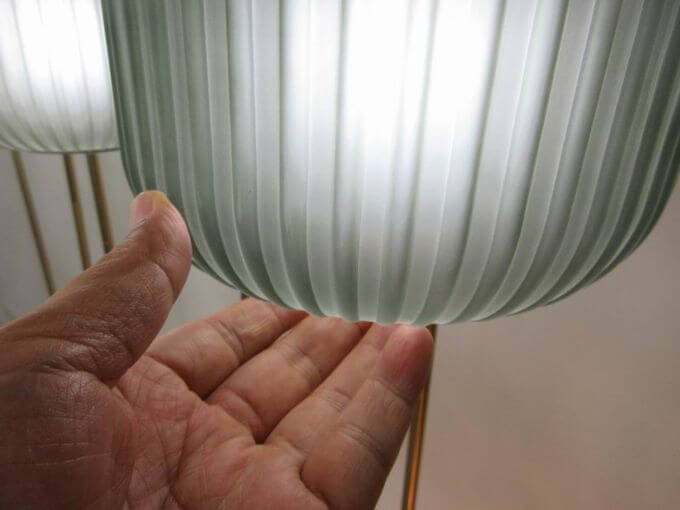
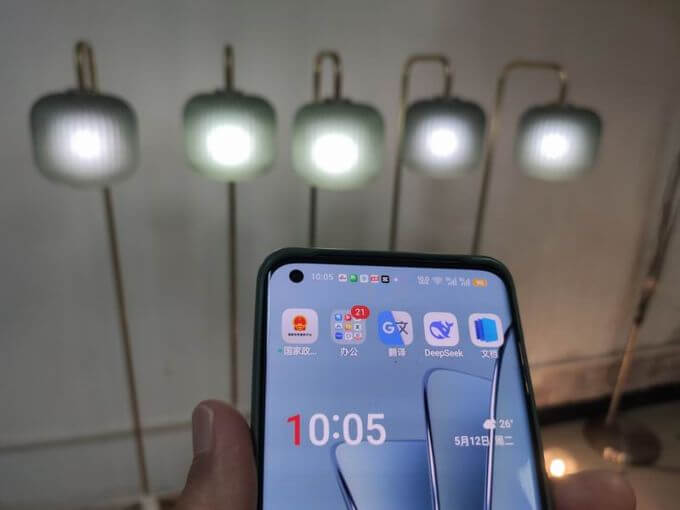
| Endurance & Thermal Test | Install the maximum rated lamp; operate at 1.06 × rated voltage for 4 hours; record the temperature of accessible parts | No failure. Temperature on accessible parts < 55°C (possible to touch without burning). After disassembly, cable must not be burned | S-1 |
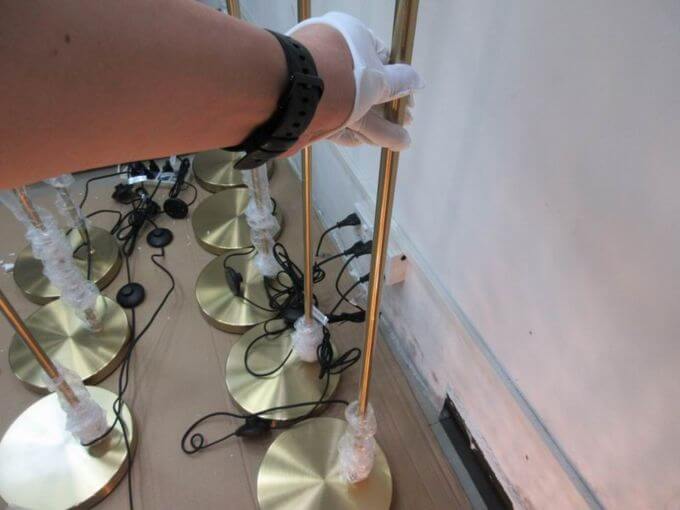
| Stability (Table & Floor Lamps) | Assemble per the instruction manual with the light source fitted; place the luminaire in the most unfavourable normal-use position on the inclined plane, cord resting on the surface. Under IEC 60598-2-4 clause 4.7.3, portable luminaires for indoor use are tested at 6° and luminaires for outdoor use at 15° | Luminaire must not overturn at the applicable standard angle. Indoor units are additionally screened at the stricter 15° angle as a safety margin; a pass at 15° automatically satisfies the 6° requirement. A failure at 15° with a pass at 6° is recorded as pending for PE review; overturning at the applicable standard angle is a fail | 1 per lot |
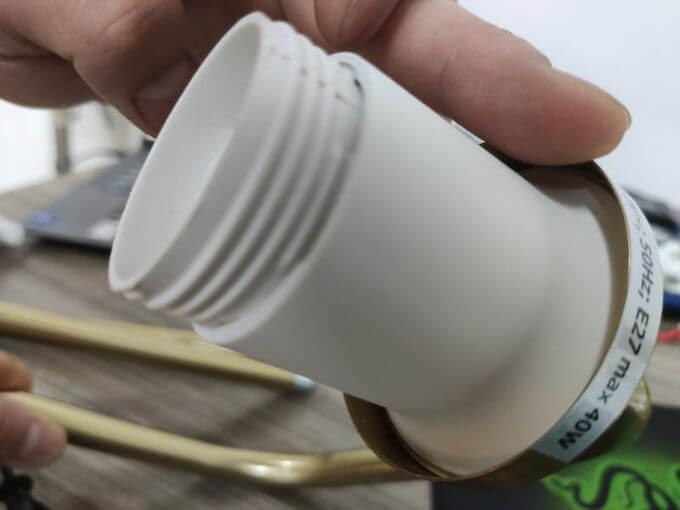
| Torque Force Test of Lamp Holder | With power off, apply torque for 1 minute to lockable screwed connections | E40: 4.0 N·m. E26 / E27 / B22: 2.0 N·m. E14 / B15: 1.2 N·m. E14 / B15 candle: 0.5 N·m. E10: 0.5 N·m. Must not get loose | 2 per lot |
| Pull Test of Cord Anchorage | Mark 20 mm from anchorage; knot the cable at 20 cm; apply 25 pulls of 60 N at 1 s each, then 0.15 N·m torque | Cord displacement < 2 mm. No damage to cord or terminals | 2 per lot |
| Current Testing (LED Bulb / Electronic Luminaire) | Measure input current and power in normal operation with the maximum rated bulb | Must not exceed rating label. Tolerance ±10% | S-4 |
| IP Test (IP Rating Above IP20) | Confirm with factory which IP degree the product passes; compare against the rating label; test per the declared IP degree (e.g. IPX4 test) | Must pass the declared IP level | 2 pcs per lot |
| Polarity Test (Earthed Product, Class I) | Verify multimeter function; for products without switch, check incoming neutral to upright metal strip in the lampholder; for products with switch, check live pin to flat metal strip | Polarity must not be reversed. Switch must be linked to live wire | 2 per lot |
| Earth Continuity (Earthed Product, Class I) | Method 1: apply between earthed terminal and accessible parts likely to become live, at > 10 A < 12 V for at least 1 s. Method 2: multimeter check | Resistance ≤ 0.5 Ω (IEC 60598-1). Multimeter digits must return to zero | G1 |
| Hi-Pot Test (Luminaire) | Assemble the bulb if electronic. Link neutral and live pins (plus earth for Class I); apply test probe to metal parts and along the wiring | Class I: 1500 V, < 5 mA, 1 s. Class II: 3000 V, < 5 mA, 1 s. Class III: test the driver / transformer alone at 3000 V between primary and secondary. Must not break down; light remains working | G1 |
| Switch Test On/Off | After hi-pot, assemble the bulb; press on / off 5 times | Must not fail | 2 per lot |
| Luminaire Normal Operation | Assemble maximum rated bulb; check all function options; shake the luminaire slowly | No looseness, no functional failure | S-4 |
| Mandatory Marking (Luminaire) | Measure all mandatory markings on the label | Signal words ≥ 3.0 / 3.5 / 2.0 mm per IEC 60335-1 where applied. CE logo ≥ 5 mm exact shape. WEEE bin ≥ 5 mm (7 mm with the solid date bar). Class II / III marks ≥ 5 mm (3 mm on reduced luminaires) | 1 per lot |
| Ceiling Luminaire Hanging Test | Adjust supporting cable fully extended; fix the luminaire per instruction manual; load 4 × product weight for at least 1 hour | No appreciable deformation of the suspension system | 1 per lot |
| Ceiling Luminaire Cord Adjustment Test | Unscrew the canopy anchorage; push and pull the cord to check adjustment | Cord must be adjustable smoothly | 1 per lot |
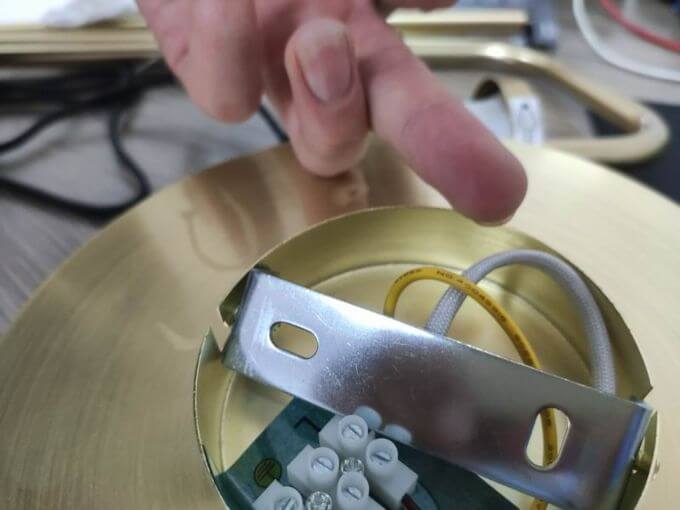
| Bracket Measurement | Measure bracket thickness; compare against PS / technical documentation | Discrepancy must not exceed 0.5 mm | 1 per lot |
Lamp Holder Torque Test in Practice
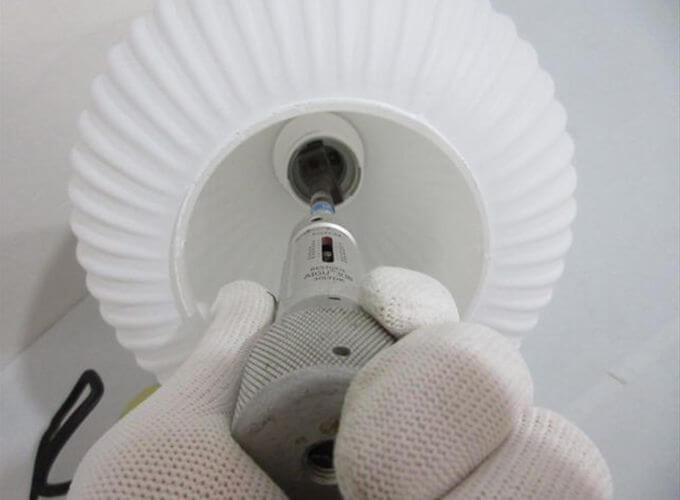
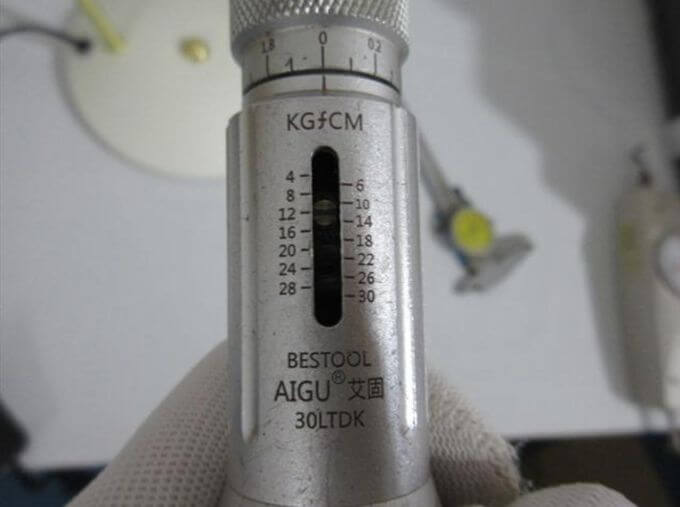
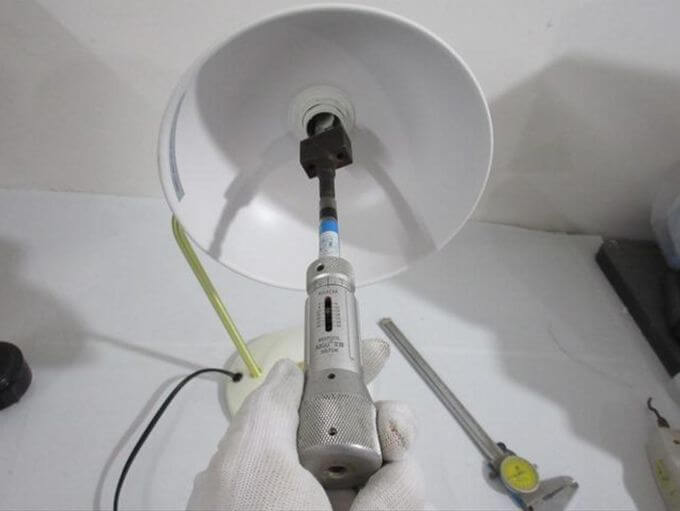
4-Hour Running Test and Surface Temperature Check
Stability and Wobble Test

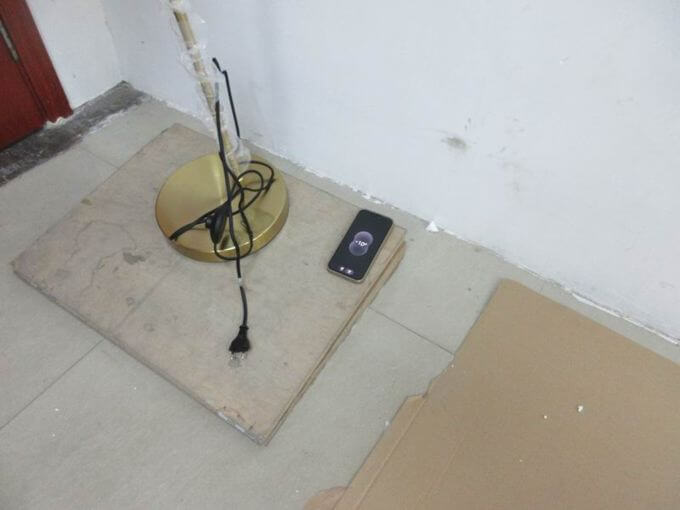
Bulb Specific Tests
Bulbs supplied with or sold alongside luminaires follow a separate checklist. The test voltages and torque values below are drawn from IEC 62560 (self-ballasted LED lamps for general lighting services above 50 V). Note that the electric strength and insulation resistance tests in IEC 62560 are type tests performed in a humidity cabinet after 48 h conditioning (91–95% RH); the on-site version is an unconditioned production screen at the same voltages.
| Test Item | Inspection Method | Requirement / Tolerance | Sample Size |
|---|---|---|---|
| Operation / Normal Function Check | Light the bulb continuously for 4 hours | Must function, not stop before end of test | G1 |
| Hi-Pot Test (LED & CFL Bulbs) | Cover the bulb with metal foil; short the eyelet and foil; apply half voltage first, then smoothly to full value | Type HV caps (220–250 V): 4000 V. Type BV caps (100–120 V): 2U + 1000 V. No flash-over or breakdown (IEC 62560, Table 2) | G1 |
| Torsion Resistance (Cold Bulb) | Apply torque to unused, cold bulb | E14 / B15d: 1.15 N·m. E27 / B22d: 3.0 N·m. Must pass (IEC 62560, Table 3) | 2 |
| Power / Current Testing | Measure input current and power in normal operation | Tolerance ±10% of the value on packaging | 1 |
| Starting Time | Use a cold bulb; record time to light up | < 1.5 s if no specification available | 1 |
LED Strip & Connected Lighting Tests
LED strips sold standalone or integrated into furniture are tested as a complete system — strip, adapter, controller and remote — not as individual components.
| Test Item | Inspection Method | Requirement / Tolerance | Sample Size |
|---|---|---|---|
| Whole Strip Component Check | Locate the LED specification and CDF folder; verify all listed components are present; take one overall picture of all components | All listed components present, matching the specification | 2 |
| Adapter Verification | Confirm adapter model against LED specification; compare model, label, input pin type and output pin type; record supplier name and model | Adapter matches CDF. Label legible; pin types correct | 2 |
| Reception Controller (RGB Only) | Verify label, input / output end type, and PCB against the CDF; photograph all three | Must comply with CDF | 2 |
| Remote Control (RGB Only) | Verify appearance, battery content, and PCB against the CDF; photograph all three | Must comply with CDF | 2 |
| Switch (Single-Colour Strip) | Verify appearance, switch label and internal structure against the CDF; photograph front and back; record patent number | Must comply with CDF | 2 |
| Strip Specification Check | Verify LED size (e.g. 5050 = 5 mm × 5 mm); verify waterproof type (IP20 = bare strip, IP65 = glue-coated); count LED chips per 10 cm to confirm LED/m; measure whole strip length | Matches strip reference. 30 LED/m means 3 chips per 10 cm | 2 |
| Function Test | Connect one set of samples to the mains and turn on | Even brightness across the strip. Uniform colour, no shading | 1 |
| Control System Function Test | For switch, turn on and off 20 times at 1 s intervals. For remote, stand 4 m away and test all buttons | Insulation film present on the battery. All buttons functioning, control smooth. Brightness levels verified against the buyer's specification. Photograph RED / GREEN / BLUE basic colours | 1 |
| Endurance & Function Test | Install the complete lighting system and leave running for the entire duration of the inspection (minimum 4 hours). For RGB, set mode to STROBE during the test | Must function normally throughout | 1 |
What On-Site Inspection Cannot Replace
Electrical safety testing, functional testing and label verification are performed on-site. However, several categories of electronics testing require laboratory conditions and dedicated test equipment and are outside the scope of a factory-floor visit. Where these are required, samples are drawn during inspection service and dispatched to a CNAS-accredited partner laboratory.
- EMC testing — radiated and conducted emissions, immunity, and harmonic current testing (EN 55032, EN 55035, FCC Part 15, EN 61000 series).
- Radio and spectrum testing for RED 2014/53/EU or FCC certification of wireless products.
- Full certification testing — IEC/EN 62368-1 safety evaluation, IEC/EN 60335 appliance safety, IEC/EN 60598 luminaire safety, IEC 62560 self-ballasted LED lamp safety.
- Battery testing — UN 38.3 transport testing, IEC 62133 cell and pack testing, and thermal runaway evaluation.
- Chemical compliance — RoHS restricted substances, REACH SVHC screening, PFAS, phthalate testing, and Proposition 65 for the US.
- Energy labelling verification — ErP energy efficiency index measurements for regulated product categories.
- IP ingress protection testing — formal IPX ratings verification under IEC 60529, beyond the pass/fail screen described above.
- Photobiological safety — blue light hazard and risk group classification under IEC/EN 62471, increasingly requested by EU retail buyers on LED lighting.
The distinction matters: the on-site product inspection confirms that the production units match the specification and that the electrical safety margins are present. The laboratory confirms that the design meets the standard. Both are required for a complete compliance position, and the two are not interchangeable.
Applicable Electronics Standards
| Target Market | Key Regulations & Standards |
|---|---|
| International | IEC 62368-1 (audio/video, IT and communication equipment), IEC 60335 (household appliances), IEC 60598 (luminaires), IEC 61558 (transformers and power supplies), IEC 62560 (self-ballasted LED lamps), IEC 62133 (secondary cells and batteries), IEC 60529 (IP ratings), IEC 62471 (photobiological safety), IEC 61000 series (EMC), CISPR 32 |
| United States | UL 62368-1, UL 60335, UL 1598 (luminaires), FCC Part 15 (unintentional radiators; Subpart C for intentional radiators such as Wi-Fi and Bluetooth), California Proposition 65, CPSIA where applicable, DOE energy conservation standards including Level VI external power supply requirements (10 CFR 430.32), Reese's Law / 16 CFR 1263 (button and coin cell batteries) |
| European Union | EN 62368-1, EN 60335, EN 60598, Radio Equipment Directive 2014/53/EU (wireless and connected products), EMC Directive 2014/30/EU, Low Voltage Directive 2014/35/EU, RoHS Directive 2011/65/EU, REACH, ErP Directive 2009/125/EC including Regulation (EU) 2023/826 (standby power), WEEE Directive 2012/19/EU and EN 50419 (marking), Batteries Regulation (EU) 2023/1542, CE marking, GPSR (EU) 2023/988 |
| United Kingdom | UKCA marking, Electrical Equipment (Safety) Regulations 2016, EMC Regulations 2016, Radio Equipment Regulations 2017, WEEE Regulations 2013, PSTI Act 2022 (security requirements for consumer connectable products) |
| China | GB 4943 (IT equipment safety), GB 4706 (household appliance safety), GB 7000 (luminaire safety), GB 19510 (LED drivers), CCC certification |
| Japan | PSE mark (DENAN Law), MIC marking for wireless products |
| Australia / New Zealand | RCM mark, AS/NZS 62368.1, AS/NZS 60335, AS/NZS 60598 |
On-site third-party inspection covers physical, mechanical, functional and primary electrical safety assessment. EMC testing, radio testing, full certification testing, chemical compliance and transport testing of lithium batteries require separate sampling and testing at CNAS-accredited (ISO 17025) third-party laboratories. The GPSR responsible person, CPC where applicable, and CE or UKCA declaration of conformity are verified as documents; they are not issued by the factory inspection service body.
Referenced Standards & Documents
- IEC 62368-1 — Audio/video, information and communication technology equipment — Safety requirements
- IEC 60335-1 / IEC 60335-2 series — Household and similar electrical appliances — Safety
- IEC 60598-1 / IEC 60598-2 series — Luminaires — General requirements and tests
- IEC 61558-1 — Safety of transformers, reactors, power supply units and combinations thereof
- IEC 62560 — Self-ballasted LED lamps for general lighting services with supply voltages > 50 V — Safety requirements
- IEC 62133-1 / -2 — Secondary cells and batteries containing alkaline or other non-acid electrolytes — Safety requirements
- IEC 60529 — Degrees of protection provided by enclosures (IP Code)
- IEC 62471 — Photobiological safety of lamps and lamp systems
- IEC 61000 series — Electromagnetic compatibility (EMC)
- CISPR 32 / EN 55032 — Electromagnetic compatibility of multimedia equipment — Emission requirements
- EN 55035 / IEC 61000-4 series — Immunity requirements for multimedia equipment
- UL 62368-1 — Audio/video, information and communication technology equipment (US)
- UL 1598 — Luminaires (US)
- FCC Part 15 — Radio frequency devices (US)
- 10 CFR 430.32 — Energy conservation standards: external power supplies, DOE Level VI (US)
- 16 CFR 1263 — Reese's Law, button cell or coin cell batteries (US)
- Radio Equipment Directive 2014/53/EU
- EMC Directive 2014/30/EU
- Low Voltage Directive 2014/35/EU
- RoHS Directive 2011/65/EU
- REACH Regulation (EC) No 1907/2006
- ErP Directive 2009/125/EC and Regulation (EU) 2023/826 (off mode and standby power)
- WEEE Directive 2012/19/EU and EN 50419 (marking of electrical and electronic equipment)
- Batteries Regulation (EU) 2023/1542
- Regulation (EU) 2023/988 — General Product Safety Regulation (GPSR)
- GB 4943.1 — Audio/video, information and communication technology equipment (China)
- GB 4706.1 — Household and similar electrical appliances — Safety (China)
- GB 7000.1 — Luminaires (China)
- GB 19510.1 — Lamp controlgear (China)
- ANSI/ASQ Z1.4-2003 (R2018) — Sampling Procedures and Tables for Inspection by Attributes
Note: standard revisions are updated periodically. Confirm the current active revision for your target market prior to booking an inspection day.
AQL Defect Classification for Electrical Inspection
| Defect Class | Typical Electronics Non-Conformities | Common AQL Baseline |
|---|---|---|
| Critical | Hi-pot or insulation failure, earth continuity failure, exposed live parts, missing required certification mark, wrong plug type for the destination market, lithium battery without UN 38.3 documentation, non-functional safety cut-off, reversed polarity on Class I product, substitution of a certified safety component with an uncertified equivalent | 0 (zero tolerance) |
| Major | Dead-on-arrival unit, functional failure, app pairing failure, firmware version mismatch against specification, power consumption outside tolerance, adapter output out of tolerance, cord anchorage displacement over 2 mm, missing or incorrect product marking, battery compartment not secured, label mismatch, marking rub test failure, unauthorised component substitution against the CDF | 1.0 / 2.5 |
| Minor | Cosmetic surface marks, minor print blur on non-critical surface, cable length within tolerance but below target, minor packaging soiling | 2.5 / 4.0 |
The listed AQL values represent widely adopted industry baselines and are not fixed mandatory limits. Sample sizes follow ANSI/ASQ Z1.4 General Inspection Level II. Final protocols are defined by combining channel requirements, product quality risk rating and historical non-conformity data.
Appendix: Sampling & Acceptance Rules
Product inspection uses ANSI/ASQ Z1.4-2003 (R2018), General Inspection Level II, normal single inspection.
- Any identified Critical non-conformity results in the batch being rejected outright.
- Accept or reject decisions for Major and Minor defects follow the corresponding AQL acceptance number.
- Samples are randomly selected from finished goods, covering multiple production lots and, where applicable, multiple firmware versions.
- Functional and electrical safety tests are performed on a small number of sample units drawn separately from the AQL sample. Non-destructive functional tests typically follow Special Sampling Level S-1 or S-2, while hi-pot, earth continuity and insulation tests are performed on a subset of the functional sample and recorded separately, since test stress accumulates on the tested unit. CDF verification requires opening the housing and therefore also uses a separate sample.
- A client's written custom sampling plan overrides the default rules when provided.
Sampling Reference for Specific Test Categories
| Test Category | Typical Sampling Level | Notes |
|---|---|---|
| Appearance & workmanship | General Level II | Part of the AQL sample |
| Functional & power-on | General Level II, or S-4 for continuous operation checks | Depends on the buyer's specification |
| Hi-pot & insulation | G1 (General Level I) on the electrical test subset | Non-destructive but stress-accumulating; tested units not returned to carton |
| Earth continuity | G1 | Non-destructive |
| Cord anchorage pull | 2 per lot | Destructive; tested units not returned to carton |
| Torque of lamp holder | 2 per lot | Non-destructive |
| Endurance & thermal test (4 hours) | S-1 | Non-destructive; unit monitored for 4 hours |
| Stability test (luminaire) | 1 per lot | Non-destructive |
| IP test | 2 pcs per lot | May be destructive depending on IP rating |
| CDF verification | 2 per lot | Destructive; housing must be opened |
| LED strip whole-system endurance | 1 | Non-destructive; system runs throughout the quality inspection |
| Bulb hi-pot | G1 | Destructive for the tested bulb |
| Bulb torsion (cold) | 2 | Destructive |
| Ceiling luminaire hanging | 1 per lot | Non-destructive but loaded for 1 hour |
Custom Electronics Inspection Protocol Development
Most third-party China inspection companies develop shipment-specific protocols for electronics. Custom pre-shipment inspection plans are built from the following inputs:
- Product specification and electrical rating declaration, per SKU
- Destination market certification requirement (CE, UKCA, FCC, UL, PSE, RCM, CCC) and applicable safety standard
- CDF (Construction Data Form) and Bill of Materials supplied by the buyer, listing certified safety components
- Golden sample and firmware version, used as the functional and configuration reference
- Adapter, plug type and voltage requirements for the destination market
- Packaging and container loading requirements: retail box, accessories, manual, master carton and shipping marks
- Historical non-conformity records, with higher inspection weighting assigned to recurring defects from prior batches
Before inspection execution, checklist items and acceptance criteria are confirmed between inspector and buyer, and the AQL sampling plan is documented in writing. The inspector then draws representative units per ANSI/ASQ Z1.4 and executes every check defined in the protocol.
If you are placing a first order with a new supplier, a factory audit before production catches a large share of these risks at the source — incoming component inspection, in-house hi-pot and functional test equipment, firmware flashing process and record keeping.
Electronics Inspection Report Deliverables
A full English inspection report is issued within 24 hours after on-site work completion, including sampling records, electrical test readings with the instrument used, functional test results, defect imagery and non-conformity statements. Hi-pot, insulation resistance and earth continuity readings are recorded with the test voltage and pass/fail threshold. Firmware version on sampled units is recorded against the buyer's specified version. Cord anchorage displacement, torque readings, power consumption and temperature readings are recorded as measured values. CDF verification results record the installed component against the certified component, with photographs of both where applicable. Critical and Major non-conformities are listed separately with supporting photographic evidence.
A custom quality control inspection protocol and quotation can be prepared for your electronics shipment. Submit your product information to receive a technical assessment of China inspection scope and sampling strategy.
Documented Inspection Findings (Technical Examples)
Hi-Pot Failure on LED Drivers at the Insulation Gap
Sample: 40 W LED driver for a European retail customer. Function test passed on the bench — output voltage and current within tolerance. On hi-pot, approximately one unit in twenty failed insulation. Root cause: reduced clearance between primary and secondary side during assembly at the transformer bobbin. Classified as a Critical non-conformity. Hazard: electric shock and Safety Gate alert at destination.
USB Charger Shipped With the Wrong Plug Type
Sample: 18 W USB-C charger, UK order. Output voltage and current within specification. Plug body on the sampled carton was the EU two-pin, not the UK three-pin declared on the order. The factory had produced the EU version to stock and pulled the wrong body during assembly. Classified as a Critical non-conformity for the UK market. Hazard: product unusable at destination and customs hold.
Smart Light Firmware Mismatch After App Update
Sample: Wi-Fi-connected LED bulb. On production units, firmware version 1.0.4 was flashed, while the buyer's specification called for 1.0.6, which contains an updated pairing protocol. The demonstration units in the showroom ran 1.0.6 and paired successfully. Production units paired on the day of the product inspection but were not compatible with the next app release. Classified as a Major non-conformity. Hazard: pairing failure after the app update and negative customer reviews.
Power Consumption Above Rated Label
Sample: 1500 W portable space heater. Measured power consumption at the rated voltage was 1620 W on sampled units, approximately 8% above the label declaration and above the 5% tolerance allowed under the destination market's energy labelling rule for the category. Classified as a Major non-conformity. Hazard: mislabelled energy performance and potential customs rejection at destination.
Battery Compartment Without Tool-Required Closure
Sample: coin-cell powered remote control. Battery compartment cover could be opened by hand without tools, exposing the coin cell. The buyer's specification required a tool-operated closure consistent with the destination market's safety requirements for children's products (Reese's Law / 16 CFR 1263 for the US). Classified as a Critical non-conformity. Hazard: unsupervised access to a button cell.
Earth Continuity Out of Tolerance on Class I Luminaire
Sample: Class I metal pendant luminaire. Earth continuity resistance measured at 0.18 Ω, above the 0.1 Ω threshold required by the applicable safety standard. Root cause: paint on the earth bonding surface at the housing joint. Classified as a Critical non-conformity. Hazard: loss of protective earthing under fault conditions.
Luminaire Thermal Test — Accessible Surface Above 55 °C
Sample: 60 W ceiling luminaire with maximum rated bulb. During the 4-hour endurance test at 1.06 × rated voltage, the accessible metal surface at the canopy reached 63 °C, above the 55 °C threshold that allows touch without burning. Classified as a Critical non-conformity. Hazard: burn injury and non-compliance with IEC 60598-1 temperature limits.
LED Strip Adapter Model Mismatch
Sample: RGB LED strip sold as part of a furniture order. The adapter supplied with the sampled carton was model X-24W, while the LED specification and CDF folder called for model X-36W. The output voltage was the same, but the current rating was lower, and the adapter would run at its limit under full-load RGB operation. Classified as a Major non-conformity. Hazard: adapter overheating and premature failure.
Certified Transformer Substituted With an Uncertified Equivalent
Sample: LED panel light for a European retail customer. Function test passed on the bench. During CDF verification, the transformer installed in the sampled unit was compared against the certified Construction Data Form. The installed unit carried a different manufacturer and a lower temperature rating than the certified component. The product worked on the bench, but the thermal margin designed into the certified product had been removed. Classified as a Critical non-conformity for the safety impact. Hazard: reduced thermal margin, shortened service life and certification invalidity.
The above are representative technical records from factory inspections. They are provided for technical reference only and do not refer to any specific brand or client.