
Electronic Product Inspection On-Site: When Clean Rooms Mask Critical Assembly & Firmware Flaws
A high-end US brand owner and top Amazon seller required this China inspection Service. The product under evaluation was a sophisticated stainless steel electronic milk warmer bottle.
Upon arrival at the factory, our inspector's initial impression was overwhelmingly positive. Located in a relatively remote area, the facility itself looked immaculate: workshops were spotless, products were organized in orderly rows, and the overall setup radiated professionalism.
Because of the remote location, the factory host warmly welcomed our inspector, gave a brief walkthrough of the mass production lines, and immediately suggested heading out for an early lunch around 11:00 AM. Over the reception, the factory representatives boasted proudly about their commitment to high-end standards:
“This shipment is absolutely flawless. First, we serve the high-end market, so we pay special attention to every detail. Second, all molds and raw materials are brand new — controlled from the source. Every component, from ICs to batteries, is purchased from top-tier Guangdong factories — not a single wire from old stock. We even sent our own people to Guangdong to ensure the highest quality electronic components! Back at our own facility, we guarantee quality at every level. Brand new molds, brand new steel coils, painting in a dust-free workshop. Our assembly line is staffed entirely by experienced workers, fully equipped — hats, gloves, the works. Since the product is white and susceptible to dust, we keep the workshop floor and equipment spotless. After assembly, we run 48 hours of electronic testing — charge/discharge, heating, leak testing — on those two clean large racks you saw in the workshop, running 24/7…”
Politely declining the offer for a midday nap, our inspector finished lunch and immediately dived into the rigorous inspection process.
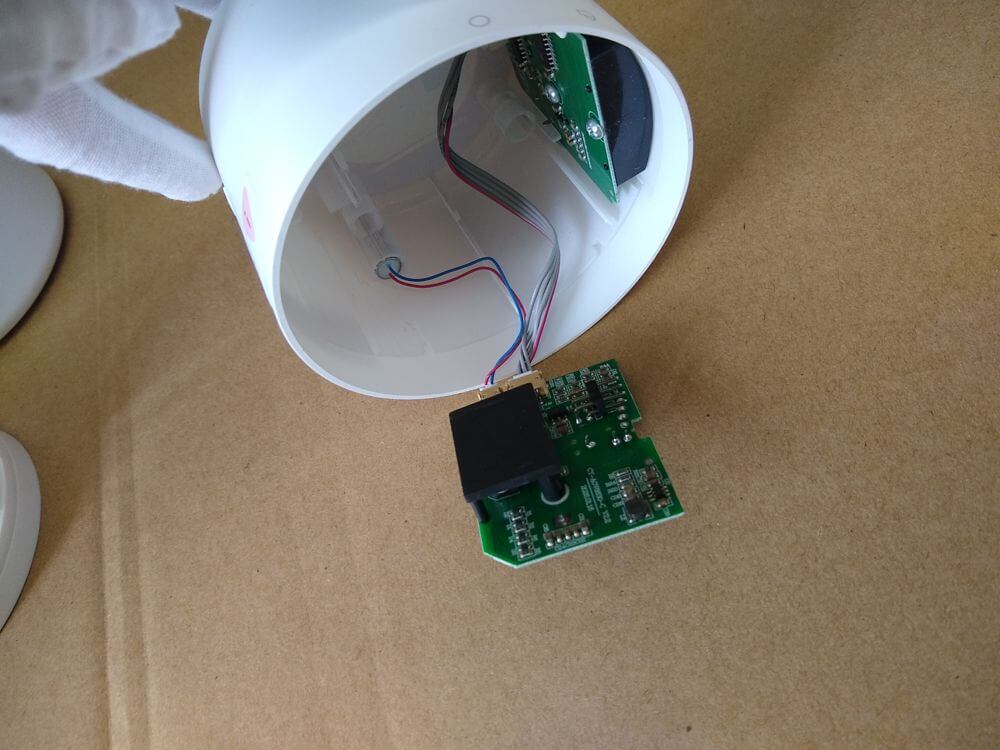
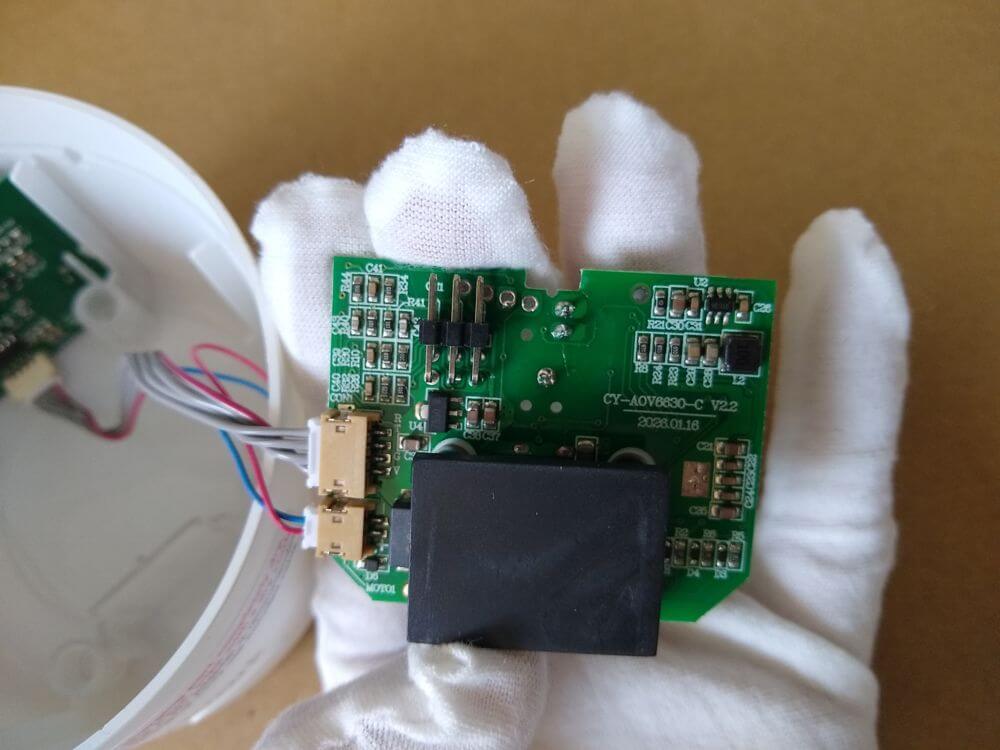
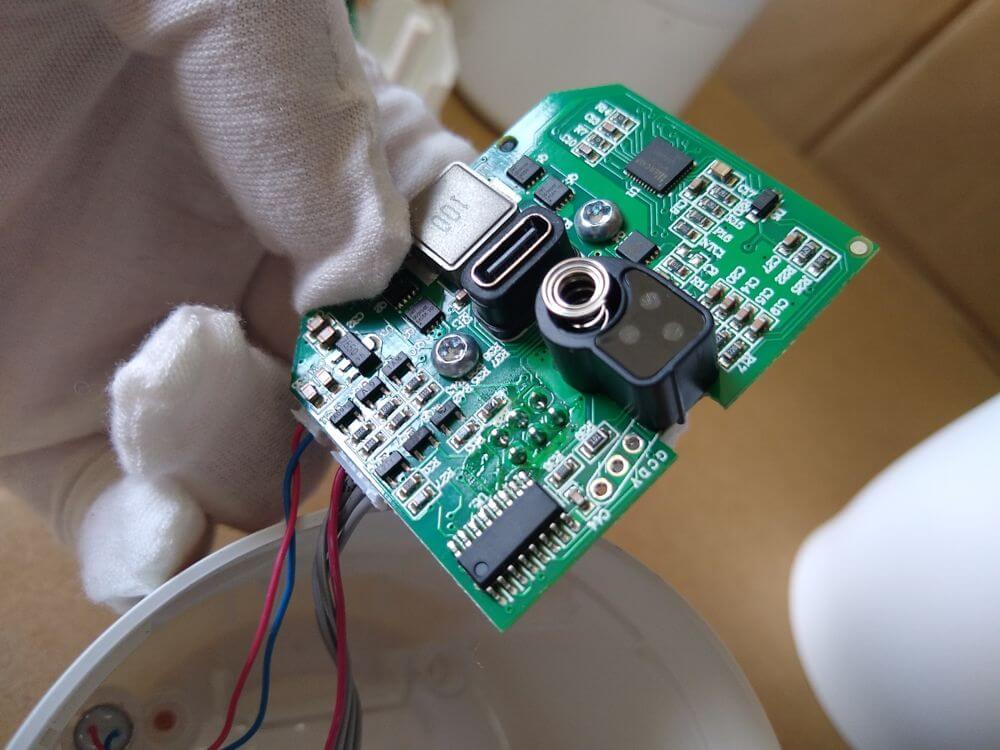
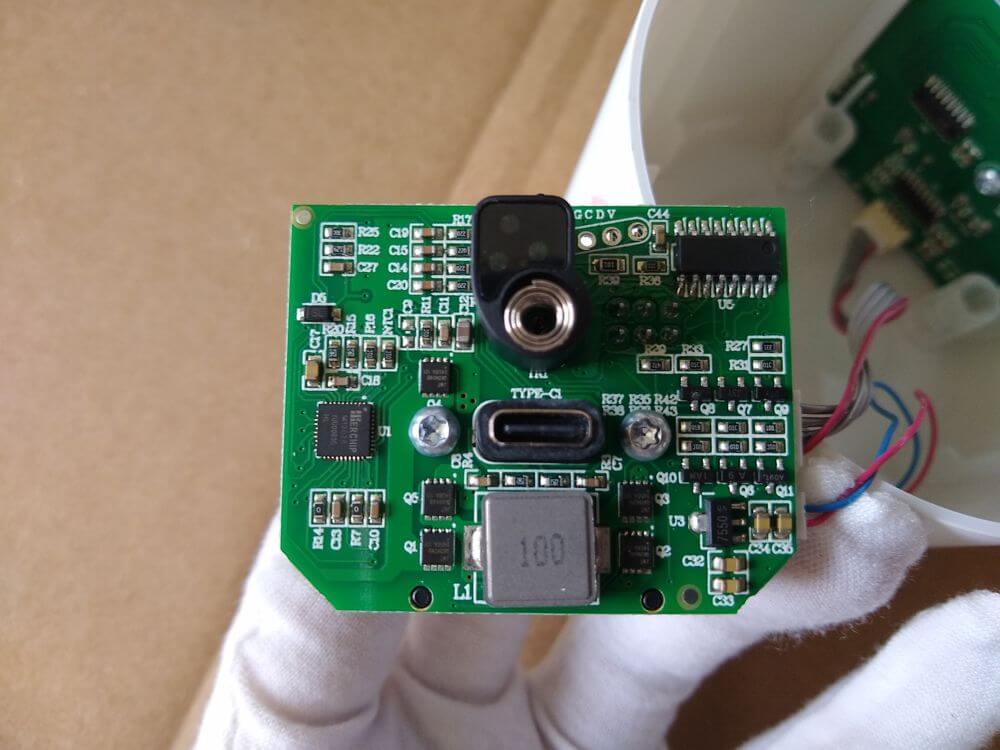
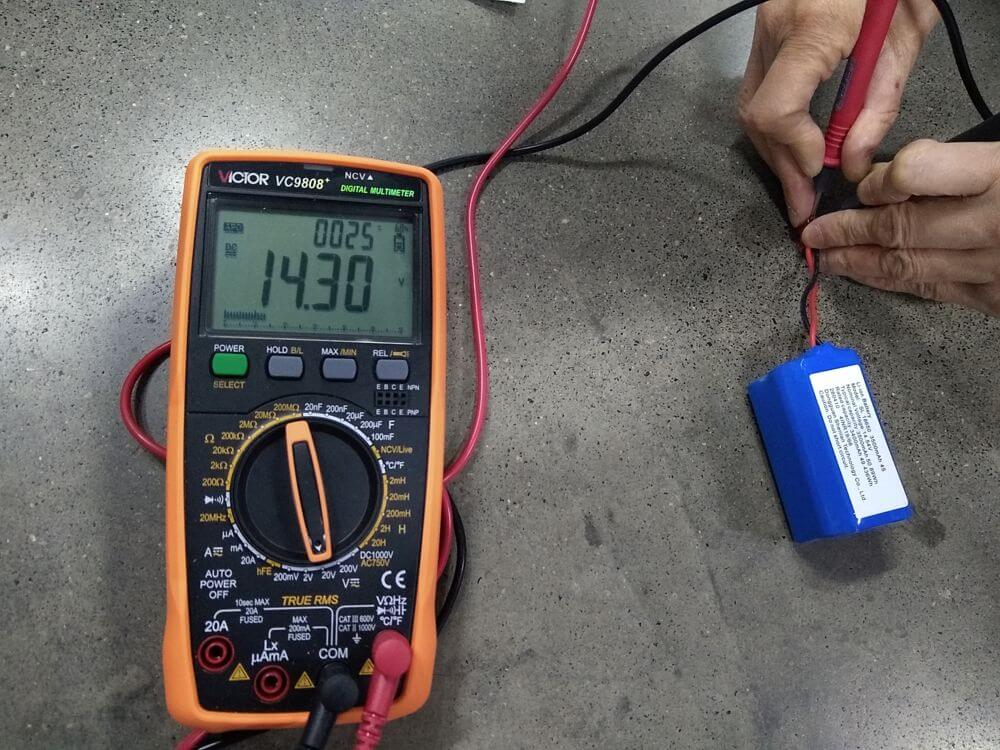
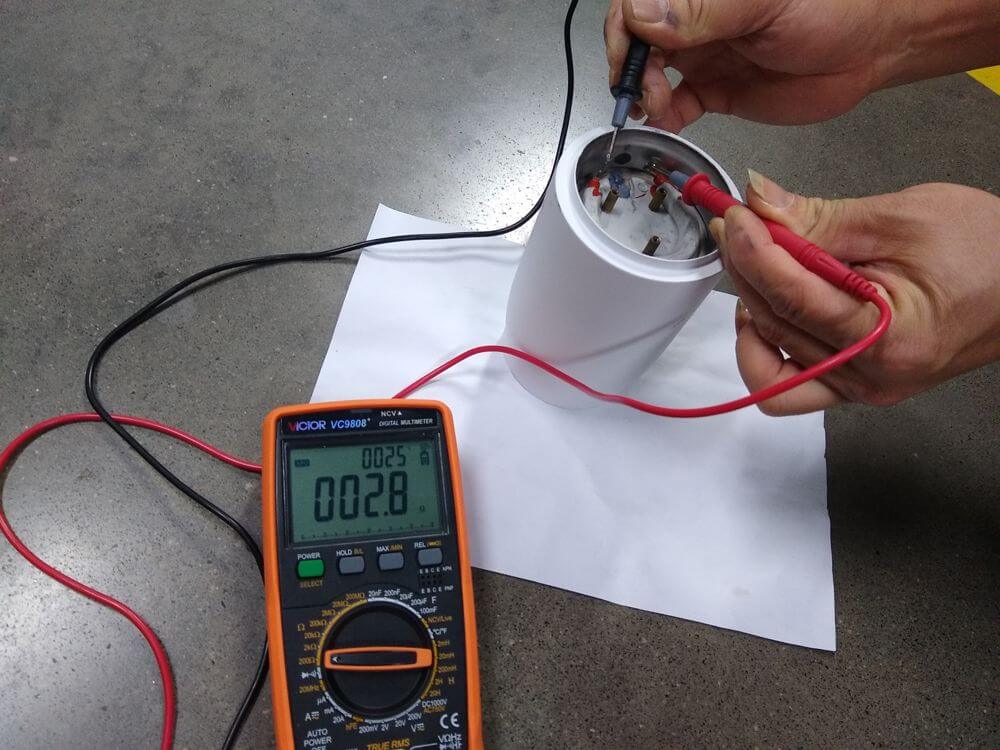
True to the factory's claims, the core functional components were genuinely high-end. The internal electronics, IC boards, and wiring solder points were exceptionally clean with zero burrs or stray edges. Battery voltage, current, power output, and charging cycles all met the technical specifications flawlessly.
However, beneath the pristine exterior and glowing electronic performance, two critical oversights came to light — exactly the kind of issues a thorough electronic product inspection is designed to catch:
1. The Assembly Mismatch — 0.6mm Tolerance Stacking
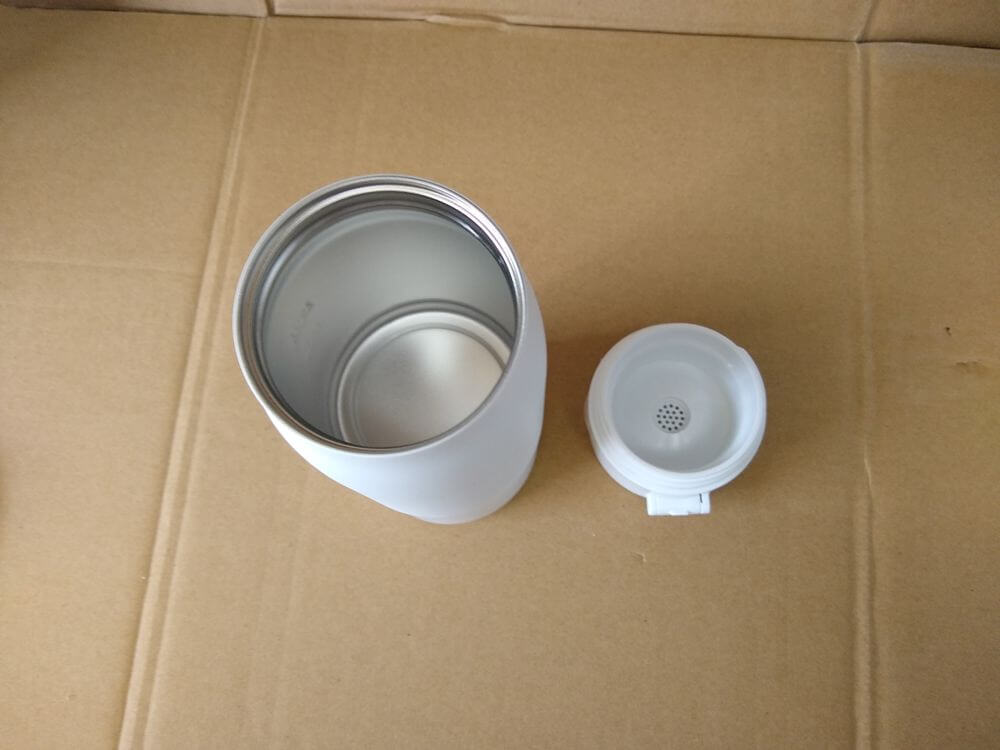
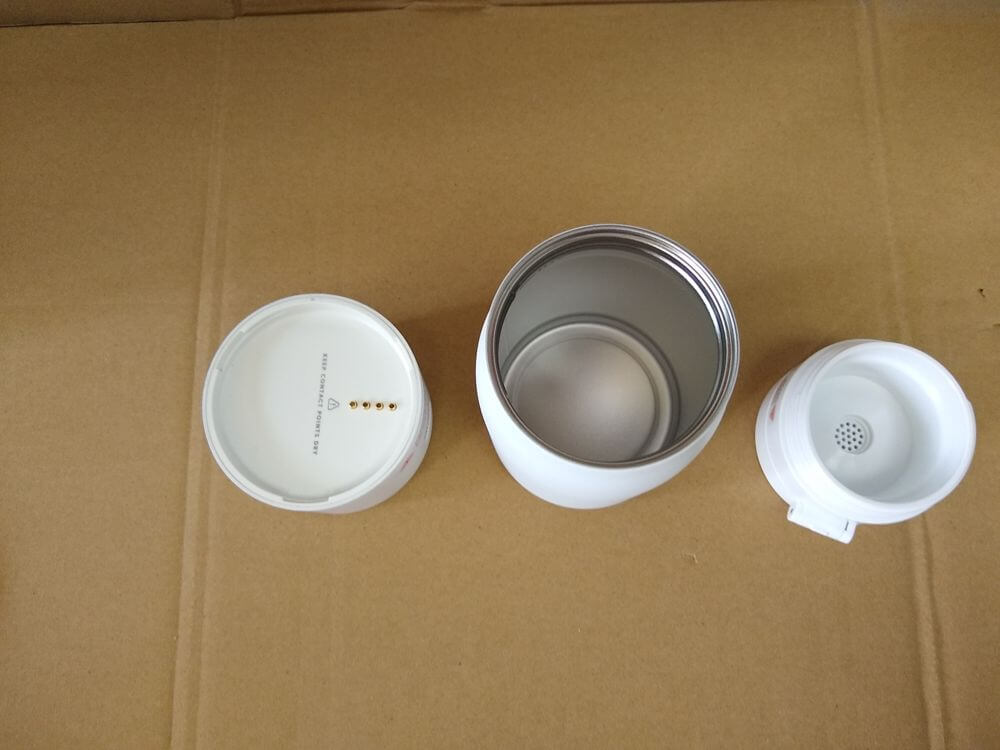
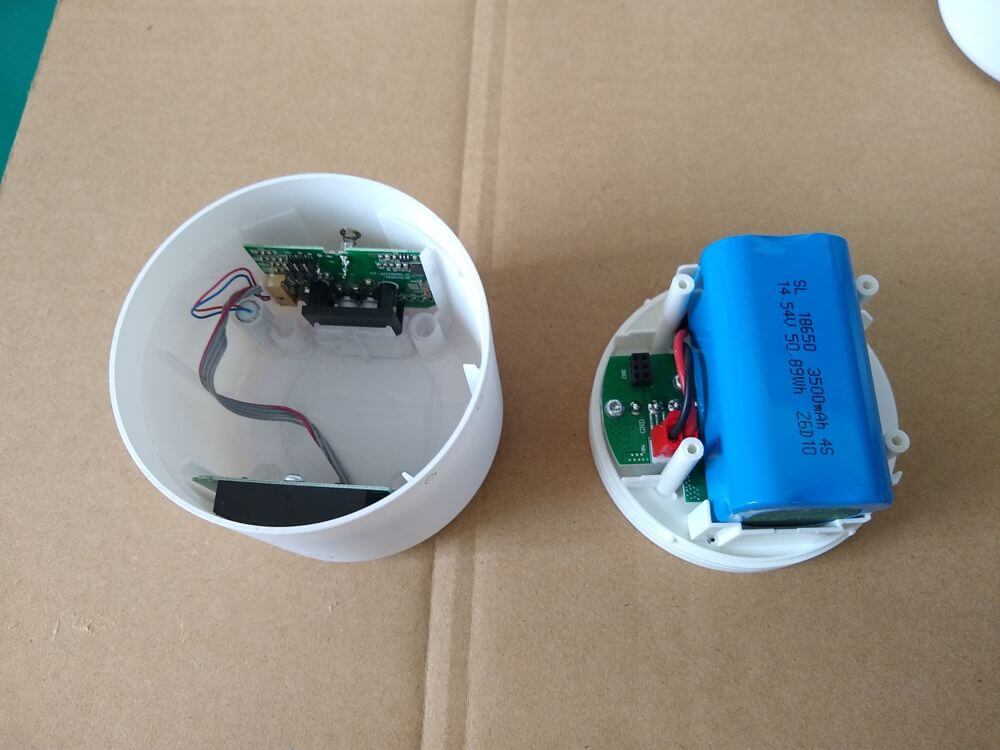
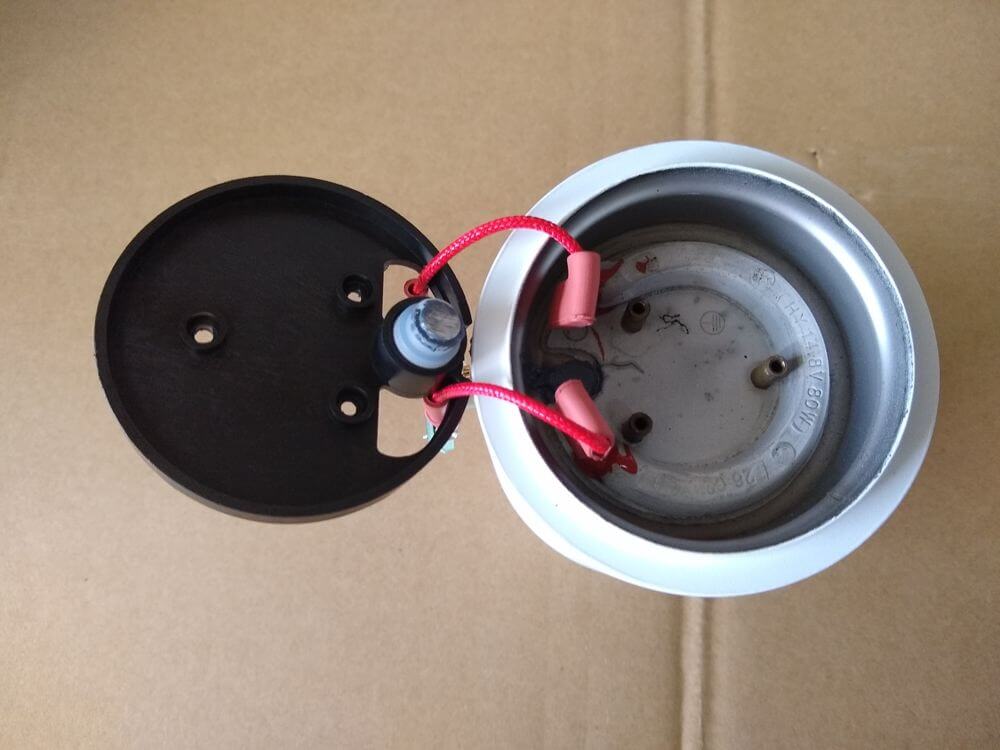
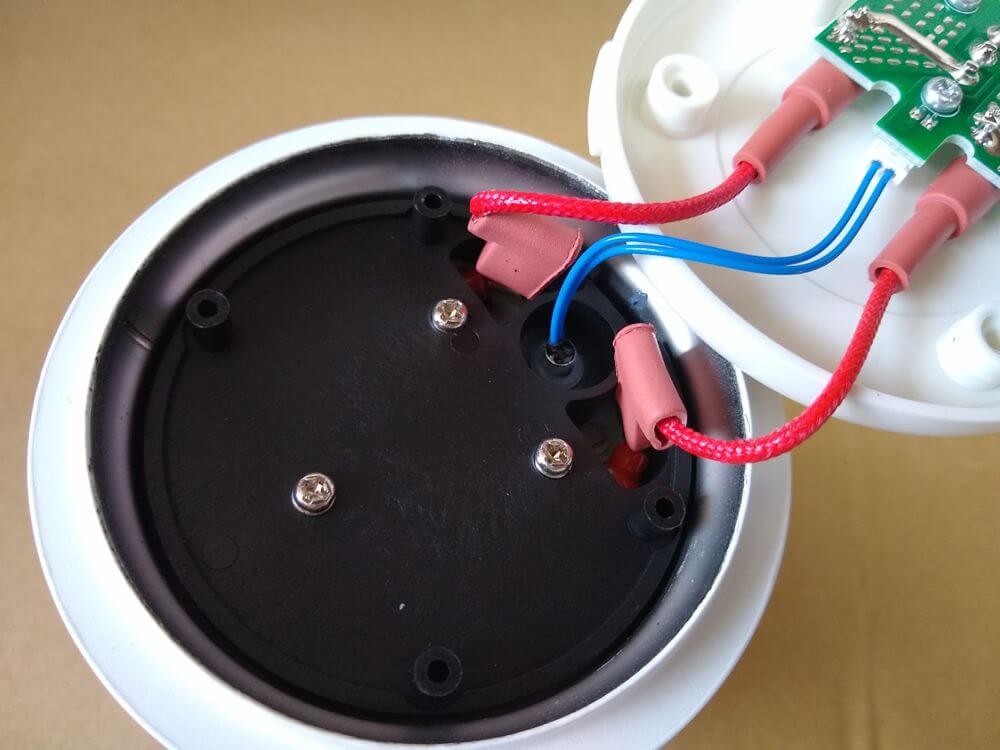
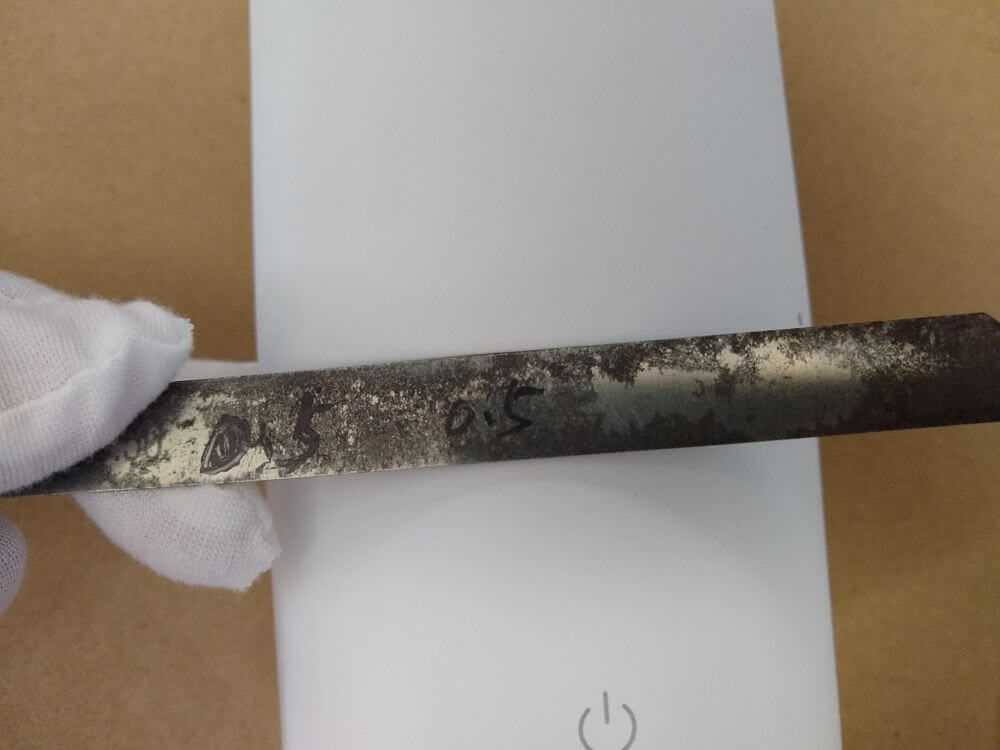
The milk warmer consists of a lower electronic base (housing the IC and battery) and an upper stainless steel bottle. Separately, both parts looked stunning. But when assembled together, a 0.6 to 0.9mm alignment deviation appeared at the joint — the top and bottom didn't sit flush, looking awkward and completely destroying the product's luxury aesthetic.
The factory staff were utterly stunned: “We've spent nearly a month pouring heart and soul into this, and somehow we completely missed this detail!” Hearing them sigh, “It was just an oversight,” our inspector couldn't help but smile wryly — it was a familiar refrain, yet deeply frustrating. For high-end product development, Pre-production In-process control (IPC) is a small investment that prevents massive headaches.
2. The Temperature Unit Confusion — Fahrenheit vs Celsius
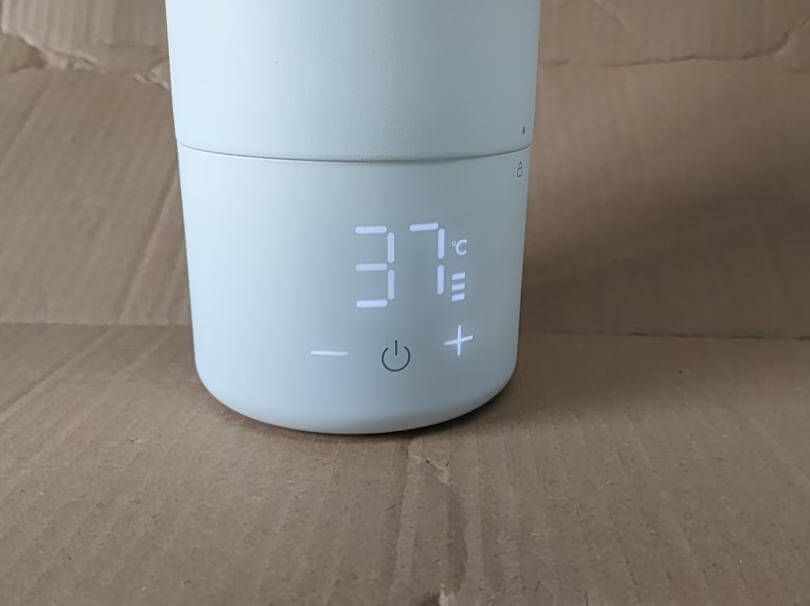
Because American consumers rely on Fahrenheit while the standard factory default was Celsius, opening up the batch revealed two mixed versions of temperature displays — some booting up at 94°F, others at 37°C — randomly mixed within the same shipment.
The factory looked equally baffled: another “oversight.” Fortunately, catching this before shipment meant packaging rework and firmware sorting could be handled locally — far cheaper and less stressful than dealing with a massive wave of returns from angry Amazon customers.
Electronic Product Inspection Finding — Assembly Deviation & Temperature Unit Confusion
Our inspection of these stainless steel electronic milk warmers turned up two independent issues at once: a mechanical assembly deviation on the base, and a firmware-level temperature unit mix-up. One involves mold precision; the other, firmware governance — two entirely different production lines, both out of control in the same shipment. This is the kind of compound failure that internal QC routinely misses and independent third-party oversight is designed to catch.
| Finding Analysis | Details |
|---|---|
| Product | Stainless steel electronic milk warmer bottle |
| Defect | 1) Alignment deviation of 0.6–0.9mm between base and bottle body after assembly; 2) Mixed temperature unit versions — Fahrenheit (94°F) and Celsius (37°C) — randomly distributed within the same batch. |
| Root Cause | Insufficient mold precision; failure to calculate integrated bilateral tolerance stacking during development (treating molds independently), plus a lack of pre-shipment firmware version control for the target market. |
| Corrective Action | Precision-repair or re-make molds; for the current batch, manually sort and test units to isolate combinations that fall within acceptable tolerance limits; uniformly flash all firmware to the Fahrenheit version for the US market. |
| Frequency | ⭐⭐⭐⭐☆ |
| Rework Difficulty | ⭐⭐⭐⭐☆ |
| Rework Collateral Risk | ⭐⭐⭐☆☆ |
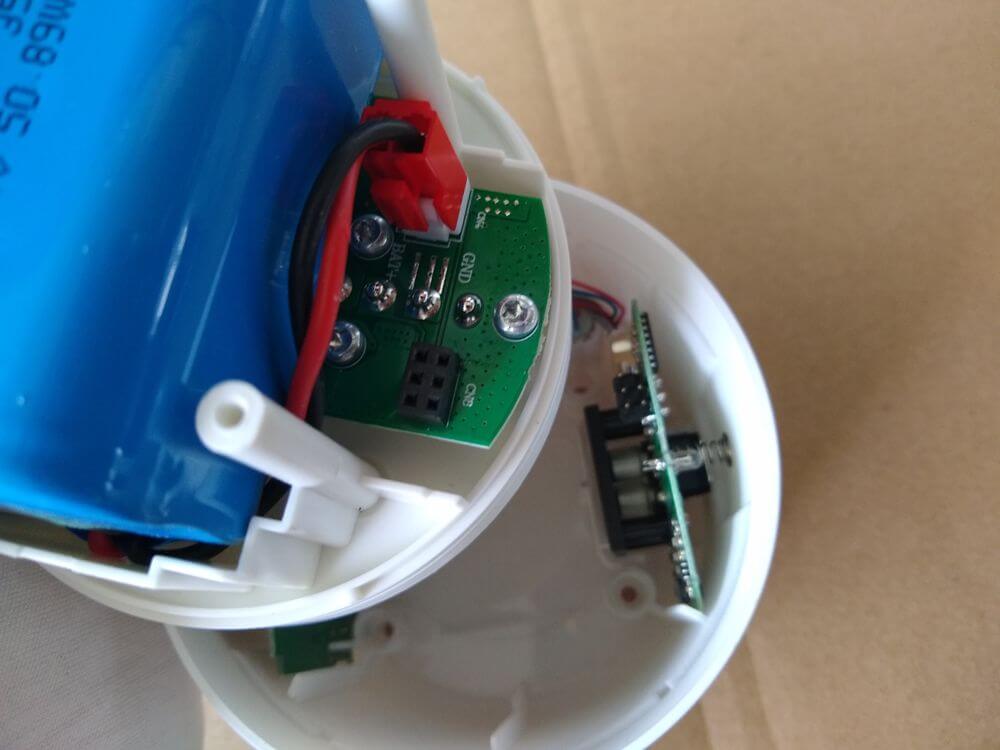
Inspection Photos — Electronic Milk Warmer Teardown & Measurement
The following photos document the complete teardown process — from the assembled product to the internal electronic components — along with key evidence of the deviation and temperature unit issues found during this electronic product inspection.
Product Teardown Sequence




Temperature Unit Confusion — Fahrenheit vs Celsius



Electrical Performance Verification
Assembly Deviation Evidence — 0.6mm+ Gap


Rework Effort & Risk Assessment
| Evaluation Metric | Rating | What It Means |
|---|---|---|
| Frequency | ⭐⭐⭐⭐☆ | High. Multi-component housing designs frequently suffer from tolerance stacking when independent mold makers don't align their parameters — a recurring pattern in electronic product inspection across Chinese factories. |
| Rework Difficulty | ⭐⭐⭐⭐☆ | Difficult. Fixing structural assembly gaps on completed molded parts requires manual matching, selective fitting, or costly mold re-machining. |
| Rework Collateral Risk | ⭐⭐⭐☆☆ | Moderate. Manually forcing or shaving mismatched parts risks scratching the pristine white paint or damaging internal waterproof seals. Firmware re-flashing carries minimal risk if done systematically. |
QC Insight for Electronic Product Buyers
For brand owners and Amazon sellers managing complex consumer electronics or smart home appliances:
- A clean workshop doesn't guarantee tolerance alignment. Even if a factory uses brand-new materials and maintains dust-free floors, mechanical design flaws can still occur if individual component molds aren't engineered with holistic assembly tolerance stacking in mind.
- Never skip market-specific specification audits. Software settings, default temperature units, and UI configurations must be locked down in writing before mass production begins.
- Invest in In-Process Control (IPC). Spending a little on mid-production checks catches structural fit issues when they are easy to fix, rather than discovering them after thousands of units are already boxed up.
- Don't let a pristine appearance distract you. The factory in this case did almost everything right — new molds, new materials, cleanrooms, rigorous electronic testing — but they missed the two most basic checks: assembly fit and market-specific default settings. A dedicated electronic product inspection before shipment would have flagged both in under an hour.
Why CNQ's Electronic Inspection Process Can Help You
For over 17 years, we have dedicated ourselves to being an independent third-party inspection company in China, combining deep technical expertise with an uncompromising eye for detail. We look beyond the immaculate surface of a clean workshop to verify how individual parts truly fit and function together—and it is this same rigor that has earned us a trusted reputation in product inspection across China. Before your goods ship, our team will:
- Conduct rigorous structural and dimensional checks across multi-part assemblies to catch tolerance issues early
- Verify software parameters, user interfaces, and market-specific default settings (like Fahrenheit vs. Celsius)
- Provide transparent, photo-documented reports so your internal team can make fully informed shipping decisions
Protect your brand's reputation on Amazon. Let CNQ be your eyes and ears on the factory floor in China. And normally 1 man-day is enough, you can estimate by using our Inspection Cost Calculator — enter your product category and quantity for an instant man-day and USD quote, and contact your CNQ experts for precise cost when you are ready.
Frequently Asked Questions About Electronic Product Inspection
Insufficient mold precision — the factory treated the lower electronic base mold and upper bottle mold independently without calculating the integrated tolerance stacking during development. Separately each part looked fine, but when assembled they did not sit flush.
The factory's default firmware was set to Celsius while the target US market requires Fahrenheit. Without pre-shipment firmware version control for the target market, both versions were flashed randomly within the same shipment.
Schedule pre-production in-process control (IPC) for high-end electronic products, verify firmware settings against the target market before mass production, and always run a pre-shipment inspection. Catching these issues locally is far cheaper and less stressful than Amazon returns.
Disclaimer: This case study is based on an actual pre-shipment inspection performed by China Quality Service. Product details and factory information have been anonymized to protect client confidentiality. The technical analysis and recommendations provided are for educational purposes only and should not replace professional on-site evaluation tailored to your specific product and supplier requirements.