
Garden & Outdoor Product Inspection: On-Site Verification Across Product Categories
Garden and outdoor products face a combination of environmental and mechanical stress factors that indoor products never encounter. A powder-coated aluminium chair that looks perfect on the factory floor can develop coating blisters after one summer of UV exposure. A parasol frame that opens smoothly during the demo can seize after a single season of rain and temperature cycling. A gas trimmer that starts on the first pull at the factory can develop a fuel line leak after weeks of engine heat and vibration.
These are not cosmetic problems. They are weathering, structural, and material degradation failures — and they surface months after the container has been unloaded, when the retail season is already underway. A single batch of improperly cured powder coating, misaligned screw holes on a flat-pack metal shed, an uncalibrated pressure hose connection, or a pool ladder that fails under load can lead to recalls, ocean freight damage, and destination customs holds. Based on 17 years of quality control experience in China, these failures are latent and inherently difficult to detect prior to real-world stress. Factory-level pre-shipment inspection is therefore the last point at which corrective action can be taken without incurring return freight, post-shipment rework, or missed retail seasons.
Common non-conformities found at factory sites concentrate in five areas: coating adhesion failure after UV exposure or salt spray, weld integrity on load-bearing metal frames, structural stability under the specified load, hardware corrosion on hinges and fasteners, and packaging that does not survive ocean freight. These defects are not reliably visible in product photos — they surface after the customer has assembled the product and used it outdoors, which is why physical verification by an independent inspection company before loading matters.
A standardised garden and outdoor product inspection follows systematic sampling protocols covering appearance, function, structure, coating and material quality, stability, load-bearing capacity, and packaging. It is delivered as China quality control inspection service built on ANSI/ASQ Z1.4-2003 (R2018) sampling. The sections below define quality control inspection coverage by product category and the physical test protocols our inspectors perform on site.
Garden & Outdoor Product Inspection Scope
Outdoor Power Equipment & Garden Tools
Petrol and battery-powered trimmers, mowers, chainsaws, hedge trimmers, pressure washers, brush cutters, pole pruners and leaf blowers. These carry mechanical and electrical hazards. On-site factory inspection covers cold and warm engine start checks, full-load thermal rise audits, optical tachometer RPM measurement, noise level audits under EU Directive 2000/14/EC (amended by Regulation (EU) 2021/1242), and emergency chain brake response time checks — average stopping time must not exceed 0.12 seconds, with a maximum of 0.15 seconds, per EN ISO 11681-1 for handheld portable chainsaws. Common findings: fuel line seepage at the carburetor, chain brake response above specification, and overheating under sustained load.
Garden Sheds & Outdoor Storage Structures
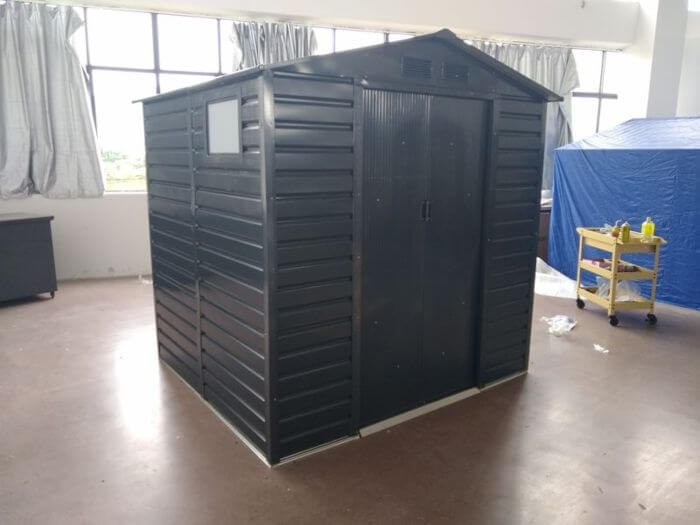
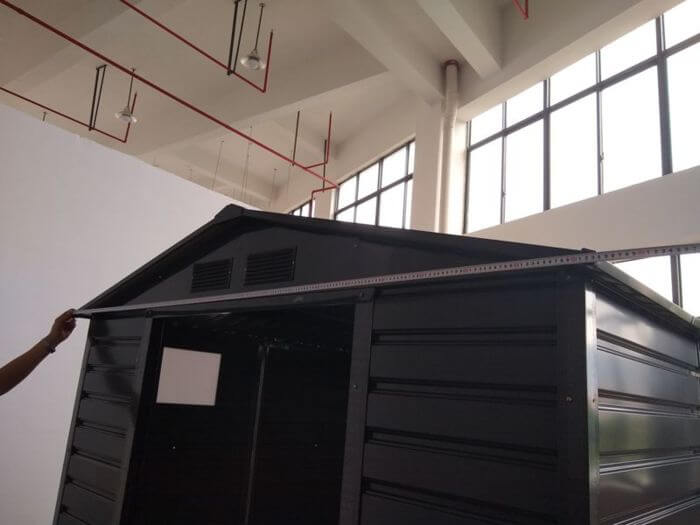
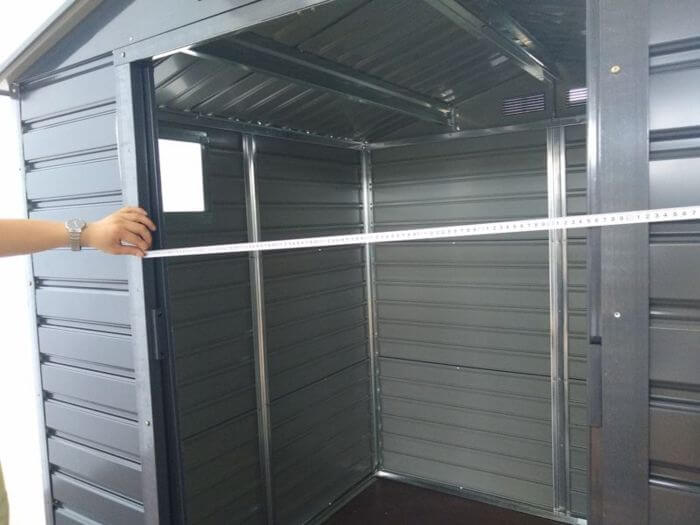
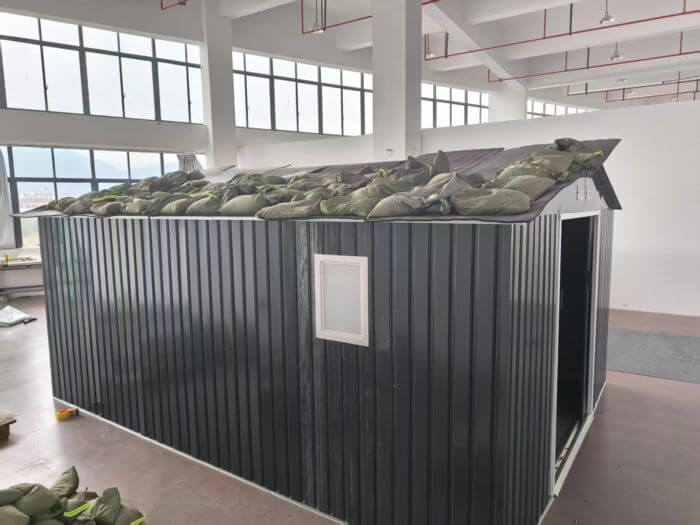
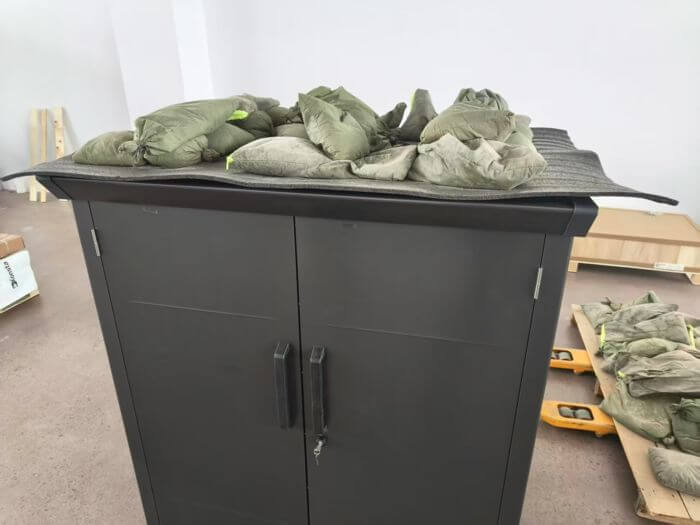
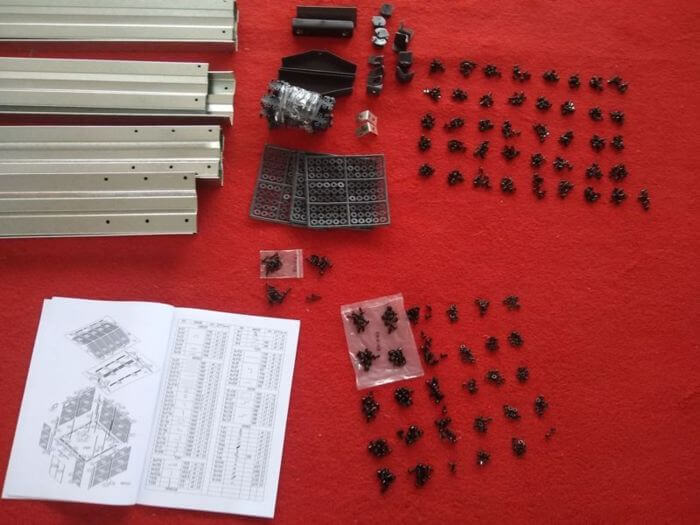
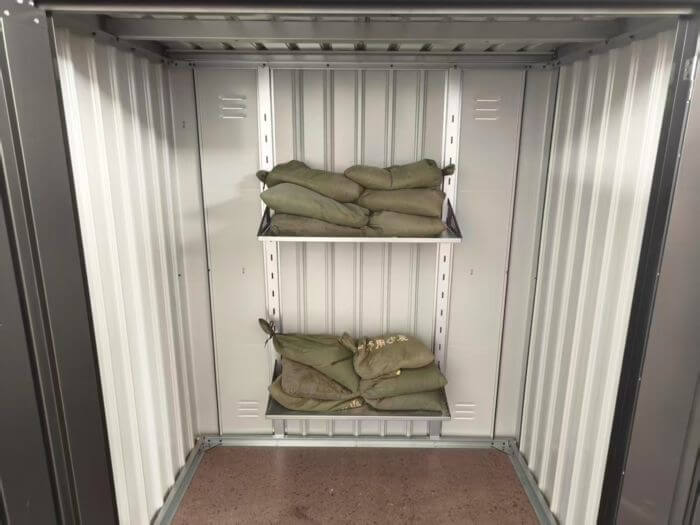
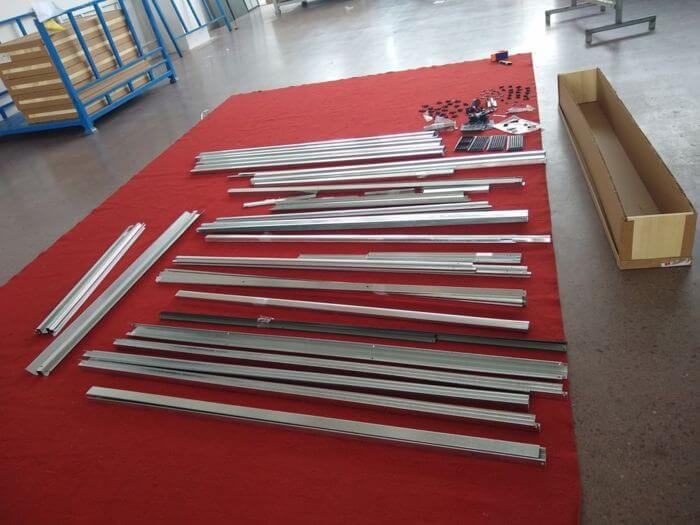
Flat-pack metal sheds, resin sheds, wooden storage units and outdoor cabinets. Key risks: panel alignment issues, thin sheet metal or plastic buckling, inadequate roof load capacity, water leakage at roof seams, missing flat-pack hardware kits, and sharp raw metal edges. On-site product inspection verifies sheet thickness with micrometers, conducts partial or full trial assembly to check frame squareness and screw hole alignment, performs water-tightness spray tests on roof joints, checks edge de-burring to prevent injury hazards, and performs hardware pack weighing and counting audits.
Charcoal & Gas BBQ Grills
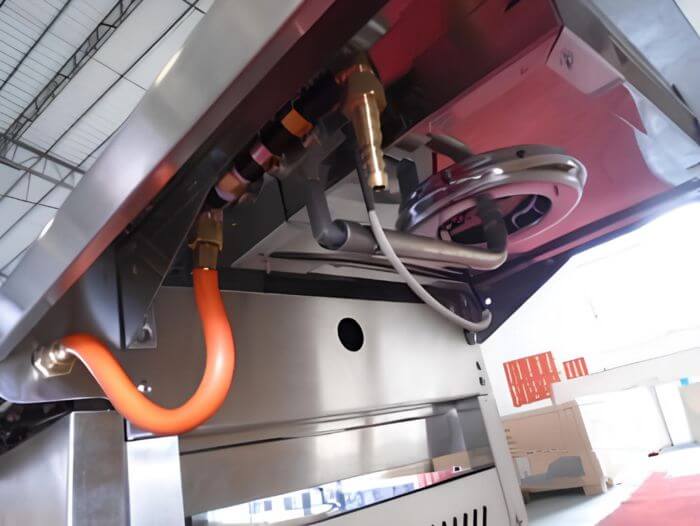
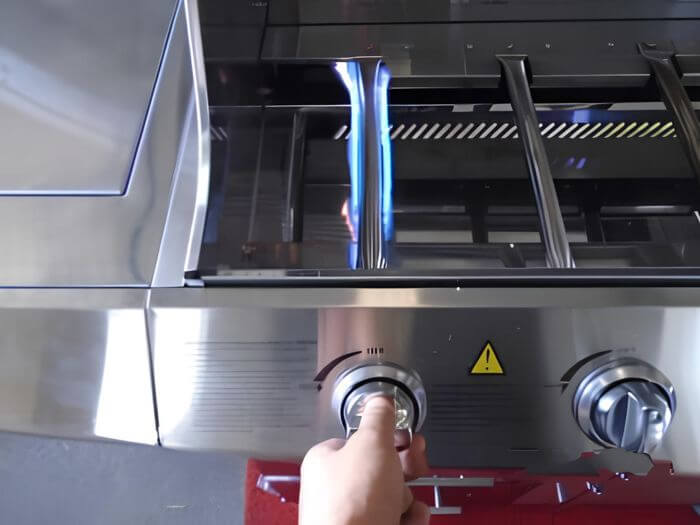
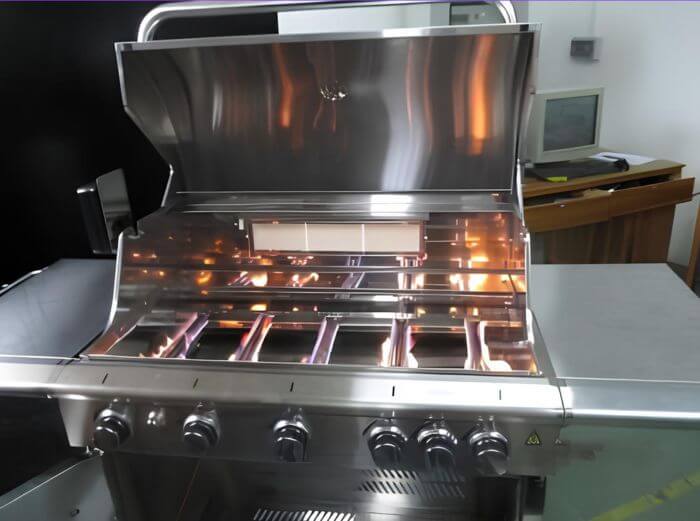
Portable tabletop grills, kettle grills, barrel grills, gas grills, smokers and fire pits. High heat stress, tipping risks, and burn-through caused by insufficient sheet thickness are the primary concerns. Key on-site checks include cooking grid deformation under load (must not exceed 5%), fuel compartment sheet thickness verification (minimum 0.7 mm for steel under 400 mm diameter, 0.8 mm above; 2.5 mm for cast iron), ash catcher opening measurement (per EN 1860-1, with limits depending on access type — confirm the applicable value against the current standard), and 10° inclined plane anti-tipping stability tests. Gas models additionally undergo gas connection integrity and leak checks.
Private Swimming Pools & Means of Access
Kit-form pools, above-ground pools, pool ladders, pool covers and pool cleaning equipment. Primary risks: child entrapment, ladder structural failure, and hydraulic deformation or burst under water pressure. On-site protocols verify entrapment gaps (per EN 16582: hole diameters must be ≤ 8 mm or ≥ 25 mm — no intermediate values), ladder step dimensions, 1500 N vertical load resistance on platforms and walls, 120 kg cylindrical-drum impact burst strength checks (destructive test performed on separate sample units, not part of the standard AQL appearance sample), and child-proof double-action safety lock mechanisms requiring at least 20 N release force or dual simultaneous actions.
Outdoor & Patio Furniture: Rattan, Metal & Weathering
Rattan and wicker seating, aluminium and steel dining sets, folding chairs, loungers, benches, hammocks, parasols and gazebos. Patio sets face corrosion, weld failure, and UV degradation. Inspectors check weld completeness, run tape adhesion tests (ASTM D3359 cross-hatch) on powder-coated metal frames, verify salt spray test records, and conduct 160 kg static load and anti-tip stability testing. Rattan weave is checked for colour consistency, tensile elasticity and UV colour retention.
Playground & Outdoor Fitness Equipment
Home-use swing sets, climbing frames, trampolines, and outdoor fitness stations. Evaluation covers structural weld integrity, bolt and fastener security, load-bearing capacity, entrapment gap measurement (per EN 71-8 / ASTM F1148 for home-use activity playground equipment), sharp edge detection, and stability verification. Common findings: missing bolt caps, entrapment gaps within the prohibited range, and anchor point failure under load.
Garden Hoses, Pumps & Water Features
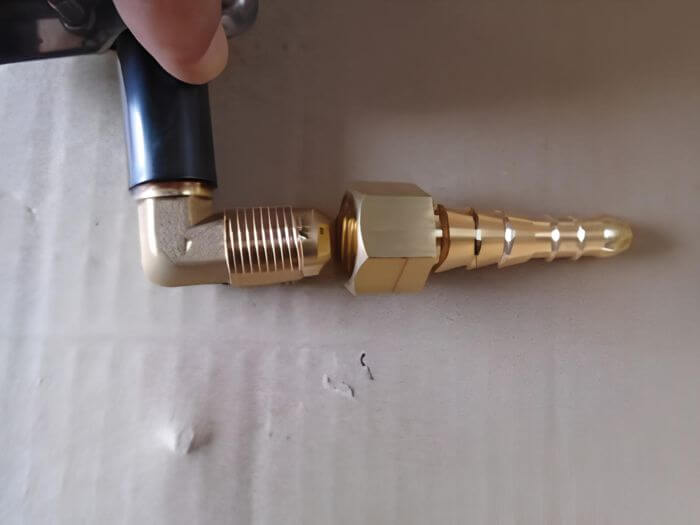
Garden hoses, expandable water pipes, submersible pumps, pressure washers, water features and irrigation equipment. Independent quality inspection covers hydrostatic pressure testing at the specified bar rating, fitting and connector integrity, pump function and flow rate, sealing integrity, and UV resistance of hose material. Common findings: fitting disconnect under pressure, crimp leakage, and pump overheating under sustained load.
Real Cases: How Garden & Outdoor Product Defects Reach a Container
Garden and outdoor defects rarely announce themselves on the sample bench. They surface weeks later as a customer complaint, a recall notice or a retailer chargeback, by which time the container has been unloaded. The three patterns below recur most often on garden and outdoor production lines.
Panel Hole Misalignment on Flat-Pack Metal Garden Sheds
During a pre-shipment inspection in China for 1,500 flat-pack metal garden sheds in Yongkang, Zhejiang province, our inspector conducted a complete trial assembly of one randomly chosen box. Pre-drilled holes on the roof frame misaligned by 5 mm with the side wall panels, making full installation impossible without re-drilling. The factory was forced to re-punch and fix the tooling jig before shipping, preventing massive customer returns and negative retailer reviews overseas. This defect would not have appeared in any visual inspection service— only a full trial assembly reveals it.
Fuel Line Cracking on Gas-Powered Garden Trimmers
During a pre-shipment inspection of 3,000 gas hedge trimmers in Zhejiang, inspectors ran 15-minute full-load engine tests. Micro-seepage appeared at the carburetor fuel line. The factory had substituted the specified fuel-resistant NBR rubber with cheap PVC tubing that degraded under fuel exposure and engine heat. The entire lot was re-worked prior to loading, preventing major fire hazards at destination. A 15-minute full-load run is the only way to catch this — a cold start check would have passed.
The BBQ Grill That Passed Visual Quality Inspection and Failed Stability
A batch of portable charcoal grills passed appearance, dimension, and function checks. The lid opened and closed, the air vents moved freely, and the grate sat level. During stability testing on an inclined plane, however, the grill tipped forward at 8° — below the 10° threshold that the buyer's specification required. The root cause was a leg splay angle that had been reduced by 3° from the approved sample to reduce packaging volume. The defect was invisible in photographs and undetectable by visual quality assessment — only the stability test on an inclined plane caught it.
On-Site Physical & Mechanical Product Testing Protocols
The following tests constitute the standard baseline for third-party inspection of garden and outdoor products. Test parameters are adjusted per product category, destination market standards and the buyer's written technical specification. Chemical compliance and full certification testing are handled separately at CNAS-accredited (ISO 17025) laboratories.
1. Appearance & Workmanship
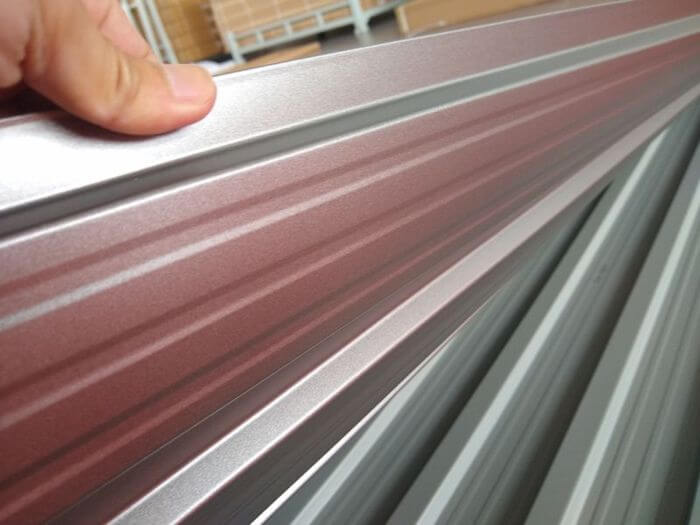
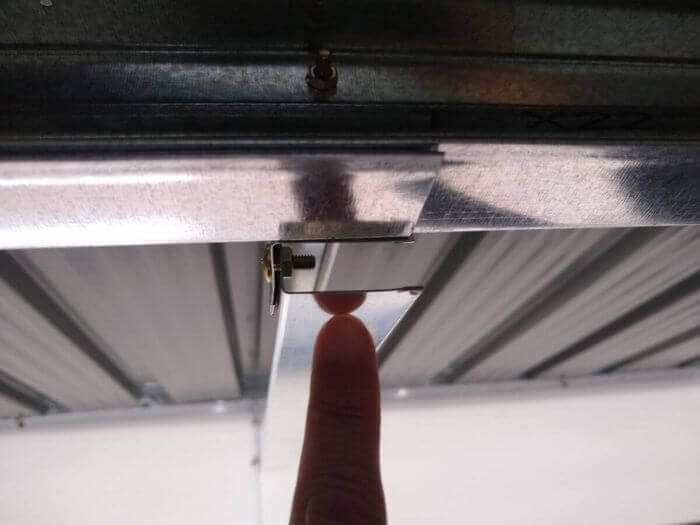
Checks cover frame finish, coating uniformity, weld appearance, weave consistency, hardware plating quality, fabric stitching, and label placement. Cosmetic defects that conceal a structural or material issue are classified as Major. Surface marks that do not affect function or weathering performance are classified as Minor. On metal sheds, exposed raw cut edges are treated as a safety hazard, not a cosmetic issue — we documented this failure mode in a garden metal shed sharp edge case, where un-deburred panel edges alone justified holding the batch.
2. Dimensional Verification
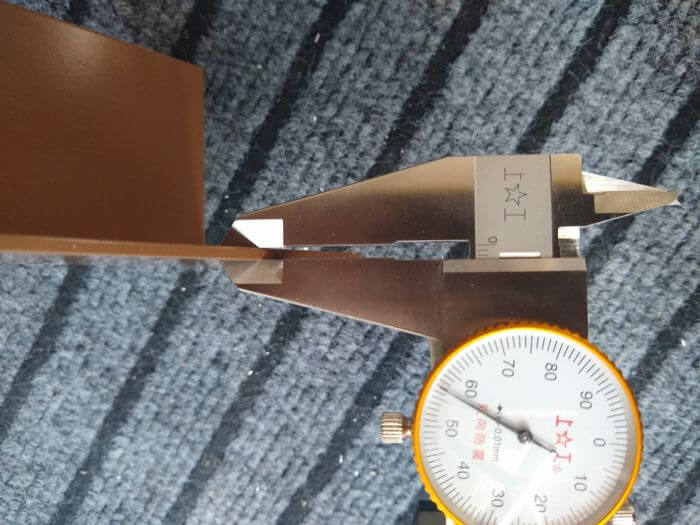
Critical dimensions are measured against the buyer's drawings or specification: overall dimensions, seat height, table height, frame tube diameter and wall thickness, parasol rib length, shed panel dimensions, and mounting interface dimensions. Wall thickness is verified with an ultrasonic thickness gauge on metal frames where access allows. Sheet metal thickness on sheds and BBQ grills is measured with a vernier caliper or slide gauge.
3. Load & Structural Testing
Standard weights apply the specified load to seating, table tops, and structural components. Reference values from our 17 years of factory-floor quality verification experience:
- Seating load test: 160 kg applied to the seat surface for 1 minute — no permanent deformation, no frame cracking, no weld separation.
- Backrest load test: 80 kg applied to the backrest at the specified angle — no frame damage or deformation.
- Armrest load test: 50 kg applied vertically to each armrest — no cracking or joint failure.
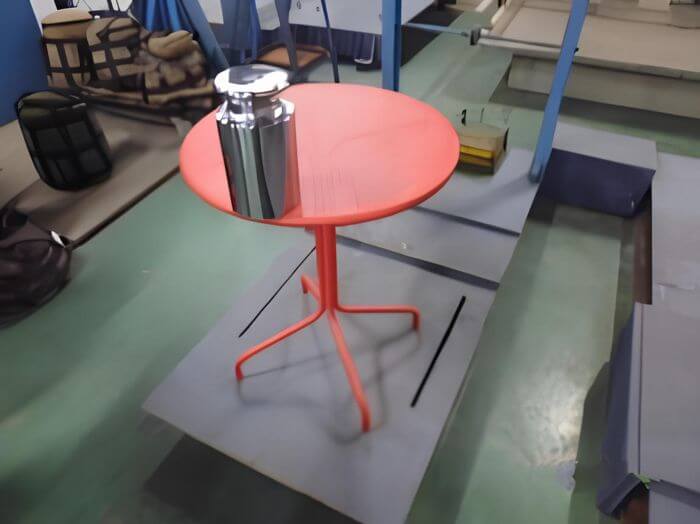
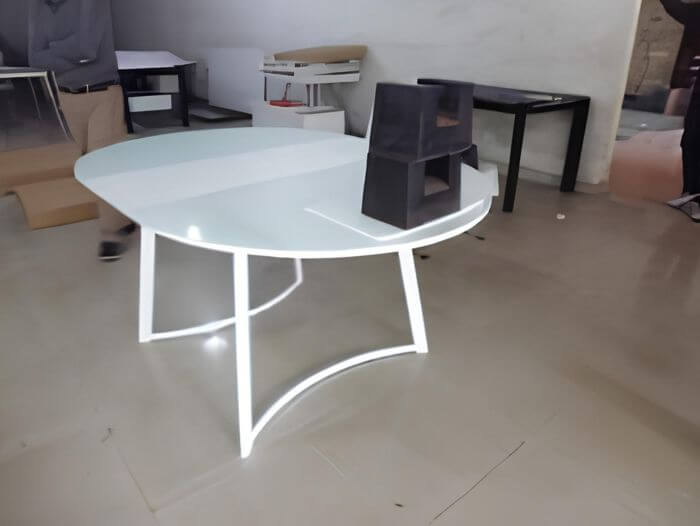
- Table top static load: rated load applied to the tabletop centre for 1 hour — no permanent deformation, no joint failure.
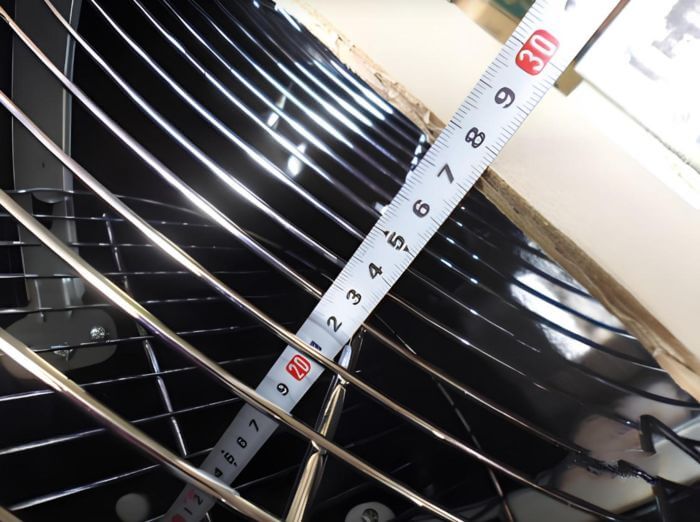
- BBQ cooking grid load deformation: measure bar distance before and after static load test — deformation must not exceed 5% of bar length; bar gap must remain at least 20 mm.
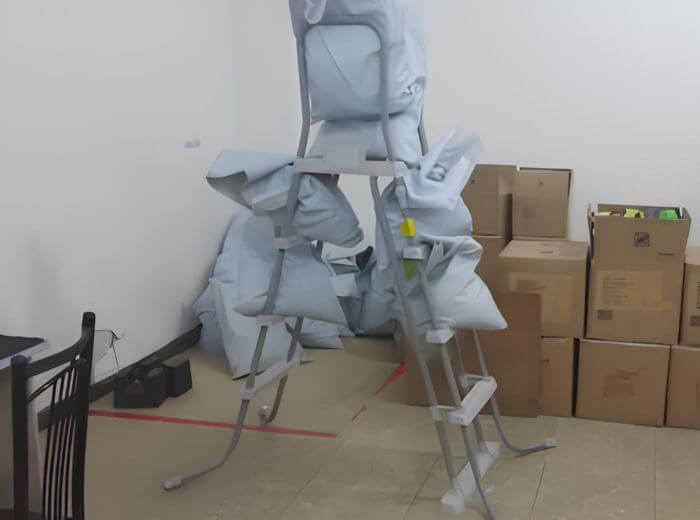
- Pool ladder platform load resistance: apply 1500 N vertical force on a 100 × 100 mm area for 5 minutes — no permanent deformation exceeding 1% of length.
- Pool kit burst and impact strength: tilt a 120 kg cylindrical barrel from 60–64 cm height into the water basin — pool wall must not break or suffer permanent structural distortion.
4. Stability & Tip-Over Testing
Seating, tables, BBQ grills and parasols are placed in the most unfavourable normal-use position on an inclined plane. Reference values:
- Outdoor seating: tested at 6° (domestic use) or 10° (contract use) under EN 581-2 — no overturn.
- Outdoor tables: tested at 6° under EN 581-3 — no overturn.
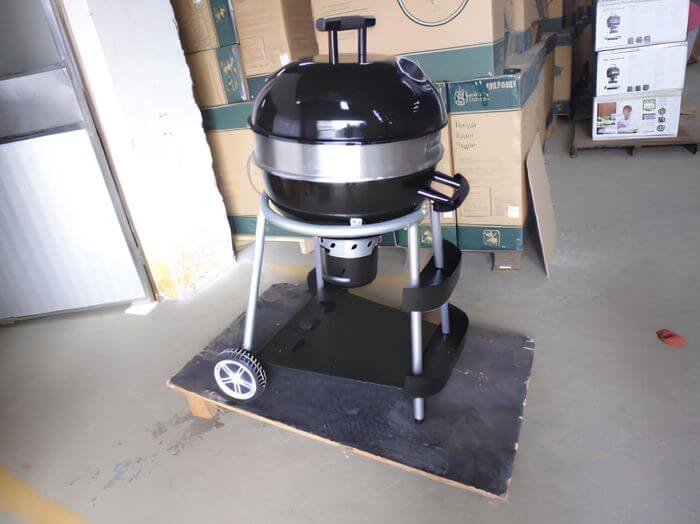
- BBQ grills and fire pits: tested at 10° incline — no tipping in any orientation.
- Parasols (centre-pole): tested at 6° with the canopy deployed — no overturn.
5. Coating & Surface Treatment Verification
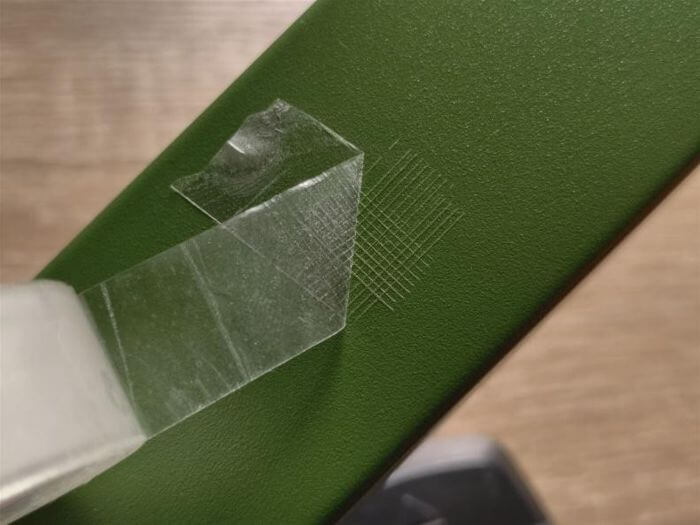
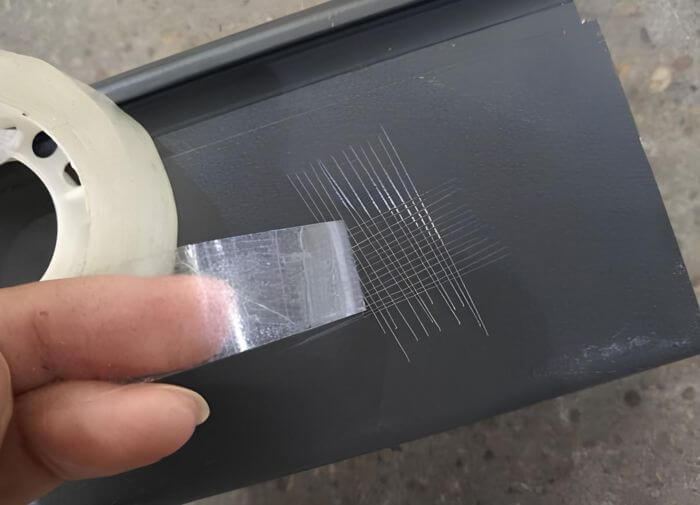
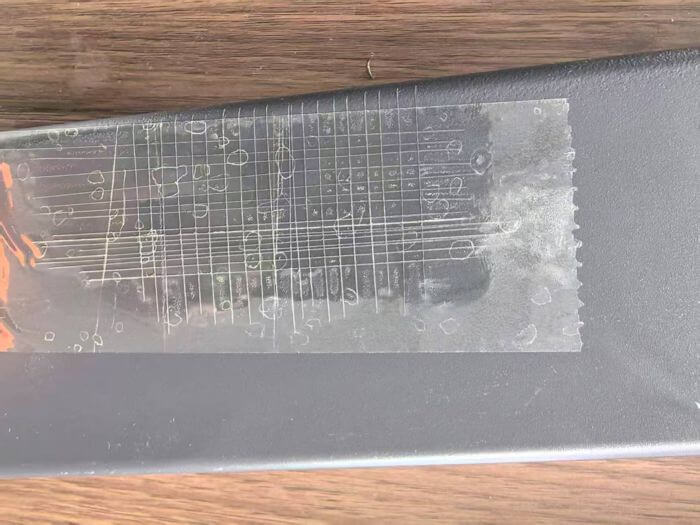
Coating adhesion is tested by tape-lift screening (3M 610 high-adhesion tape pressed firmly over the coated surface and pulled at a consistent angle) and by the cross-hatch method (ASTM D3359 / ISO 2409) where a graded classification is required. No flaking or peeling of paint or coating along lattice cuts is permitted. For powder-coated surfaces, the inspector checks for visible blisters, pinholes, orange peel, and colour uniformity. Coating thickness is measured with a magnetic coating thickness gauge where the substrate is ferrous. Coating thickness below the specified minimum is recorded as a Major non-conformity. Salt spray corrosion testing is performed at a CNAS-accredited laboratory partner where required.
6. Hardware & Fastener Verification
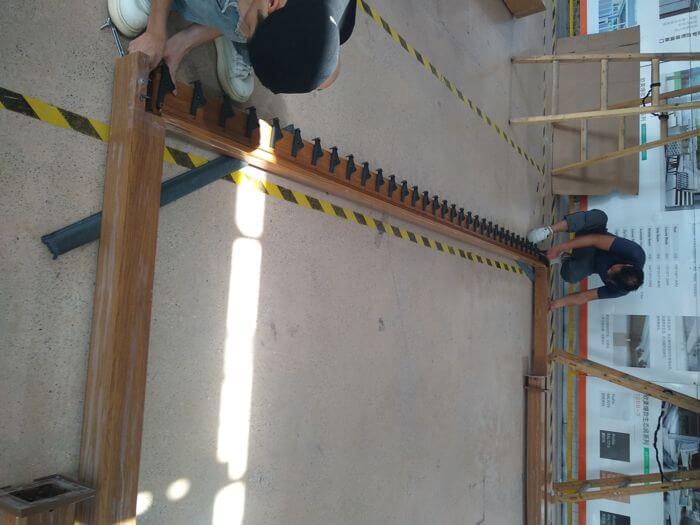
Bolts, screws, rivets, hinges and connectors are checked for material grade, plating quality, and security under load. Each load-bearing fastener is verified for correct tightening torque and the presence of locking mechanisms (nylon insert nuts, thread-locking compound, or spring washers). Missing or incorrect fasteners are classified as Major. Hardware with visible corrosion at the factory is classified as Major — it will only worsen in transit and use. For flat-pack products, hardware kit contents are 100% counted and weighed against the bill of materials.
7. Fabric, Canopy & Rattan Verification
Canopy fabric, cushion covers, sling materials and synthetic rattan are checked for colour consistency, stitching integrity, and UV resistance where the buyer's specification requires it. Seam strength is tested at high-stress points. Canopy fabric is checked for waterproof coating uniformity and the absence of pinholes. Rattan weave is checked for tensile elasticity, uniform colour, and pattern consistency. UV resistance testing (QUV, Xenon Arc, or equivalent) is arranged at a CNAS-accredited laboratory partner where required — it cannot be performed on the factory floor.
8. Function & Mechanism Testing
Folding mechanisms, reclining mechanisms, parasol cranks, tilt systems, shed door hinges, and locking mechanisms are operated through their full range for 10 consecutive cycles (cycle count may be increased per buyer specification). Operation must be smooth across the full range, with no jamming, no abnormal noise, and no binding. Mechanisms that lock must engage and release reliably. A mechanism that fails under repeated cycling is classified as Major.
9. Engine & Powered Equipment Testing
Petrol and battery-powered garden tools are run through cold and warm start checks, full-load running tests (typically 15 minutes), and thermal rise measurement. RPM is verified with a non-contact optical tachometer. Noise level is measured with a sound level meter at standard distance. Chain brake response time is measured on handheld chainsaws — average stopping time must not exceed 0.12 seconds, with a maximum of 0.15 seconds, per EN ISO 11681-1. Fuel system integrity is verified under load — no seepage at the carburetor, fuel line, or fuel tank connection. Electrical safety screening (hi-pot and earth continuity) is performed on battery-powered and mains-powered products.
10. Hydrostatic Pressure & Water Seepage Testing
Garden hoses, expandable water pipes, fittings, submersible pumps and pressure washers are tested with a portable hydrostatic pressure rig at the specified bar rating for 60 seconds. Zero hose popping, fitting disconnect, or crimp leakage is permitted. Pressure washers are tested for pump output and pressure stability. Water features are checked for pump function, sealing integrity, and flow rate.
11. Entrapment & Child Safety Verification
For swimming pools, pool ladders, playground equipment and children's outdoor products, gauges verify reachable openings fall outside the entrapment range. Per EN 16582 for swimming-pool assemblies: hole diameters must be ≤ 8 mm or ≥ 25 mm — no intermediate values. For home-use playground equipment, openings shall be assessed per EN 71-8 / ASTM F1148 — an opening that permits insertion of a 7 mm rod must also permit insertion of a 12 mm rod, so no intermediate gap between 7 mm and 12 mm is permitted. Moving parts (drawers, doors, folding mechanisms, shed door hinges) are checked for pinch risk. Child-proof locking mechanisms must require at least 20 N release force or dual simultaneous actions. Any entrapment gap or detachable small part is classified as Critical.
12. Packaging & Shipping Marks
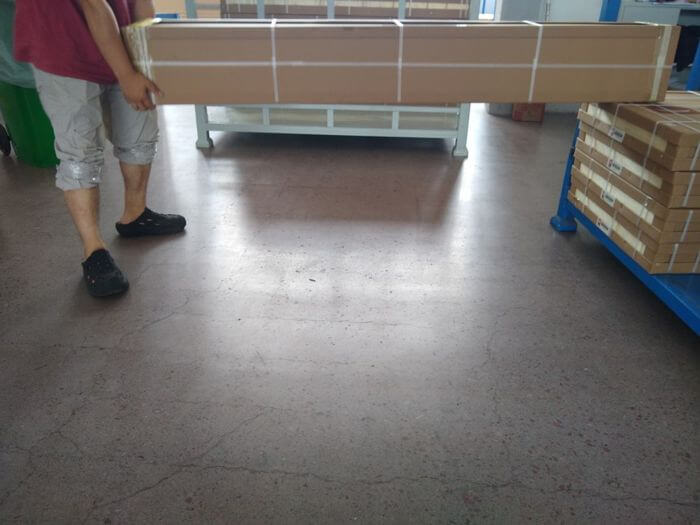
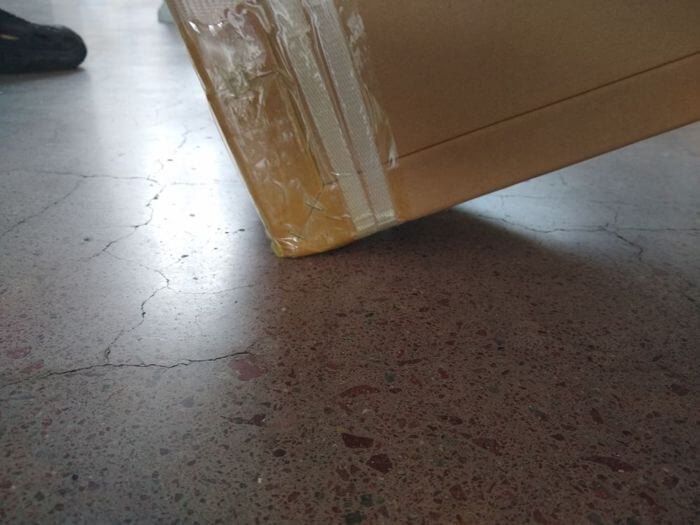
Packaging checks cover carton board grade and weight, corner protection, inner cushioning, hardware separation, and how long or heavy components are supported within the carton. For products with glass or mirror components, additional cushioning verification is performed. Drop test evidence or compression test data is reviewed where specified — carton design often decides whether a flat-pack product arrives intact, as our KD metal fence drop test case documents. Master carton shipping marks are verified against the buyer's specification.
Key On-Site Quality Control Protocols — Reference Table
| Product Line | Test Checkpoint | Standard / Inspection Method | Acceptance Criteria |
|---|---|---|---|
| Garden Sheds | Trial Assembly & Hole Alignment | Assemble 1 unit per lot to check frame squareness and panel hole match | Screw holes must align without forced bending; doors must open/close smoothly without dragging |
| Garden Sheds | Sheet Metal / Panel Thickness & Edges | Vernier caliper check on panel thickness; visual and tactile edge safety check | Panel thickness must meet buyer-specified tolerances (example reference ± 0.05 mm); no sharp burrs or raw cut edges accessible to users |
| BBQ Grills | Cooking Grid Load Deformation | Measure bar distance before and after static load test | Deformation ≤ 5% of bar length; bar gap ≥ 20 mm |
| BBQ Grills | Fuel Compartment Thickness | Slide gauge measurement on uncoated metal / cast iron | Steel sheet ≥ 0.7 mm (<400 mm dia.) / 0.8 mm (>400 mm dia.); cast iron ≥ 2.5 mm |
| BBQ & Furniture | 10° Stability Check | Place fully assembled unit on a 10° inclined plywood plane | Shall not tip over in any orientation or worst-case condition |
| Swimming Pools | Entrapment Hazards | Probe gauge check on all accessible openings in basin / ladder | Per EN 16582: hole diameters must be ≤ 8 mm or ≥ 25 mm |
| Pool Ladders | Platform Load Resistance | Apply 1500 N vertical force on 100 × 100 mm area for 5 minutes | No permanent deformation exceeding 1% of length |
| Pool Kits | Burst & Impact Strength | Tilt a 120 kg cylindrical barrel from 60–64 cm height into water basin | Pool wall must not break or suffer permanent structural distortion |
| Garden Hoses & Pumps | Burst Pressure & Water Seepage | Hydrostatic pressure rig testing at specified bar rating for 60 s | Zero hose popping, fitting disconnect, or crimp leakage |
| Powder Coated Items | Coating Adhesion | Cross-hatch tape adhesion test (ASTM D3359 / ISO 2409) | No flaking or peeling of paint/coating along lattice cuts |
| Powered Garden Tools | Engine Run & Fuel System Integrity | 15-minute full-load run test; visual and tactile check on fuel line | No fuel seepage; chain brake average stopping time ≤ 0.12 s (max 0.15 s) for handheld chainsaws per EN ISO 11681-1 |
| Playground Equipment | Entrapment & Structural Checks | Gauge measurement on openings; load test on anchor points | Per EN 71-8 / ASTM F1148: openings that permit a 7 mm rod must also permit a 12 mm rod (no intermediate gap); no anchor failure under rated load |
What On-Site Quality Inspection Cannot Replace
On-site garden and outdoor product inspection confirms that production units match the specification and that structural margins are present. However, several categories of testing require laboratory conditions and dedicated test equipment, and are outside the scope of a factory-floor visit. Where these are required, samples are drawn during factory inspection and dispatched to a CNAS-accredited partner laboratory.
- UV and weathering testing — QUV accelerated weathering, Xenon Arc testing, and colour change measurement (ΔE) after defined exposure periods.
- Salt spray corrosion testing — neutral salt spray (NSS) testing to ASTM B117 or ISO 9227, typically 48 to 500 hours.
- Full mechanical certification testing — EN 581-2 and EN 581-3 type testing of seating and tables, performed at an accredited laboratory.
- Formaldehyde emission testing — TSCA Title VI / CARB Phase 2 for US-bound composite wood panels; EN 717-1 for EU-bound products; reference GB 18580-2025 for Chinese-market wood-based panels.
- Chemical compliance — REACH SVHC screening, heavy metals in coatings, phthalates in soft materials, and Proposition 65 for the US market.
- Flammability testing — EN 1021 for upholstered outdoor cushions, BS 5852 for UK-bound upholstered products.
- Gas appliance certification — ANSI Z21.89 / CSA 1.18 or EN 1860-2 certification testing for gas BBQ grills.
- Noise emission certification — Outdoor Noise Directive 2000/14/EC testing for powered garden equipment.
The distinction matters: the on-site factory inspection confirms production consistency, structural margins, and functional performance. The laboratory confirms the design meets the standard after controlled exposure. Both are required for a complete compliance position.
Applicable Garden & Outdoor Standards
| Target Market | Key Regulations & Standards |
|---|---|
| International | EN 581-1 (outdoor furniture — general safety requirements), EN 581-2 (outdoor seating — mechanical safety and stability), EN 581-3 (outdoor tables — mechanical safety and stability), EN 1860-1 (barbecues burning solid fuels), EN 1860-2 (charcoal and charcoal briquettes), EN 1860-3 (firelighters), EN 1860-4 (single-use barbecues), EN 16582 (domestic swimming pools), EN 16583 (pool access ladders), ISO 7172 (tables), ISO 7173 (chairs and stools), ISO 7174 (chairs stability), ISO 11148 series (hand-held non-electric power tools), EN ISO 11680-1 (pole-mounted powered pruners), EN ISO 11681-1 (handheld portable chainsaws), IEC 60745 series (hand-held motor-operated electric tools), IEC 60529 (IP ratings), IEC 60598 (luminaires) |
| United States | ANSI Z21.89 / CSA 1.18 (outdoor cooking specialty gas appliances), ANSI Z21.58 / CSA 1.6 (outdoor cooking gas appliances), UL 507 (electric fans), UL 588 (seasonal and holiday decorative products), ASTM F1148 (home playground equipment), ASTM D3359 (coating adhesion by tape test), California Proposition 65, CPSIA where applicable |
| European Union | EN 1860-1 / -2 / -3 / -4 (barbecues), GPSR (EU) 2023/988, REACH (restricted substances), EMC Directive 2014/30/EU (powered products), Low Voltage Directive 2014/35/EU (mains-powered products), Machinery Directive 2006/42/EC (powered garden equipment, superseded in EU by Machinery Regulation (EU) 2023/1230; still referenced for UKCA), Outdoor Noise Directive 2000/14/EC (amended by Regulation (EU) 2021/1242), EN 71-8 (swing, slide and similar activity toys for domestic use), EU Timber Regulation 995/2010 and EUDR 2023/1115 (wood products) |
| United Kingdom | BS 4875 (strength and stability of furniture), Furniture and Furnishings (Fire) (Safety) Regulations 1988 (where applicable to outdoor cushions), UKCA marking, Supply of Machinery (Safety) Regulations 2008 |
| China | GB 28478 (outdoor leisure furniture safety requirements — tables and chairs), GB/T 3324 (wooden furniture), GB 18580-2025 (formaldehyde emission limits for wood-based panels), GB 18584-2024 (limit of harmful substances of finished furniture, supersedes GB 18584-2001), GB 4706 series (household appliance safety — for powered products), CCC certification where applicable |
| Australia / New Zealand | AS/NZS 4688 (furniture strength, durability and stability), AS/NZS 4935 (domestic furniture stability), AS/NZS 60335 (household appliance safety for powered products) |
Referenced Standards & Documents
- EN 581-1 — Outdoor furniture — Seating and tables for camping, domestic and contract use — Part 1: General safety requirements
- EN 581-2 — Outdoor furniture — Seating and tables for camping, domestic and contract use — Part 2: Mechanical safety requirements and test methods for seating
- EN 581-3 — Outdoor furniture — Seating and tables for camping, domestic and contract use — Part 3: Mechanical safety requirements and test methods for tables
- EN 1860-1 — Appliances, solid fuels and firelighters for barbecuing — Part 1: Barbecues burning solid fuels — Requirements and test methods
- EN 1860-2 — Appliances, solid fuels and firelighters for barbecuing — Part 2: Charcoal and charcoal briquettes
- EN 1860-3 — Appliances, solid fuels and firelighters for barbecuing — Part 3: Firelighters
- EN 1860-4 — Appliances, solid fuels and firelighters for barbecuing — Part 4: Single-use barbecues
- EN 16582-1 — Domestic swimming pools — Part 1: General requirements including safety and test methods
- EN 16582-2 — Domestic swimming pools — Part 2: Specific requirements for above-ground pools
- EN 16582-3 — Domestic swimming pools — Part 3: Specific requirements for in-ground pools
- EN 16583 — Domestic swimming pools — Access ladders
- EN 71-8 — Safety of toys — Part 8: Activity toys for domestic use
- ISO 7172 — Furniture — Tables — Determination of stability
- ISO 7173 — Furniture — Chairs and stools — Determination of strength and durability
- ISO 7174-1 — Furniture — Chairs — Determination of stability — Part 1: Upright chairs and stools
- ISO 11148 series — Hand-held non-electric power tools — Safety requirements
- EN ISO 11680-1 — Machinery for forestry — Safety requirements and testing for pole-mounted powered pruners — Part 1
- EN ISO 11681-1 — Machinery for forestry — Portable chain-saw safety requirements and testing — Part 1: Chain-saws for forest service
- IEC 60745-1 / -2 series — Hand-held motor-operated electric tools — Safety
- IEC 60529 — Degrees of protection provided by enclosures (IP Code)
- IEC 60598-1 / -2 series — Luminaires — General requirements and tests
- ANSI Z21.89 / CSA 1.18 — Outdoor cooking specialty gas appliances (US)
- ANSI Z21.58 / CSA 1.6 — Outdoor cooking gas appliances (US)
- ASTM F1148 — Standard Consumer Safety Performance Specification for Home Playground Equipment (US)
- ASTM D3359 — Standard Test Methods for Measuring Adhesion by Tape Test (US)
- GB 28478 — Outdoor leisure furniture safety requirements — tables and chairs (China)
- GB 18580-2025 — Formaldehyde emission limits for wood-based panels (China)
- GB 18584-2024 — Limit of harmful substances of finished furniture (China, supersedes GB 18584-2001)
- Regulation (EU) 2023/988 — General Product Safety Regulation (GPSR)
- REACH Regulation (EC) No 1907/2006
- Machinery Directive 2006/42/EC (superseded in EU by Machinery Regulation (EU) 2023/1230; still referenced for UKCA)
- Outdoor Noise Directive 2000/14/EC (amended by Regulation (EU) 2021/1242)
- EU Timber Regulation 995/2010 and EU Deforestation Regulation 2023/1115
- ANSI/ASQ Z1.4-2003 (R2018) — Sampling Procedures and Tables for Third-party Product Inspection by Attributes
Note: standard revisions are updated periodically. Confirm the current active revision for your target market prior to booking an inspection service.
AQL Defect Classification for Garden & Outdoor Product Inspection
Sampling follows ANSI/ASQ Z1.4 (ISO 2859-1) General Inspection Level II. Defects are categorized into three levels for clear pass/fail decisions.
| Defect Class | Typical Garden & Outdoor Non-Conformities | Common AQL Baseline |
|---|---|---|
| Critical | Engine fuel leaks, chainsaw chain brake failure, raw sharp metal edges on shed panels, missing key load-bearing brackets, pool entrapment gap (between 8 mm and 25 mm), hi-pot electrical failure on powered products | 0 (zero tolerance) |
| Major | Pre-drilled shed panel holes misaligned by over 3 mm, roof seam leakage during water spray test, BBQ cooking grid deformation over 5%, garden hose burst under normal pressure, powder coating peeling during tape test, missing assembly hardware | 1.0 / 2.5 |
| Minor | Light scratch or minor paint scuff on shed exterior panels, slight colour mismatch on plastic engine housing, light scratch on non-visible metal bracket, minor carton soiling or crushed carton corners | 2.5 / 4.0 |
The listed AQL values represent widely adopted industry baselines and are not fixed mandatory limits. Sample sizes follow ANSI/ASQ Z1.4 General Inspection Level II. Final protocols are defined by combining channel requirements, product quality risk rating and historical non-conformity data — you can preview the accept/reject numbers for your lot size with our AQL sampling plan calculator.
Appendix: Sampling & Acceptance Rules
- Any identified Critical non-conformity results in the batch being rejected outright.
- Accept or reject decisions for Major and Minor defects follow the corresponding AQL acceptance number.
- Samples are randomly selected from finished goods, covering multiple production lots and, where applicable, multiple colour finishes.
- Functional and structural tests — load testing, stability testing, mechanism cycling, engine running — are performed on a small number of sample units drawn separately from the AQL sample. Destructive tests such as load-to-failure, drop testing, and hydrostatic burst testing are performed on units that cannot return to the shipping carton. The AQL appearance sample continues to follow General Inspection Level II.
- For flat-pack sheds and similar products, a full trial assembly is performed on 1 unit per lot, drawn separately from the AQL sample.
- A client's written custom sampling plan overrides the default rules when provided.
Sampling Reference for Specific Test Categories
| Test Category | Typical Sampling Level | Notes |
|---|---|---|
| Appearance & workmanship | General Level II | Part of the AQL sample |
| Dimensional check | General Level II | Per buyer's spec sheet |
| Trial assembly (sheds) | 1 per lot | Non-destructive but reassembly required |
| Load & structural testing | 1 per lot | Non-destructive |
| Stability testing | 1 per lot | Non-destructive |
| Coating adhesion | S-2 | Non-destructive |
| Coating thickness measurement | S-2 | Non-destructive (ferrous substrate) |
| Mechanism cycling (×10) | 2 per lot | Non-destructive |
| Engine run test (powered equipment) | 1 per lot | Non-destructive but fuel consumed |
| Hydrostatic pressure test | 2 per lot | Destructive for hose fittings |
| Pool entrapment gauge check | S-2 | Non-destructive |
| Drop test | 1 carton per lot | Destructive; carton not returned |
Custom Garden & Outdoor Quality Inspection Protocol Development
Independent quality verification protocols are defined individually for each shipment. Custom plans are built from the following inputs:
- Product specification and drawings — defining dimensional tolerances, materials, frame construction, load ratings, and assembly requirements
- Golden sample and colour panels — the visual benchmark for on-site comparison
- Destination market standards — EN 581, EN 1860, EN 16582, ANSI Z21.89, GB 28478 and applicable standards for stability, load, and safety
- Coating specification — powder coat type, minimum thickness, pre-treatment process, and colour standard
- Hardware and fastener specification — material grade, plating type, and locking method for load-bearing connections
- Engine and powered equipment specification — fuel type, output rating, noise limit, and chain brake response requirement
- Packaging and loading requirements — corner protection, inner cushioning, moisture barrier, and stacking plan
- Historical defect records — wherever the last batch failed, this batch is checked hardest
The product quality checklist and judgment criteria are confirmed line by line before inspection service, and the AQL sampling plan is written into the protocol. The formal factory inspection then samples representative units per ANSI/ASQ Z1.4 and runs every check item listed above.
If this is a new supplier, a factory audit before production can catch many of these risks at the source — welding process control, pre-treatment line condition, powder coating equipment calibration, engine test bench availability, and incoming hardware inspection.
Garden & Outdoor Product Inspection Report Deliverables
A full English inspection report is issued within 24 hours after on-site work completion, including:
- Sampling records and unit identification
- Dimensional measurement data with gauge references
- Load and stability test readings, with the test load, angle, and result recorded as measured values
- Coating adhesion test results with photographs of the tape-lift or cross-hatch area
- Coating thickness readings where measured
- Hardware torque check results
- Mechanism cycling results, including any jamming, noise, or binding observed
- Engine run test results — start behaviour, RPM, thermal rise, fuel system integrity
- Hydrostatic pressure test results for hoses and pumps
- Entrapment gap measurements for pools and playground equipment
- Defect imagery with annotations
- Critical and Major non-conformities listed separately
A custom quality verification protocol and quotation can be prepared for your garden and outdoor shipment. Submit your product information to receive a technical assessment of inspection scope and sampling strategy.
Documented Third-party Inspection Findings (Technical Examples)
Coating Adhesion Failure on Aluminium Frame
Sample: powder-coated aluminium folding chair. Tape adhesion test at the frame joint removed a section of coating, exposing bare aluminium. Root cause: insufficient chromate conversion coating before powder coating. Classified as a Major non-conformity. Hazard: coating peeling and accelerated corrosion in outdoor use.
Parasol Crank Mechanism Seizing After Cycling
Sample: cantilever parasol with crank and tilt mechanism. Crank opened and closed smoothly on the first 3 cycles; by cycle 8, resistance increased noticeably, and by cycle 10 the crank bound at the mid-point. Root cause: inadequate grease application and internal gear components galvanised below specification. Classified as a Major non-conformity. Hazard: mechanism failure in the field after a short period of use.
Pool Entrapment Gap Within Prohibited Range
Sample: kit-form above-ground swimming pool. Probe gauge check on accessible openings in the basin wall returned a gap of 10 mm — within the prohibited range (per EN 16582: must be ≤ 8 mm or ≥ 25 mm). Root cause: moulding tool wear on the skimmer opening. Classified as a Critical non-conformity. Hazard: child entrapment.
Frame Wall Thickness Below Specification
Sample: aluminium gazebo frame. Tube outer diameter matched the specification. Ultrasonic thickness measurement returned wall thickness of 1.1 mm against a specified minimum of 1.5 mm. Root cause: material substitution at the tube supplier. Classified as a Major non-conformity. Hazard: frame deformation under wind load and reduced service life.
The above are representative technical records from factory inspections. They are provided for technical reference only and do not refer to any specific brand or client.