
Product Inspection Finding: A Real Factory Case Study
We found this during an on-site inspection service of a garden metal shed at a Chinese factory. The sales rep had just finished boasting about being a "global top three" manufacturer — right before our inspector assembled the sample and found a sharp metal edge silently contradicting every word.
When our inspector arrived at the factory floor, the sales representative greeted him with immense confidence. "We are one of China's top three manufacturers specializing in outdoor metal sheds and plastic sunrooms, actually it is also the world's top three. Major global brands source from us due to our flawless quality and elite R&D capabilities. Quality is guaranteed — you can sit back and relax in the executive lounge."
Our inspector politely declined the offer. "Let's complete the full assembly and setup verification first," he said, moving straight into the inspection zone.
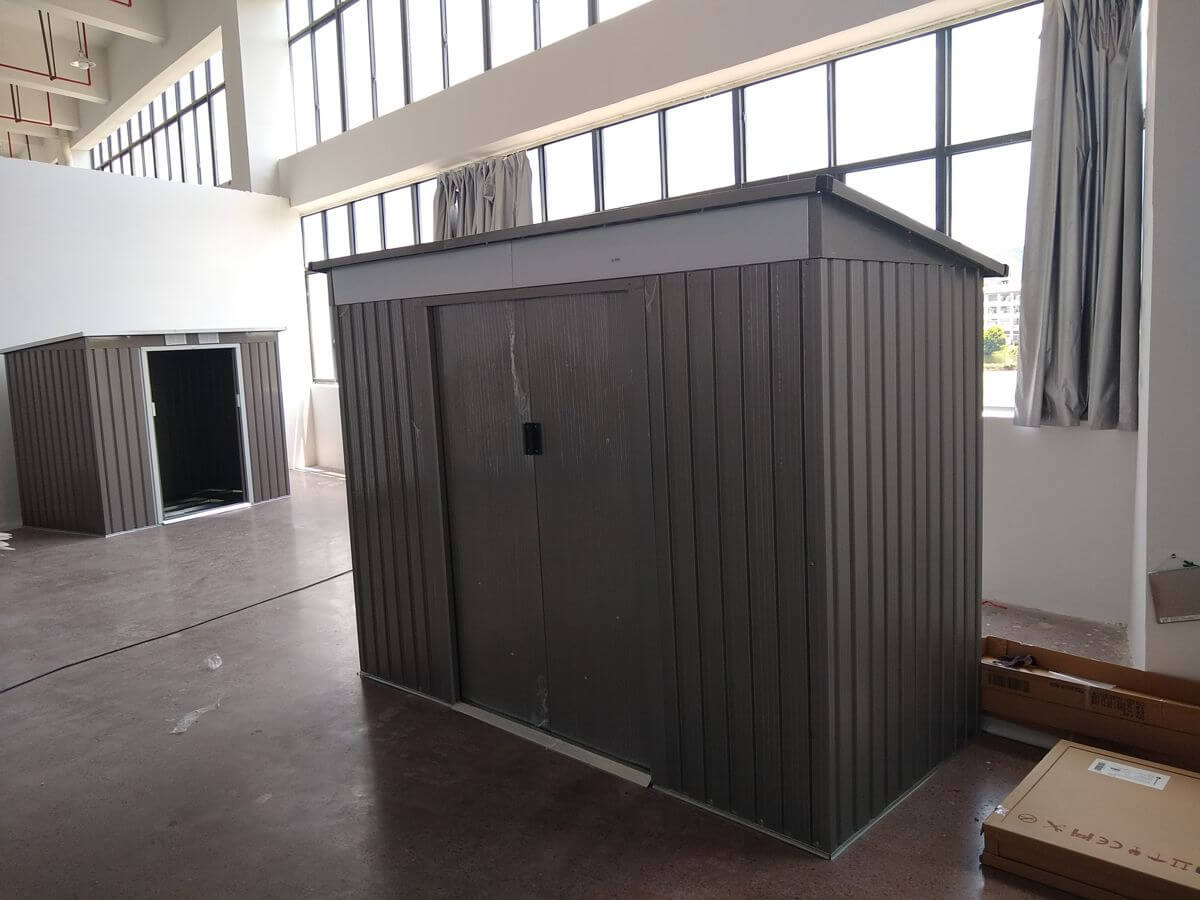
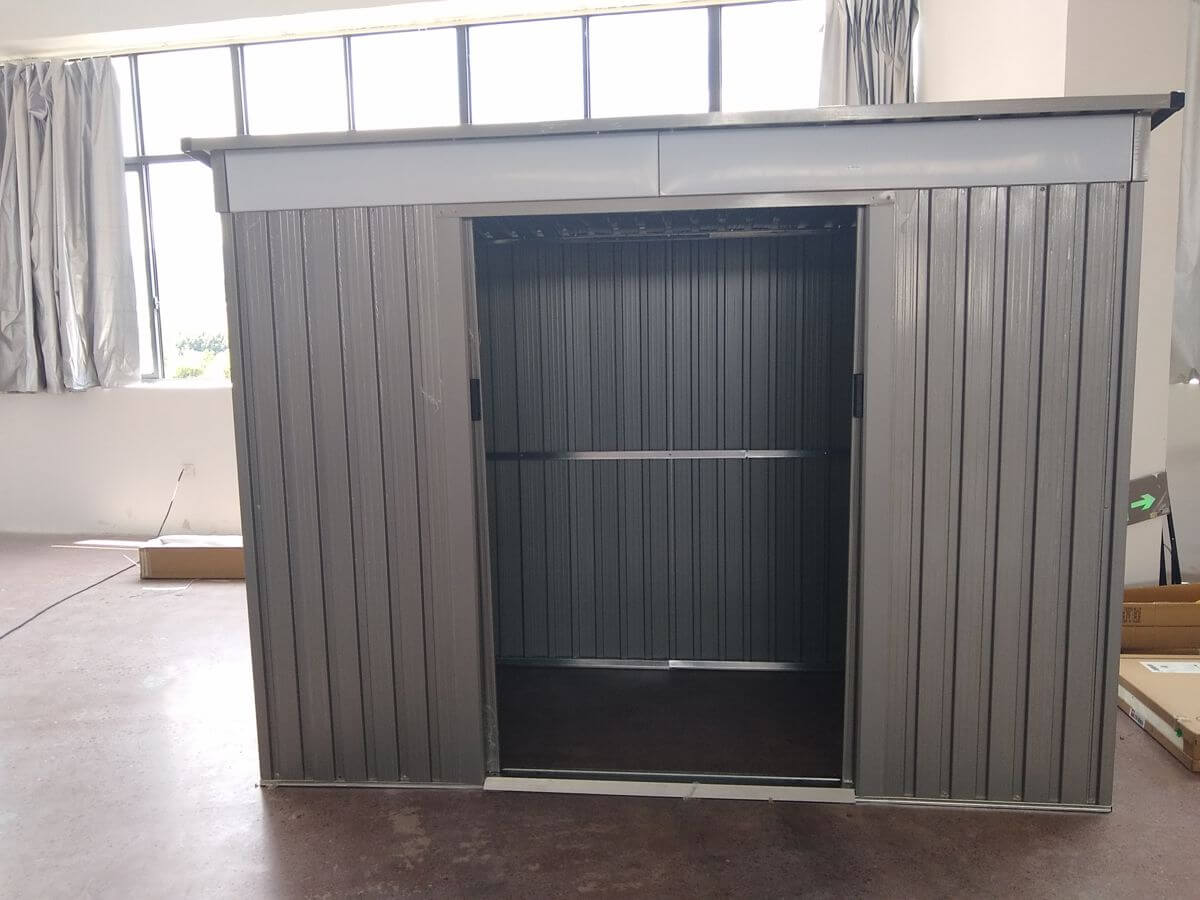
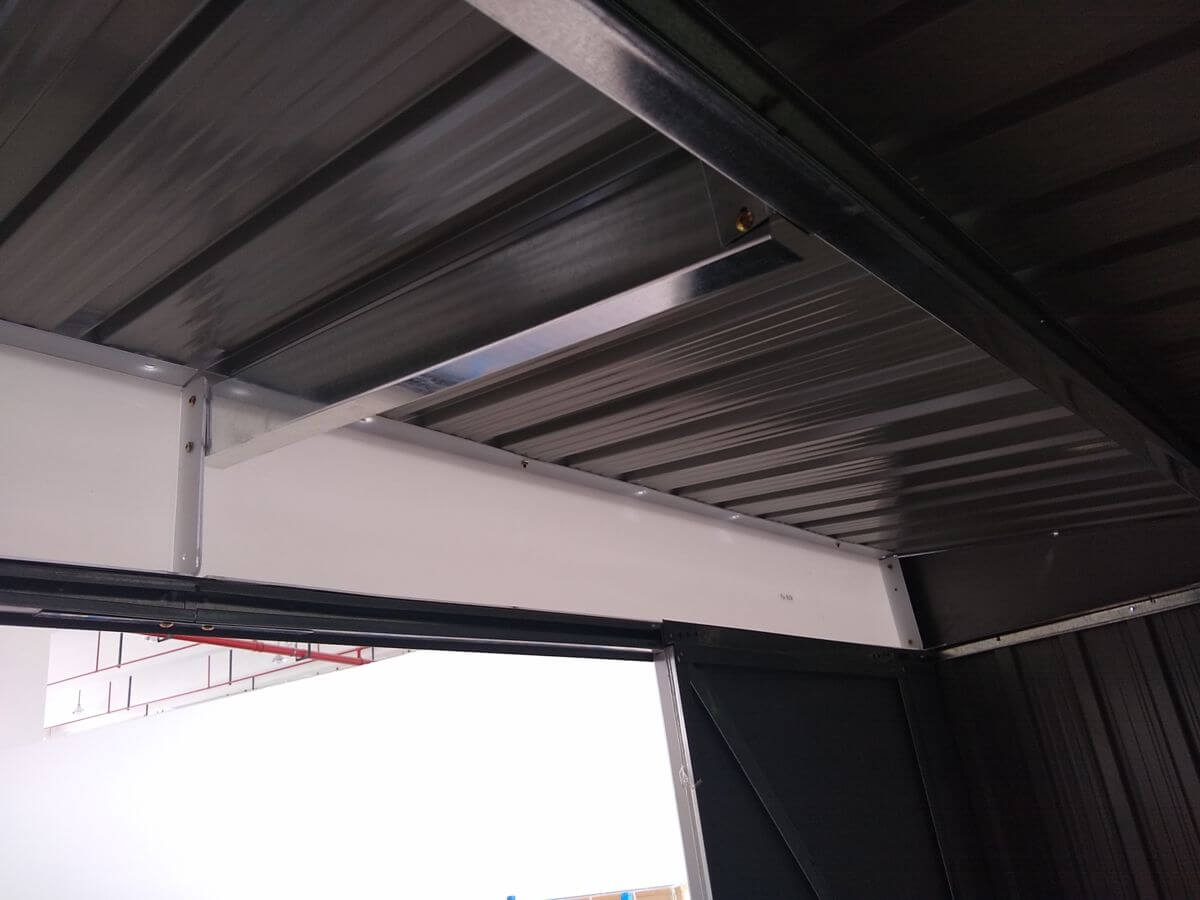
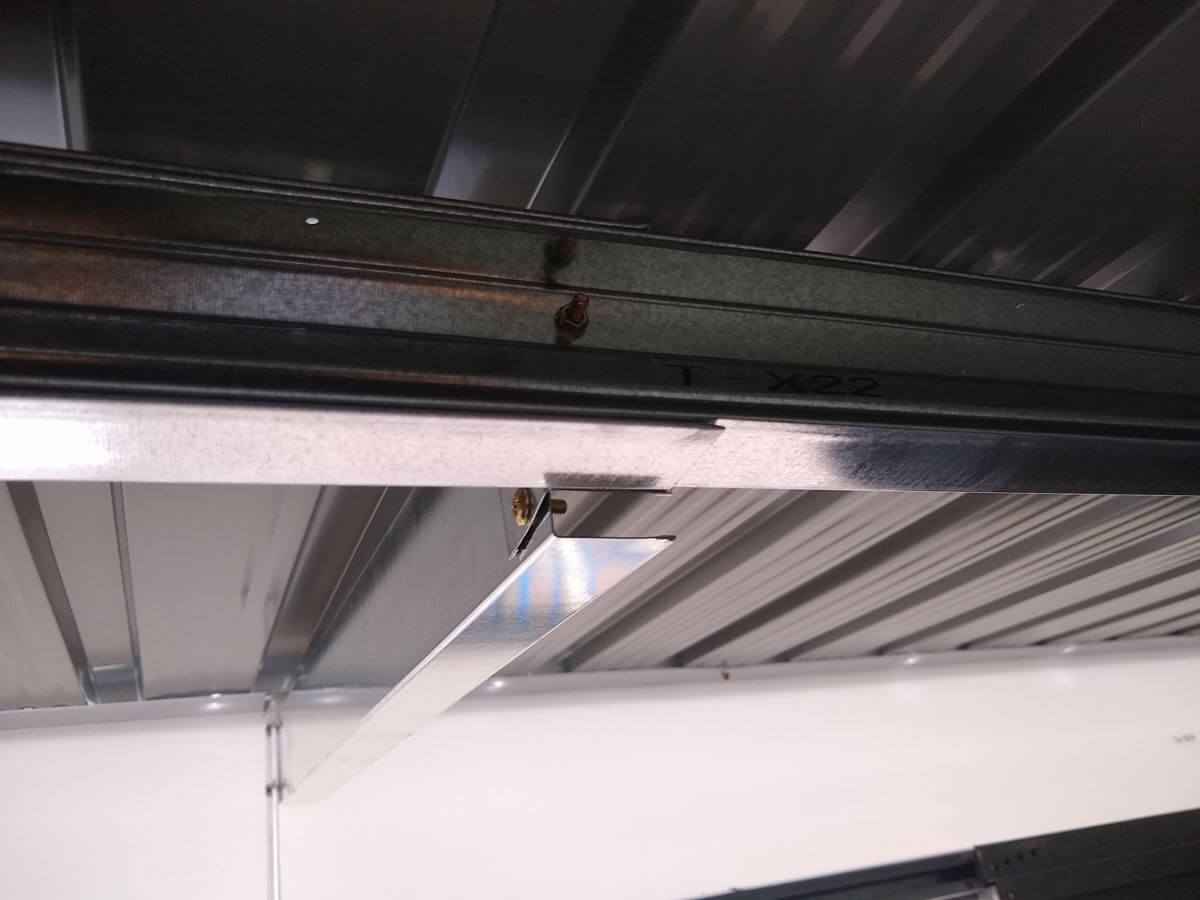
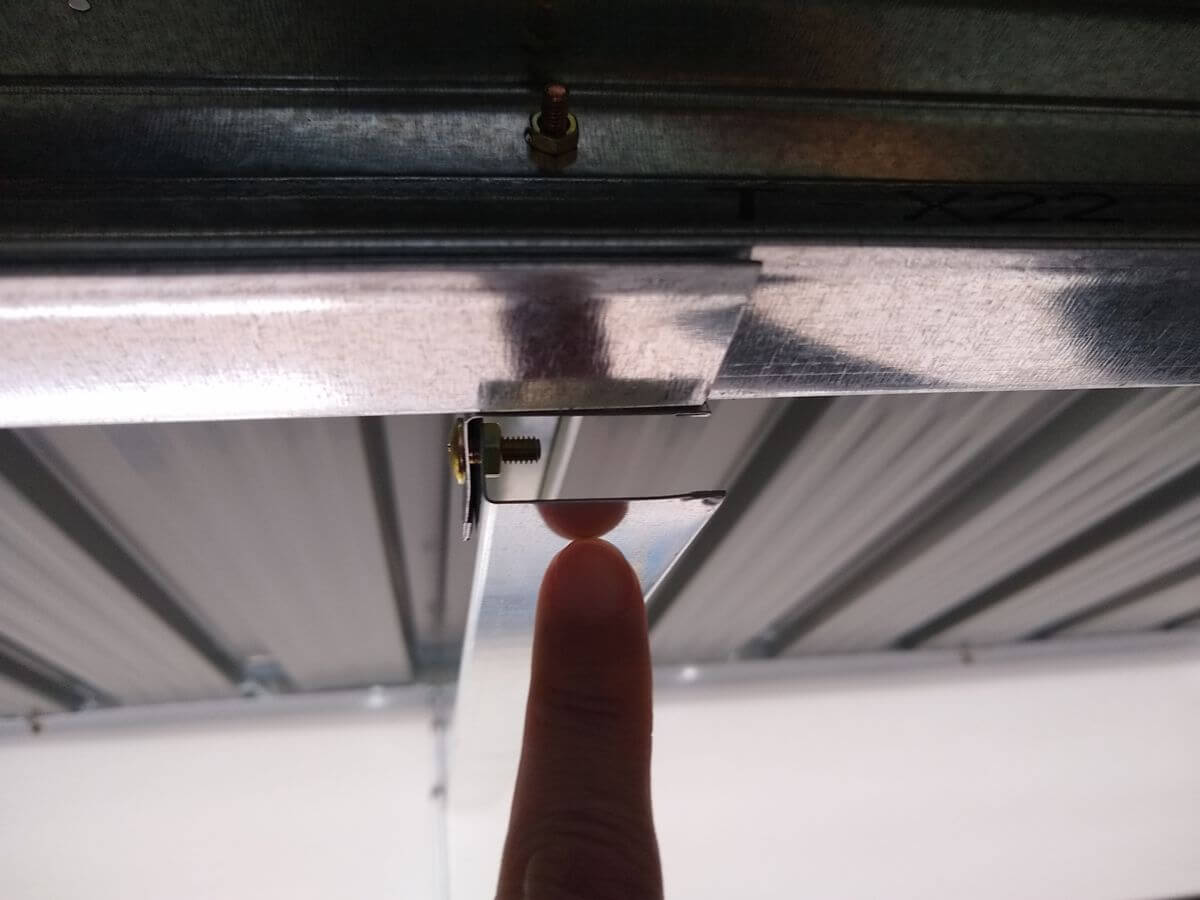
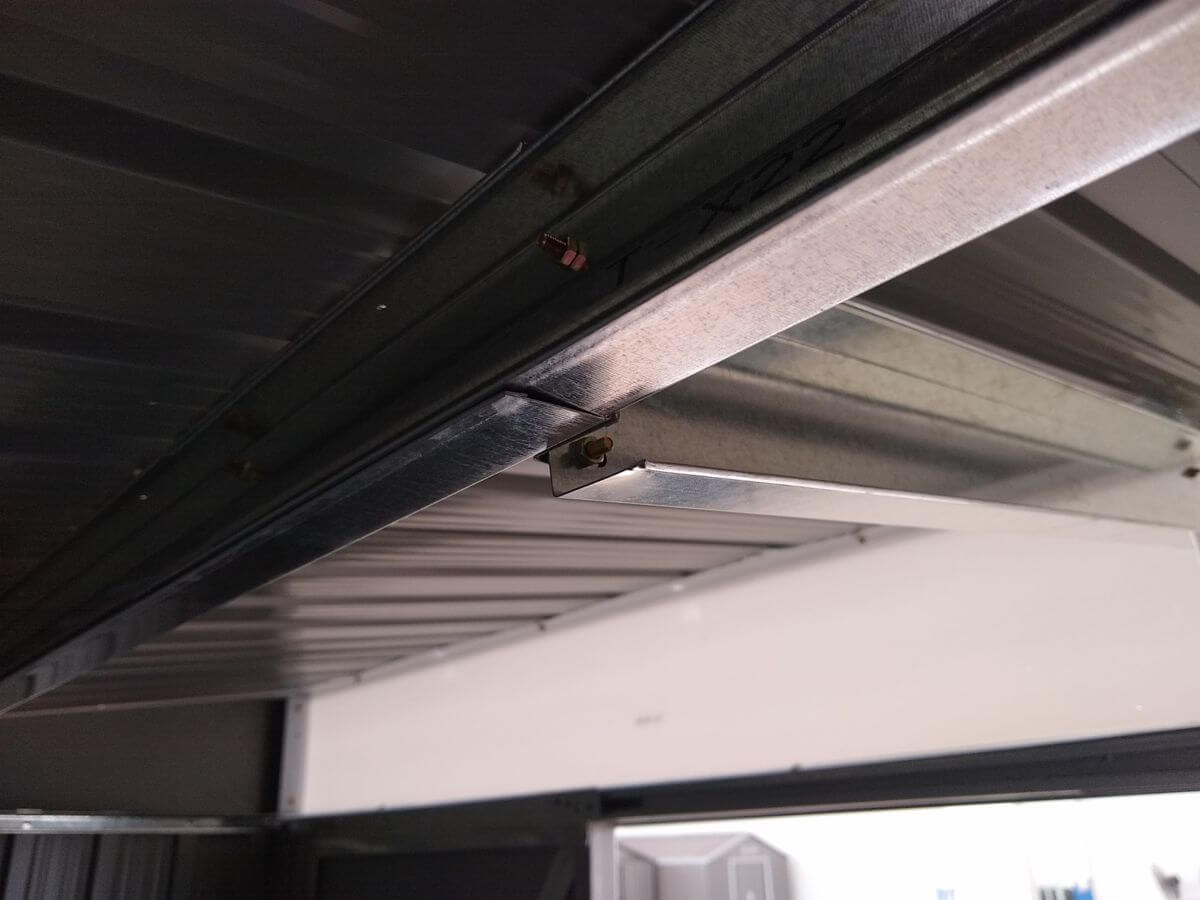
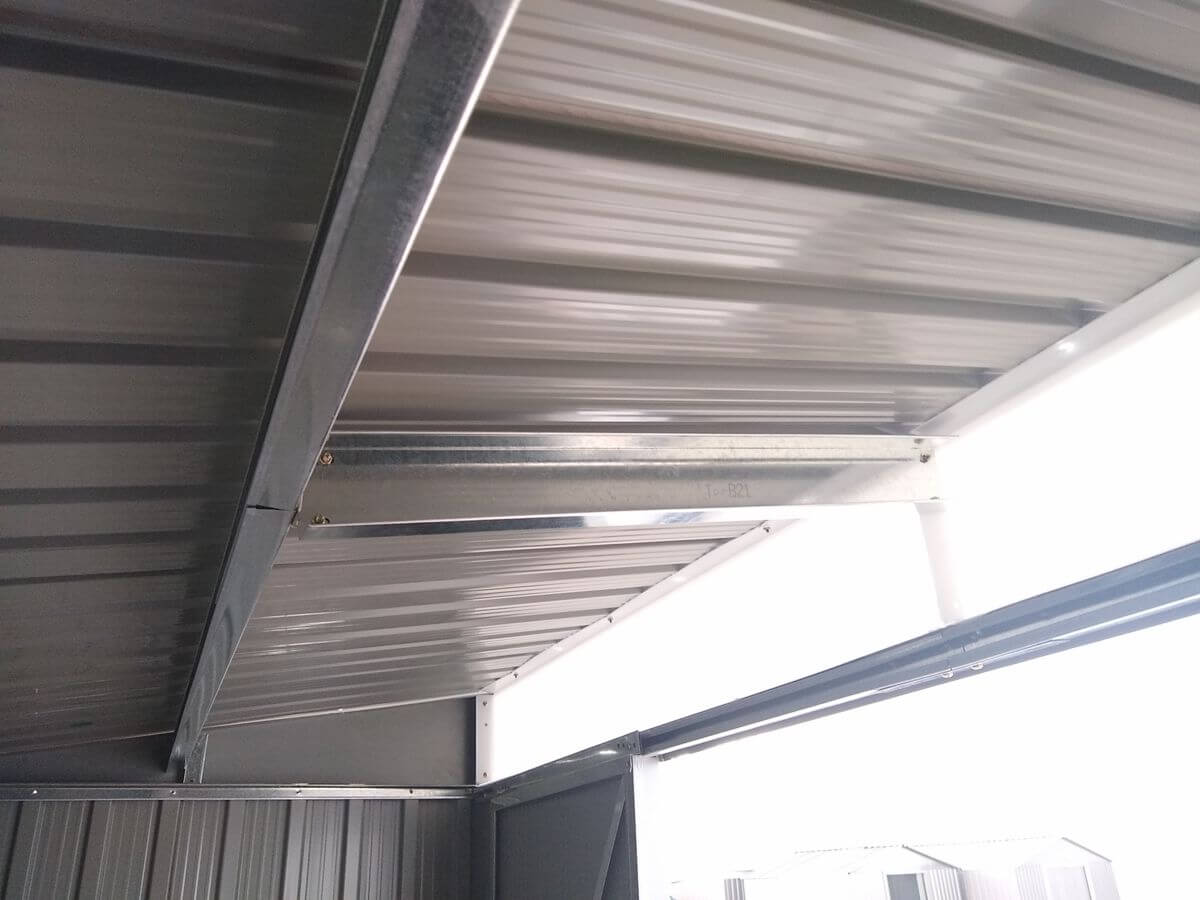
Shortly after assembling the sample, the inspector found a sharp exposed metal edge — a serious safety hazard. The sales representative was completely blindsided and immediately called over the design and engineering team.
When the lead designer arrived, he inspected the sharp edge closely. Then he turned to our inspector, gave a firm thumbs-up, and said: "We have been manufacturing and exporting this model for years. You are the first person to ever catch this. Professional — truly professional!"
This case study proves that no matter how massive a factory's scale or reputation, independent oversight remains an absolute necessity.
The Hard Lesson: A defect can go unnoticed for years — even by the people who designed the product. But once you know where to look, it becomes obvious. And more importantly, it becomes preventable.
This is exactly what a China product inspection is about — an independent set of eyes that stays sharp across years of supply chain relationships.
Defect Analysis
| Finding Analysis | Details |
|---|---|
| Product | Garden metal shed |
| Defect | Sharp exposed metal edge |
| Root Cause | Design flaw — the metal panel was not properly folded or hemmed to conceal the raw cut edge. |
| Corrective Action | Extend the metal panel to the rear wall so the sharp edge is flush and fully concealed, or apply a hemming/roll-forming process to the exposed edge. |
| Frequency | ⭐⭐⭐☆☆ |
| Rework Difficulty | ⭐⭐⭐☆☆ |
| Rework Collateral Risk | ⭐⭐☆☆☆ |
What Is a "Sharp Exposed Metal Edge" and Why Does It Matter?
In sheet metal manufacturing, raw cut edges are inherently razor-sharp due to the shearing or punching process. When these edges remain exposed on a consumer product like a garden shed, they create a serious safety hazard.
During assembly, users must handle each metal panel. A sharp edge can cause:
- Cuts and lacerations — requiring medical attention
- Tetanus risk — especially for outdoor products exposed to dirt and moisture
- Product liability claims — if an end-user is injured
For products sold in markets like the US or EU, sharp edges on consumer goods are subject to strict safety regulations. The U.S. Consumer Product Safety Commission (CPSC) actively warns about sharp metal edges on consumer products and investigates injury reports. In many jurisdictions, accessible sheet metal edges thinner than 0.020 inch (0.5mm) must be protected by hemming, rolling, curling, or covered with a protective cap or sleeve.
Root Cause Analysis: Why Did This Happen?
1. Design Flaw — No Edge Protection Specified
The metal panel was designed with a raw, unprocessed edge that relied on perfect assembly alignment to "hide" it behind another panel. This is a fundamental design error. In mass production, assembly alignment is never perfect on every unit.
2. No "Hemming" or "Roll-Forming" Requirement
In sheet metal fabrication, the standard way to eliminate sharp edges is hemming — folding the edge of the sheet back against itself to create a smooth, rounded edge. Hemming does more than just eliminate sharp edges; it also increases the part's edge stiffness and improves dimensional accuracy.
Other edge treatments include:
- Roll forming — bending the sheet perimeter into a curve
- Curling — creating a tubular shape at the edge
- Protective caps or sleeves — covering the exposed edge
None of these were specified in the original design.
3. The "Nobody Noticed" Problem
The product had been manufactured and shipped for years. No one — not the factory, not the designers, not previous clients — had ever flagged this issue. This is a classic case of normalized deviation: a defect becomes "normal" simply because everyone is used to it.
4. Over-Reliance on Assembly Workers
The design assumed that assembly workers would "carefully push the edge into place" during installation. This is a dangerous assumption. In mass production, workers are focused on speed, not precision alignment. Relying on manual care to hide a safety defect is not a quality plan — it's a liability waiting to happen.
Preventing Sharp Edge Defects in Your Metal Product Orders
Immediate Corrective Action (For This Batch)
- Inspect all panels — Identify every unit with exposed sharp edges.
- Apply edge protection — If rework is possible, add protective edge trim or caps to cover sharp edges.
- Do not ship unsafe products — A sharp edge injury can lead to product recalls, liability claims, and brand damage.
Long-Term Preventive Measures
| Measure | Description | Effectiveness |
|---|---|---|
| Hemming Specification | Mandate a hemming or roll-forming requirement on all user-accessible panels in your engineering drawings. | ⭐⭐⭐⭐⭐ |
| UL 1439 Sharp Edge Test | Require your QC team to perform a UL 1439 sharp edge test on random samples. | ⭐⭐⭐⭐⭐ |
| Cotton Swab Test | A simple field test: run a cotton swab along all internal assembly seams. If the raw edge catches cotton fibers, the panel fails. | ⭐⭐⭐⭐ |
| Pre-Production Sample Approval | Assemble a full sample before mass production and inspect every edge. | ⭐⭐⭐⭐⭐ |
| Assembly Manual Update | Include clear warnings about sharp edges and require glove use during assembly. | ⭐⭐⭐ |
💡 QC Insight for Buyers
For procurement professionals and brand owners sourcing sheet metal products:
- Never rely on assembly workers to "hide" a sharp edge. If your design depends on perfect manual alignment to conceal a raw edge, it is a disaster waiting to happen in mass production.
- Specify hemming or roll-forming in your engineering drawings. This is the only reliable way to eliminate sharp edges on sheet metal parts.
- Use the UL 1439 Sharp Edge Test. This standardized test procedure is used to determine the potential for personal injury related to sharp edges on equipment. The test uses a specialized tape and a 1.5 lb (6.67N) force — if the tape is cut, the edge fails.
- Try the simple cotton swab test. If you don't have access to UL 1439 testing equipment, run a cotton swab along all accessible edges. If the cotton catches or tears, the edge is too sharp.
- Check relevant safety standards. For products sold in the US, check 16 CFR § 1500.49 for sharp metal edge requirements. For children's products, ASTM F963 and ISO 8124-1 also apply.
- Don't assume "nobody complained before" means "no problem exists." As this case shows, a defect can go unnoticed for years — until someone with the right expertise looks at it.
Inspection Photos
Rework Effort & Risk Assessment
| Evaluation Metric | Rating | What It Means |
|---|---|---|
| Frequency | ⭐⭐⭐☆☆ | Moderate. Sharp edges on sheet metal are common when hemming is not specified. They are 100% preventable with proper design. |
| Rework Difficulty | ⭐⭐⭐☆☆ | Moderate. Rework requires adding edge trim or protective caps. This is time-consuming but possible. |
| Rework Collateral Risk | ⭐⭐☆☆☆ | Low. Adding edge protection does not typically damage the product, but it adds cost and delays shipment. |
Lessons for Next Metal Product Order
This case study is part of our ongoing effort to share real, on-the-ground product inspection findings with buyers, brand owners, and sourcing professionals. The goal is simple:
This case is particularly telling because the defect had been hiding in plain sight for years. A product can be manufactured and shipped for years with a safety defect — and no one notices, until someone with the right expertise looks at it. The factory's design team had never considered this an issue. But once it was pointed out, it was immediately obvious.
Key takeaway: Sharp edges on sheet metal are not a "manufacturing defect" — they are a design defect. The solution is not to ask workers to be more careful. The solution is to engineer the sharp edge out of the product through hemming, roll-forming, or other edge treatments.
We hope these real case studies help you ask better questions, set clearer standards, and catch more issues before they ship.
Let CNQ Help You Protect Your Metal Shed
As a professional China quality inspection company, our QC inspectors have over 15 years of hands-on experience in metal product manufacturing across China — with deep knowledge of common safety hazards in sheet metal stamping, welding, and assembly. We don't just check surfaces; we verify every step of the production process. Before your shipment leaves the factory, our pre-shipment inspection services ensure:
- Perform 100% sharp edge and burr safety checks on finished metal products
- Evaluate edge treatment processes (hemming, roll-forming) for safety compliance
- Provide clear pass/fail judgments against your predefined quality standards
- Document defects with high-resolution photos for your reference
Don't let safety hazards ruin your brand's reputation. A simple, one-day inspection can save you from costly product recalls and customer complaints.
Want to quickly estimate your inspection cost? Use our Inspection Cost Calculator to see how many man-days a single PSI requires.
Contact us today to ensure your metal shed products meet your quality standards before shipment.
Frequently Asked Questions About Sharp Metal Edge Safety
In sheet metal manufacturing, raw cut edges are razor-sharp from the shearing process. When the design relies on perfect assembly alignment to hide the edge instead of hemming or roll-forming, the sharp edge remains exposed on consumer products.
Mandate hemming or roll-forming on all user-accessible panels in engineering drawings, run a UL 1439 sharp edge test or a simple cotton swab test along assembly seams, and assemble a full sample before mass production.
For products sold in the US, 16 CFR 1500.49 covers sharp metal edges and the CPSC investigates sharp edge injuries. For children's products, ASTM F963 and ISO 8124-1 also apply. Accessible edges thinner than 0.020 inch (0.5mm) must be protected.