
Toy Inspection: On-Site Verification for Children's Product Compliance
Toy orders have a habit of looking flawless in a photo and failing in a child's hand. With 17 years of third-party product inspection in China, we have learned that the defects that decide a toy shipment are almost never cosmetic — they are mechanical and electrical safety failures that turn into recalls the moment the goods reach a retail shelf. This document outlines the scope, test protocols, sampling rules and applicable standards for on-site pre-shipment inspection of toys and children's goods manufactured in China, for reference by importers, procurement and quality engineers. On-site quality inspection identifies production non-conformities prior to shipment to reduce the risk of non-compliant goods entering your supply chain.
Toys are intended for young users with limited ability to recognise hazards. Mechanical non-conformities including detachable small parts, sharp edges, sharp points and excessive cord length introduce risks of choking, laceration and physical injury. Mandatory toy safety regulations are enforced in the US, EU and China, setting binding requirements for mechanical properties, chemical migration and documentation.
Common non-conformities found at factory sites are mostly safety-related rather than cosmetic. Typical findings include insufficient pull resistance on plush attachments, injection flash forming sharp points, battery compartments lacking child-resistant closures, and cords exceeding permitted length limits. Such hazards cannot be reliably assessed via product photos and require on-site sampling after production completion and before container loading.
A standardised toy inspection follows systematic sampling protocols beyond visual review, covering small parts, sharp points and edges, cord measurements, battery compartment evaluation, material assessment, printing and packaging. It is delivered as a quality inspection service built on ANSI/ASQ Z1.4 sampling. The sections below define inspection coverage by product category, and the physical test protocols our inspectors perform on site.
Toy & Children's Product Inspection Scope
Plush & Stuffed Toys
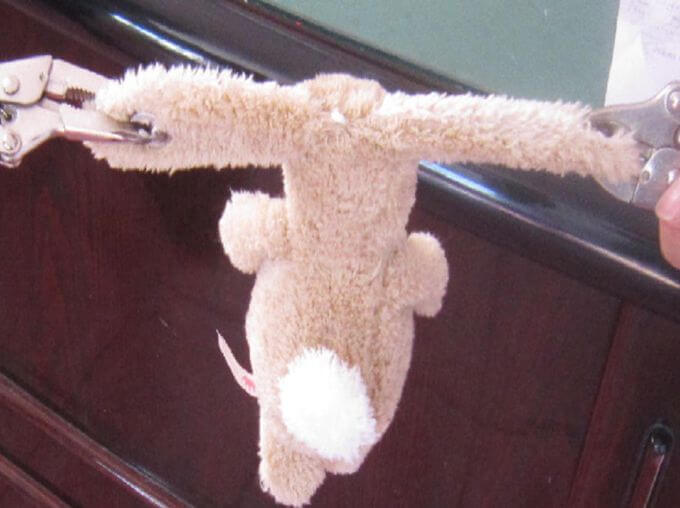
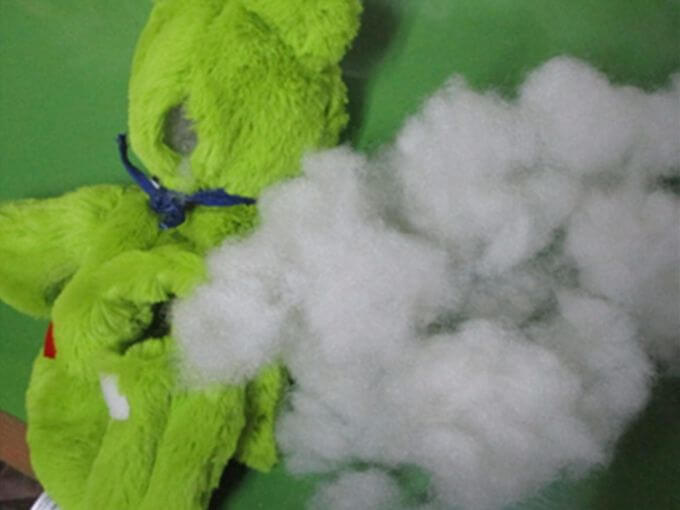
Inspection includes needle detection, seam tensile strength, fabric fibre shedding and stuffing hygiene. Pull testing is applied to external attachments such as eyes and noses to assess choking risk from detachment. Seam strength focuses on high-stress failure zones: back, neck, feet, crotch and armpits.
Plastic & TPR Toys
Evaluation covers injection moulding defects, colour migration, and function of TPR stress-relief items. Sharp point and sharp edge testing is mandatory for all accessible edges using calibrated test tools.
Educational & Wooden Toys
Assessment includes surface coating integrity, splinters, wood moisture content and assembly consistency. Formaldehyde emission and heavy metal migration compliance are verified against target market regulatory limits.
Electronic Toys
Evaluation covers battery compartment security, internal wiring, sound pressure limits and functional integrity. Electrical safety failures are classified as Critical non-conformities. Charging port insulation and exposed wiring are included in standard checklists.
Baby & Toddler Items
Safety evaluation for strollers, high chairs, pacifiers and nursery textiles focuses on entrapment gaps, structural integrity and small parts. Guardrail spacing and pinch hazards on moving components form core checkpoints.
Outdoor & Ride-On Toys
Scooters, children's bicycles and swing sets undergo load testing, structural stability assessment and weathering evaluation. Brake mechanisms are validated against product specifications. Anti-corrosion treatment and weld integrity of metal components are inspected.
Real Cases: How Toy Defects Reach a Container
Toy non-conformities rarely announce themselves at the factory gate. They surface weeks later as a customer complaint, a marketplace delisting or a recall notice, by which time the container has been unloaded. The three patterns below are the ones that recur most often on toy production lines.
The Part That Only Came Loose After the Drop
A plush toy and a set of small moulded figures pass every check on the bench. Tug the parts by hand and nothing moves. Then the sampled units complete the 5 drop cycles from 850 mm required for general products, and a moulded clip has fatigue-cracked at its root. It still holds on the day of inspection. It lets go the following week, in a child's hand. This is why the drop sequence is run on sampled units on site rather than reasoned about from a drawing — whether a clip survives it depends on the moulding gate position and the resin lot, not on the design intent.
Thirty Bends and the Wire Skeleton Gives Way Inside the Plush
Flexible toys are commonly built over an internal wire or rod skeleton. The protocol is 30 bending cycles with a 60-second rest after every 10, and it takes minutes to run. Where the wire gauge is under-specified for the size of the toy, the break happens inside the fibre filling, out of sight, and the child is left holding a toy with a sharp metal end. On the bench the same toy feels perfectly sound. Catching it at the factory costs a bending rig and half an hour.
The Bath Toy That Failed the Paper Test
Watertight toys are checked by a 4-hour static non-pressurised test on absorbent paper. A slow leak shows up as a faint tide ring that would never be noticed on a white factory floor, and by the time the toy sits in a bathroom it is drawing water into a sealed cavity where it cannot dry out. The result is mould inside a product that cannot be cleaned, and a return. The same protocol screens open-ended tubes with an internal diameter over 7 mm, which are treated as non-conforming on sight.
None of these three failures is visible in a product photo, and none of them can be settled at a desk. They are found by handling the sampled units on the factory floor, with the right gauge in hand, before the cartons are sealed.
On-Site Physical Testing Protocols
The following physical tests represent the standard baseline for third-party toy inspections across various categories. While minor procedural variations may exist among different China inspection companies, these core test items are universally essential and generally included. Test parameters are adjusted per product category, target market standards and the buyer's written technical specification.
1. Tension & Seam Pull Test
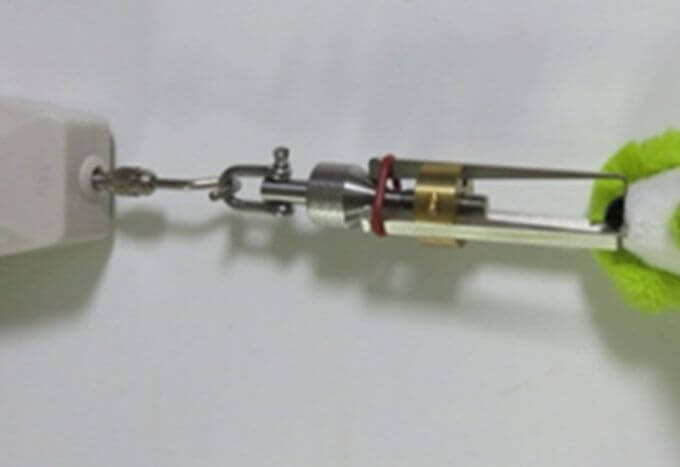
All pull tests utilise a calibrated force gauge with a fixed fixture. Per EN 71: 50 N applied to graspable components up to 6 mm; 90 N for parts over 6 mm. The ASTM F963 age-based alternative is 10 lbs for items intended for children up to 18 months, and 15 lbs for children over 18 months. Target force shall be achieved within 3 to 5 seconds and maintained for 10 seconds. Standard seam and flexure testing applies a 70 N tensile load.
2. Plush Toy Specific Testing
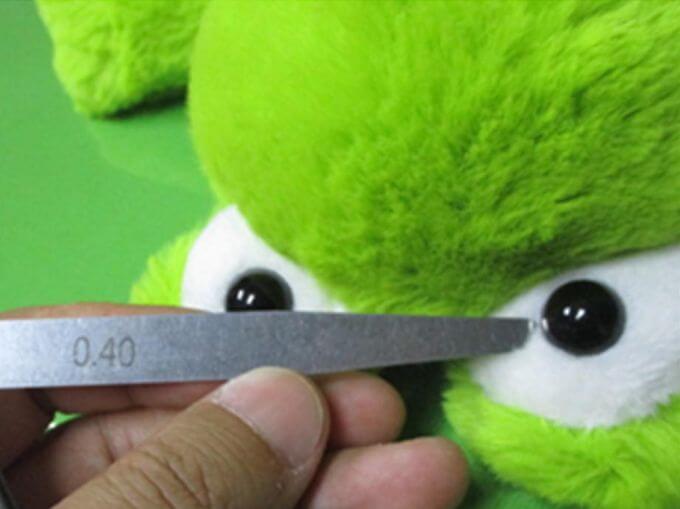
Pull testing targets high-failure zones: back, neck, feet, crotch and armpits. Seam clamps grip fabric 0.5 inch away from seam lines and shall not clamp internal filling material. Where a 0.4 mm feeler gauge penetrates 2 mm into eye or nose components under 10 N load, full pull testing is required for that part. Internal seams maintain a minimum 5 mm distance from fabric edges.
3. Drop Test
General products undergo 5 drop cycles from 850 mm. The ASTM F963 age-based protocol is 10 cycles from 54 inches for children up to 18 months, and 4 cycles from 36 inches for children over 18 months. Following drop or tension testing, no accessible small parts, sharp points or sharp edges shall be generated. Accessible drive mechanisms shall not present hazards.
4. Flexure & Fatigue Test
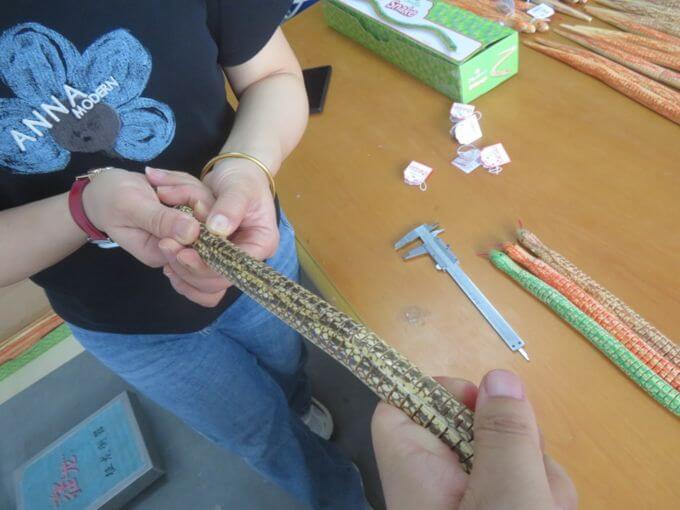
Toys fitted with flexible metal wire or rod skeletons complete 30 bending cycles, with a 60-second rest interval after every 10 cycles. Moving assemblies including zippers, hook-and-loop fasteners, buckles, buttons and switches undergo 20 fatigue cycles unless otherwise defined within the buyer's written specification.
5. Leakage Evaluation
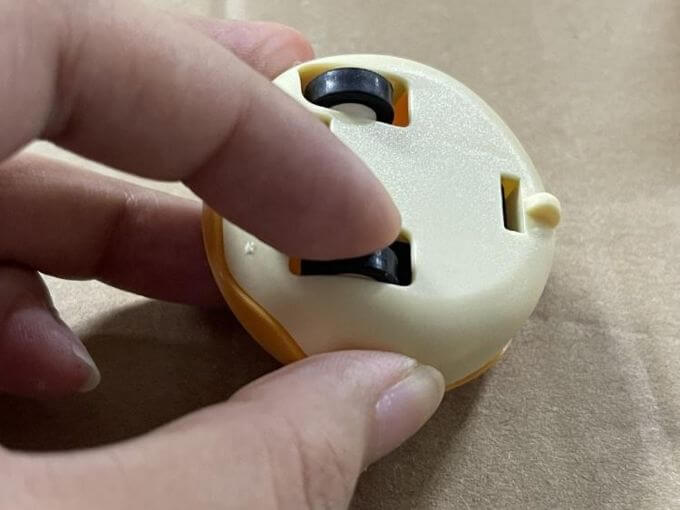
Watertight products undergo a 4-hour static non-pressurised test on absorbent paper to detect volume loss or liquid leakage. Pressurised leak testing is also performed to confirm no pressure drop or air escape. Inspection verifies that no open-ended tubes with an internal diameter over 7 mm are present, mitigating choking hazards.
6. Internal & Safety Construction Check
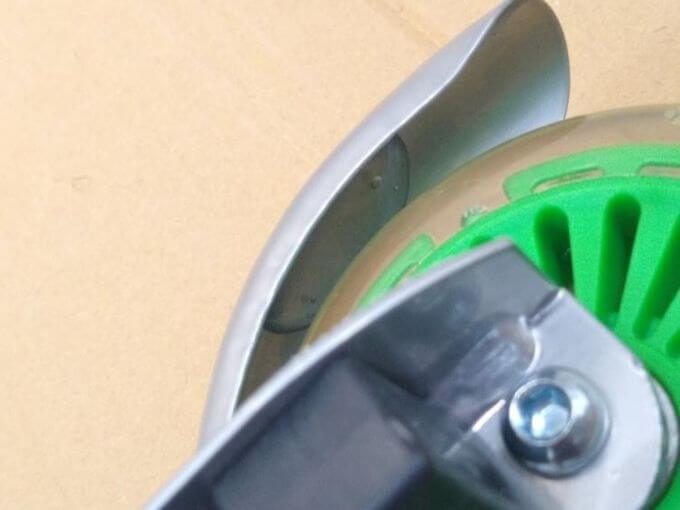
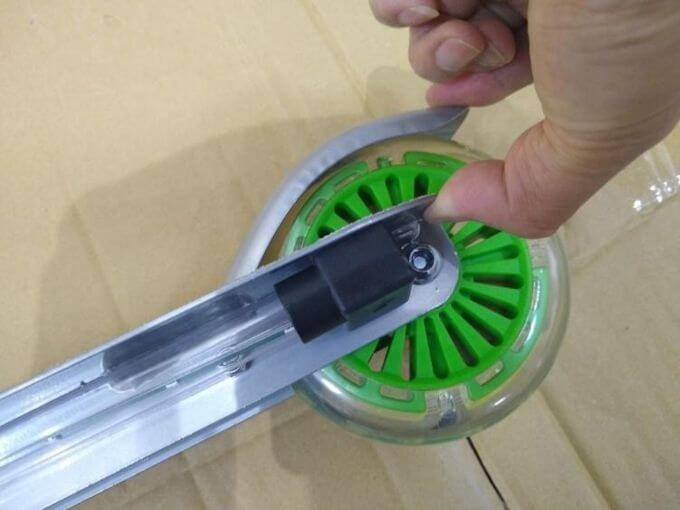
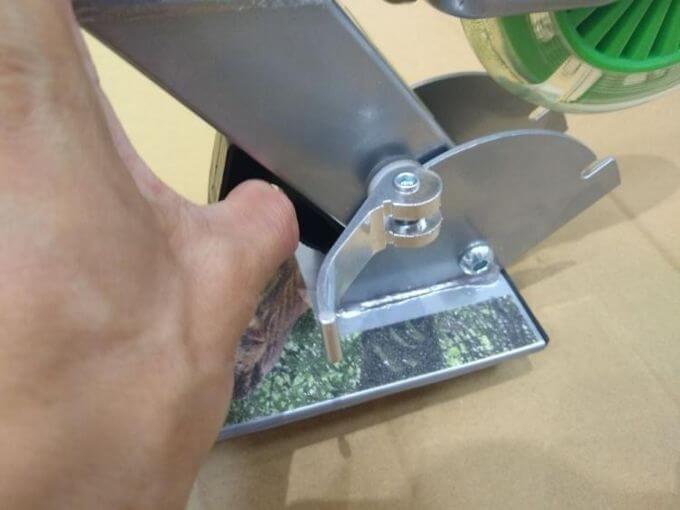
Inspectors assess internal assembly reliability to confirm securely retained components and unrestrained cables. Solder joint integrity is validated via tensile loading. For ride-on toys, brake function is verified against product specification requirements.
7. Material, Marking & Print Durability
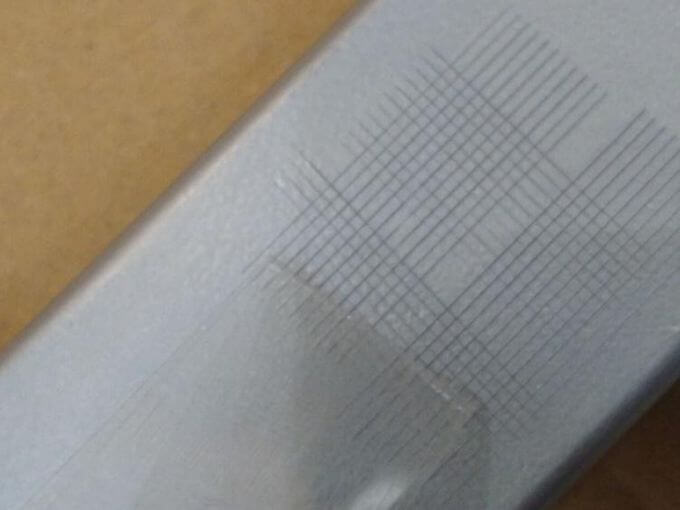
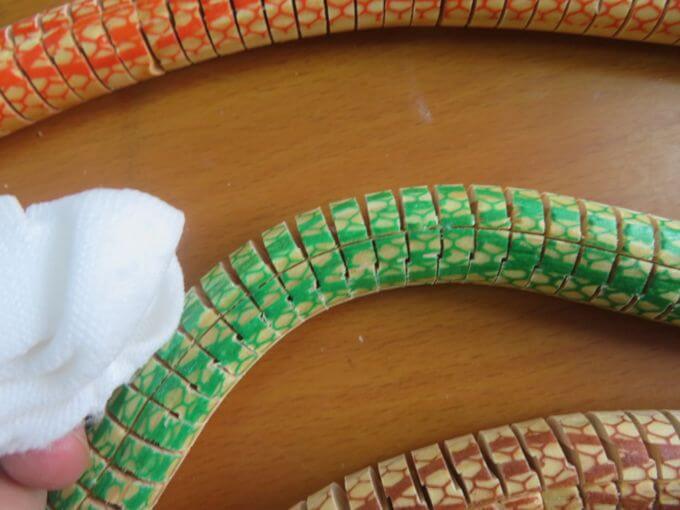
Internal filling material shall be new, clean and free from insects, metallic fragments, wood debris and odours. Surface markings, print and coatings undergo tape adhesion testing with 3M 810 tape to ISO 2409. Rub resistance testing is performed using soft cloth dampened with water and isopropyl alcohol.
Applicable Toy Safety Standards
| Target Market | Key Regulations & Standards |
|---|---|
| United States | ASTM F963, CPSIA (lead and phthalate limits), CPC Children's Product Certificate |
| European Union | EN 71 Parts 1, 2 and 3, CE marking, REACH |
| China | GB 6675 |
| International | ISO 8124, AS/NZS ISO 8124 (Australia / New Zealand) |
On-site quality inspection is limited to physical, mechanical, visual and packaging assessment. Chemical compliance testing including heavy metals, phthalates, formaldehyde and flammability requires separate sampling and testing at CNAS-accredited third-party laboratories. Document review, including CPC verification, may be completed during factory visits.
For the United States market the CPC (Children's Product Certificate) is a mandatory document. During inspection, we also verify whether the factory can provide complete test reports and certificates.
Referenced Standards & Documents
- EN 71-1:2026 — Safety of toys — Part 1: Mechanical and physical properties
- EN 71-2:2020+A1:2025 — Safety of toys — Part 2: Flammability
- EN 71-3:2019+A2:2024 — Safety of toys — Part 3: Migration of certain elements
- ASTM F963-23 — Standard Consumer Safety Specification for Toy Safety
- CPSIA (HR 4040) — Consumer Product Safety Improvement Act (US)
- GB 6675 — National Standard of the People's Republic of China for Toy Safety
- ANSI/ASQ Z1.4-2003 (R2018) — Sampling Procedures and Tables for Inspection by Attributes
Note: standard revisions are updated periodically, and the revision applied follows the harmonised list published for the destination market — the OJEU list for the European Union and the CPSC mandatory standard for the United States. Confirm the current active revision for your market before booking an inspection day.
AQL Defect Classification for Toy Inspection
| Defect Class | Typical Toy Non-Conformities | Common AQL Baseline |
|---|---|---|
| Critical | Detachable small parts, sharp points and edges, accessible battery compartment, excessive cord length, electrical safety failure | 0 (zero tolerance) |
| Major | Insufficient seam strength, function failure, significant colour variation, packaging failure | 1.0 / 2.5 |
| Minor | Minor surface scratches, localised print blur, minor carton soiling | 2.5 / 4.0 |
The listed AQL values represent widely adopted industry baselines and are not fixed mandatory limits. Sample sizes follow ANSI/ASQ Z1.4 General Inspection Level II. Final protocols are defined by combining channel requirements, product risk rating and historical non-conformity data.
Appendix: Sampling & Acceptance Rules
Product Inspection uses ANSI/ASQ Z1.4, General Inspection Level II, normal single inspection.
- Any identified Critical non-conformity results in the batch being rejected outright.
- Accept or reject decisions for Major and Minor defects follow the corresponding AQL acceptance number.
- Samples are randomly selected from finished goods, covering multiple mould runs and colour lots.
- A client's written custom sampling plan overrides the default rules when provided.
Custom Toy Inspection Protocol Development
Inspection protocols are defined individually for each toy shipment. Custom inspection plans are built from the following inputs:
- Product specification and engineering drawings defining dimensional tolerances, materials and safety requirements
- Golden sample and colour standards, used as the visual reference benchmark
- Target market applicable standards: EN 71, ASTM F963, CPSIA, GB 6675
- Packaging and container loading requirements: cushioning, inner and outer cartons, shipping marks
- Historical non-conformity records, with higher inspection weighting assigned to recurring defects from prior batches
Before inspection execution, checklist items and acceptance criteria are confirmed between inspector and buyer, and the AQL sampling plan is documented in writing. The inspector then draws representative units per ANSI/ASQ Z1.4 and executes every check defined in the protocol.
If you are placing a first order with a new supplier, a toy factory audit before production catches a large share of these risks at the source — tooling condition, in-house testing capability, sub-supplier control and record keeping.
Toy Inspection Report Deliverables
A full English inspection report is issued within 24 hours after on-site work completion, including sampling records, measurement data, defect imagery and non-conformity statements. Critical and Major non-conformities are listed separately with supporting photographic evidence.
A custom inspection protocol and quotation can be prepared for your toy shipment. Submit your product information to receive a technical assessment of inspection scope and sampling strategy.
Documented Inspection Findings (Technical Examples)
Battery Box Construction Check
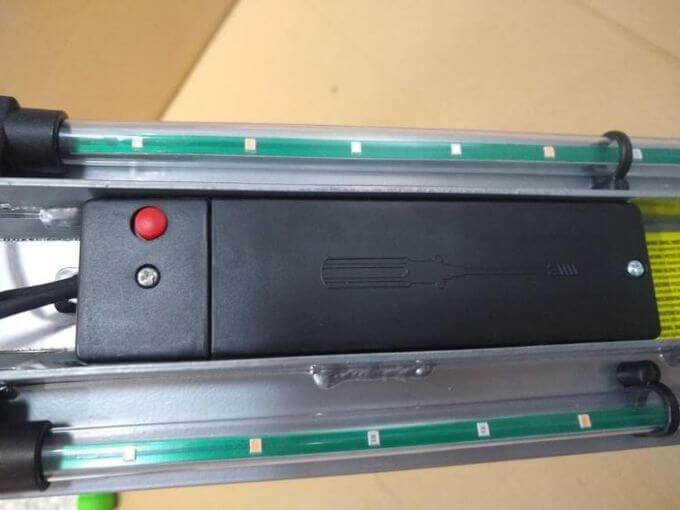
Sample: electronic musical toy. The inspection verifies the overall battery compartment structure: the cover must be secured by screws or a captive fastener, not held by friction or a simple snap-fit. The sample shown is the correct configuration — the cover is retained by screws and requires a tool to open, so a child cannot access the battery. Where a cover can be opened by hand and directly exposes a button cell, it is classified as a Critical.
Battery Lid Fixation Check
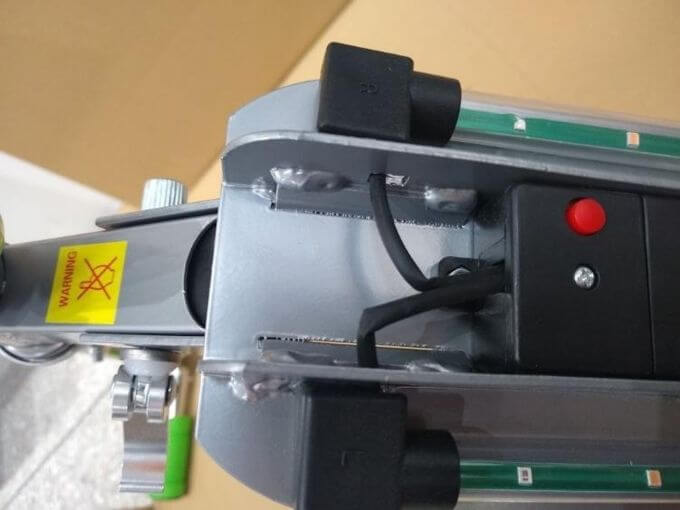
Close-up: the battery compartment cover is secured by screws. Screw count and location are verified against target market requirements (e.g., EN62115 for button-cell compartments). Checks include: whether any screw is missing, whether screws can be removed by hand, and whether the cover can be pried open without unscrewing. Any failure is classified as a Non-conformity (hazard: ingestion and choking).
Reverse-Polarity Insertion Accepted
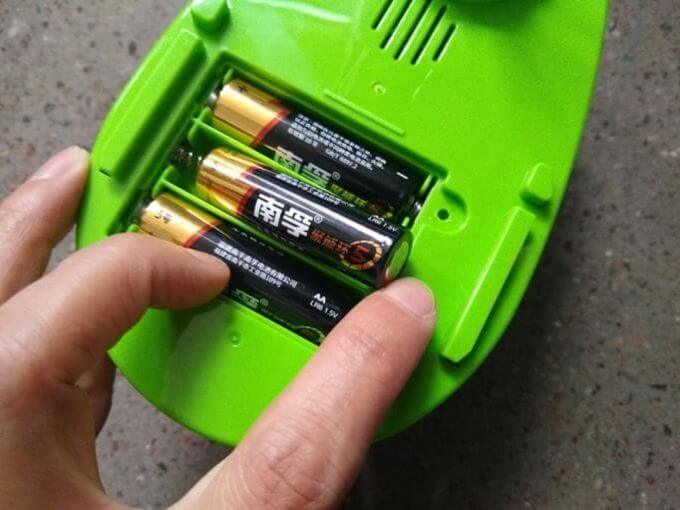
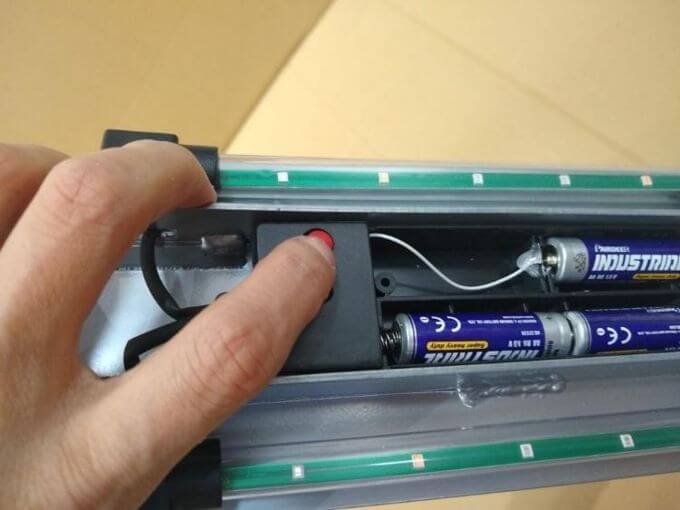
Sample: battery-operated toy. A cell inserted in reverse still seated in the compartment without mechanical rejection, and the polarity marking was not moulded into the plastic. Classified as a Critical non-conformity. Hazard: overheating and leakage.
Reverse Assembly Function Check
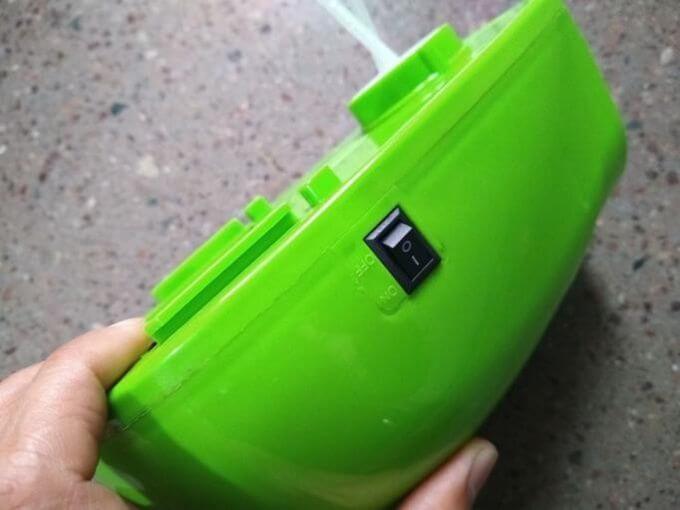
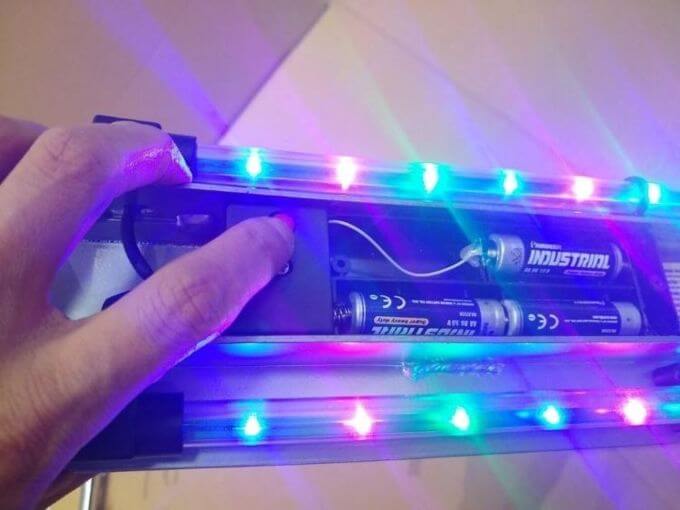
Sample: removable battery module. With the cells assembled in reverse the module still operated, showing the circuit has no polarity protection. Classified as a Critical non-conformity. Hazard: heat build-up and electrolyte leakage.
Wood Toy Moisture Check
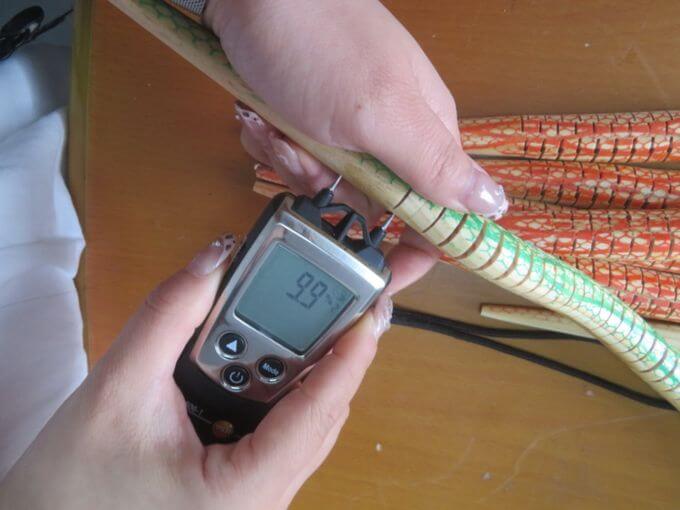
Sample: painted wooden toy set. Pin-type meter readings on several boards sat well above the agreed ceiling, the same reading that precedes warping and coating flaking in transit. Classified as a Major non-conformity. Hazard: deformation, mildew and paint loss.
Ride-On Toy Load Test
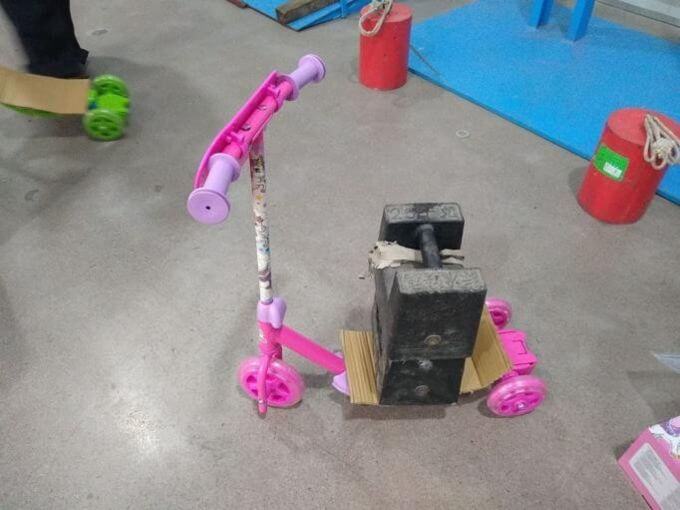
Sample: ride-on toy. Static load applied to the seat and deck to confirm the frame carries its declared weight without permanent set or weld distortion, and brake function was verified on the loaded unit. Classified as a Major non-conformity when limits are exceeded. Hazard: structural failure in use.
The above are representative technical records from factory inspections. They are provided for technical reference only and do not refer to any specific brand or client.