
TPR Toy Inspection Finding
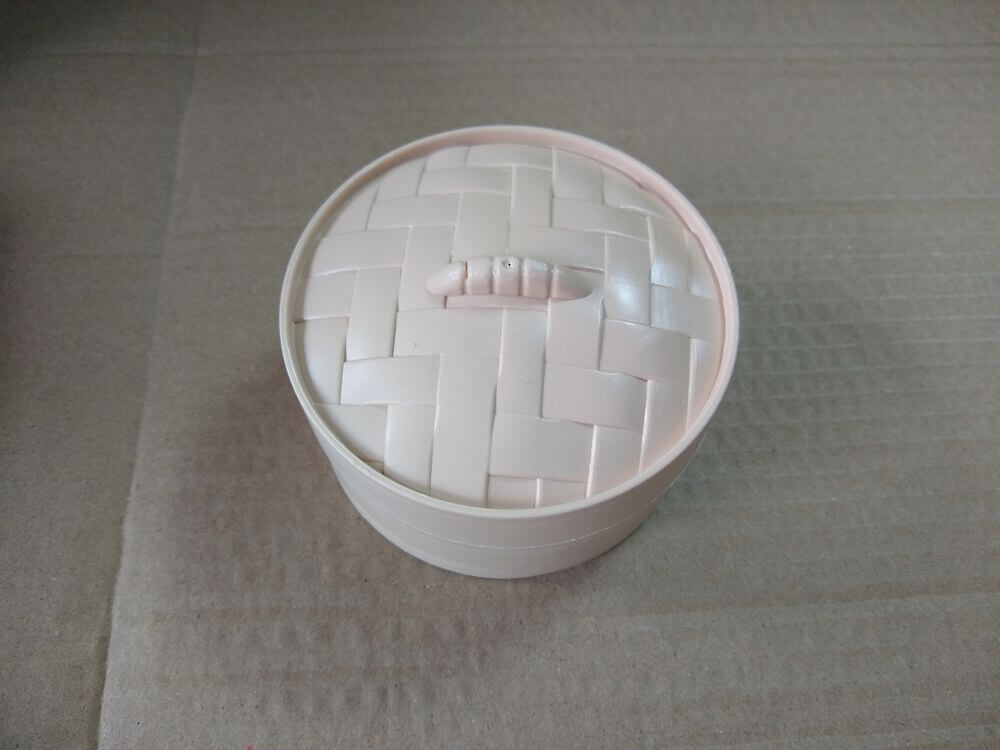
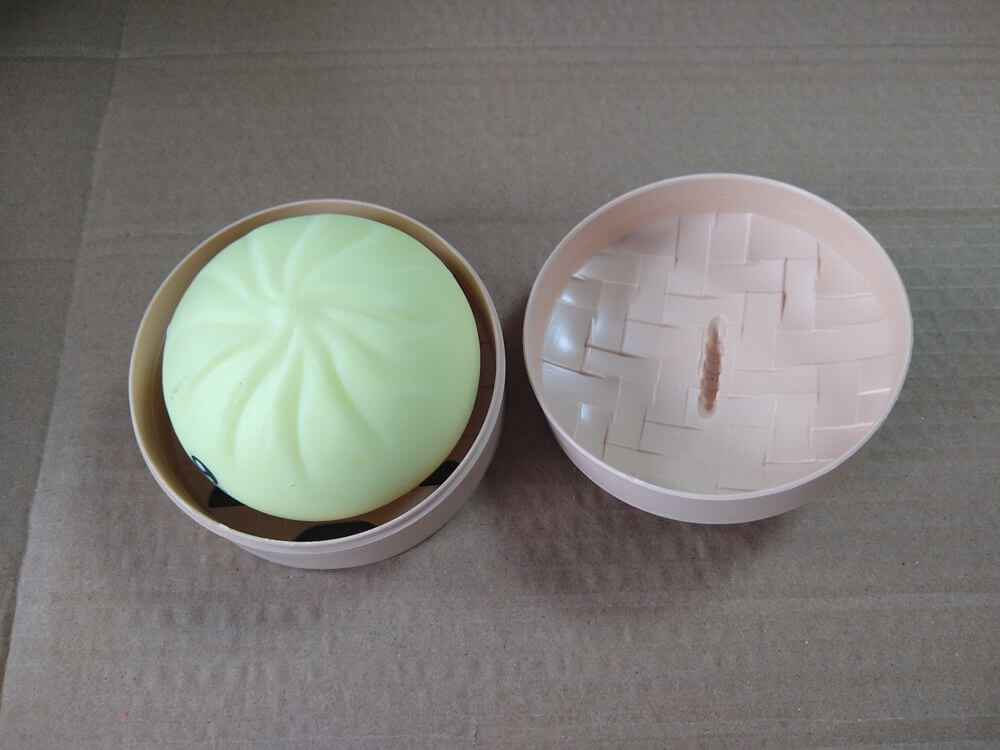
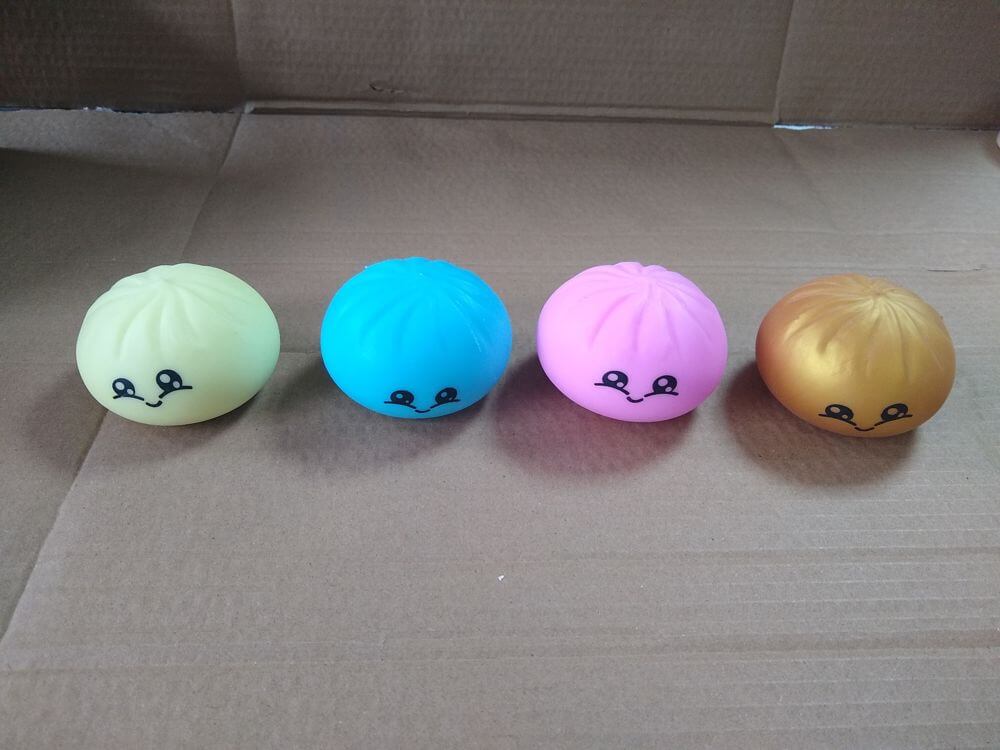
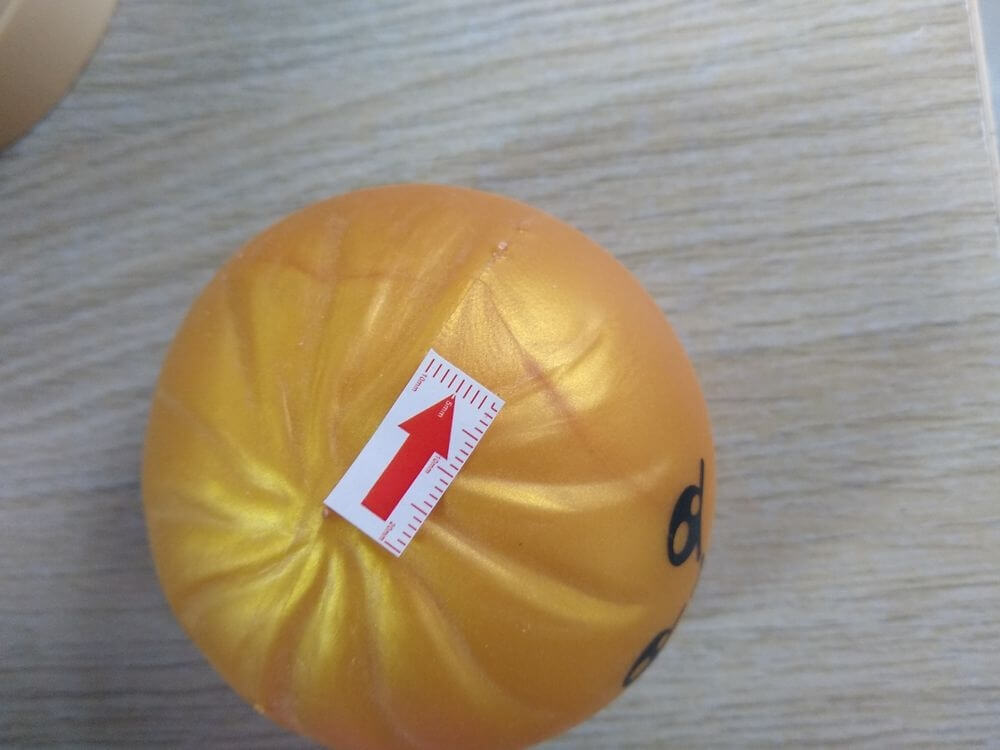
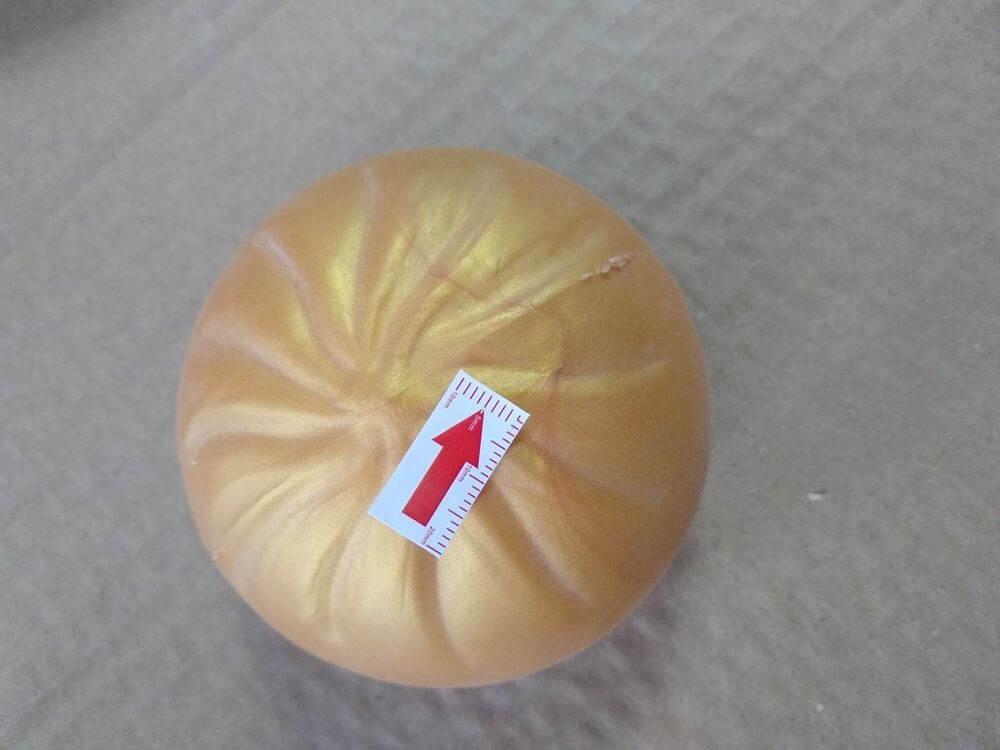
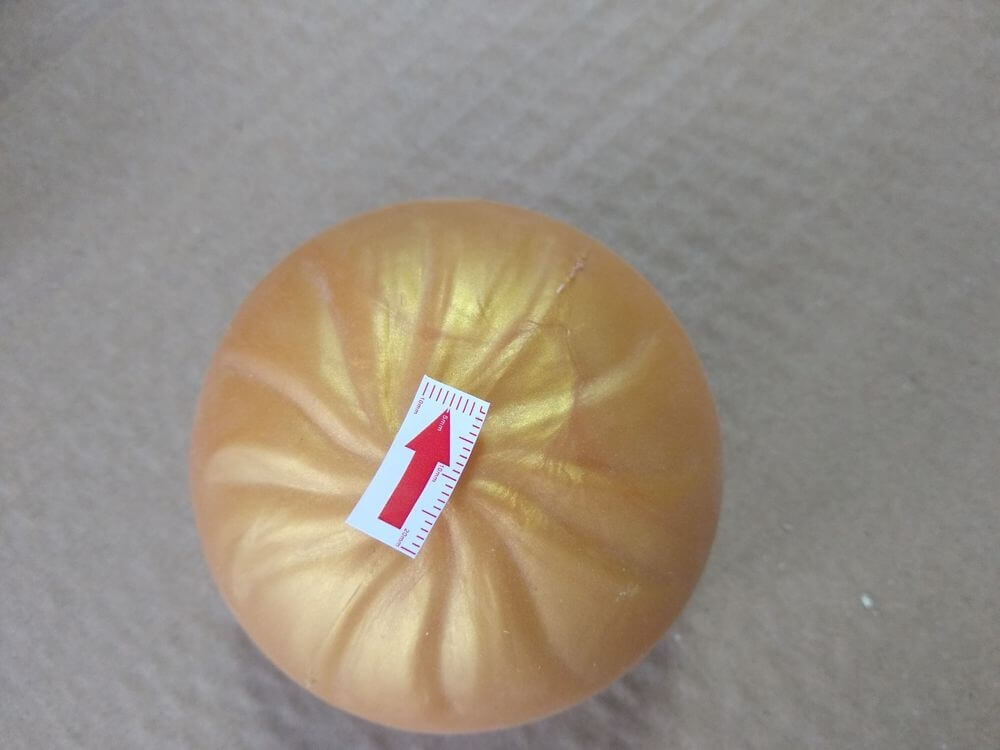
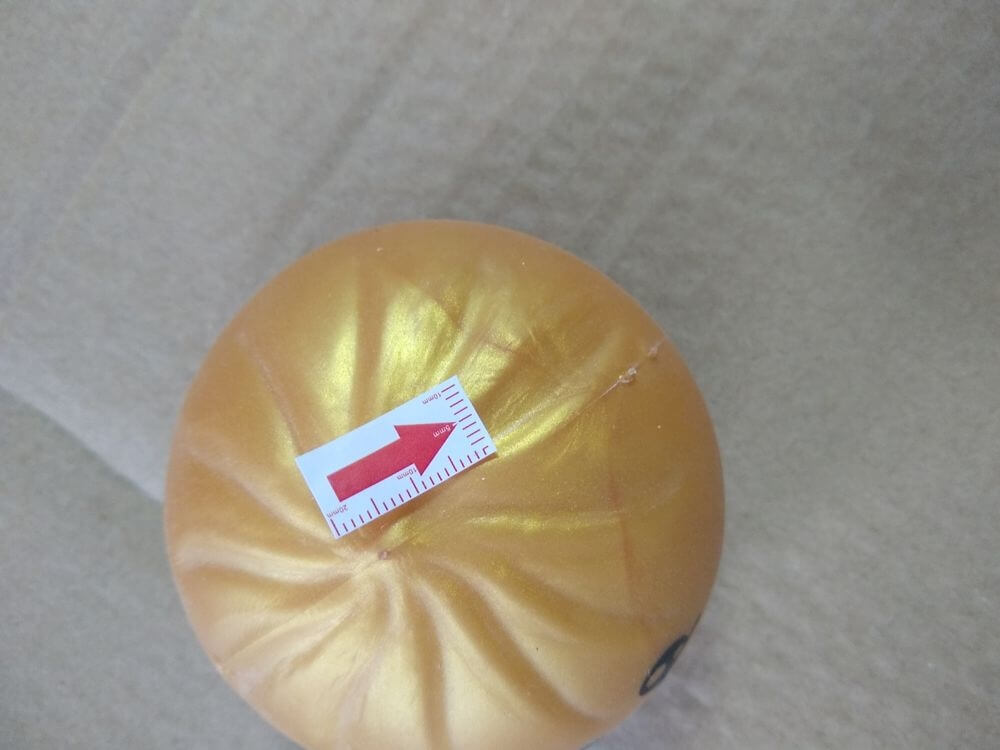
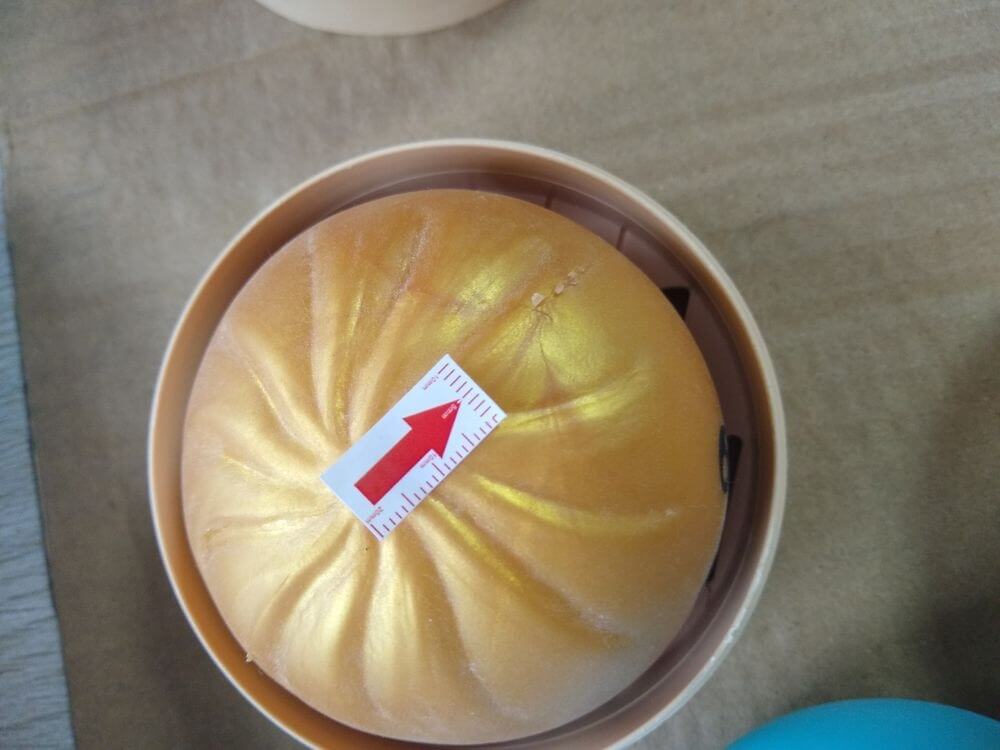
On September 12, 2025, our inspector at a TPR toy factory in Yiwu found this on a batch of Gold color TPR stuffed buns/dumplings during a performance of a final random inspection service in China. Gold color powder makes flow marks far more visible than in other colors — a material quirk worth knowing before you place your next order.
While flow marks are a common cosmetic defect in plastic injection molding, their visual impact on metallic-colored TPR products is particularly severe. If you are a buyer sourcing TPR toys, stress relievers, or decorative items, this defect can turn a premium-looking product into a rejected shipment within seconds.
| Finding Analysis | Details |
|---|---|
| Product | Gold color TPR stuffed bun/dumpling |
| Defect | Obvious Flow mark |
| Root Cause | Gold color powder in TPR reflects the flow mark obviously, this also happens on grey color powder. (No such issue found in other colors to date). |
| Corrective Action | Avoid using gold or grey color powder in TPR material or adjust injection parameters |
| Frequency | ⭐⭐⭐⭐☆ |
| Rework Difficulty | ⭐⭐⭐⭐⭐ |
| Rework Collateral Risk | ⭐⭐⭐⭐⭐ |
What Are TPR Toy Flow Marks and Why Do They Matter?
Flow marks (also known as flow lines or flow streaks) appear as wavy, rippled lines or circular streaks on the surface of a molded part. On the gold-colored steamed stuffed bun, these marks typically appear near the gate (injection point) or at the end of the flow path where the molten material struggles to fill the cavity.
While flow marks do not compromise the structural integrity, durability, or safety of a TPR toy, they severely degrade the perceived quality. For consumer-facing products, the visual appearance is often the deciding factor in the purchase decision. A gold bun with wavy streaks looks cheap, defective, and unappealing. In our inspection, we found that approximately 30% to 40% of the samples in the production batch exhibited visible flow marks, making it a critical issue that must be addressed before mass shipment.
Root Cause Analysis: Why Does Gold TPR Flow So Poorly?
To solve a problem, you must first understand its physics. The flow marks on your gold TPR buns are not caused by "bad luck" or "careless workers" alone. They are the result of material science and process dynamics. Here is the exact technical breakdown:
1. The High Viscosity of TPR
Thermoplastic Rubber (TPR) has a significantly higher melt viscosity compared to commodity plastics like PP or PE. This means it does not flow as easily. When the molten TPR is injected into the mold, it moves slowly, and the portion touching the cold mold wall solidifies immediately, creating a "skin." The material in the center continues to push forward. When these two layers move at different speeds, they create turbulence and visible lines on the final surface.
2. The "Pigment Flake" Problem (Crucial)
This is the core reason your gold and grey parts are failing. Metallic pigments (gold, silver, grey) are not round powder particles; they are tiny, flat flakes. As the molten TPR flows through the mold, these flakes align themselves parallel to the flow direction. However, when the flow front slows down, changes direction, or hits a cavity wall, the flow becomes turbulent. The flakes get misaligned and tumbled.
Because these metallic flakes reflect light differently than the base TPR resin, any disturbance in their alignment creates a visible streak on the surface. The more complex the shape (like the rounded surface of a steamed bun), the more the flow direction changes, and the more severe the flow mark becomes.
3. The Cooling Effect on the Flow Front
During injection, the material at the very front of the flow is constantly cooling down and increasing in viscosity. By the time the flow reaches the far end of the bun cavity, it is semi-solidified and moving sluggishly. This "hesitation" causes the metallic flakes to stack up and orient randomly, leading to heavy, dark streaks that look like scratches.
Why Are Other Colors (Red, Blue, Black, White) Not Affected?
This is a critical piece of evidence from our inspection. We have not observed this issue in solid colors. Why?
- Solid pigments (like carbon black or titanium dioxide) are round, microscopic particles. They do not have the reflective properties of metallic flakes, and their spherical shape does not disrupt the melt flow as significantly.
- Even if minor flow turbulence occurs in solid colors, the human eye perceives it merely as a slight shade variation rather than a distinct "mark." The metallic flakes, however, amplify the visual contrast, making the defect jump out immediately.
Fixing TPR Toy Flow Marks: Two Process-Level Solutions
Based on our on-site inspection experience, we recommend a two-tier approach to solve this defect.
Option 1: The Permanent Fix – Change the Color or Material
If your design specifications allow, the most effective, zero-cost-risk solution is to switch to a solid color (Red, Blue, Black, or White).
- Why it works: It removes the problematic metallic flakes entirely. The injection process can run with standard parameters, and even if minor flow lines exist, they will be virtually invisible to the naked eye.
- Recommendation: If the metallic finish is not a strict requirement for your end-user market, make this change immediately. It will save you from endless factory disputes and rework costs.
Option 2: The Mitigation Fix – Adjust Injection Parameters (If Gold is Mandatory)
If your buyer insists on the gold or grey color, you cannot eliminate the defect 100%, but you can significantly reduce its severity to an acceptable level by adjusting the following injection molding parameters:
| Parameter | Adjustment | Why it works |
|---|---|---|
| Injection Speed | Increase by 10-15% | Faster filling reduces the time the melt has to cool down before filling the cavity, keeping viscosity low and flow steady. |
| Mold Temperature | Increase by 5-10°C | A hotter mold delays the "skin" formation, allowing the material to flow more freely without hesitation. |
| Melt Temperature | Increase by 5-8°C | Lower viscosity improves flowability, but be careful not to exceed the TPR degradation temperature (check your TDS). |
| Gate Design | Enlarge the gate slightly (if possible) | Reduces injection pressure and shear stress, which prevents the metallic flakes from tumbling at the entry point. |
Important Note: Parameter adjustments only reduce the defect. We strongly recommend running 100-200 trial shots with the new parameters and inspecting every 10th piece before starting mass production.
Inspection Photos
TPR Toy Rework Effort & Risk Assessment
How bad is this defect if it slips through to your warehouse?
| Evaluation Metric | Rating | What It Means |
|---|---|---|
| Frequency | ⭐⭐⭐⭐☆ | High (30-40%). This is not a rare occurrence; it will happen in almost every batch if parameters aren't fixed. |
| Rework Difficulty | ⭐⭐⭐⭐⭐ | Extremely Difficult. Rework requires manual surface grinding or applying a secondary coating. This is highly time-consuming (3-5 mins/piece) and often deforms the soft TPR material. |
| Rework Collateral Risk | ⭐⭐⭐⭐⭐ | High. Attempting to sand or grind the surface often damages the bun's texture. It is very easy to scrap the product during rework. |
💡 TPR Toy QC Insight for Buyers
For all procurement professionals and brand owners: Treat metallic pigments as a high-risk design choice in TPR toy injection molding.
- Pre-production testing is non-negotiable. Do not approve a gold color based on a 3D rendering or a single hand-painted sample. You must test the actual metallic TPR compound on the actual production mold before giving the green light.
- Set clear AQL limits. If you must ship gold, agree with your factory on a clear "acceptable standard" for flow marks (e.g., "Visible within 2cm distance" vs. "Visible at arm's length"). Do not leave it to subjective judgment.
- Choose the right partner. A factory with experienced molding engineers who know how to tweak parameters can make or break your order.
The flow mark is specifically pronounced due to the metallic nature of the gold/grey powder in the TPR material. If your design requirements allow, shifting to a solid color or a non-metallic pigment is the most effective way to eliminate this aesthetic defect.
This TPR flow mark case illustrates a broader reality of product inspection in China: cosmetic defects tied to metallic pigments are rarely a one-off problem — they are a systemic manufacturing risk driven by material choice. A trained QC inspector who understands injection molding can spot these risks in minutes, whereas a generic checklist approach would miss them entirely. For importers introducing new TPR product lines, pairing an on-site pre-shipment inspection with clear AQL cosmetic criteria before the first shipment is the difference between a smooth launch and a warehouse full of returns.
TPR Toy Quality Control — Let CNQ Help You Prevent These Issues
As a dedicated third-party inspection company in China, CNQ’s QC inspectors have over 15 years of hands‑on experience in injection molding factories across the country. We know exactly where to look for color‑specific defects like flow marks. Before your shipment leaves the factory, our inspectors will:
- Conduct random sampling during the molding process to catch flow marks early.
- Perform detailed photo documentation with close-ups of critical surfaces.
- Provide a clear pass/fail judgment based on your predefined AQL standards.
Protect your brand's reputation from aesthetic defects. A quick, one-day pre-shipment inspection can prevent expensive returns and shipping delays. Handling a larger order? Reach out to our team or calculate your estimated inspection costs in seconds using our Man-Day Estimator.
Frequently Asked Questions About TPR Toy Flow Marks
Flow marks are wavy, rippled lines or circular streaks on the surface of a molded part, typically appearing near the gate or at the end of the flow path where molten material struggles to fill the cavity.
Metallic pigments like gold and grey are flat flakes, not round particles. When molten TPR flows turbulently, these flakes misalign and reflect light differently, creating visible streaks. Solid pigments like carbon black do not cause this effect.
The permanent fix is switching to a solid color. If gold or grey is mandatory, adjust injection parameters: increase injection speed by 10-15%, mold temperature by 5-10°C, melt temperature by 5-8°C, and slightly enlarge the gate. Run 100-200 trial shots and inspect every 10th piece first.