
On-Site Story: When "In-House Confidence" Meets Chemical Incompatibility
This final inspection service was commissioned by a prominent UK toy brand importer. The product under evaluation was a sticky squish koala toy made of Thermoplastic Rubber (TPR).
This was a factory we knew very well — over the past year or so, our inspectors had visited their facility five or six times. To be honest, every time we went, we had a bit of a knot in our stomachs. While the factory had their own production lines, they routinely outsourced orders to smaller workshops during peak seasons. And the quality from those outsourced jobs was a completely different story from what they produced in-house. We had helped our client reject several batches already — not because we were trying to be difficult, but because the quality simply wasn't acceptable. So when this inspection came up, our inspector couldn't help but wonder: what would it be this time?
Upon arrival, the receptionist seemed to have read our minds. The moment they greeted us, they said with full confidence: "Relax — this entire batch was molded, produced, and packed 100% in-house, with QC monitoring every step of the way. And the product is so simple — just a TPR koala, a few plastic leaves, a couple of cotton balls, all in one bag. It's practically impossible for anything to go wrong! Today, you can rest easy — inspect as you like. There won't be any problems like last time."
To be honest, we were genuinely relieved to hear that. In this line of work, we really don't want to find problems — when issues come up, it's stressful for everyone. And when defects do appear, the pressure lands squarely on the inspector: How serious is it? How do we present it objectively to the client? We are the client's "eyes and ears" on the ground — but everyone sees and interprets things differently. A few photos are never enough — the same issue can look minor or major depending on the angle. So it takes technical judgment and accurate language to convey the true picture as objectively as possible.
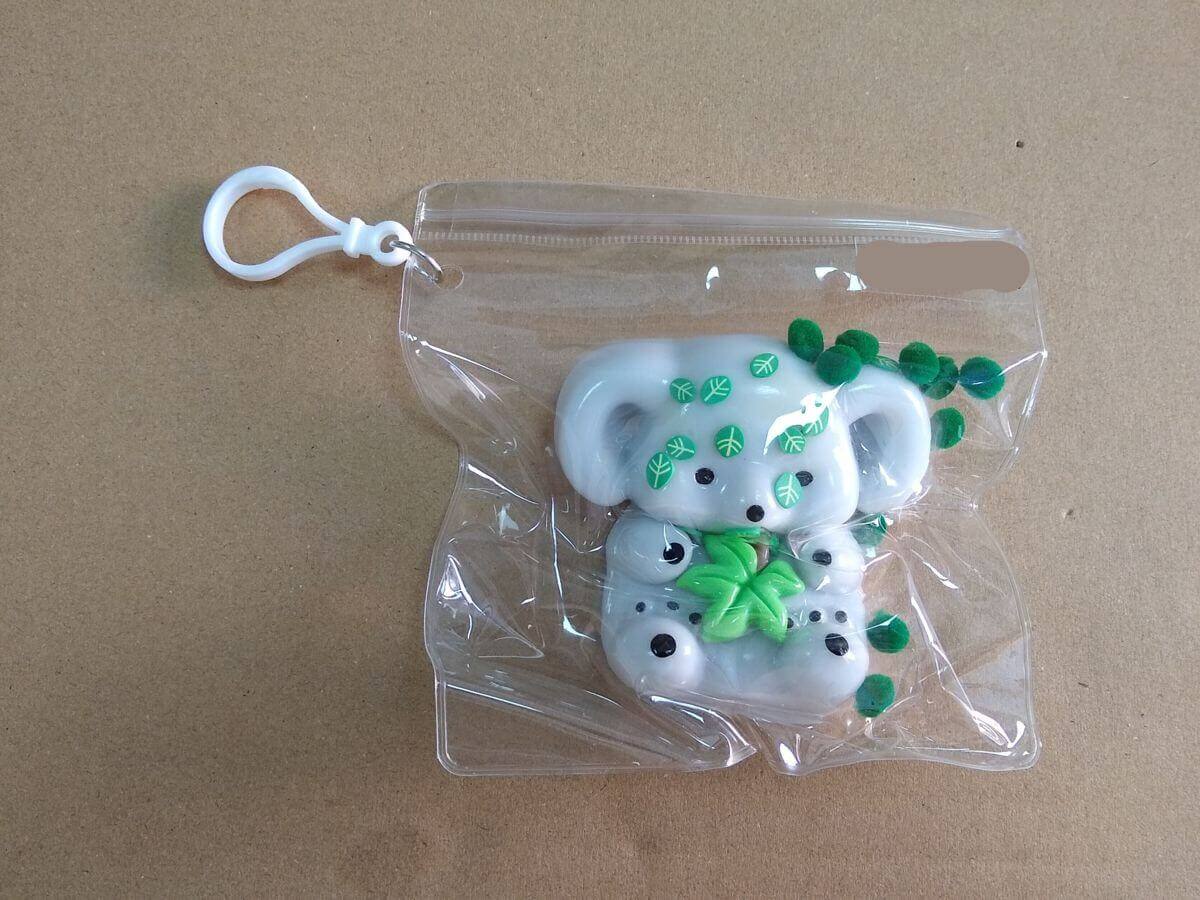
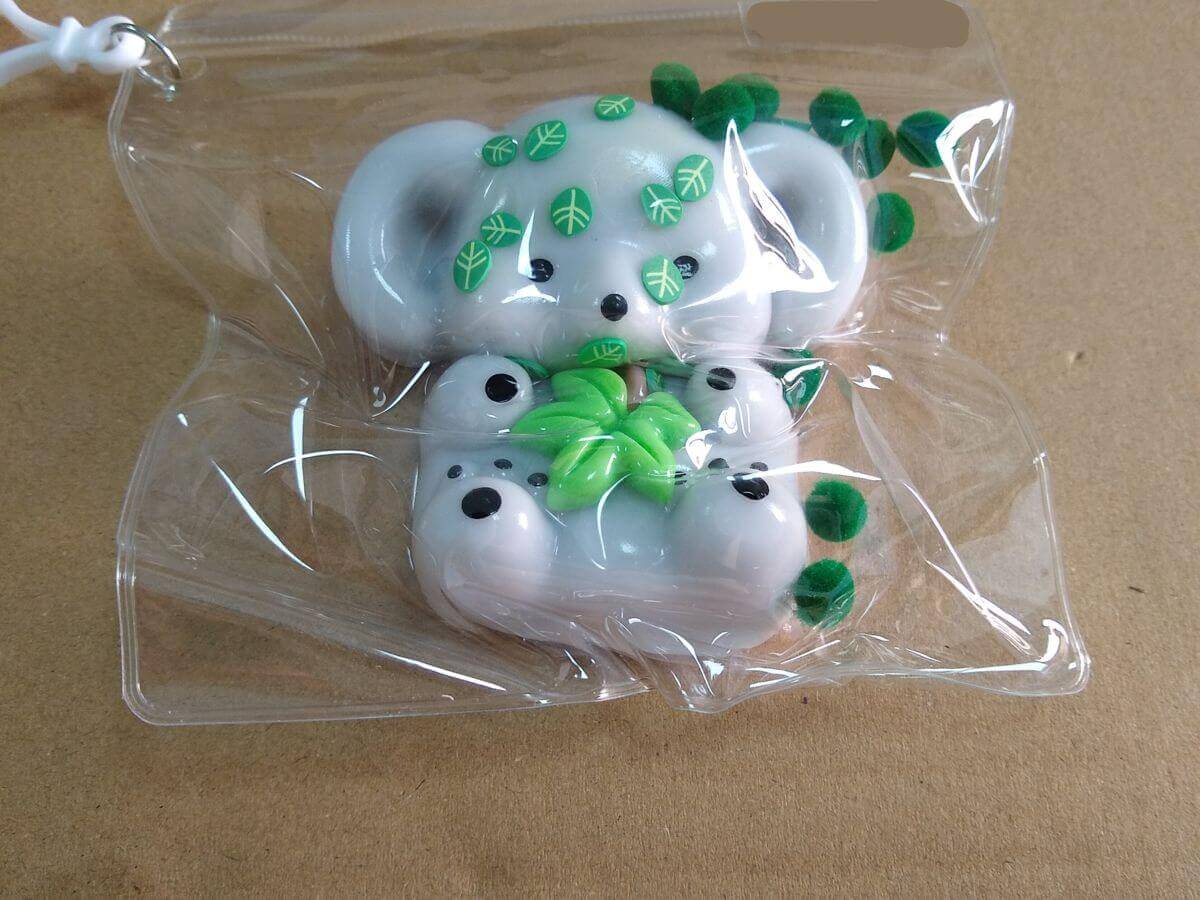
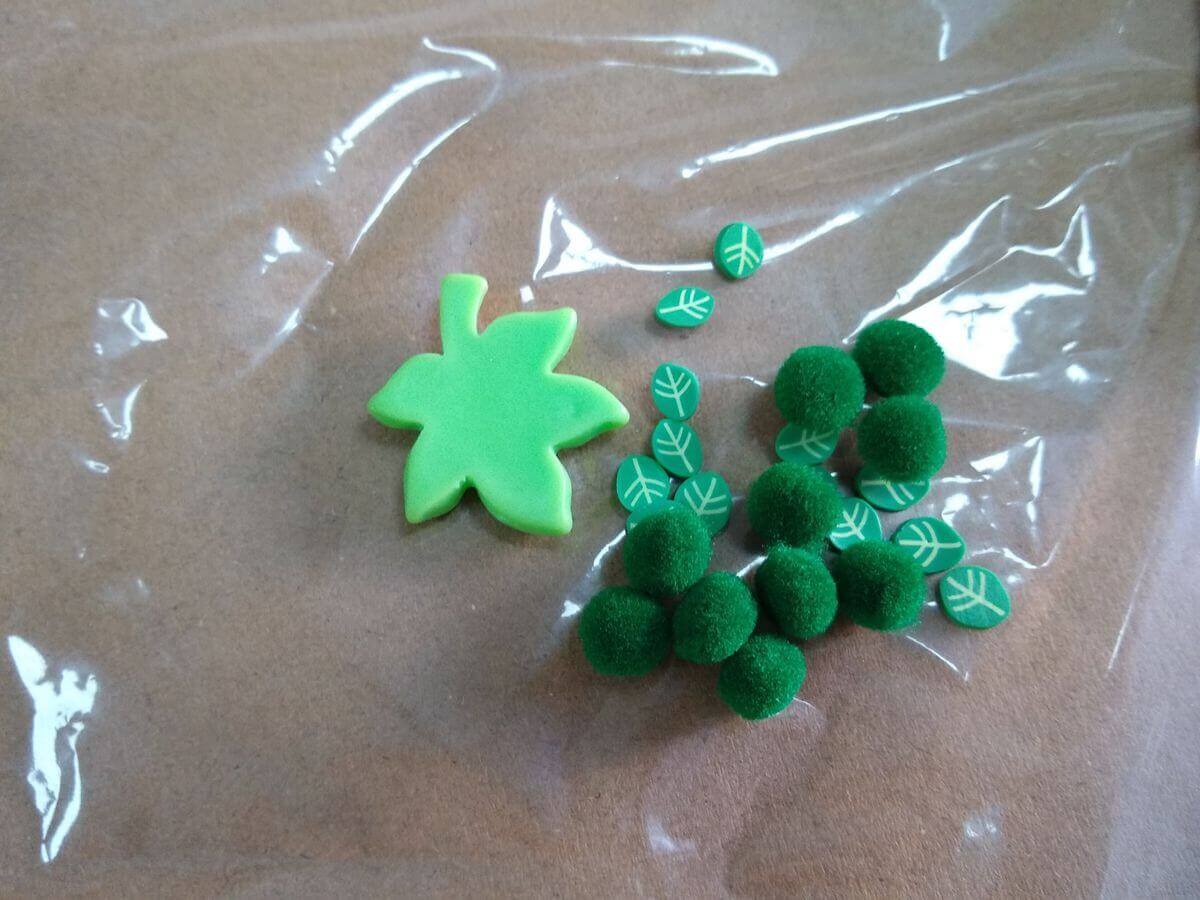
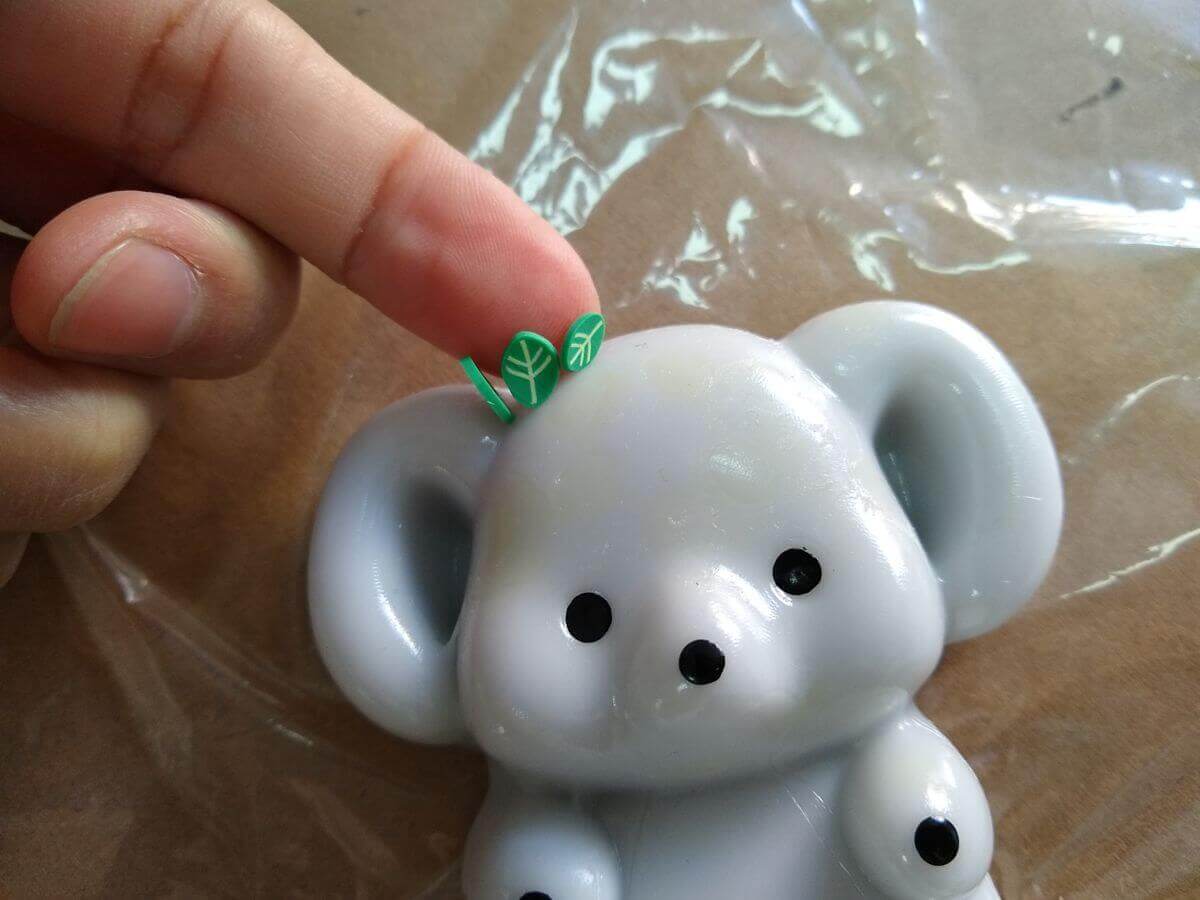
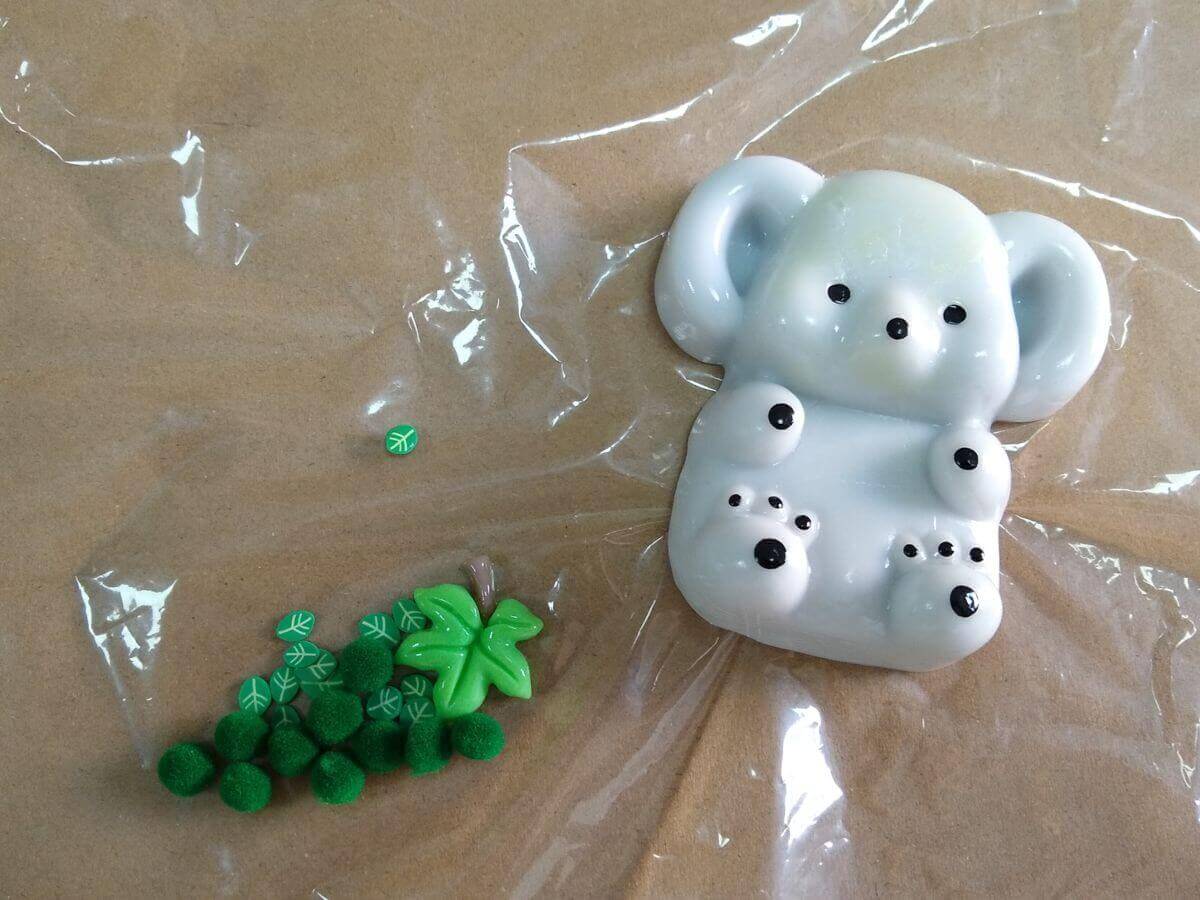
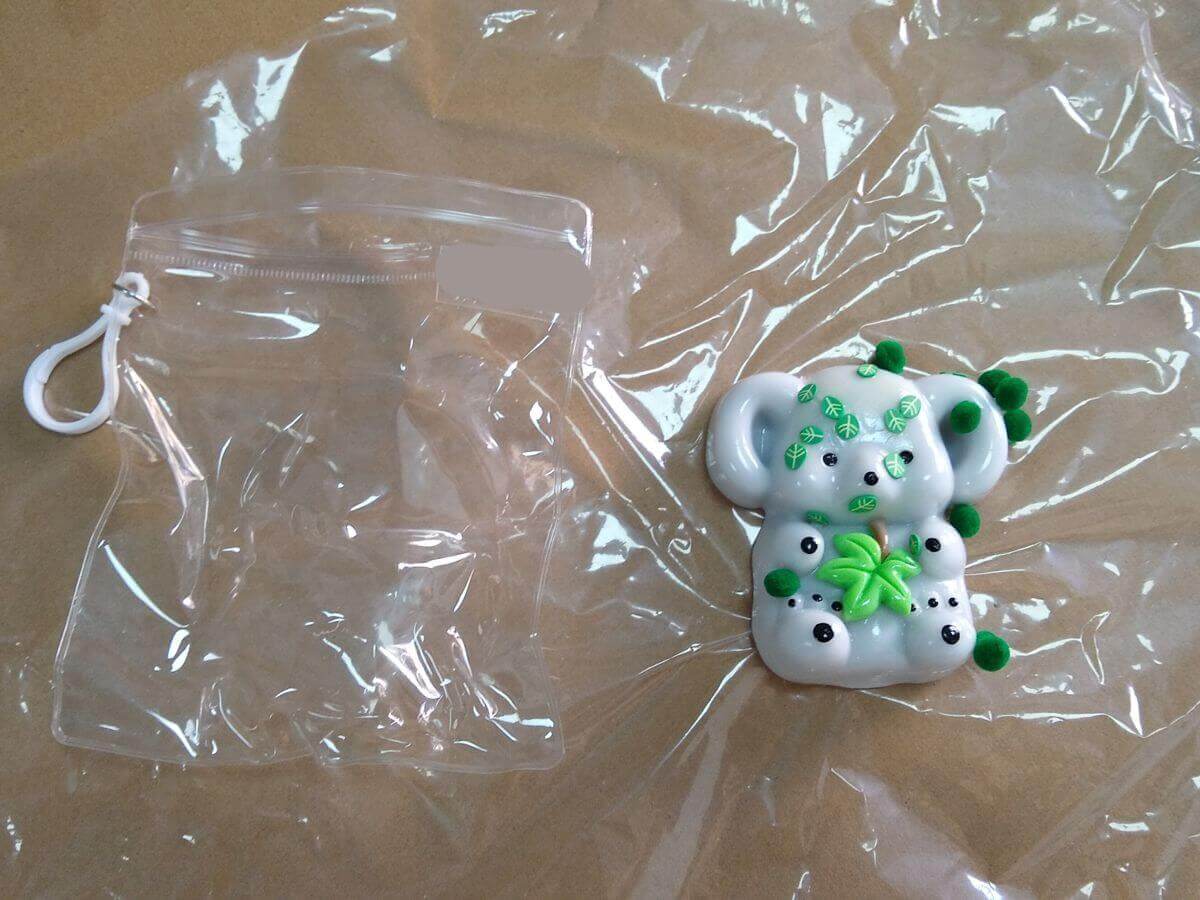
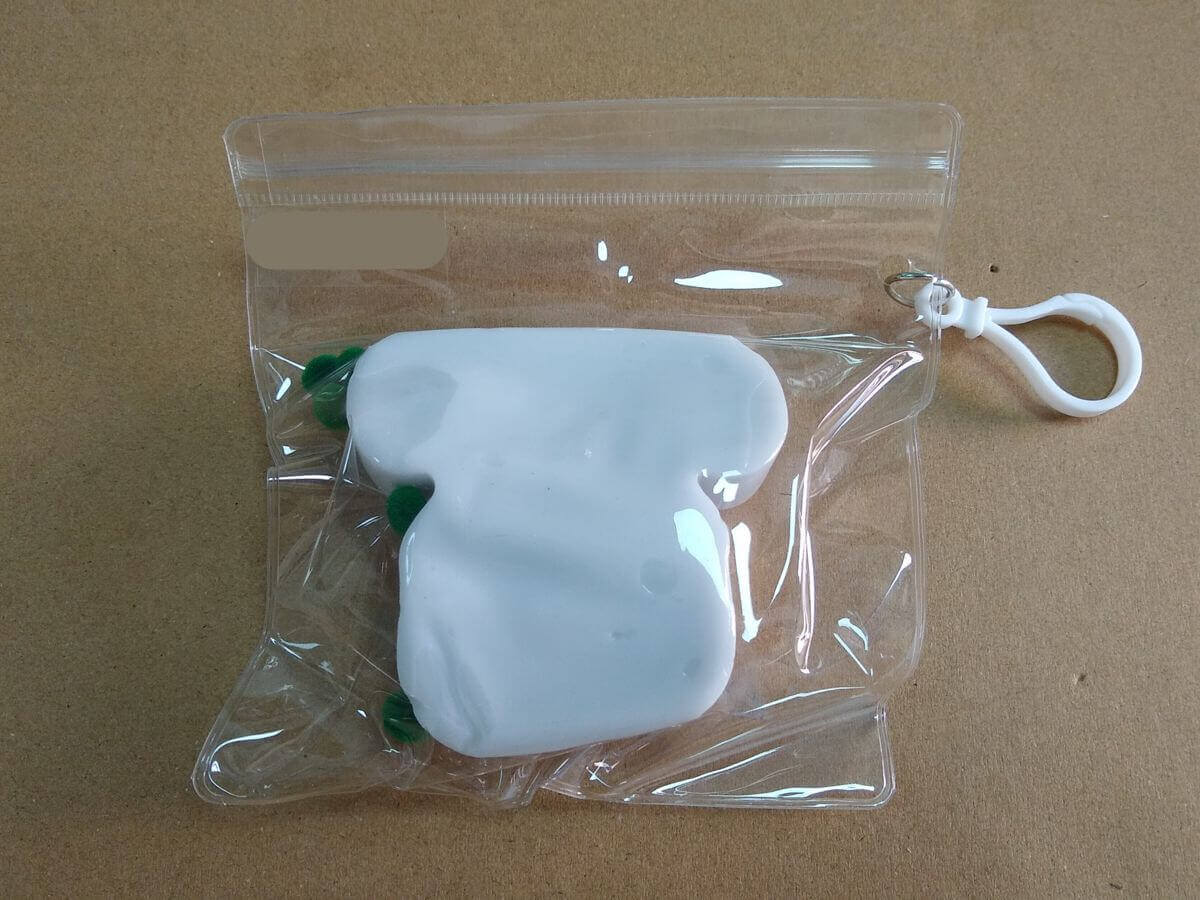
Then came the standard procedure — entering the warehouse, counting cartons, confirming quantities, and selecting cartons and samples, then moving to the inspection room. But when our inspector opened the first carton, a sinking feeling set in — the sticky TPR koala, the green plastic leaves, and the green cotton balls were all stuffed loosely together in a single PVC pouch, with no separation whatsoever.
Anyone who works with TPR knows that the material is inherently porous, sticky, and chemically reactive. Packing it in direct contact with cheap dyed plastic accessories is a ticking time bomb. Even if you don't see it immediately, after weeks of temperature changes and pressure during ocean freight, staining is almost guaranteed to happen.
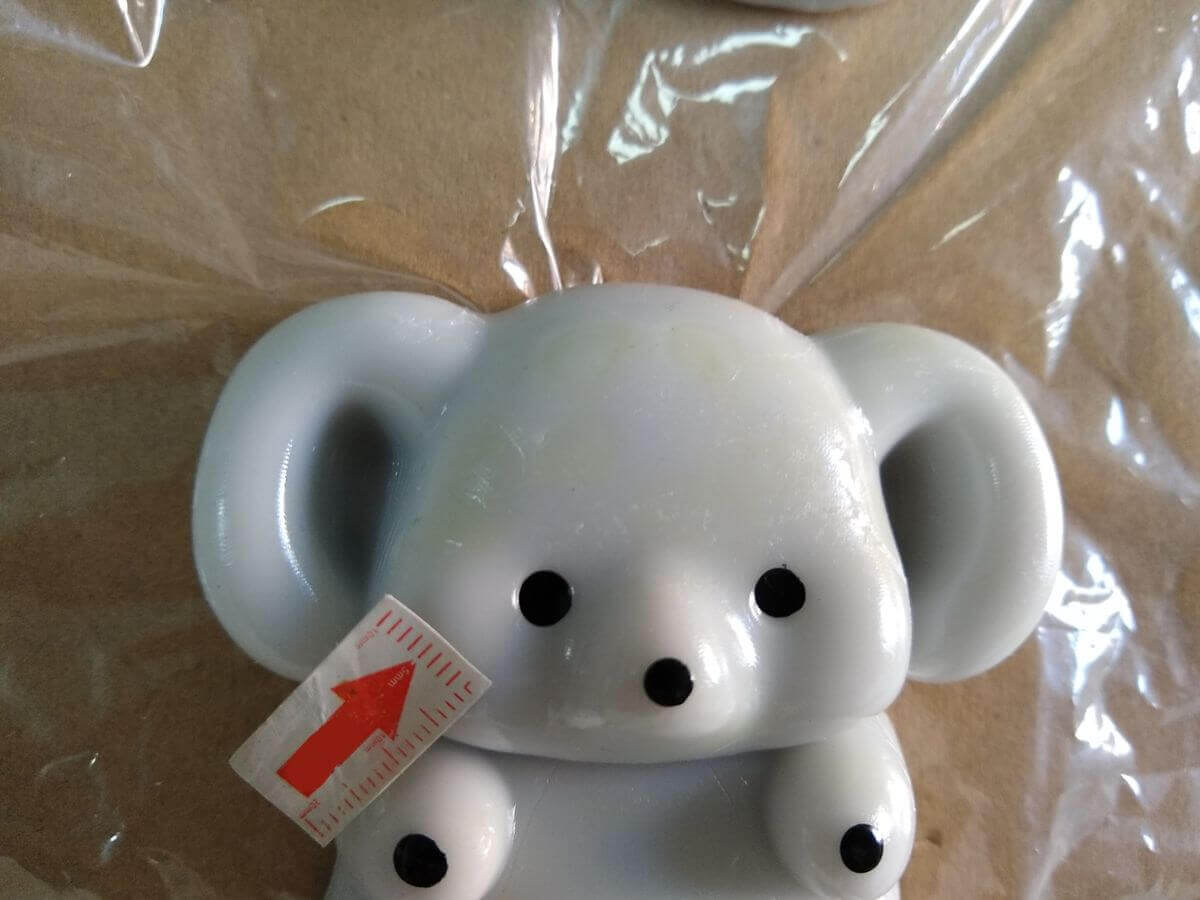
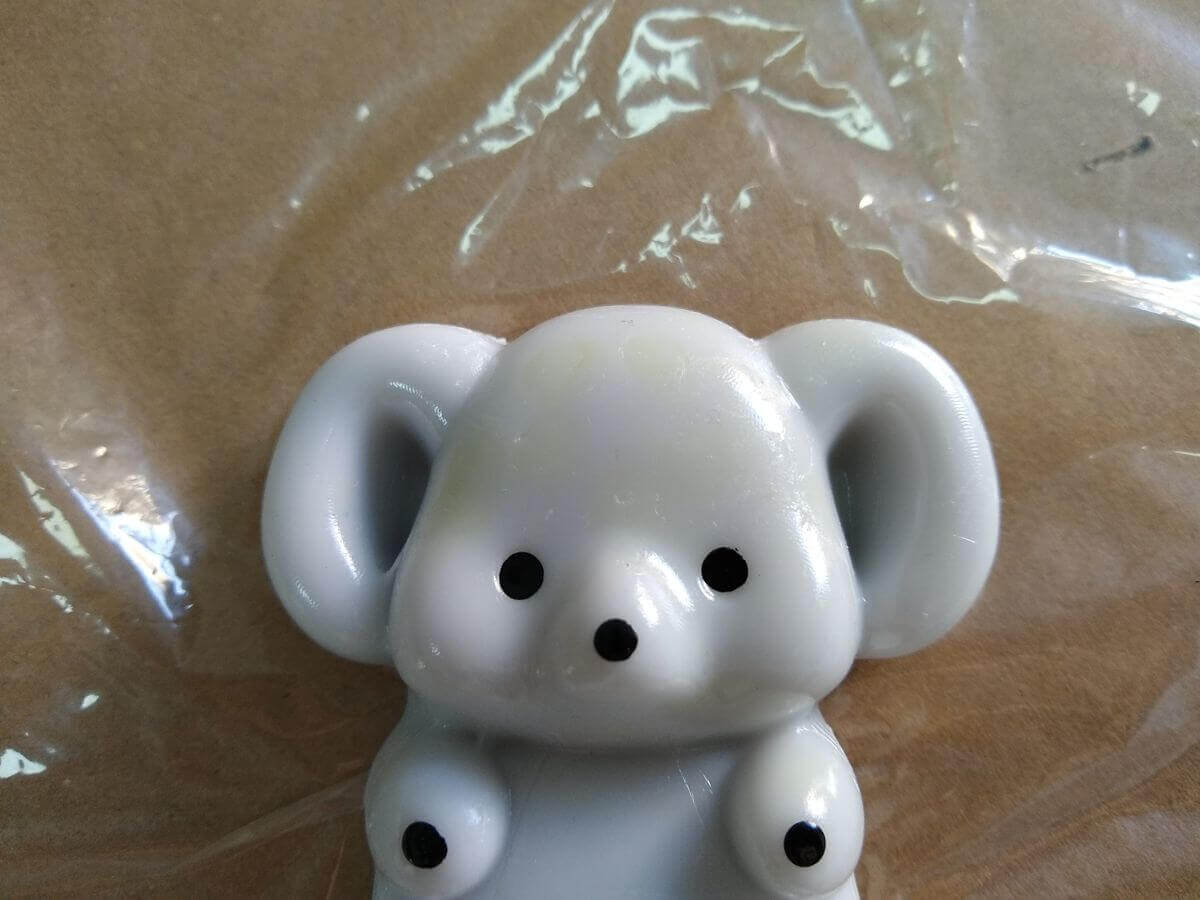
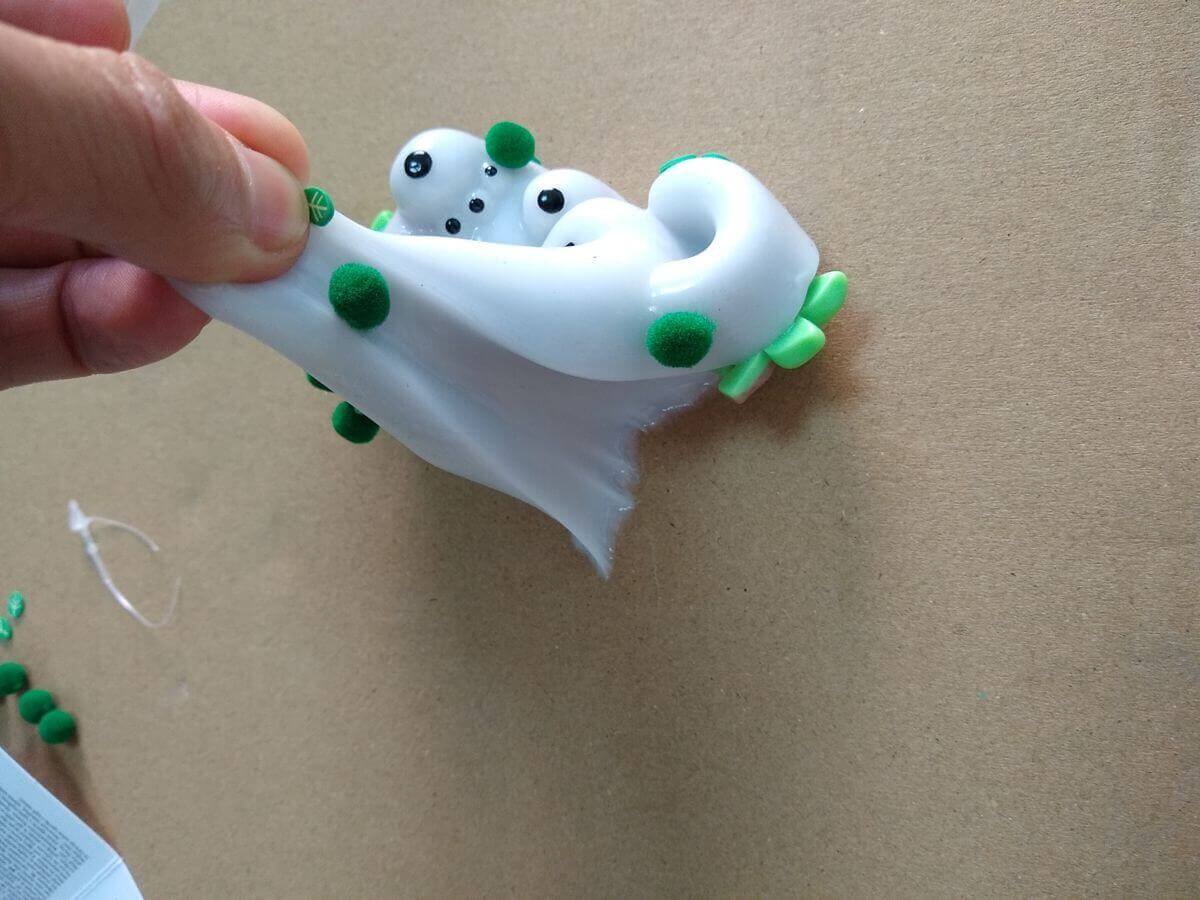
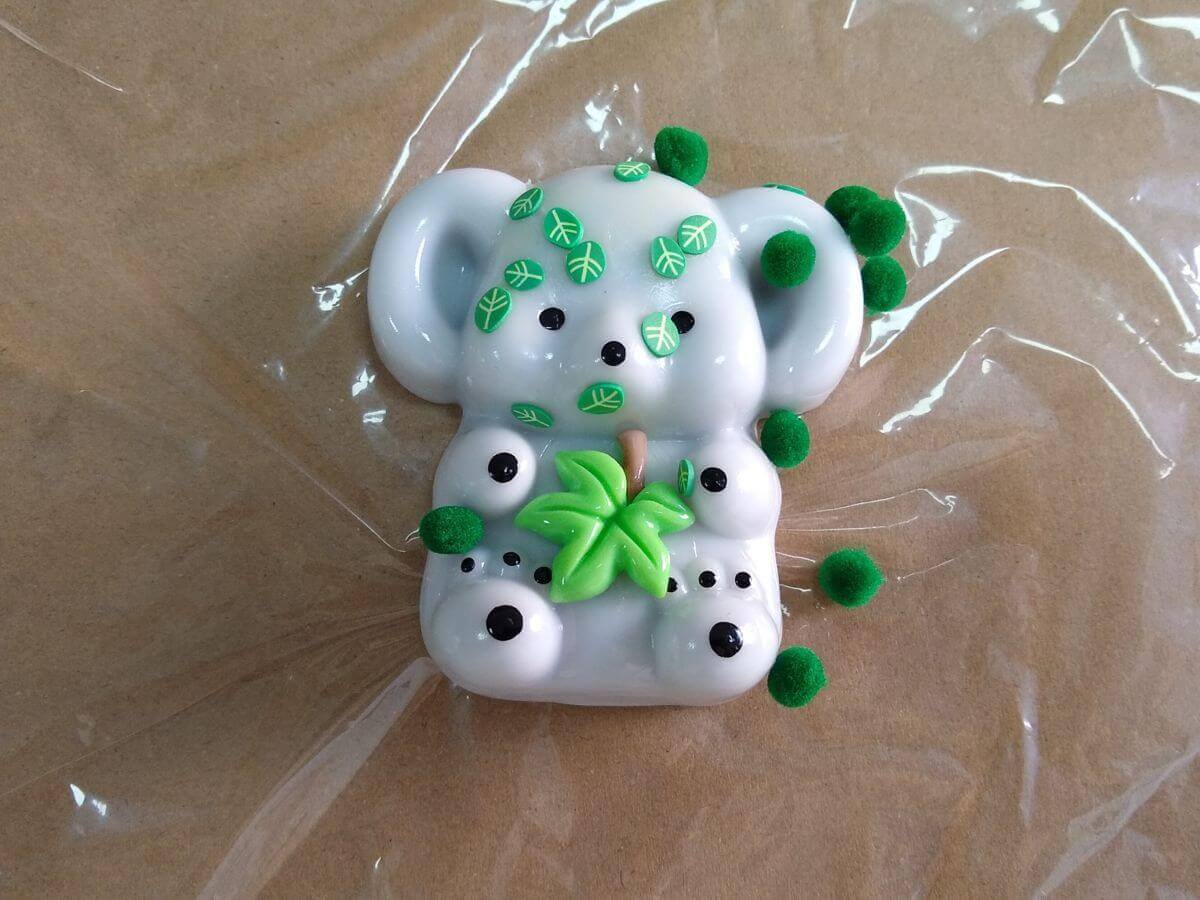
As the inspector unpacked each unit, they were already thinking: if there's no visible stain yet, how should this be described in the report? But by the time they opened the seventh or eighth unit, the answer was clear — the TPR koala's body was already marked with obvious green stains transferred from the plastic leaves.
The factory receptionist stood there frozen, speechless for a long moment. Finally, they stammered: "We calculated everything... how could we have missed this one?!" Our inspector could only smile wryly to themselves — yet again, the same story, the all-too-familiar "oversight."
That's the product — a seemingly simple TPR sticky koala, with a few plastic leaves and some cotton balls. But it's precisely these "simple-looking" products that hide the most "simple-sounding" problems — incompatible materials, and now staining. And just like that, an entire batch was effectively ruined.
Product Inspection Finding
This defect was found during our pre-shipment inspection of the sticky squish koala. Color bleeding is a severe aesthetic and chemical defect that often results in total batch rejection.
| Finding Analysis | Details |
|---|---|
| Product | Sticky squish koala (TPR material) |
| Defect | Color bleeding / Pigment migration |
| Root Cause | Unsegregated packaging allowed low-grade, dyed plastic accessories to react directly with the porous, sticky TPR surface inside the PVC pouch. |
| Corrective Action | Upgrade to colorfast-certified accessories, physically isolate accessories in separate compartments or polybags, and enforce pre-production heat/pressure migration testing. |
| Frequency | ⭐⭐⭐⭐⭐ |
| Rework Difficulty | ⭐⭐⭐⭐⭐ |
| Rework Collateral Risk | ⭐⭐⭐⭐⭐ |
Inspection Photos
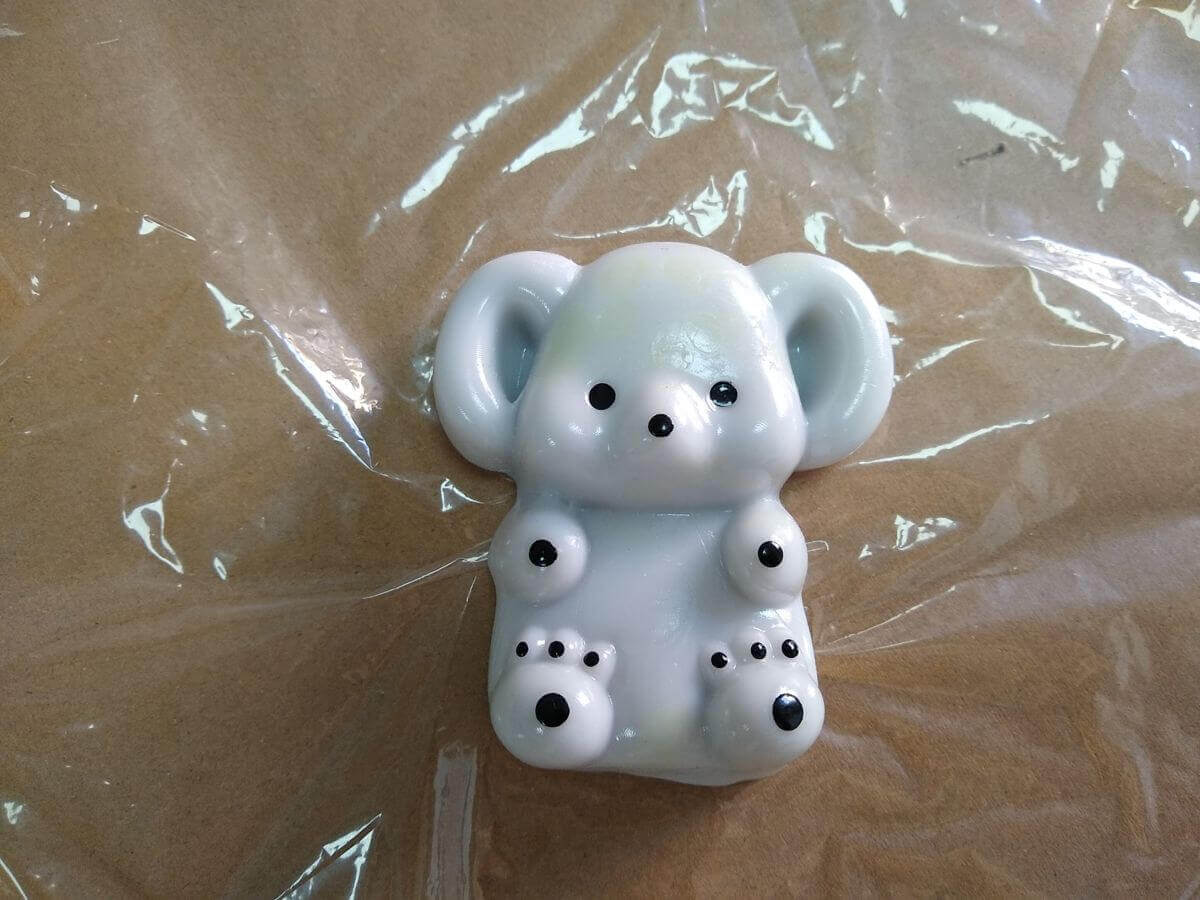
The photos below document what we observed on site: the sticky TPR koala, green plastic leaves, and green cotton balls packed together in a single PVC retail pouch — with pigment migration already underway.
Rework Effort & Risk Assessment
How bad is this defect if it slips through to your warehouse?
| Evaluation Metric | Rating | What It Means |
|---|---|---|
| Frequency | ⭐⭐⭐⭐⭐ | Extremely High. Sticky polymers naturally absorb unbonded pigments whenever packed in direct contact with colored accessories. |
| Rework Difficulty | ⭐⭐⭐⭐⭐ | Nearly Impossible. Once pigments migrate into the porous TPR matrix, the discoloration cannot be washed, wiped, or scrubbed off. |
| Rework Collateral Risk | ⭐⭐⭐⭐⭐ | Total Loss Risk. Attempting chemical solvents to strip the stain ruins the sticky surface finish, forcing the complete disposal and re-molding of affected units. |
💡 QC Insight for Buyers
Color bleeding in sticky TPR toys is permanent and irreversible:
- Never allow direct contact between sticky TPR and dyed accessories. Always require the factory to isolate colored plastic leaves, fabric balls, or printed inserts in separate internal polybags or blister compartments.
- Mandate an accelerated "Migration Test" during pre-production. Require the factory to place assembled samples under weight inside an oven at 40°C–50°C for 48 hours to simulate shipping container conditions before approving mass production.
- Verify accessory colorfastness. Cheap accessories often use non-colorfast dyes that leach out easily under pressure and ambient humidity.
This class of hidden, material-driven defect is exactly why independent China product inspection matters — catching it before your goods leave the factory.
Let CNQ Help You Prevent Toy Defects
As an objective China inspection company with over 17 years of expertise, CNQ’s inspectors combine deep knowledge of toy safety standards with hands‑on, practical material evaluation. We look beyond surface‑level assembly to identify chemical incompatibility and packaging flaws before your goods leave the factory
Before your shipment departs, our team will:
- Verify component segregation and packaging layout on the packing line
- Conduct on-site migration and adhesion testing under real-world pressure simulations
- Deliver objective, clear reports so you can protect your brand from costly retail recalls
Protect your toy line with expert, on-the-ground quality control from CNQ.
Frequently Asked Questions About TPR Toy Color Bleeding
Unsegregated packaging. The sticky TPR koala, green plastic leaves, and green cotton balls were stuffed loosely into a single PVC pouch. The porous, sticky, chemically reactive TPR absorbed unbonded pigments from the cheap dyed plastic accessories.
No. Once pigments migrate into the porous TPR matrix, the discoloration cannot be washed, wiped, or scrubbed off. Attempting chemical solvents ruins the sticky surface finish, forcing the complete disposal and re-molding of affected units.
Never allow direct contact between sticky TPR and dyed accessories — isolate components in separate internal polybags or blister compartments. Mandate an accelerated migration test during pre-production (assembled samples under weight at 40-50°C for 48 hours), and verify accessory colorfastness.
Disclaimer: This case study is based on an actual pre-shipment inspection performed by China Quality Service. Product details and factory information have been anonymized to protect client confidentiality. The technical analysis and recommendations provided are for educational purposes only and should not replace professional on-site evaluation tailored to your specific product and supplier requirements.