
On-Site Factory Audit Story: The 26-Day Delay and the "Cleanroom" Misconception
For this factory audit, our services were commissioned by a prominent German offline supermarket retailer. However, getting this audit scheduled turned into a 26-day tug-of-war.
Initially requested for the beginning of the month, the factory repeatedly pushed back the date with a carousel of excuses: "We are too busy with urgent production," "Government fire inspectors are coming this week," "Our administrative manager is on leave..."
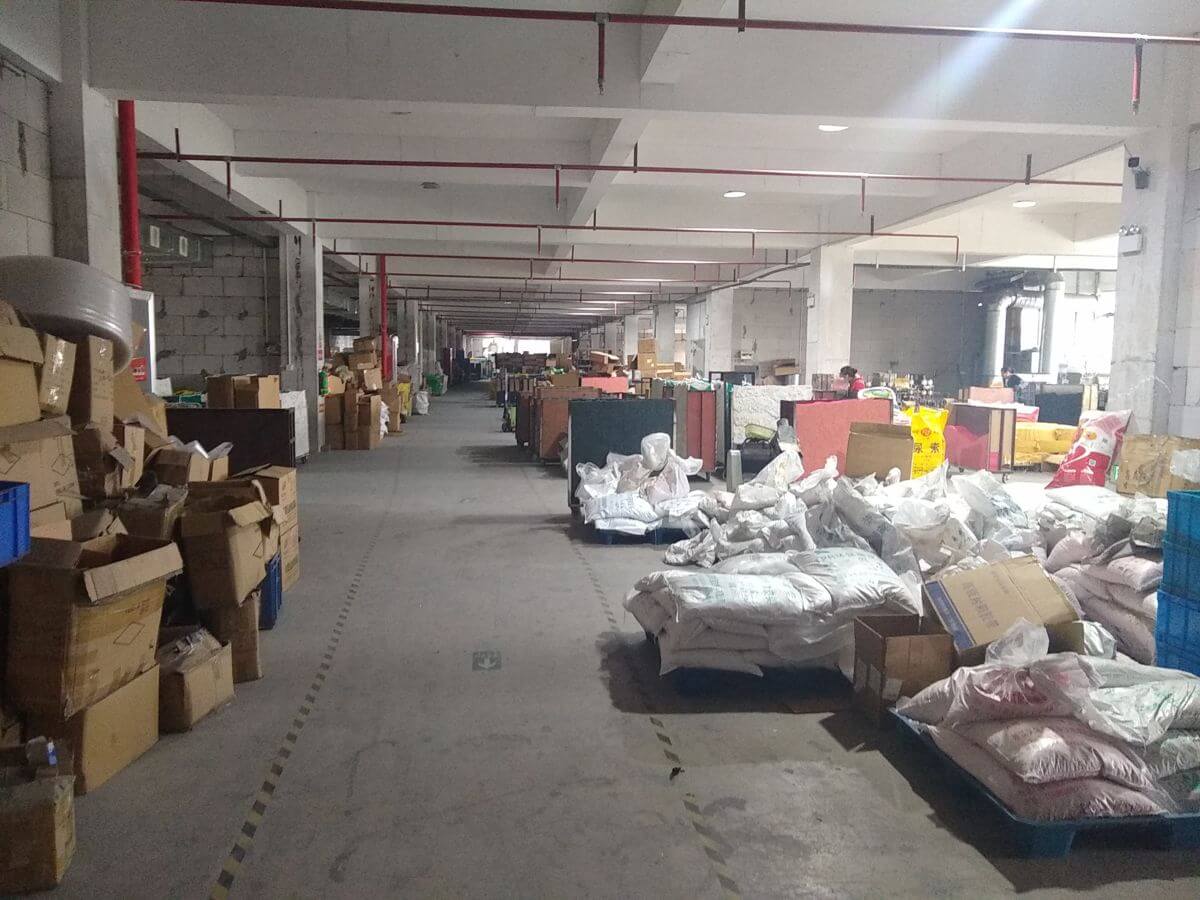
Recognizing the pattern, our technical scheduling team reached out directly to the factory owner to get to the real root of the issue. Based on our years of on-the-ground experience in China, we knew that pencil manufacturing facilities are inherently industrial—they involve graphite dust, wood shavings, and paint lines. They simply cannot look like pristine, white-glove electronics cleanrooms or polished garment workshops.
After a candid conversation, the factory management finally opened up:
"This German buyer is our top VIP client. We've worked together for years, but they have never audited our factory on-site. The workshop photos we sent them in the past were carefully staged and retouched. Because German buyers are known for strictness, we were terrified that an auditor would look at our dusty floors and fail us immediately. We didn't know what 'qualified' actually meant, so we kept stalling to ask around for advice."
Our technical team reassured them: a factory audit is not a beauty contest. We explained that our goal isn't to evaluate cosmetic vanity or glossy floors, but to audit the core elements that directly impact product quality, safety, and order fulfillment: raw material controls, production workflows, equipment maintenance, and internal quality gating.
Reassured that they would be evaluated on production substance rather than surface appearance, the factory owner instantly regained confidence: "If it's about production capability and quality control, we have nothing to hide! Come tomorrow!"
Pencil Factory Audit Findings: Substance Over Surface
When our auditor arrived on-site, the factory management welcomed us with complete transparency, humbly asking for feedback to improve their operations.
While the workshop certainly bore the natural hallmarks of traditional wood and graphite processing, the facility performed surprisingly well across all critical operational metrics. For a mid-sized commodity plant, their raw material storage, production routing, machinery maintenance routines, and in-process QA/QC gating were remarkably solid and disciplined.
Pencil Quality Risks We Check During a Pencil Factory Audit
For buyers and factories alike, these are the points that decide whether a pencil survives a school bag on the other side of the world:
- Lead Centering: Off-center leads make pencils break during sharpening and waste wood. We check centering on cut samples across multiple batches.
- Lead Hardness & Firing: The graphite-to-clay ratio and kiln temperature decide whether an "HB" actually behaves like an HB. Inconsistent firing is invisible until the first sharpening.
- Glue Bond Strength: A pencil that loses its lead after two sharpens fails the most basic test. Bonding line humidity and glue age matter more than people think.
- Wood Quality: Knots, warping, and splits in the casing cause rough sharpening and broken points.
- Paint & Printing: Multi-coat lacquer must adhere and cure properly; for children's pencils, coatings must meet EN71-3 heavy metal limits.
- Dimensional Consistency: Hexagonal or round body tolerances and length affect both packaging and how the pencil performs in a sharpener.
Factory Overview
The following operational profile has been verified via an on-site factory audit commissioned by a European supermarket client:
| Attribute | Details |
|---|---|
| Main Product | Traditional Pencils (Domestic & Export lines) |
| Factory Estimated Size | Medium Scale |
| Factory Name | Yiwu Jianli Stationery Factory |
| Contact Person | Ms. Wang (+86.1835.7923.026) |
| Location | Jinhua, Zhejiang Province, China |
| Foreign Trade Department | No (Relies on domestic trading entities / direct buyer agents) |
Audit Diagnostics & Technical Evaluation
Proven Infrastructure & Operational Health
- Raw Material Handling: Wood slats and graphite leads are stored in climate-monitored areas to prevent warping and lead breakage due to humidity fluctuations.
- Machinery & Maintenance: Multi-groove shaping machines and automated lead-bonding lines are regularly serviced, ensuring tight tolerances for lead centering.
- Paint & Dip-Top Line: Multi-pass lacquering and drying tunnels are equipped with localized dust extraction to maintain paint adhesion and smooth finishes.
- In-Process Quality Control (IPQC): Active sharpening tests, core-breakage resistance checks, and non-toxic paint certification logs are tracked per batch.
On-Site Production Floor Gallery
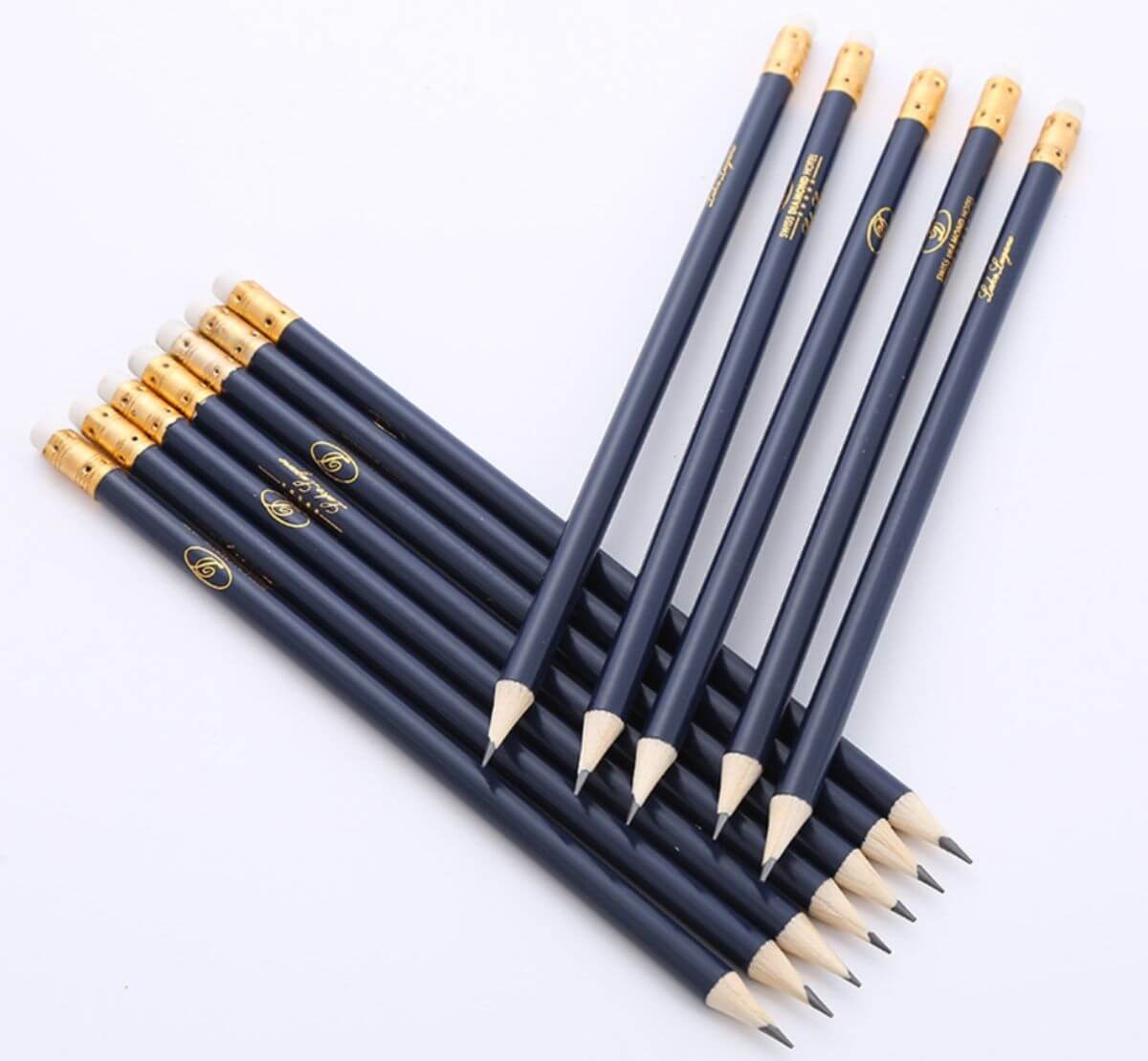
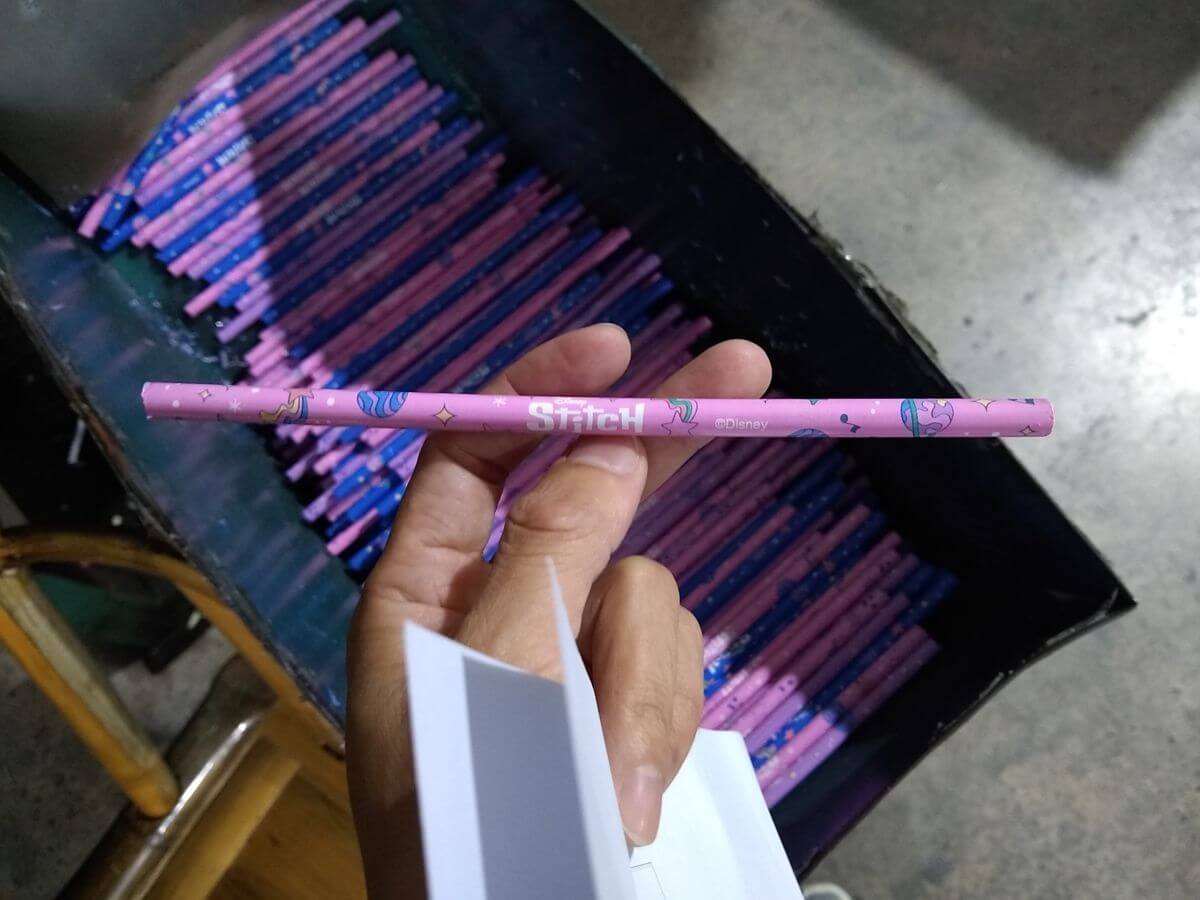
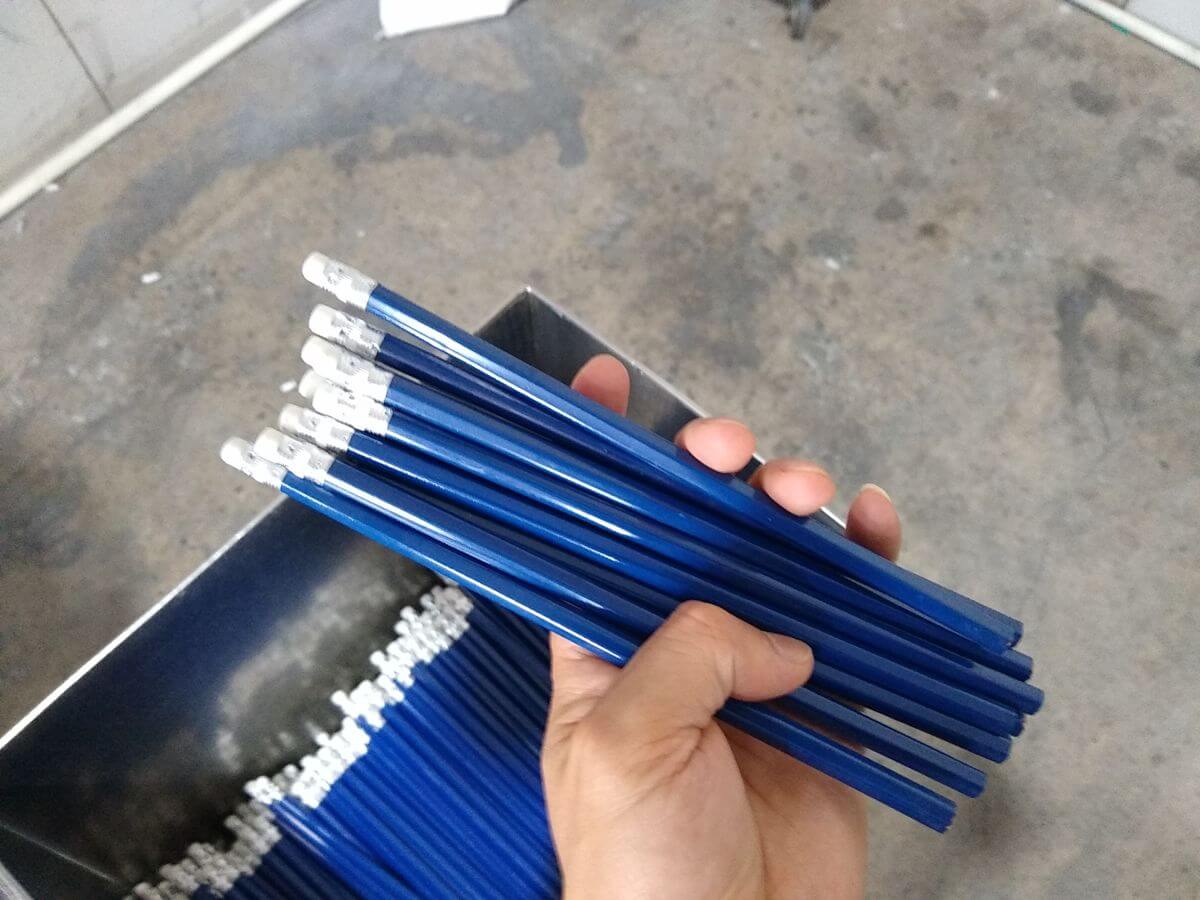
The snapshots below are unedited technical records captured by our quality inspectors during the factory audit, showing the pencil production floor and finished stock on the day of the visit:
A Note for Buyers
- Category-Specific Expectation Alignment: Never evaluate heavy industrial commodity factories (such as pencils, hardware, or castings) using high-tech cleanroom criteria. Look for process discipline, not spotless floors.
- Domestic-Oriented Facilities: Factories lacking a direct foreign trade department often possess strong manufacturing capabilities but may require clear guidance regarding international packaging standards and communication protocols.
- Core-Centering & Lead Safety: For pencil sourcing, prioritize suppliers with automated slat-grooving and glue-bonding processes to avoid off-center leads that break constantly during sharpening.
The Bottom Line & Disclaimer
This audit was delayed 26 days — not because the factory was too busy, but because they were afraid they wouldn't "look good enough." But once they understood that the audit was really about production processes and quality control capability, all their concerns vanished. On the day of the audit, they showed up with complete transparency and solid production management — proving their true strength.
This profile documents an on-site factory audit conducted for a German retail client's supply chain evaluation. It reflects a historical record of specific audit outcomes. We maintain no financial alignment, commercial partnerships, or sales agency agreements with this supplier. Every production lot varies; buyers should perform independent assessments and book inspection services for their individual orders to verify current specifications.
Disclaimer: This factory profile is based on an actual audit performed by China Quality Service. Factory details have been anonymized to protect client and factory confidentiality, only shows basic information. The technical analysis and recommendations provided are for educational purposes only.