
On-Site Story: The 9-Year Ideal Client and the "Dust-Free" Surprise
For this pre-shipment inspection (PSI) commissioned by an offline retail client based in Europe, the story began with everything pointing toward a smooth day. Their annual order volume is modest and orders arrive scattered throughout the year, yet their relationship with the supply chain is a textbook example of long-term commercial trust.
This case is worth sharing because it shows how a seemingly bulletproof supply chain can be broken at the last moment before shipment by an overlooked detail — and why importers sourcing painted stainless steel oven trays should schedule independent third-party inspection service to verify what is actually being produced.
Upon arriving at the factory, our field inspector was met not by factory personnel, but by the sales representative from the trading company handling the account. During their morning debrief, the sales rep candidly shared a sentiment that both suppliers and quality inspectors deeply resonate with: while this European buyer is relatively small, everyone loves working with them.
"Honestly, every supplier and agent dreams of having a client like this," the sales rep told our inspector. "Their order volume isn't huge, their requirements are minimal, and their documentation demands are few. Their pricing is fair, and their process — from placing orders to shipment authorization and payment — is exceptionally crisp and straightforward. As long as you nail the core thing they care about, which is product quality, they practically disappear — they don't hassle you, and you're free to work the way you see fit. On top of that, their loyalty is remarkable: we've worked together for 9 straight years without them ever switching suppliers. When we occasionally discuss price adjustments due to raw material hikes, if we can adjust it, they're happy; if we really can't, they accept it reasonably without endless complaining."
Our inspector silently agreed — this kind of client truly is a rare breed in the supply chain: no price pressure, no micromanagement, no supplier-hopping. That level of trust is something money can't buy.
The sales rep explained that because of this rare 9-year mutual respect, the trading company treats even their small orders with top priority:
"Even though the order quantity is small, whenever their goods come up, we always route production to our absolute best cooperative factory for this category, and we follow up using mid-to-high-end quality standards. For this baking tray, we used genuine 304 stainless steel with a thickness exceeding their minimum specs — without skimping on a single piece of material. The paint is premium imported paint, and this factory's spray coating line is a fully automated, dust-free workshop. Although the production cost is high, the quality is remarkably stable. We've produced here for years without a single complaint. You'll see today — there won't be any quality issues!"
Hearing this detailed background made our inspector genuinely happy. For painted stainless steel cookware and bakeware, inspectors know from experience that real danger lies in two specific areas: substandard base material — cheap or mislabeled steel cannot be definitively verified on the spot without lab testing. Over time and under humid shipping conditions, hidden rust appears. When clients experience this later, they often blame the inspection team for failing to catch it. While inspectors feel helpless in such situations, the client's frustration is completely understandable — they paid for quality control, which a third-party inspection company has to bear.
And paint coating defects — surface finishing is the most common failure point for sprayed goods: runs, orange peel, or embedded dust can sink a batch in one careless moment. But since the material was verified as real heavy-gauge 304 stainless steel and the coating was handled by an automated dust-free line, with properly finished edges and well-designed hanging points, the inspector felt relieved, expecting a flawless and efficient inspection.
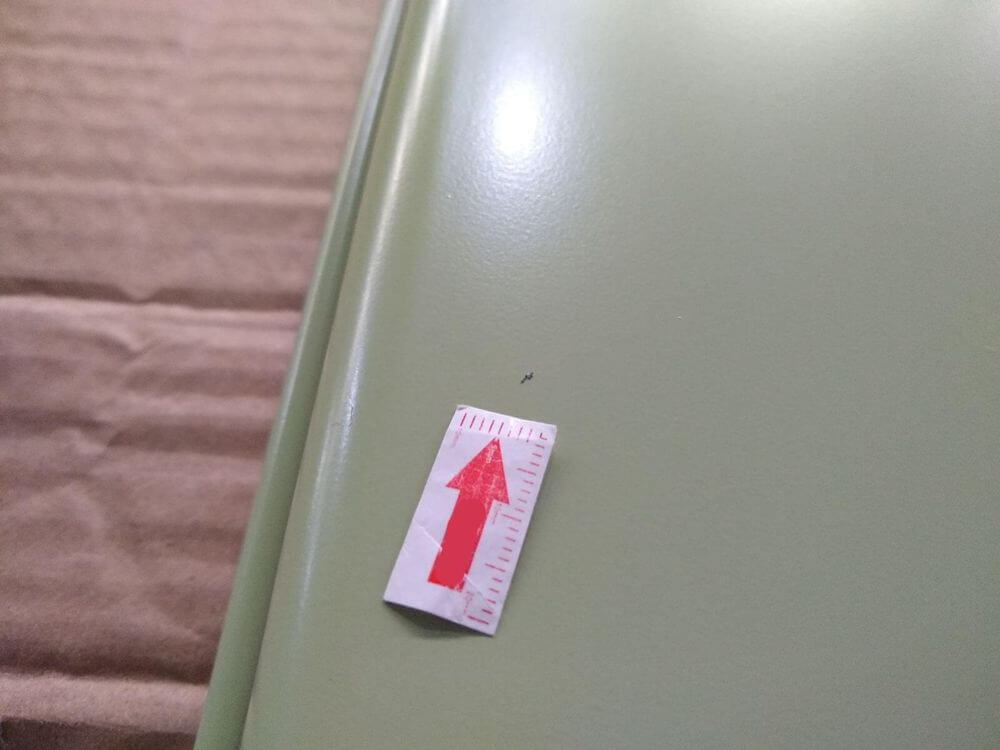
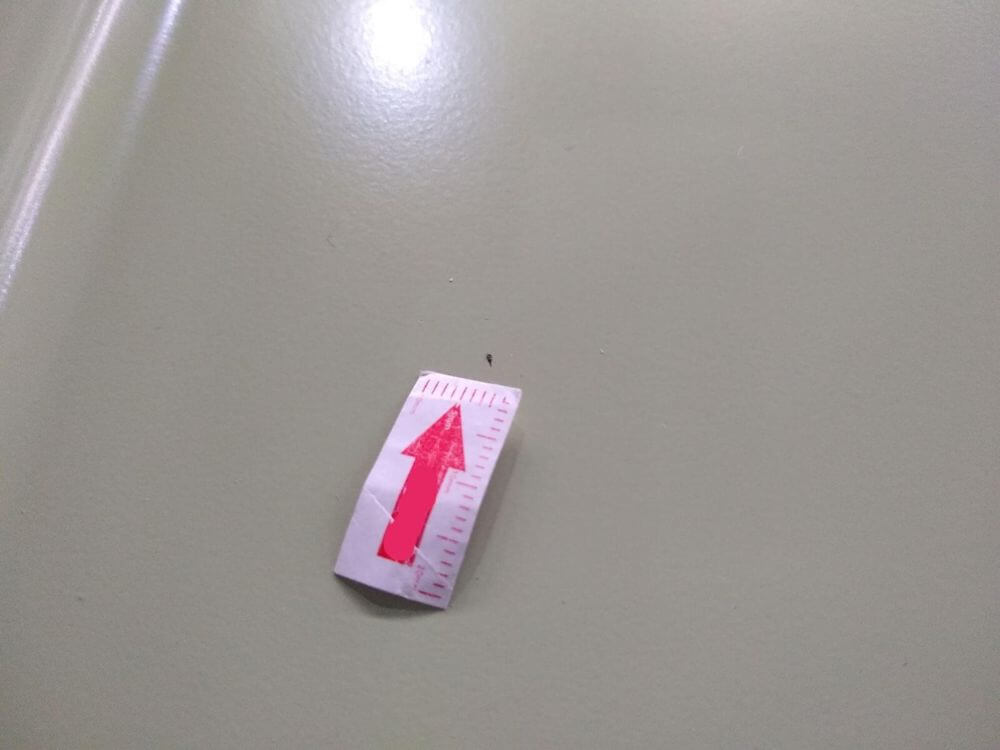
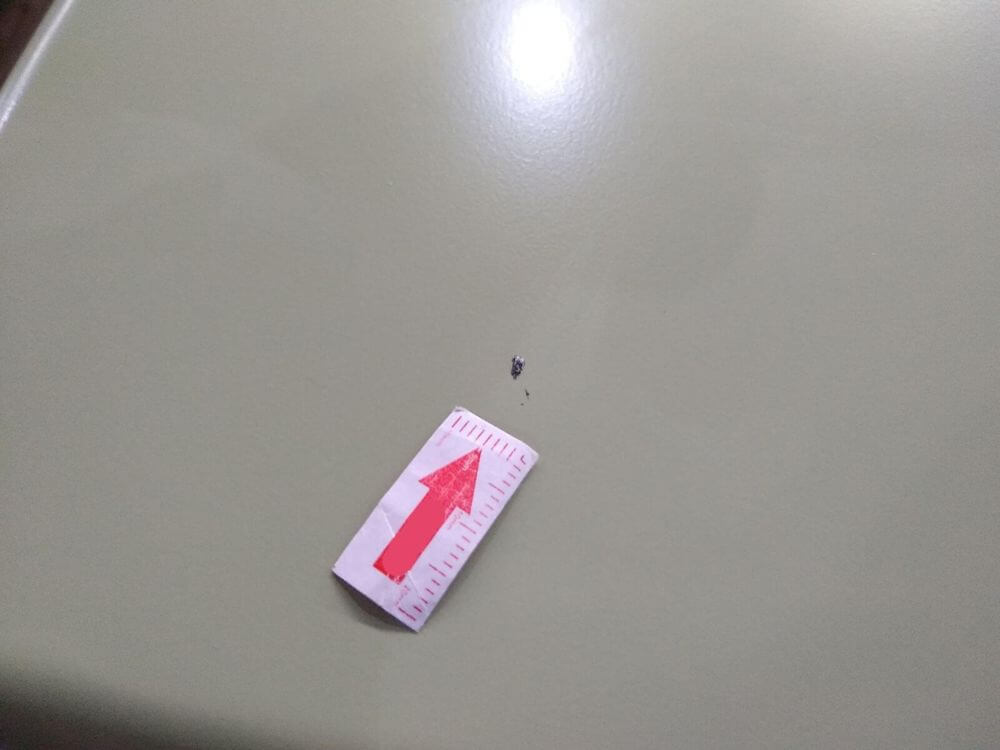
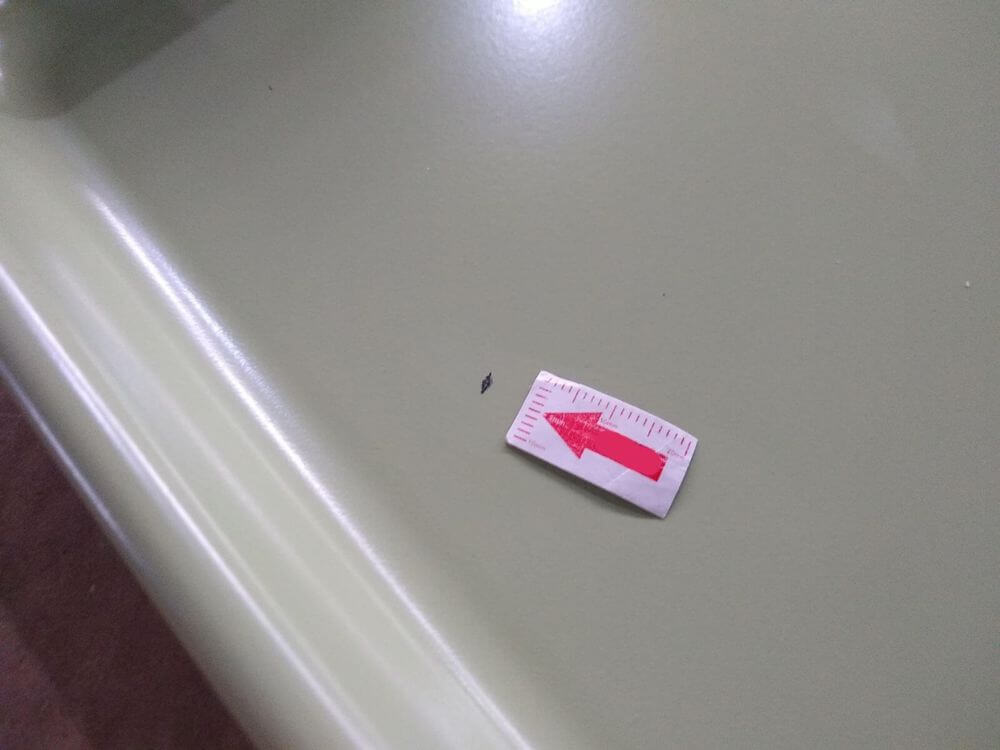
However, after entering the warehouse, completing carton counts, drawing random samples, and opening the first batch of trays in the inspection room, the inspector's heart sank. Underneath the smooth, painted finish lay distinct, raised specks of trapped dust and residual paint particles.
The trading company sales rep froze in utter astonishment, staring at the defective trays in disbelief: "How on earth could this happen?! We calculated and double-checked every single detail... how did we miss this one?!"
Our inspector could only offer a sympathetic, dry smile — it was yet another classic scenario where, despite the best intentions, premium materials, and automated dust-free equipment, a simple human oversight in equipment cleaning ruined an otherwise perfect order.
Product Inspection Finding: Dust Contamination in Paint Coating
This defect was found during our pre-shipment inspection of a batch of oven trays. Dust contamination embedded under paint coatings is a recurring surface finishing issue that creates severe aesthetic flaws and potential peeling points over time.
| Finding Analysis | Details |
|---|---|
| Product | Oven tray (Painted 304 Stainless Steel) |
| Defect | Dust contamination / Residual paint particles in coating |
| Root Cause | Incomplete cleaning of spray nozzles, hanging racks, and spray booth walls prior to the painting run — especially when switching between different paint colors or batches. |
| Corrective Action | Enforce a strict line-purging and workspace cleaning protocol before every production run. Completely remove residual powder/paint from previous batches and verify air filtration in the spray area. |
| Frequency | ⭐⭐⭐⭐☆ |
| Rework Difficulty | ⭐⭐⭐⭐☆ |
| Rework Collateral Risk | ⭐⭐⭐⭐☆ |
Inspection Photos
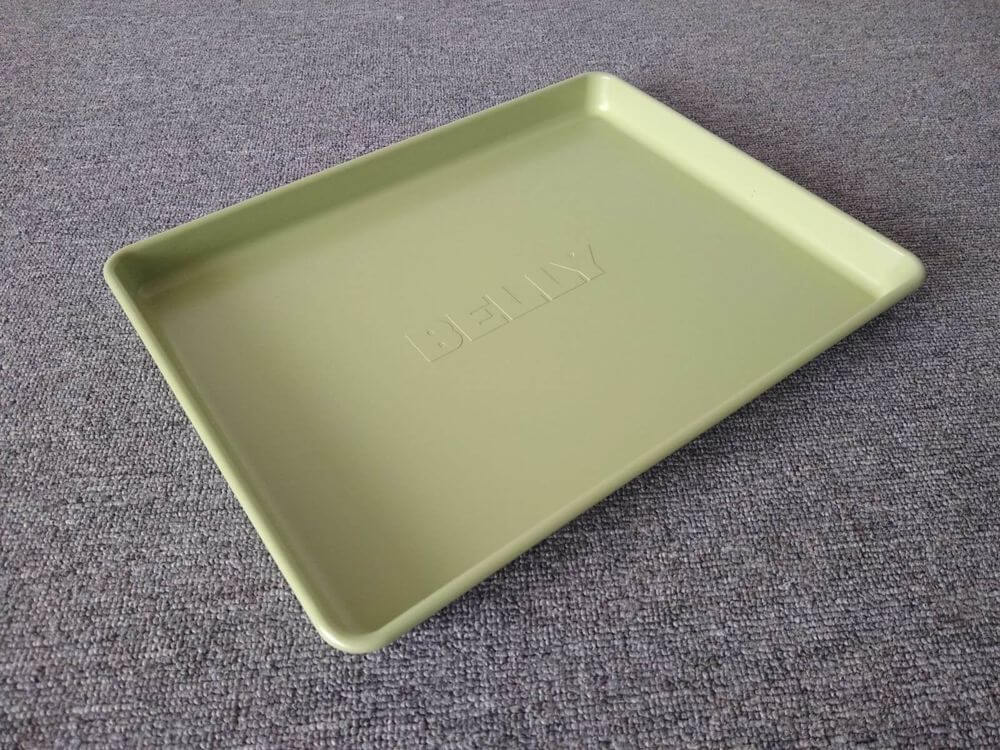
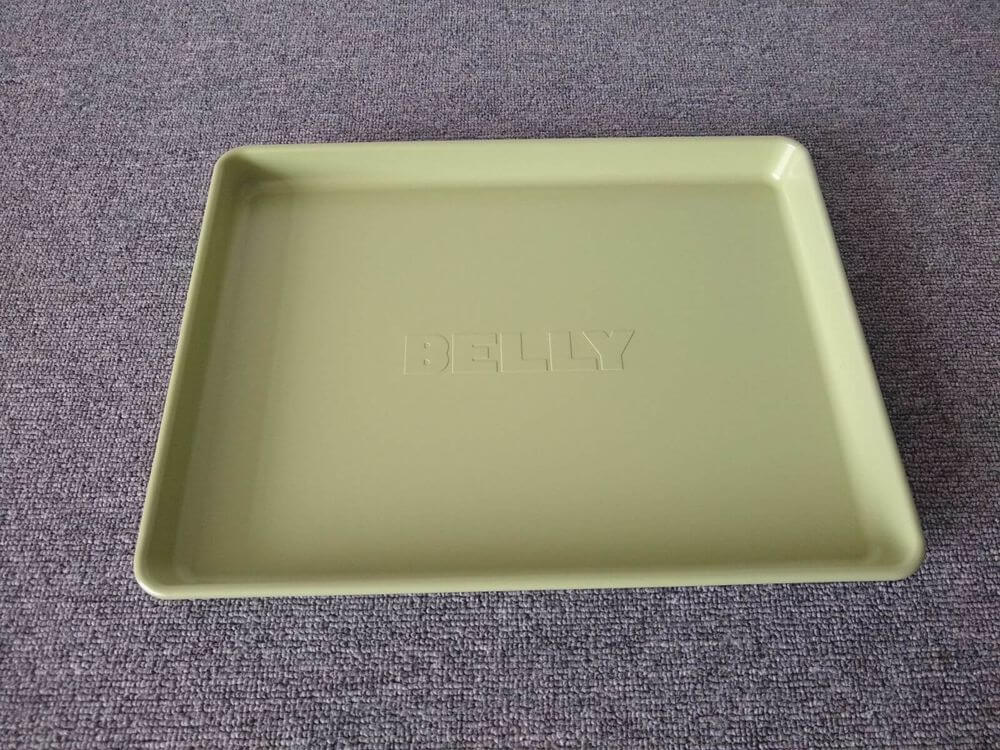
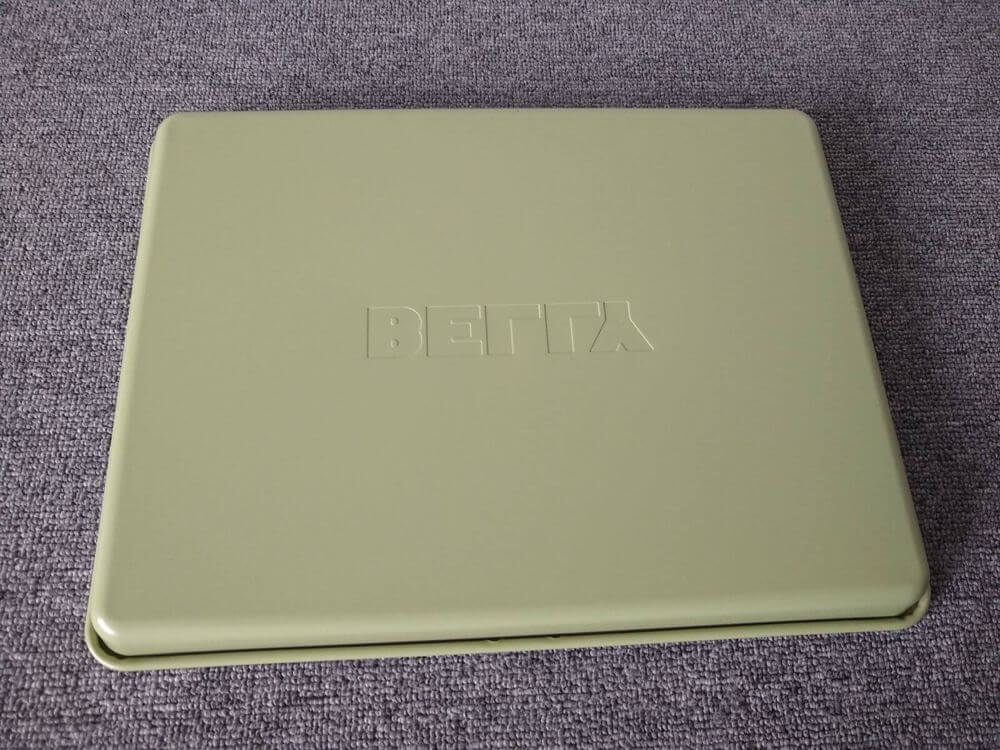
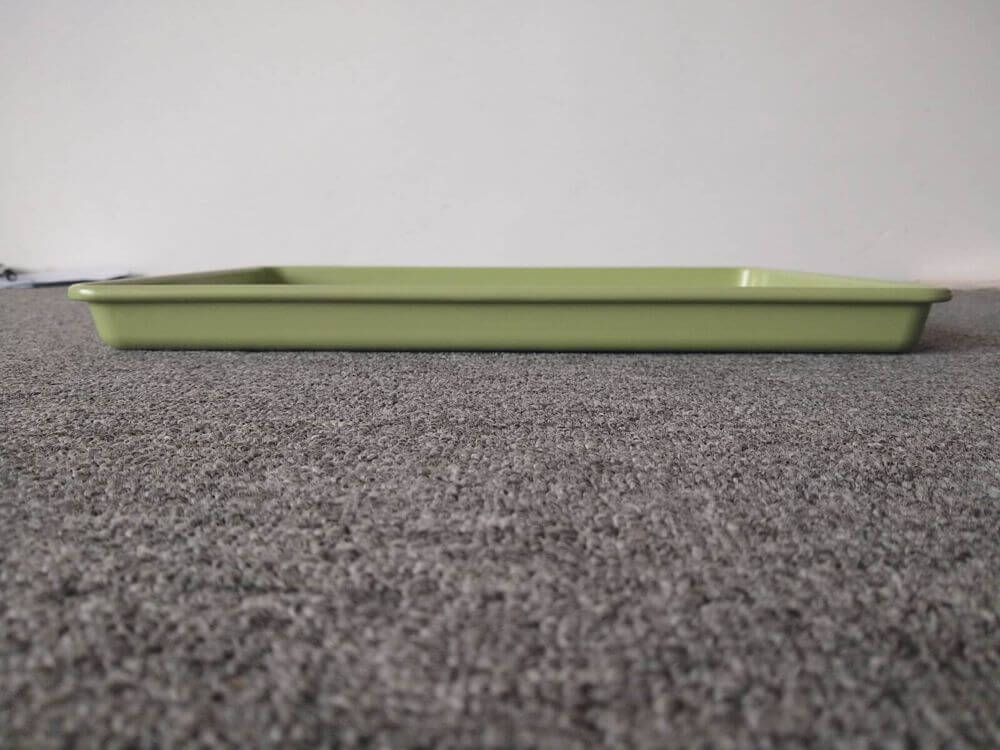
Below are the unedited field photos from the inspection — the first four show the oven tray from different angles, and the last four document the dust contamination defect in detail.
Rework Effort & Risk Assessment
| Evaluation Metric | Rating | What It Means |
|---|---|---|
| Frequency | ⭐⭐⭐⭐☆ | High. Airborne dust or dried paint flecks in spray lines quickly pollute entire batches if pre-flight booth purging is skipped. |
| Rework Difficulty | ⭐⭐⭐⭐☆ | Labor Intensive. Surface dust specks trapped under lacquer cannot be wiped or polished off; affected units must be fully sanded down or chemically stripped. |
| Rework Collateral Risk | ⭐⭐⭐⭐☆ | Coating Integrity Risk. Sanding or stripping risks damaging the underlying 304 stainless steel surface prep, leading to uneven paint adhesion or thickness variations upon re-spraying. |
QC Insight for Buyers: Painted Cookware & Bakeware
In industrial painting operations, an "automated dust-free booth" is only as effective as its cleaning regimen:
- Mandate Pre-Run Purging Verifications: Never assume an automated line guarantees zero contamination. Require your supplier to perform a mandatory spray-booth purge and filter clean before launching mass production, particularly after color changes.
- Implement Test-Panel Inspection: Request that the factory spray a test panel and check it under high-intensity inspection lighting prior to running the complete batch.
- Check Edge and Hanging Fixtures: Paint particles often dislodge from dirty hanging hooks or transport racks during line movement. Regular cleaning of fixture hardware is essential.
Let CNQ Help You Prevent Painted Surface Defects
At CNQ, our on-site inspectors look beyond supplier promises and automated equipment setups to examine actual physical output under standardized lighting conditions.
Before your shipment departs, our team will:
- Perform thorough surface finish and coating adhesion inspections (including cross-hatch tape testing)
- Verify metal thickness, dimensions, and material grade compliance
- Identify coating and painting defects early to ensure your end customers receive pristine, retail-ready products
Protect your supply chain quality with reliable, objective inspection coverage from CNQ.
Frequently Asked Questions About Oven Tray Paint Contamination
Dust contamination happens when the spray line is not fully purged between color changes or batches. Residual powder and dried paint particles from the previous run settle on booth walls, racks and nozzles, then embed into the fresh coating.
No. Once particles are embedded in the cured coating, wiping or polishing cannot remove them. Affected units must be fully sanded down or chemically stripped and re-painted, which risks damaging the underlying stainless steel surface prep.
Require a documented pre-run purge and filter verification after every color change, inspect a test panel under bright light before the full batch, and book a third-party pre-shipment inspection to verify actual output.
Disclaimer: This case study is based on an actual pre-shipment inspection performed by China Quality Service. Product details and factory information have been anonymized to protect client confidentiality. The technical analysis and recommendations provided are for educational purposes only and should not replace professional on-site evaluation tailored to your specific product and supplier requirements.