
On-Site Story: National TV Fame, Overconfidence, and the Unnoticed Printing Flaw
This final product inspection service was commissioned by a professional promotional gifts distributor based in Malaysia. The product in question appeared relatively straightforward: an insulated thermal cooler bag featuring an eye-catching gradient (ombre) print.
When our field inspector, Kevin, arrived at the facility, it was his first visit to this supplier. As he later shared, this factory specialized in bag manufacturing — and he was sent back to inspect other orders shortly after this job, without any major issues found. Checking our system records while writing this case, the factory showed 7 inspection entries across various orders: 5 passed and 1 pending (a missing signed reference sample). Overall, the quality performance looked reasonably consistent.
The factory owner greeted Kevin warmly and spoke with immense pride about his operation. He shared that his factory had been featured on CCTV's poverty alleviation program, with journalists conducting on-site interviews and industry experts invited to provide guidance — all of whom, he said, praised the factory and its quality. He spoke with confidence, a smile of pride on his face.
The owner went on: "This client places great importance on both quality and delivery — they compared several factories before choosing us. They visited our facility in person and were very satisfied. We treat every order with the same dedication — otherwise, our brand reputation wouldn't have lasted all these years. So you can rest assured about quality and production. Besides, the product is simple — just a gradient-printed cooler bag. What could possibly go wrong?"
Kevin was genuinely pleased to hear that. In this line of work, when you encounter a factory with confidence and experience, communication is smoother and the inspection flows more easily. He acknowledged the owner's assurance, and in turn shared his own professional focus: for gradient-printed cooler bags, the most common issues are untrimmed internal threads and pixelation or graininess where colors transition. If those two points held up, the batch would typically be in great shape.
The owner waved his hand confidently: "Don't worry about threads. We have dedicated staff at every station trimming loose ends, and our final packaging QC does another sweep. As for printing, we don't do it in-house — we work with professional printing partners, large-scale facilities. No issues there."
With those assurances, Kevin proceeded to the warehouse to count cartons, confirm quantities, and draw random samples into the inspection room — bracing for what looked like a routine "photo-check" inspection. With this kind of atmosphere, he thought, today would be one of those effortless days. Yet within minutes, after opening only a few sample bags, he spotted a problem and called the owner over. At that moment, the owner was still sitting in his office, browsing his computer at ease. The moment he heard an issue had been found, he shot up from his chair in disbelief: "What? How could there possibly be a problem?!"
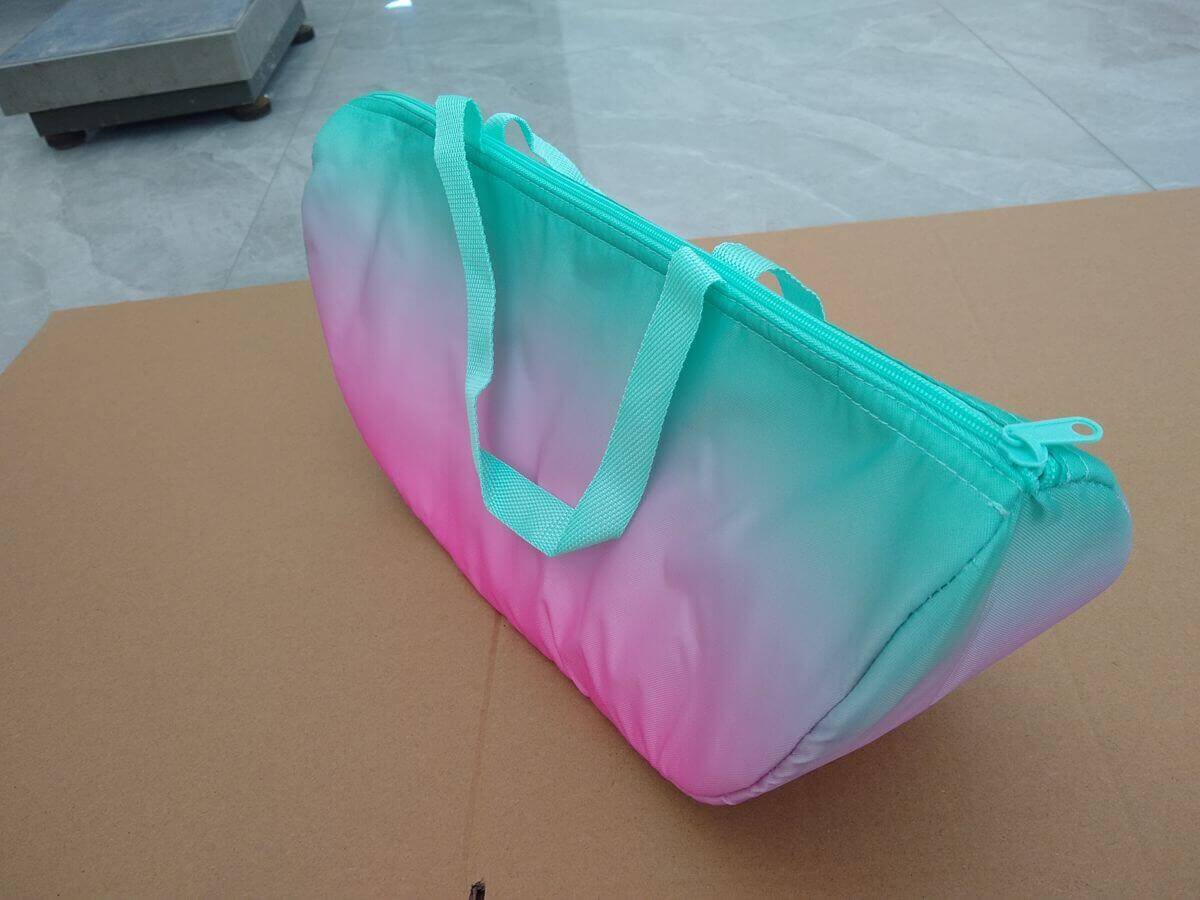
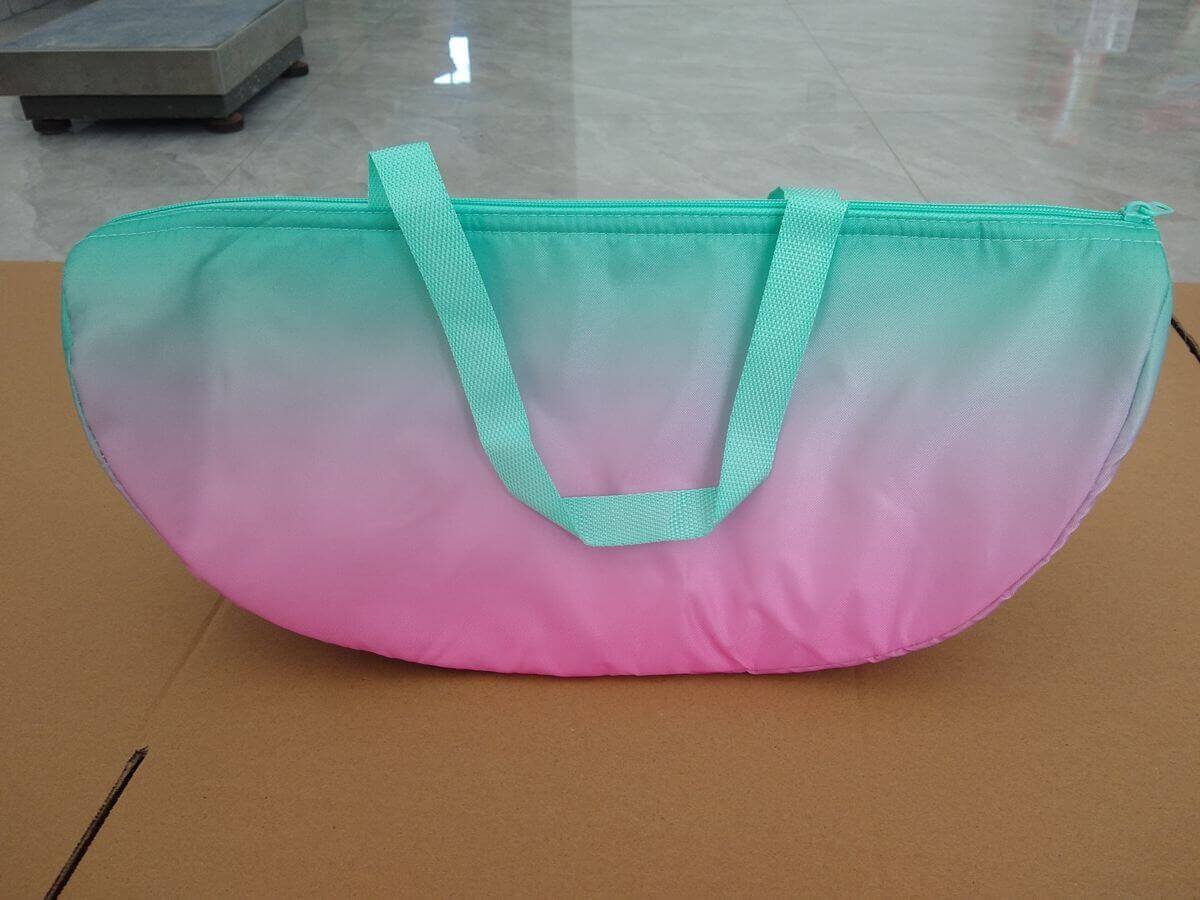
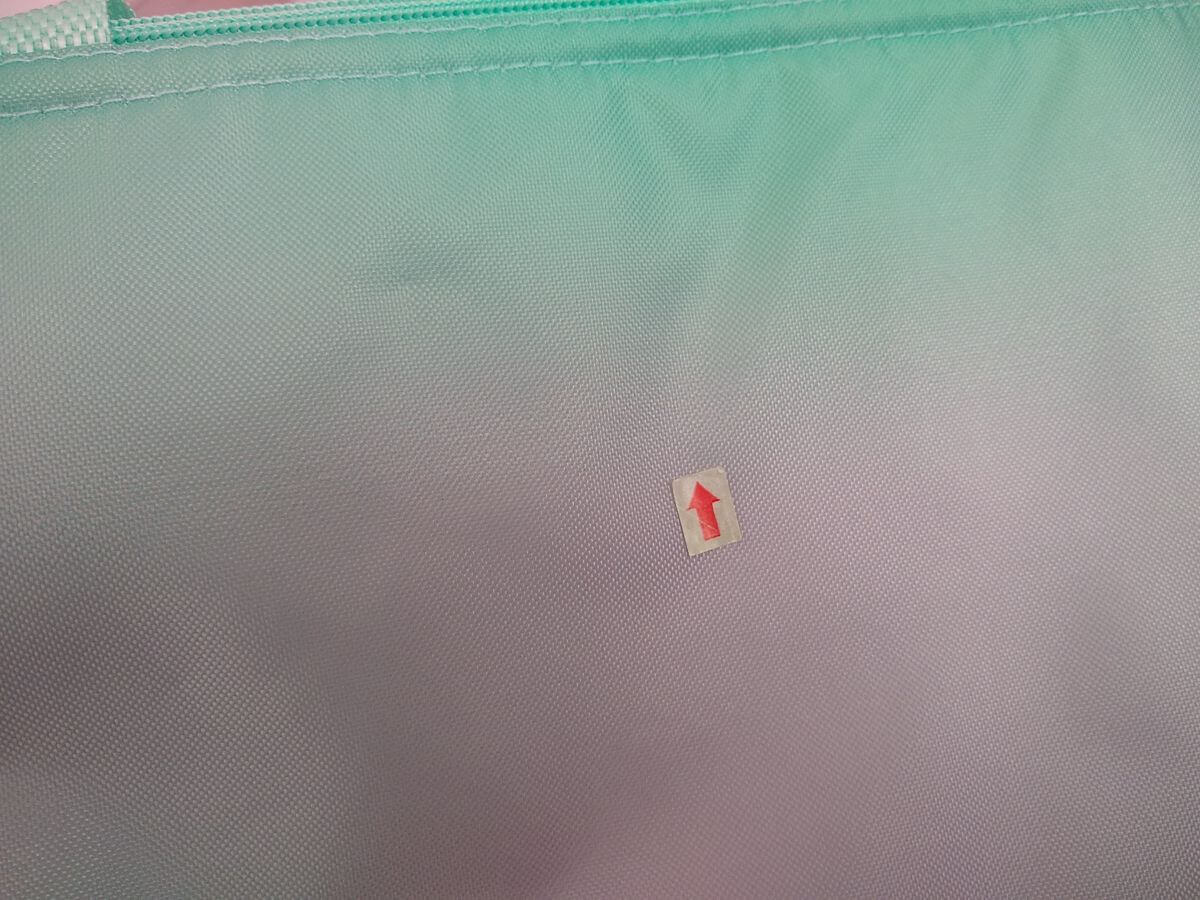
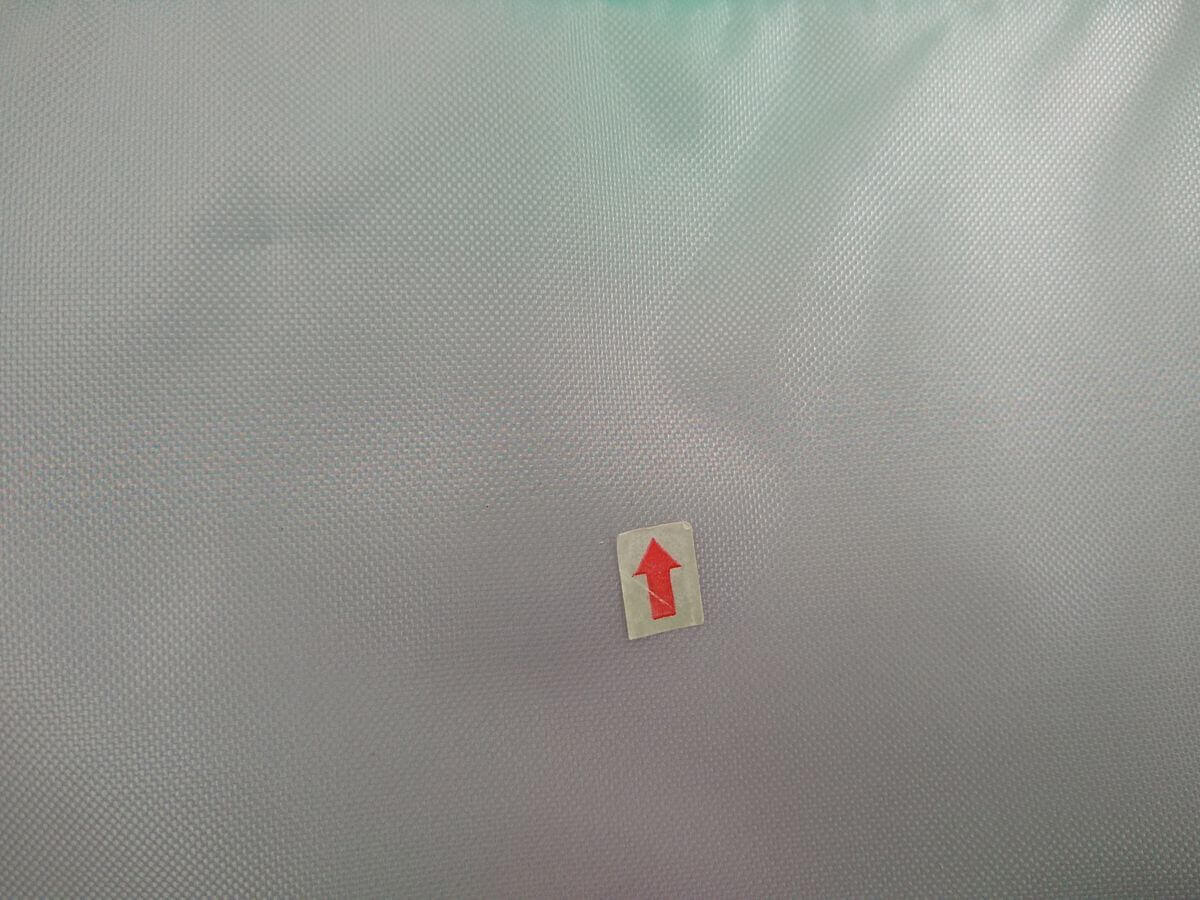
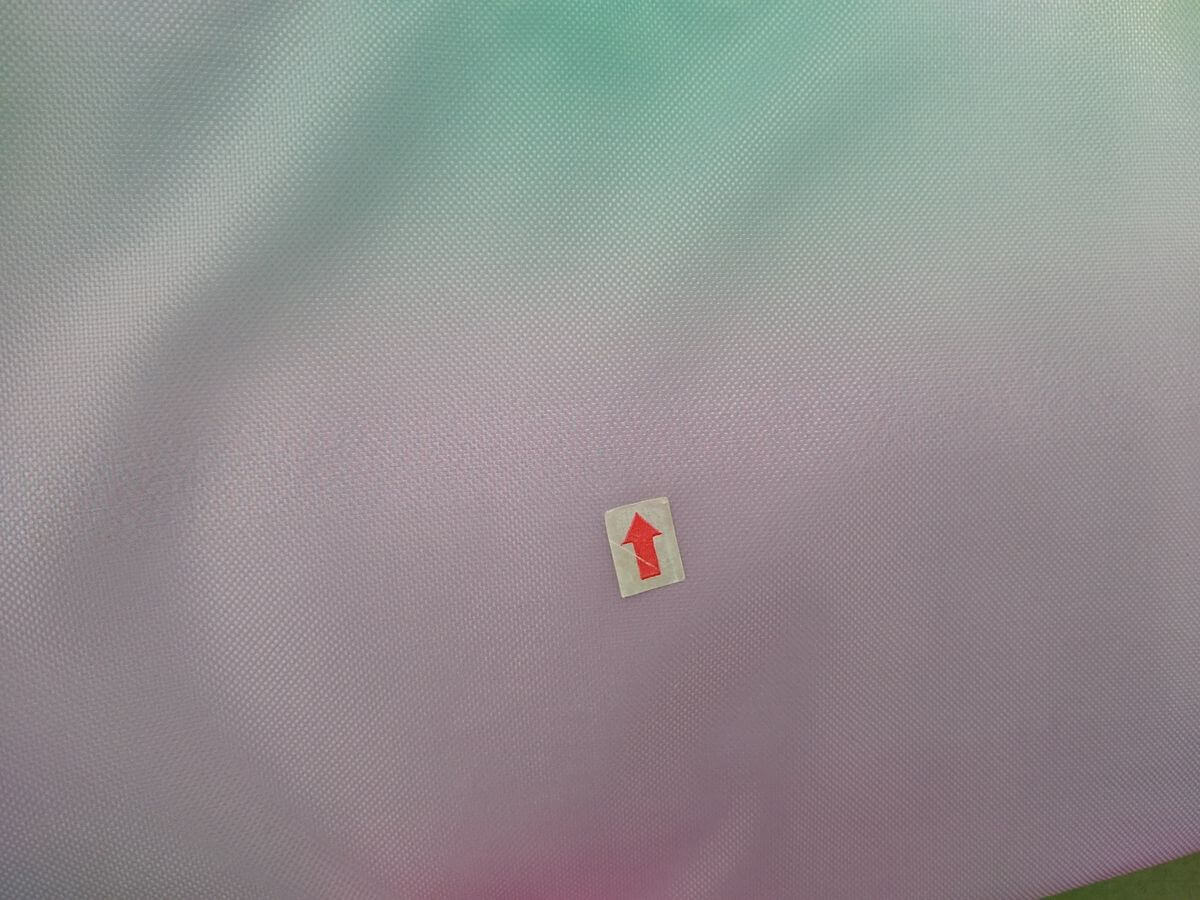
He rushed to the inspection table and leaned in for a closer look. Kevin pointed to the color transition zone where the dark tone shifted to light — heavy graininess, harsh tonal breaks, and choppy pixelation instead of a smooth fade. The owner stared for a long moment, his expression shifting from shock to silence. Realizing that his team and his printing partner had completely overlooked this critical aesthetic detail, he slowly raised his thumb: "This... I honestly never even thought about this angle. I've been staring at the big picture and the threads all along. You really know your stuff — impressive!"
"Professional! Truly professional! To be honest, I didn't even think about looking at the print transition — we were all just staring at the general assembly layout and trimming loose threads. You really know your stuff!"
Product Inspection Finding: A Real Factory Case Study
This defect was identified during our pre-shipment inspection of custom-printed gradient cooler bags. Poor color gradation breaks the visual appeal of promotional items, directly impacting brand perception and consumer trust.
| Finding Analysis | Details |
|---|---|
| Product | Custom-printed gradient cooler bags |
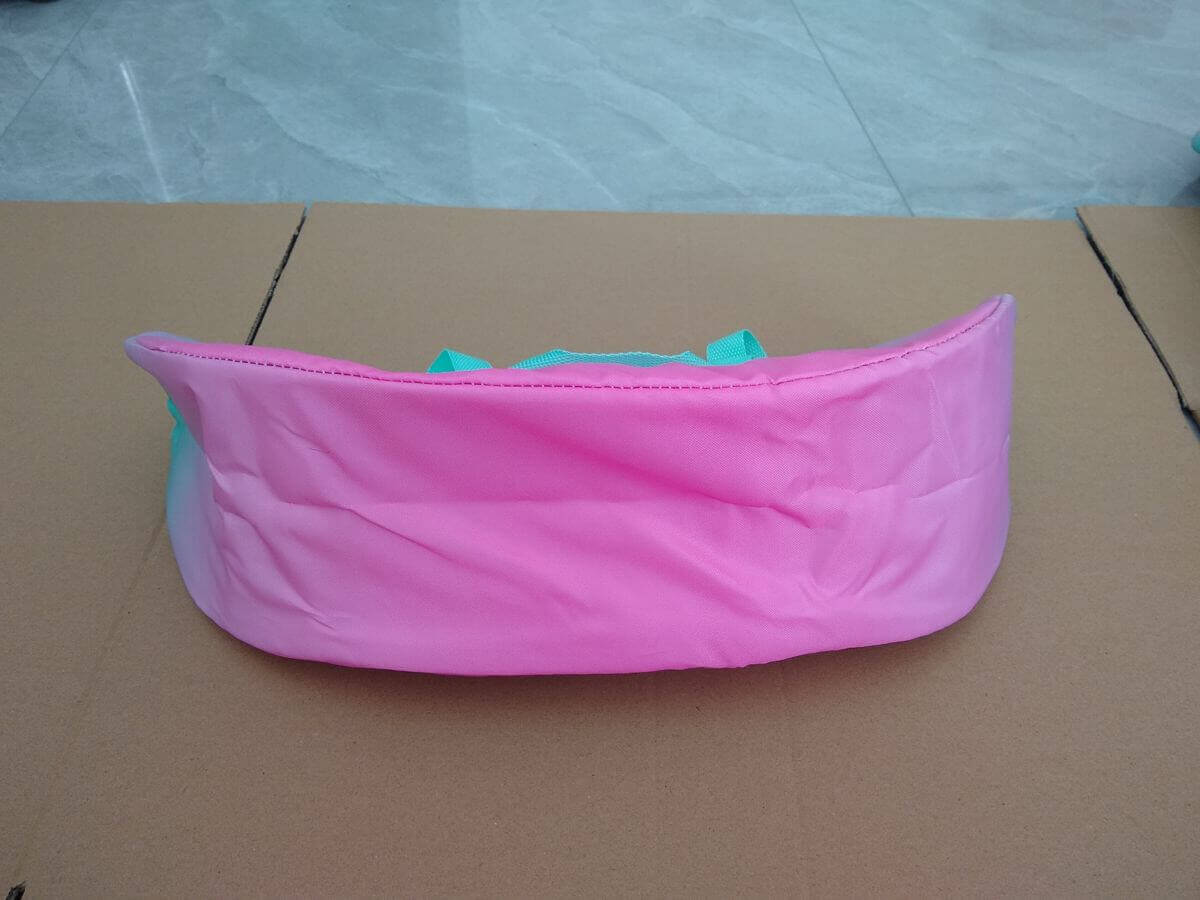
| Defect | Rough printing on color transition areas (harsh gradient breaks & graininess) |
| Root Cause | Low-precision screen mesh used by the printing subcontractor, leading to insufficient dot density in mid-tone transition zones. |
| Corrective Action | Conduct immediate first-article inspection (FAI) before mass printing runs; upgrade to high-precision screen mesh (350+ threads per inch) for smooth halftone transitions. |
| Frequency | ⭐⭐⭐☆☆ |
| Rework Difficulty | ⭐⭐⭐⭐⭐ |
| Rework Collateral Risk | ⭐⭐⭐⭐⭐ |
Technical Deep Dive: Why Gradient Printing Fails
Color gradient printing (also known as "fade" or "ombre" printing) relies on halftoning — controlling the size and spacing of ink dots to simulate a continuous tone transition from 100% ink coverage down to zero.
When screen printing precision is inadequate, the visual gradient breaks down:
- Coarse Dot Structure: Individual ink dots become visible to the naked eye in mid-tone areas, creating a speckled, grainy appearance.
- Harsh Tonal Steps: Rather than a smooth, seamless slope from dark to light, the color drops off abruptly in sharp, stair-stepped bands.
- Brand Perception Damage: For promotional merchandise, the printed logo and graphics are the primary selling point. A choppy gradient makes the product look low-end or counterfeit.
Root Cause Analysis
- Subcontractor Equipment Limitations: The factory outsourced printing to a supplier using low-mesh screens unsuitable for fine halftone dot structures.
- Missing First-Article Inspection (FAI): Neither the factory nor the print shop inspected the first 5-10 printed panels under proper lighting before running the full batch.
- Overreliance on General Reputation: The factory management relied on their high-profile reputation and general workshop controls, assuming that "big direction" oversight and thread trimming were enough to guarantee quality.
Inspection Photos
Rework Effort & Risk Assessment
How bad is this defect if it slips through to your warehouse?
| Evaluation Metric | Rating | What It Means |
|---|---|---|
| Frequency | ⭐⭐⭐☆☆ | Moderate. Common when factories or subcontractors use generic low-mesh screens for complex halftone artwork. |
| Rework Difficulty | ⭐⭐⭐⭐⭐ | Extremely Difficult. Cured screen print ink on synthetic bag fabric cannot be wiped or stripped. Rework usually requires scrapping defective panels and re-stitching new ones. |
| Rework Collateral Risk | ⭐⭐⭐⭐⭐ | High Scrap Rate. Attempting to over-print or strip panels often damages neighboring seams and foil lining, leading to high material loss. |
💡 QC Insight for Buyers
- Approve First-Article Samples On-Site: Never allow mass printing to proceed without an explicit, signed first-article sample (FAI) that verifies color gradient smoothness under standard lighting.
- Define Halftone Screen Specs in POs: Specify minimum screen mesh counts (e.g., 350+ mesh) and provide visual pass/fail defect guides for gradient art in your purchase agreement.
- Don't Equate Reputation with Flawless Output: National TV features, factory scale, and past good performance reflect general capability — not guaranteed zero-defect production on every specific batch.
This cooler bag printing case illustrates a broader reality of product inspection in China: cosmetic defects tied to outsourcing and non-spec consumables are rarely one-off accidents — they are systemic risks built into the supply chain. A trained third-party inspector adds value precisely by turning "the angle the factory never looked at" into a routine pre-shipment check.
Frequently Asked Questions About Cooler Bag Printing Inspection
Gradient printing uses halftoning — variable ink dot size and spacing — to simulate a continuous tone. When the subcontractor's screen mesh count is too low (under roughly 350 threads per inch), mid-tone areas cannot hold enough discrete dots, so the fade breaks into harsh tonal steps and a grainy, pixelated look instead of a smooth transition.
Almost never in practice. Cured screen-print ink on synthetic bag fabric cannot be wiped or stripped. Attempting to over-print or strip the panels usually damages adjacent seams and the foil insulation lining, so the only realistic fix is scrapping defective panels and re-stitching new ones — a high-cost, high-scrap operation.
Require a signed first-article inspection (FAI) under standard lighting before mass printing, and specify a minimum screen mesh count (e.g. 350+ threads per inch) plus a visual pass/fail guide for gradient art in the purchase order. Never rely on the factory's reputation or assurance alone — this case proved even a CCTV-featured, well-run factory can ship a cosmetic defect its own team never noticed.
Let CNQ Protect Your Promotional Merchandise
At CNQ, our qualified inspectors bring technical vigilance to every factory floor, verifying specific risk points that internal factory staff frequently overlook.
Before your promotional merchandise ships, our team will:
- Perform thorough graphic, logo, and color gradient fidelity checks against approved artwork files.
- Conduct strict workmanship evaluations, including seam strength, thread trimming, zipper tests, and insulation lining integrity.
- Provide unbiased, objective reporting so you can approve or pause shipments based on real facts rather than factory assurances.
Partner with CNQ to secure your product quality across China and Southeast Asia.
Disclaimer: This case study is based on an actual pre-shipment inspection performed by China Quality Service. Product details and factory information have been anonymized to protect client confidentiality. The technical analysis and recommendations provided are for educational purposes only and should not replace professional on-site evaluation tailored to your specific product and supplier requirements.