
Six Years, Six Inspections, One Inspector
This factory assessment profile is different from most factory introductions you will read online, because nobody here is trying to sell you this factory. It is a record of quality inspection services: one French outdoor-leisure importer, one supplier, and six consecutive annual product inspections carried out between 2020 and 2025 — and every single one of them performed by the same CNQ inspector, Deon.
When we prepared this page, we went back through our internal inspection system rather than relying on memory. It returned six assignments, one per year, all for the same client and the same factory, with the dates listed further down. That continuity is itself the story: repeat pre-shipment inspection of the same product lines at the same plant, year after year, produces something a single visit never can — a track record.
What follows is Deon's own account of those six visits, polished for clarity but not softened, plus the engineering checklist behind the factory inspections and the trade-offs a buyer should know before sourcing from a factory like this one.
Factory Overview
The operational details below were verified on site during our visits, not taken from a supplier catalogue or a B2B listing.
| Attribute | Details |
|---|---|
| Factory Name | Wuyi Haoge Industry Co., Ltd. |
| Main Products | Outdoor chaise lounge, patio furniture sets |
| Factory Estimated Size | Medium-scale, long-established (SME) |
| Contact Person | Flavia (+86.185.1626.6655) |
| Location | Wuyi County, Jinhua City, Zhejiang Province, China |
| Foreign Trade Department | No (focuses on domestic production) |
| Inspection History | 6 visits across 6 consecutive years (2020–2025), same inspector, same client |
The Inspection Record: Six Visits, 2020–2025
Pulled directly from our system logs for this profile. Every visit was commissioned by the same French outdoor leisure goods importer, and every visit was completed by Deon.
| Visit | Date | Inspector | Note |
|---|---|---|---|
| 1 | 12 Oct 2020 | Deon | Pre-Shipment Inspection, outdoor leisure chairs |
| 2 | 02 Nov 2021 | Deon | Pre-Shipment Inspection, outdoor leisure chairs |
| 3 | 21 Oct 2022 | Deon | Pre-Shipment Inspection, chairs and table-chair sets |
| 4 | 28 Oct 2023 | Deon | Pre-Shipment Inspection, chairs and table-chair sets |
| 5 | 03 Nov 2024 | Deon | Pre-Shipment Inspection; two new die-casting machines observed. Factory share declined by the owner at this visit. |
| 6 | 09 Oct 2025 | Deon | Pre-Shipment Inspection; owner agreed to publish factual text with photos of finished goods and the factory entrance only. |
Inspector Deon's On-Site Recollection (2020–2025)
From 2020 to 2025 we received consecutive quality control inspection assignments from this French outdoor leisure goods importer for this factory every single year, covering outdoor leisure chairs and full patio table-and-chair sets.
According to Deon's field notes, this is a mid-sized, long-running factory with older workshop buildings and ageing production infrastructure. The only notable equipment change he spotted across six years was two new die-casting machines, installed before his 2024 visit. Most of the remaining machinery is old, and so is much of the workforce — many of the workers have been there for years.
The factory owner was candid about this. They are not a large-scale manufacturer with unlimited capital, and they cannot afford to renovate an entire workshop the way bigger competitors do. Their strategy is targeted investment instead: keep the performance of critical equipment genuinely reliable, and hold the key production stages under tight control. That means the sheet-metal frame and die-casting work, the selection and sewing of the fabric, and the powder coating — which they outsource to specialised finishing vendors rather than doing in-house.
Across all six product inspections, Deon noted a stable overall quality baseline. The core metal frames used the stated material grade, with no evidence of material substitution or cost-cutting. Frame tube diameter, wall thickness, coating integrity, powder paint finish, fabric stitch density and loose-thread control were consistently well managed. Functional and load-bearing tests passed reliably, batch after batch.
Why This Profile Took Six Years to Publish
Deon had already wanted to publish this factory share after the 2024 inspection, and went to photograph the workshop and equipment. The owner hesitated. He worried that the outdated workshop surroundings would create a poor impression with overseas buyers and asked if we could photograph only the two newly installed die-casting machines, to present the factory in a better light.
Deon declined. Our factory shares are not promotional material: if we document a factory, we document all of it — or we do not publish at all. So the profile was held back.
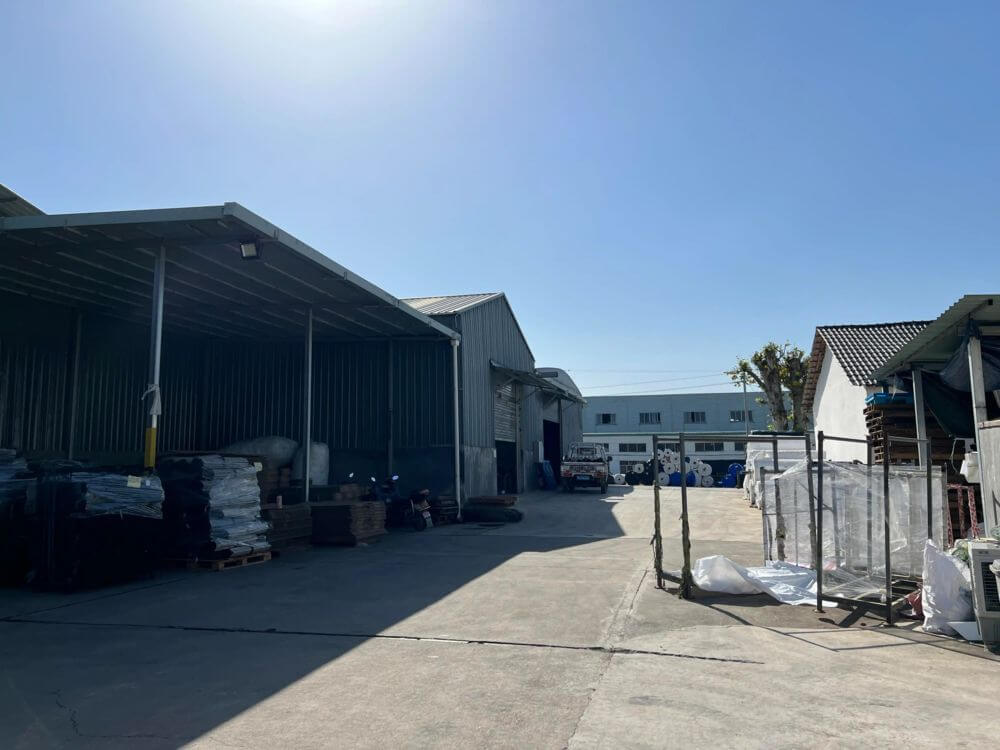
When Deon returned for the 2025 inspection, the owner had thought it over and agreed to a different arrangement: no workshop photographs, only factual written commentary, plus photographs of the finished products and the factory entrance. That is exactly what this page contains.
What We Actually Check on Outdoor Furniture
Outdoor chaise lounges and patio furniture live a harsher life than indoor furniture: UV exposure, rain, humidity and temperature swings. Our on-site checklist for this category concentrates on the failure modes that only appear outdoors — see our garden and outdoor furniture inspection service for the full scope.
- Structural integrity and welding. Outdoor furniture stands or falls on its skeleton. We inspect welding points for penetration, burrs and coverage, with particular attention to the leg-to-frame junction — a common failure point. We also check rust-preventive treatment to confirm the metal framework can survive outdoor conditions.
- Fabric durability (Textilene and woven fabrics). Whether the material is Textilene or a high-density fabric, it has to resist sagging and UV-induced fading. We verify material tension and check edge reinforcement, which is where fraying starts.
- Adjustability and hardware. Reclining mechanisms are the highest-wear components on a chaise lounge. We test backrest adjustment points for smoothness and structural stress, and confirm fasteners — screws, bolts, washers — are corrosion-resistant, ideally stainless steel or high-grade coated hardware.
- Coating and finish. On metal components, powder coating is the primary defence against rust. We check for uniform coverage, absence of bubbling, and impact resistance, because chipped coating exposes the metal core to humidity.
Sampling follows the ANSI/ASQ Z1.4 sampling standard at General Inspection Level II, with defect classification against the AQL levels agreed with the client for each order.
Stability Is Not the Same as Zero Defects
Six years of consistent results do not mean every unit is perfect. What this factory does well is control the recurring critical failure modes. For outdoor metal patio furniture, the chronic risks are thin tube walls, under-spec powder coating and weak welds — and this supplier keeps those core parameters in check.
Minor cosmetic variation — slight differences in paint texture, the occasional irregular stitch — still appears from batch to batch, and that is normal for this product category and for AQL acceptance criteria. The distinction matters when you are choosing a supplier: this is a factory that reliably controls structural safety, not a premium manufacturer chasing zero cosmetic defects. If your brand position requires flawless surface finish, this is the wrong benchmark to buy against.
Risk Profile: What You Gain, and What You Manage
This factory's operating model creates two inherent trade-offs that we flag for importers rather than leave for you to discover after the first order.
- Strength — stable core execution. Consistent material grade and structural workmanship, low staff turnover, and an owner who directly controls production. That combination reduces the risk of sudden quality drift between orders, which is the failure mode buyers fear most in long-term sourcing relationships.
- Limitation — no dedicated foreign trade team. They operate on domestic production logic. Packaging specifications, labelling, export compliance and marketplace-specific requirements such as FBA prep do not come standard. All of it has to be written clearly into your technical specification before the PO is confirmed.
- Limitation — limited financial buffer. Capital goes to core tooling and critical machines first. They are less flexible on frequent custom mould changes, small-batch customisation and rush orders.
How Repeat Annual Inspections Actually Work
For buyers placing recurring annual orders with the same factory, one thing does not change: every order is treated as a new assignment. Whether it is the first visit or the sixth, the independent inspection runs the same start-to-finish process as a new order — specification review, fresh AQL sampling against the agreed levels, full functional and load-bearing testing, and a complete report. Familiarity with a factory never shortens the procedure.
What a repeat order adds is one extra verification step. Our inspector reviews the previous batch's report before the visit and, on site, checks whether the improvement recommendations raised last time have actually been implemented in production. Improvement suggestions are made when our observations warrant them — not every batch produces them — so this closing check applies only where specific recommendations exist to verify.
Beyond the batch records themselves, we keep the factory-level context gathered across visits: past reports, inspector notes and observed changes such as the 2024 die-casting machine installation.
Buyer's Guide: Sourcing from an Old-School Domestic Factory
Factories that have operated locally for years often deliver the best price-to-quality ratio in China — but they do not behave like an export-ready trading company. Three practical points:
- Bridge the communication gap deliberately. With no foreign trade department, you deal directly with the workshop owner or production manager. They are experts at making the product, not at marketing it. Use simple, visual communication — drawings, annotated photos, physical samples — rather than long English contracts they may not fully read.
- Value consistency over novelty. Six inspections over six years with stable results is worth more than a newer, fancier plant that struggles to hold its own SOPs. In Chinese manufacturing, sustained consistency is the scarce asset.
- Put specifications in writing. Packaging requirements, labelling, load-bearing targets and testing standards must be explicit before production. Domestic-focused factories will not infer export requirements, and verbal agreements will not survive a change of production manager.
If you are evaluating a factory of this type for the first time, a factory audit before placing the order is the cheapest insurance available — it is the only way to see the workshop, the equipment and the management system as they actually are, rather than as they are described.
On-Site Photo Record
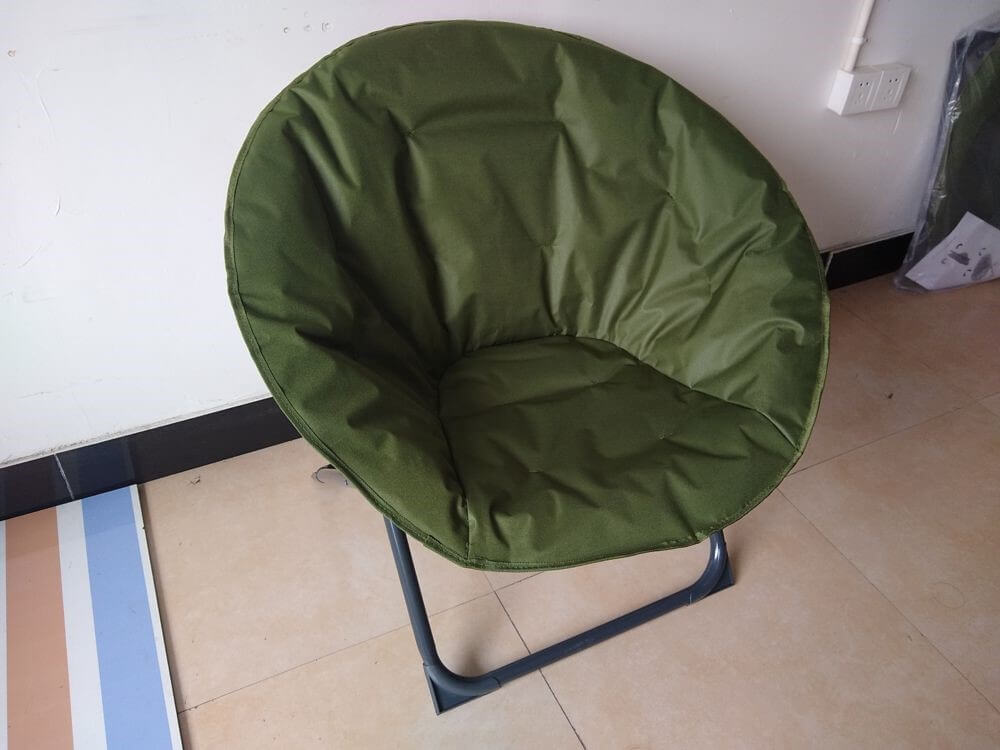
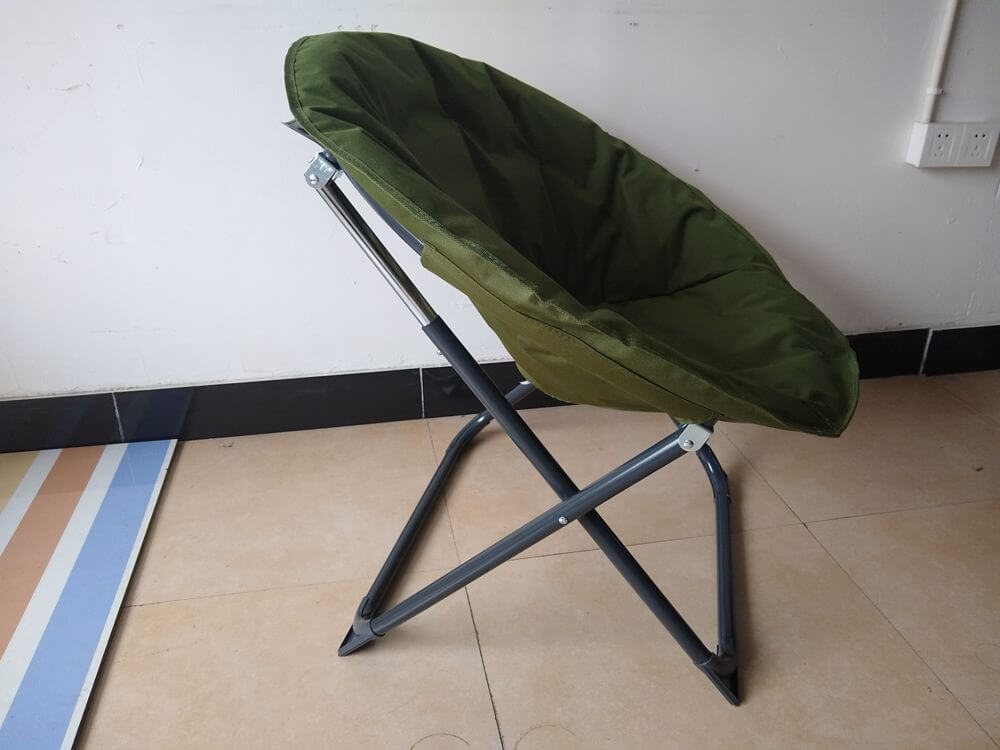
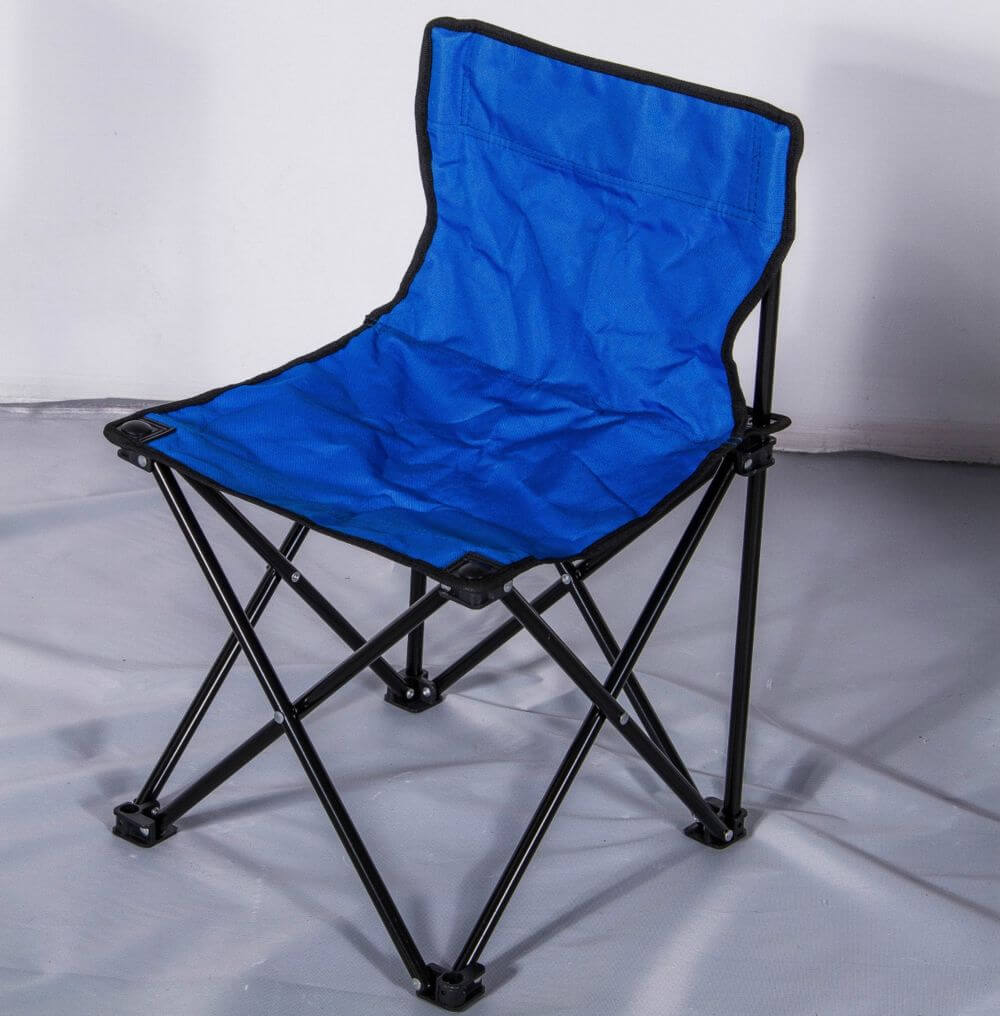
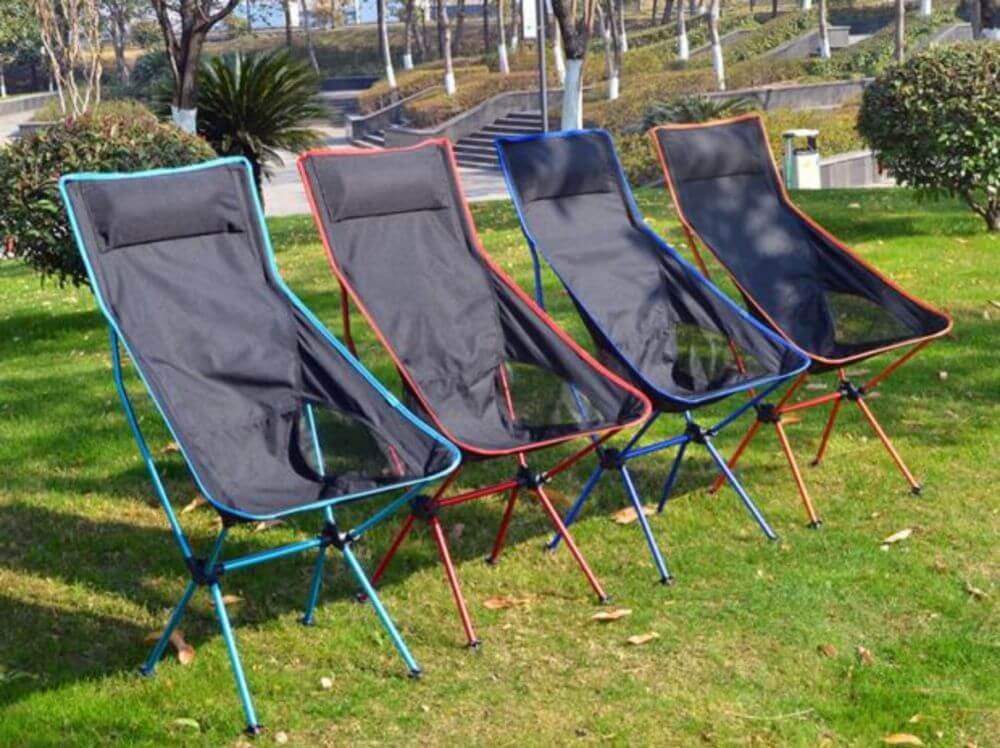
The photographs below are unedited records from our quality inspection files: finished goods from the inspected batches and the factory entrance. These are the only images the factory owner agreed to have published, as described above.
Frequently Asked Questions
If quality has been stable for six years, can I skip inspection on future orders?
Stable performance reduces risk, but it does not remove it. Raw material suppliers change, staff turn over, and cost pressure appears. Our position is that the standard AQL sampling plan applies to every order — we do not relax the sampling level for a factory with a good history, and we advise buyers against treating six stable years as a reason to thin out inspection. What a proven supplier does earn is process efficiency in another form: the repeat-order verification described above, where each visit confirms whether the previous batch's improvement recommendations were implemented, so drift is caught through record-keeping rather than through reduced scrutiny.
This factory outsources powder coating. How is sub-contracted finishing verified?
During quality control inspection we check coating evidence and run on-site spot checks: coating thickness, cross-cut adhesion, and impact chip testing. If results fail, the finding is traced back to the external finishing vendor and corrective action is required before shipment. Outsourced processes still sit inside the product's critical path, so they are inspected, not assumed.
Why publish this factory without polished workshop photos?
Because factory shares are inspection records, not supplier marketing pages. We publish only what our inspection team and the factory owner both agree is factual and permitted. In this case, omitting workshop photos preserves the factory's preference while keeping the six-year quality record intact — the alternative was either a sanitised advertisement or no profile at all.
The Bottom Line & Disclaimer
Six consecutive quality inspections of the same product lines at the same plant is the kind of record that only fieldwork produces. The conclusion we would draw as a buyer is narrow but useful: this is a factory with stable structural quality, older facilities, no export department, and an owner who controls production directly. Whether that fits your programme depends on how much specification work you are prepared to do yourself.
Disclaimer: This profile is a historical record of specific quality control outcomes from six separate inspection engagements between 2020 and 2025. We maintain no financial alignment, partnership or commercial agreement with this supplier. Every production lot varies; buyer requirements, raw material batches and production schedules change over time, and all inspection results apply only to the batch inspected. Buyers should decide whether to perform independent inspections on their own orders to verify current specifications.