
Chinese New Year 2027 falls on Saturday, 6 February 2027. Based on our 17+ years of experience of factory-floor inspection services in China, that single public-holiday date can trigger a multi-week supply-chain disruption window. Factories begin scaling back production well before the official holiday, mass migrant-worker travel takes production lines offline, and stable full-capacity output does not return until weeks after the celebrations end.
The most common mistake first-time importers make is treating the government-published public-holiday dates as factory operating timelines. The official national holiday tells you when government offices close. It does not tell you when factory workers leave their jobs, or when production lines restart at full speed. Real-world factory windows almost always stretch weeks before and after the official dates — and that gap is where most scheduling and quality surprises occur.
This calendar combines confirmed 2027 dates with historical field-observation patterns from on-ground QC inspectors across China’s major manufacturing clusters. It is built for sourcing managers, QA leads and procurement teams managing orders that must ship before, or restart after, Chinese New Year 2027. Use it alongside our lead time calculator to lock in realistic order deadlines.
1. Key Dates at a Glance
Note: Official national holiday timelines will be formally released by China’s State Council in early-to-mid November 2026. All factory-related timelines below represent historical patterns; they are not binding forecasts for every manufacturing site. Always confirm written timelines directly with your individual supplier.
| Milestone | Date (2026–2027) |
|---|---|
| Chinese New Year’s Day | Saturday, 6 February 2027 (Year of the Goat) |
| Last day of the lunar year (Chinese New Year’s Eve) — 2027 has no 30th day | Friday, 5 February 2027 |
| Practical last working day in most factories | Thursday, 4 February 2027 |
| Lantern Festival (traditional end of the celebration period) | 20 February 2027 |
| Expected official public-holiday window | Approximately 8–9 day statutory public holiday (to be confirmed by the State Council in early-to-mid November 2026) |
| Typical factory stop-work window | Mid-January through mid-February 2027 (varies by cluster; see Section 4) |
| Typical restart-to-full-capacity ramp-up | Late February through early March 2027, with some clusters recovering mid-February |
| Pre-CNY peak container and logistics crunch | Final two weeks prior to factory shutdown; trucking, port and customs capacity tighten significantly |
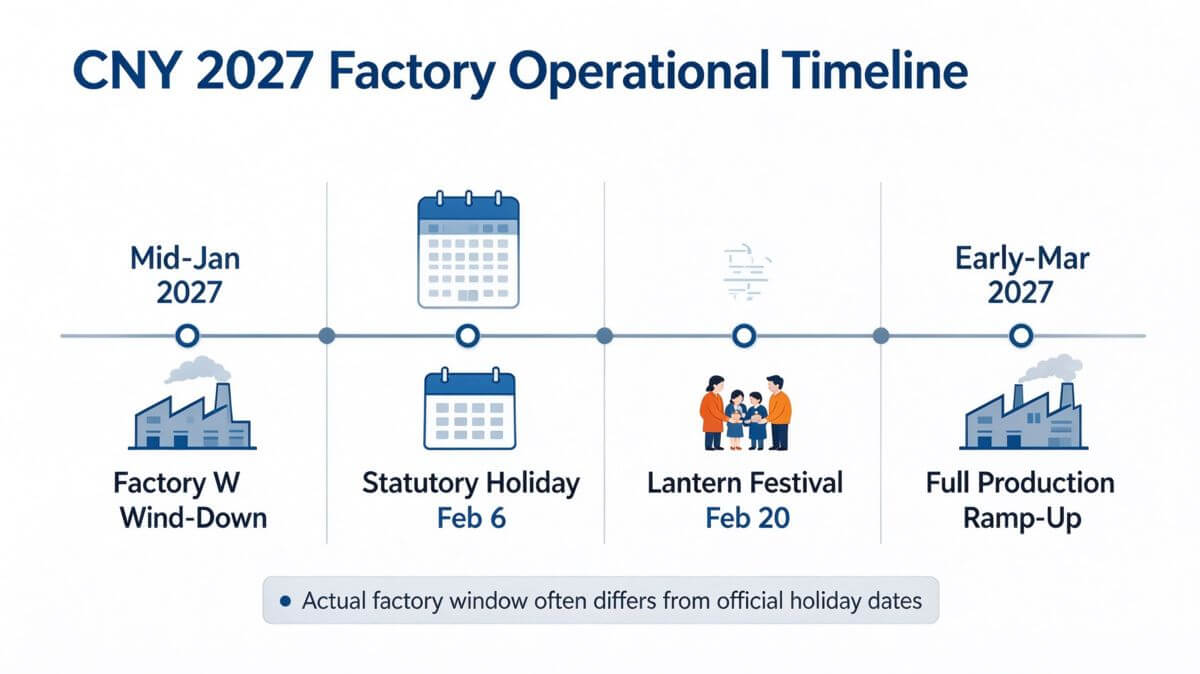
Figure 1: The official holiday is only the middle event — real operational risk sits in the weeks before and after.
The official public holiday is only the middle event. The real operational risk sits in the weeks before shutdown and the weeks after reopening. Many importers follow only the government-published dates and underestimate both how early workers depart and how slowly full production resumes.
1.1 What Is Genuinely Different About 2027
2027 is one of five consecutive years — 2025 through 2029 — in which the twelfth lunar month has 29 days instead of 30. There is no 30th day of the twelfth lunar month in 2027. Chinese New Year’s Eve falls on the 29th day, which is Friday, 5 February, and the new year begins the following morning.
That matters because the statutory holiday is built around the Eve. The State Council notice is expected to open the break on 5 February rather than 6 February, and to run roughly 8 to 9 days in total, with make-up working weekends either side of it. If your 2027 restart plan assumes the holiday starts on the 6th, you will be a day short on every downstream milestone.
Against the years either side, 2027 sits close to the middle of the range — but the planning effect is asymmetric.
| Lunar New Year | Date | Zodiac | Shift versus 2027 |
|---|---|---|---|
| 2025 | 29 January 2025 | Snake | 8 days earlier |
| 2026 | 17 February 2026 | Horse | 11 days later |
| 2027 | 6 February 2027 | Goat | — |
| 2028 | 26 January 2028 | Monkey | 11 days earlier |
Chinese New Year 2027 falls about 11 days earlier than 2026 and about 11 days later than 2028. A schedule anchored to last year’s dates will miss: every December production deadline moves earlier by roughly a week and a half. The pre-CNY production peak also collides with the European and North American autumn build, so factories, third-party inspectors, forwarders and port capacity are all compressed into the same few weeks.
2. Why Chinese New Year Disrupts Supply Chains So Heavily
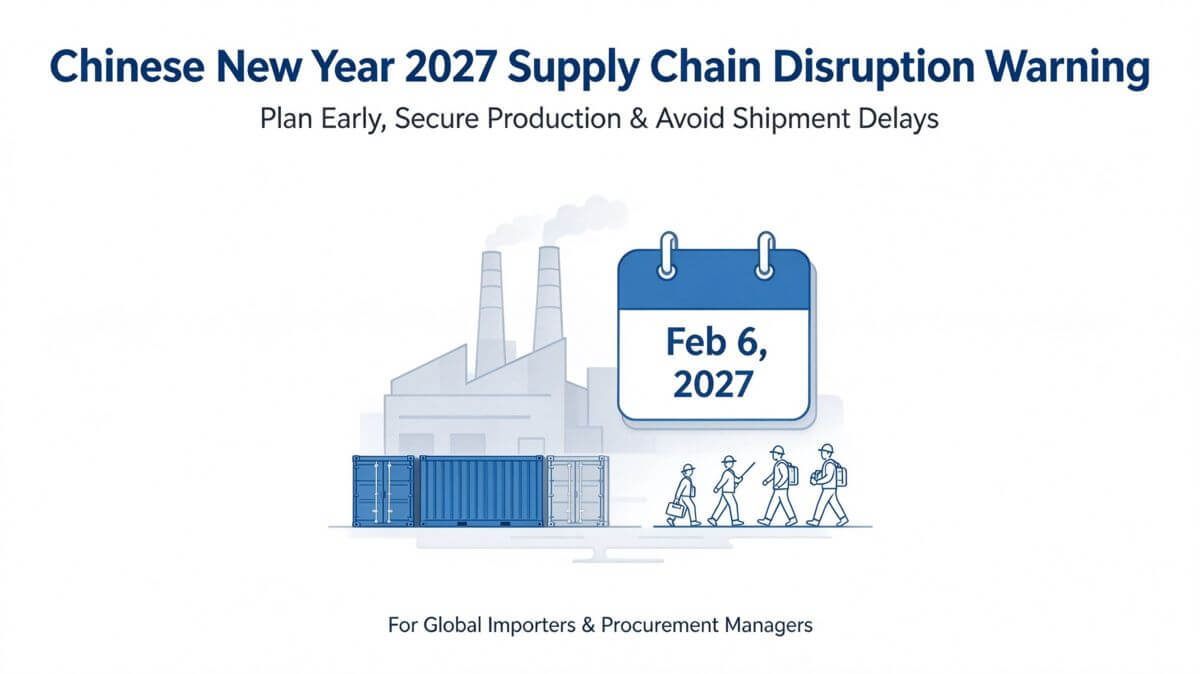
Figure 2: One date, three forces — worker travel, pre-holiday rush, and slow restart.
2.1 What Is Chinese New Year, and Why Does It Stop Factories?
Chinese New Year — also called Spring Festival in China, or Lunar New Year internationally — marks the beginning of the lunar calendar year. It is traditionally a family reunion: workers travel back to their hometowns, often across 1,000–2,000 km, to spend New Year’s Eve and the following days with parents and children. The travel period around the holiday is the largest annual human migration in the world.
The date changes every year because it follows the lunar calendar, falling between late January and late February. In 2027 it falls on Saturday, 6 February. The official public holiday usually runs 8–9 days, but the celebration traditionally extends to the Lantern Festival on the 15th day of the lunar month — in 2027, that is 20 February.
This cultural pattern is exactly why factories stop for longer than the official holiday. Workers begin leaving one to three weeks before New Year’s Day to secure train tickets and avoid the peak travel rush. After the holiday they return gradually over two to four weeks — and some do not return to the same factory at all. The result is a shutdown that is wider, earlier and slower to recover than the statutory dates suggest.
Terminology note: CNY, Chinese New Year, Spring Festival and Lunar New Year are used interchangeably in business contexts. Vietnam observes Tet on the same lunar date, and other Asian countries with large ethnic-Chinese populations also slow down in the same window.
2.2 Three Overlapping Forces
Three overlapping forces create predictable supply-chain disruption every Lunar New Year cycle:
- Mass internal migration. Hundreds of millions of factory workers travel long distances back to inland hometowns, and many leave one to three weeks ahead of the official dates. Production lines cannot run at full staffing once large groups of workers depart.
- Pre-holiday production rush. Every importer who wants goods before CNY squeezes production, trucking and port logistics into a compressed window. Factories run overtime and bring on temporary staff, and under that pressure defect rates climb — right when rework time is disappearing.
- Uneven, slow post-holiday ramp-up. Workers return gradually over two to four weeks, a portion of staff never come back, and factories must recruit and train new hires. Equipment sits idle for weeks and needs re-calibration.
3. Who Bears the Biggest Risk
Risk is not evenly distributed. Three groups are hit hardest:
- First-time importers who plan against official holiday dates rather than factory reality, and discover in mid-January that their line stopped two weeks ago.
- Buyers selling into a fixed-date season — Valentine’s Day, 8 March, spring launches, 618 — because a two-week slip cannot be absorbed by the calendar.
- Buyers using trading companies, where the counterparty answering email is not the entity running the production line.
Experienced importers who build in buffer still face hidden risk: temporary workers and high staff turnover around CNY introduce systemic quality drift that never appears in supplier self-reports. Even large brands see higher return rates on goods manufactured right before or right after Lunar New Year.
The real point: risk is not only “ship late.” A far more common hidden cost is shipping higher-defect inventory into your market. Late delivery hurts revenue; defective goods hurt brand reputation and generate expensive reverse logistics.
4. Shutdown & Restart Differences by Manufacturing Cluster
Factory-closure timelines are not uniform nationwide. They depend on workforce origin, factory ownership structure, industry margins and order backlogs. The table below reflects historical field-observation patterns from inspectors visiting factories across the major industrial hubs.
| Cluster | Main Product Categories | Stop-Work Pattern | Full-Restart Pattern | Primary CNY Risk |
|---|---|---|---|---|
| Shenzhen / Dongguan / Huizhou (Guangdong) | Electronics, home appliances, lighting | Mid-to-late January | Late February to early March | Component lead time and subcontractor shutdowns |
| Shantou / Chenghai (Guangdong) | Toys & children’s products | Mid-to-late January | Late February | Mould and tooling issues that cannot be fixed until March |
| Guangzhou / Foshan (Guangdong) | Furniture, home goods, hardware | Mid-to-late January | Late February to early March | Slow finishing and packing capacity in early January |
| Yiwu / Wenzhou (Zhejiang) | Small commodities, printing, stationery | Late January | Mid-to-late February | Family-run workshops that extend the break |
| Ningbo / Taizhou (Zhejiang) | Housewares, garden tools, plastic molding | Late January | Mid-to-late February | Export plants that reopen offices before lines |
| Quanzhou / Xiamen (Fujian) | Footwear, ceramics, food processing | Late January | Mid-February onwards | Kiln and curing processes needing restart warm-up |
4.1 Factory Scale Changes the Picture
Within the same cluster, timelines still vary by factory scale:
- Large export-oriented factories often maintain skeleton teams longer before the holiday and may reopen relatively faster — but they still suffer worker-return-rate uncertainty.
- Medium-sized private factories are the most common scenario and follow the typical seasonal patterns in the table above.
- Small workshops and subcontractors are the highest-risk variable. Many close far earlier and reopen much later than their brand-name customer. Even if your main factory promises late-January production, their outsourced sub-suppliers may already be shut down.
Important caveat: these are cluster-level statistical patterns for typical mid-size export factories. Individual timelines shift with order backlog and management decisions. Always request shutdown and restart dates in writing, then send a follow-up confirmation in early January — factory holiday notices are often prepared two to three months ahead, and actual stop-work dates frequently slip under December–January order pressure.
4.2 Trading Companies Add an Extra Layer of Risk
Sourcing via a trading company adds one more layer of uncertainty. The trader’s own office may stay open through late January, but its underlying sub-factories follow normal migrant-worker holiday timelines. A sales team replying to your email does not mean their production partners are still manufacturing.
For CNY-critical orders, always ask your trader to disclose the actual manufacturing plant names, so you can cross-check expected shutdown schedules for the real production site.
5. Importer’s Countdown Planning Timeline
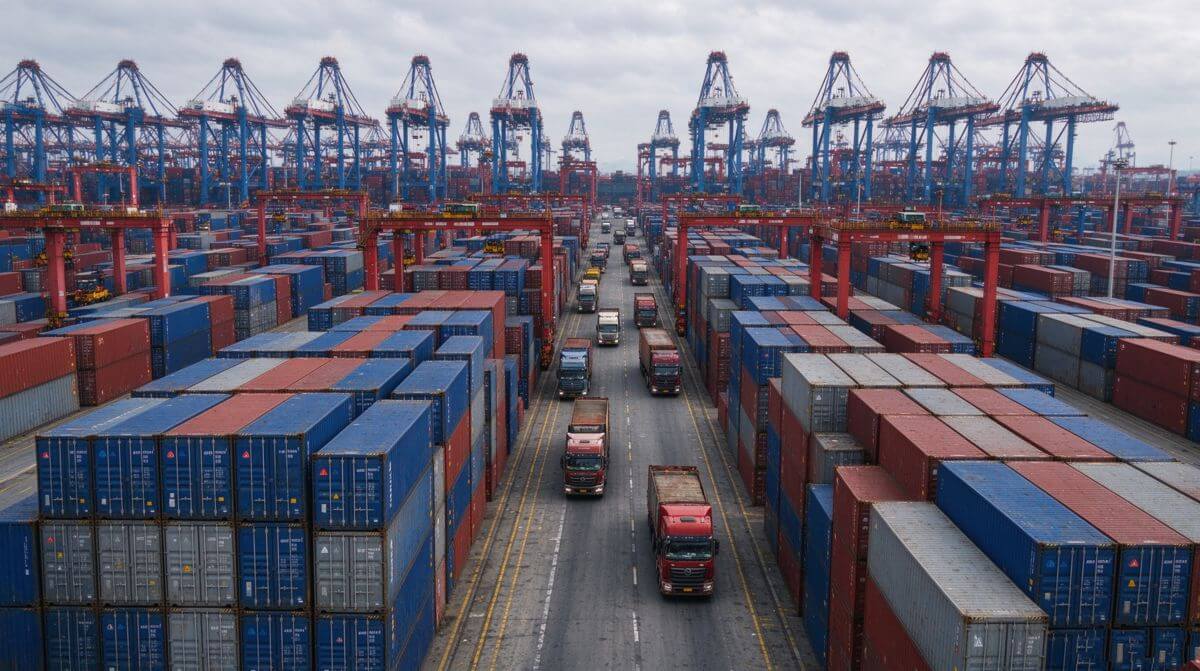
Figure 3: The final two weeks before shutdown are when trucking, port and customs capacity tighten most.
| When | Action Item | Business Reason |
|---|---|---|
| October – mid-November 2026 | Finalise specifications; place orders that must ship before CNY; lock written factory shutdown and restart commitments into the purchase contract | Secure production capacity before pre-holiday slots fill up |
| November – December 2026 | Complete raw-material and component checks; schedule an initial production check for critical-risk orders | Catch spec-related problems early while rework lead time still exists |
| Early-to-mid January 2027 | Carry out during production inspection for rush-window orders; monitor defect trends | Overtime-driven rush production raises defect risk; DPI catches systemic issues before the batch completes |
| 7–20 January 2027 (destination-specific) | Complete pre-shipment inspection and container loading supervision; book trucking and vessel space well in advance | This is your final quality gate before shutdown, and the hard deadline is destination-specific |
| February 2027 (holiday period) | Minimise operational communication; plan the post-restart inspection schedule | Factories operate at near-zero capacity; use the quiet window to arrange QA for post-holiday batches |
| Late February – March 2027 | Schedule IPC or DPI for the very first post-CNY production batches | New-hire staff and re-commissioned equipment create higher defect risk on early restart runs |
5.1 Logistics Cut-off Dates — Work Backwards From Your Destination Port
Note: planning estimates only. Real dates shift with port congestion, carrier blank sailings and your forwarder’s cut-off. Always confirm directly with your freight forwarder.
| Destination | Typical Ocean Transit | Latest Vessel Departure (ETD) | Latest Factory Release | Latest PSI Completion |
|---|---|---|---|---|
| US West Coast (LA / Long Beach) | 14–18 days | 21–24 January 2027 | 10–14 January 2027 | 7–10 January 2027 |
| US East Coast (New York / Savannah) | 30–35 days (via Panama) | 27 December 2026 – 4 January 2027 | 20–25 December 2026 | 15–20 December 2026 |
| Europe (Rotterdam / Hamburg) | 30–35 days | 27 December 2026 – 4 January 2027 | 20–25 December 2026 | 15–20 December 2026 |
| UK (Felixstowe / London Gateway) | 32–38 days | 25 December 2026 – 1 January 2027 | 18–22 December 2026 | 12–18 December 2026 |
The spread is larger than most buyers expect: the gap between a US West Coast deadline and a UK deadline is nearly a month. If you run one consolidated shipping plan across both, you will miss one of them.
5.2 If You Miss the Ocean Cut-off: Air, Sea-Air and Rail
Once the ocean cut-off passes, three fallbacks remain, in ascending order of cost: rail (China–Europe only, roughly 18–22 days), sea-air (typically 15–20 days), and full air freight (3–7 days but commonly 5–10× normal freight rates). Partial air freight for your fastest-moving SKUs is often the most rational compromise — it protects the launch date without paying air rates across the whole order.
5.3 Should You Qualify a Backup Supplier Before CNY?
Yes, but qualify them in October or November — not in January. A backup supplier qualified under deadline pressure is not a risk reduction, it is a second unknown. If you need one, complete a factory audit while the line is still running at representative capacity.
5.4 How Much Safety Stock Do You Need?
Size safety stock against the length of the disruption window you are actually exposed to, not the statutory holiday. For a pre-CNY shipment that lands late, you need cover for roughly four to six weeks of sales. For a post-CNY restart, add two to four weeks for the quality-instability period on early batches.
5.5 Payment Timing and Deposit Risk
Avoid releasing large balances in the final fortnight before shutdown. If production slips and the goods do not ship, your deposit sits in a factory that is closed for three weeks with no one authorised to discuss it. Tie progress payments to inspection milestones rather than to calendar dates.
5.6 Common Supplier Commitments to Treat With Caution
In the pre-holiday rush, in-house QC departments are also overloaded, and internal criteria tend to relax to keep shipments moving out the door. Any timeline commitment should contain three things in writing — material receipt date, production completion date, and finished-goods ready-for-pick-up date. If a supplier gives you only a final ship date with no intermediate milestones, treat the schedule as high-risk.
5.7 The Paperwork That Does Not Stop When the Factory Stops
Most CNY planning guides focus on production capacity, but four administrative deadlines cause more last-minute failures than capacity does:
- Letter of credit expiry. Chinese banks close for the full statutory break and process documents only on working days. Confirm your L/C expiry and negotiation window fall at least three weeks after expected vessel departure, and extend them in writing before the holiday.
- Customs brokers and forwarders. Brokerage offices scale down to skeleton staff. A container that is ready but has no broker to process the release simply sits. Book the release before shutdown and confirm your forwarder’s own CNY cut-off in writing.
- Container free time at origin. Yard free days expire whether or not your vessel has sailed, and detention and demurrage start accruing immediately afterwards — then keep accruing while the terminal runs reduced holiday hours.
- Bank remittance and FX. Cross-border payments slow over the break. A payment due to a supplier in the first week of February is commonly credited in the second or third.
5.8 Vietnam Is Not an Escape Hatch
“China + 1” to Vietnam does not solve a CNY problem. Vietnam observes Tet on exactly the same lunar date, and Korea’s Seollal falls on the same day. Shutdown patterns mirror China’s closely, because the same migrant-worker travel calendar drives both.
Moving final assembly to Vietnam, Thailand or India for a spring 2027 launch therefore does not buy you an extra month of production. It buys you a new factory qualification, a new sample round and a new audit — all inside the same December rush you were trying to avoid. The two alternatives that do work are simpler: split the order across two Chinese clusters with staggered shutdown dates, or accept a post-CNY landing date and plan the launch around it.
6. Quality Risks Around Chinese New Year and How to Mitigate Them
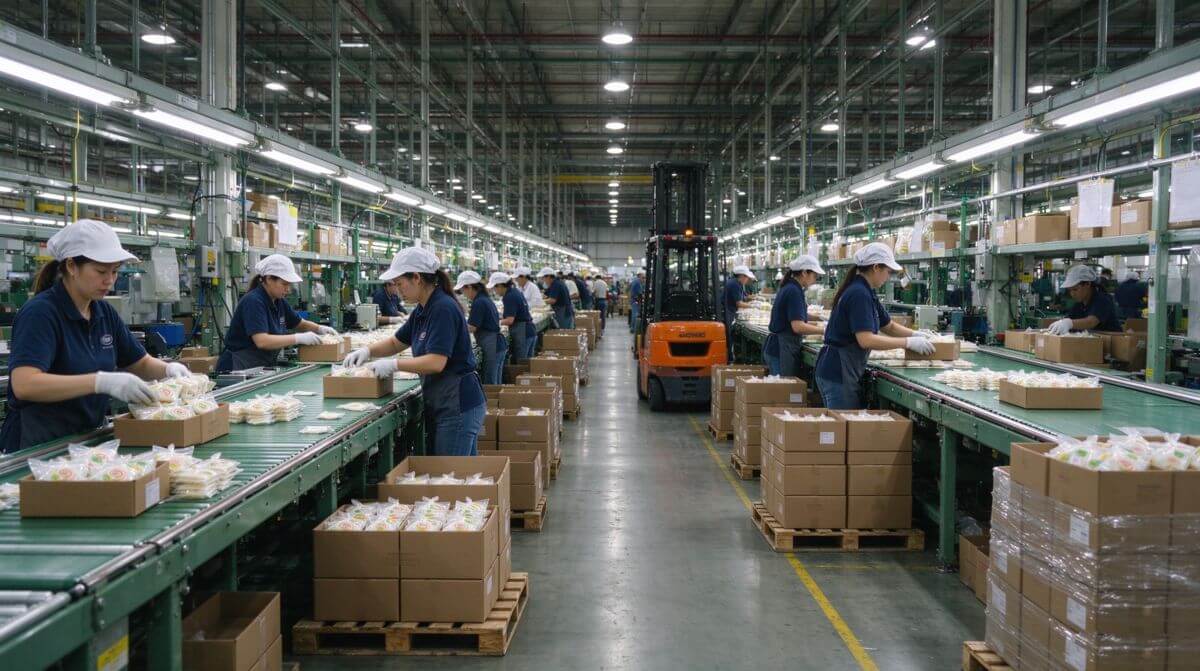
Figure 4: Overtime shifts and temporary staff expand output before CNY — but workmanship oversight weakens.
Two distinct time windows bring amplified quality risk every sourcing year.
6.1 The Last Batches Before Holiday Shutdown
Factories push hard to finish every open order before workers depart. Overtime shifts and temporary staff expand output, but workmanship oversight weakens. Once the container is sealed and the factory closes for weeks, you lose all practical opportunity for rework, sorting or repair.
Mitigation: complete pre-shipment inspection before container loading and do not rely on port-side checks. Do not relax your AQL sampling rules for pre-CNY rush orders — this is precisely when you need AQL sampling discipline most.
6.2 The First Production Batches After Factory Restart
This risk is frequently underestimated. Several factors combine: a percentage of experienced workers do not return and new hires need product-specific training; production equipment sat idle for weeks and calibration or minor maintenance issues can exist; and factories work through accumulated backlogs under heavy schedule pressure. Quality instability can persist for two to four weeks after the factory reopens its doors.
Many buyers assume “factory is open so quality is back to normal” and skip quality inspection for early post-holiday runs — a common and costly mistake.
Mitigation: treat post-CNY initial batches with the same rigour you would apply to a brand-new supplier. Schedule during-production or initial-production checks on those first runs to catch issues while rework is still possible on site.
6.3 Industry-Specific Risk Calendar
Note: based on CNQ inspector field-gathered observations. Individual factory circumstances may deviate from these general patterns.
| Category | Pre-CNY Risk Point | Post-CNY Risk Point | Inspection Priority |
|---|---|---|---|
| Electronics | Component lead time. If critical ICs or PCBs are not in the factory by mid-December, production slips past the holiday | First batches after restart often show soldering and assembly defects as lines re-calibrate | IPC in December; DPI on first post-CNY run |
| Toys | Tooling and mould changes must be completed before December. Any mould issue in January cannot be fixed until March | Paint and assembly consistency drops with new hires | PSI before shutdown; DPI in first two weeks after restart |
| Furniture | Finishing and packing are labour-intensive; these are the first processes to slow in early January | Hardware completeness and panel alignment issues spike in restart batches | DPI in early January; PSI by mid-January |
| Apparel & Softlines | Fabric and trim sourcing must be locked by November. Colour consistency suffers in rush production | Stitching quality and measurement consistency drop with new workers | IPC in November; PSI before shutdown; DPI after restart |
| Hardgoods / General Merchandise | Packaging and carton supply can run short in the final weeks | Carton quality and labelling accuracy are common restart issues | PSI by mid-January; CLS if shipping FCL |
6.4 The Downstream Cost of Getting It Wrong
Many importers calculate only ocean freight when planning CNY schedules, ignoring the downstream costs when things go wrong:
- Late-shipment cost: out-of-stock, lost retail sales, marketplace seller penalties, customer pre-order refunds.
- Defective-goods landed cost: ocean freight, import duty and warehouse receiving fees already paid on defective inventory, plus return shipping or destruction fees.
- Emergency air-freight premium: when production slips, buyers are sometimes forced to pay 5–10× normal freight rates to air-freight partial stock.
- Administrative overhead: weeks of extra email, supplier negotiation, claims processing and internal QA work.
For budgeting reference: pre-shipment inspection is $198 per man-day, and a factory audit is $199–$358 per factory. Whether either is warranted depends on order value, defect risk and destination market requirements — our inspection cost calculator models this against your own order.
6.5 How to Verify a Factory’s Real Shutdown Date on Site
When our inspectors visit a factory in January, they check five things a supplier email never reveals:
- The posted holiday notice on the workshop wall — note its date, and whether it has been re-printed with a later date. A revised notice is a warning sign, not a formality.
- Power load and shift bell times. A factory running two shifts in mid-January is not closing in mid-January, whatever the notice says.
- Canteen and dormitory activity. Headcount and occupancy show how quickly line labour has already left.
- Payroll and bonus records. A factory that has not settled year-end bonuses will not get production back quickly, however early the office reopens.
- Tier-2 sub-supplier confirmation. A direct call to the component vendor, because the brand-name factory is rarely the one that stops first.
7. A Worked Example
Suppose your goods need to reach Los Angeles by 15 March 2027. Ocean transit is 14–18 days, so the container should sail by around 24 January. The factory must release the container before shutdown, which realistically means 10–14 January. Your PSI should be completed by 10 January, and production finished and packed by 7 January. Working backwards, your order should be placed by mid-November 2026 at the latest.
Start after that and the honest answer is air freight for part of the order, or a post-CNY landing date. If you are reading this in mid-December, you are already behind for a pre-CNY shipment.
7.1 Communication During the Holiday
Do not expect real-time replies from factory sales teams during the official holiday window. Most factories operate with skeleton office staff and key decision-makers may be travelling. If you need a decision or approval during the holiday, arrange it in writing before the shutdown begins.
For post-holiday restart, expect a 3–5 day lag before communication returns to normal — plan your inspection booking accordingly. And remember: ask for written shutdown and restart dates in November, re-confirm in early January, because factories under heavy order pressure quietly push stop-work dates back without proactively notifying buyers.
8. Your 2027 Procurement Calendar
Chinese New Year does not sit on your calendar on its own — it collides with the annual buying cycle, and in 2027 the collision is tight.
| Timing | What Happens | Which 2027 Programmes Are Affected |
|---|---|---|
| October – November 2026 | Order-lock window for pre-CNY shipments | AW 2026 and SS 2027 replenishment |
| Mid-January 2027 | Factory stop-work begins | Spring 2027 launches, Valentine’s and 8 March programmes |
| Early – mid February 2027 | Statutory holiday | Chinese New Year gifting retail peak |
| Late February – early March 2027 | Ramping back to full capacity | 618 2027 mid-year sale preparation |
| April – May 2027 | Normal output restored | 618 launch stock |
The 618 read-across: 618 launch stock has to be in production by roughly April, which places post-CNY production slots in late February and March inside the critical path rather than in a recovery period. If you are sourcing for 618, treat late February as your production start date, not 6 February.
9. Frequently Asked Questions
When is Chinese New Year 2027?
Chinese New Year 2027 falls on Saturday, 6 February 2027 — the Year of the Goat. The last day of the lunar year (Chinese New Year’s Eve) is Friday, 5 February 2027.
Is there a Chinese New Year’s Eve in 2027?
Yes. 2027 is one of five consecutive years, 2025 through 2029, in which the twelfth lunar month has 29 days instead of 30, so there is no 30th day. Chinese New Year’s Eve still falls on the 29th day of the twelfth lunar month, which is Friday, 5 February 2027.
How long do Chinese factories actually close for Chinese New Year?
The statutory public holiday is expected to run roughly eight to nine days, but real factory downtime is far longer. Most factories begin scaling back in mid-to-late January and only return to full capacity in late February or early March, because workers leave one to three weeks early and return gradually over two to four weeks.
When should I place orders to ship goods before Chinese New Year 2027?
Place orders by mid-November 2026 at the latest for a pre-CNY shipment to the US West Coast. For Europe and the US East Coast, with 30 to 35 day ocean transit, production must finish in December 2026, so orders need to be locked in October 2026.
Why are product-quality risks higher just before and after Chinese New Year?
Before the holiday, factories run overtime with temporary staff to clear orders, which weakens workmanship oversight just as rework time disappears. After the holiday, experienced workers may not return, new hires need training, and equipment needs re-calibration, so quality instability can persist for two to four weeks after reopening.
Is it better to ship before CNY or wait until after?
Ship before CNY if your selling season or launch date depends on it, and accept the rush premium. Waiting until after CNY is usually safer on quality, because early restart batches carry elevated defect risk and your first post-holiday production run should be inspected like a new supplier’s.
Should I push my supplier to promise production right up until late January?
No. Any timeline commitment should contain three things in writing: material receipt date, production completion date, and finished-goods ready-for-pick-up date. If a supplier only gives you a final ship date without intermediate milestones, treat the schedule as high-risk.
How should I handle sample requests around Chinese New Year?
Request samples no later than early December 2026 for anything that needs approval before a pre-CNY run. Sample lines stop before mass production does, and a late sample request can silently push your entire production slot past the holiday.
My supplier says they will keep a skeleton team running over CNY. Is that reliable?
Treat it as unconfirmed. A sales team replying to email does not mean the production line is staffed. The binding constraint is usually the tier-two component suppliers, who often send workers home earlier than the final assembly factory.
How does CNY affect lab-testing timelines?
Laboratories and certification bodies also close for the statutory break, and their queues are longest in December. If a shipment needs a test report, book the slot in November 2026, because a report due in late January will very likely be issued in late February.
Do factories in other Asian countries also observe Chinese-New-Year-style shutdowns?
Yes. Vietnam observes Tet on exactly the same lunar date, and Korea’s Seollal falls on the same day. Shutdown patterns mirror China’s closely because the same migrant-worker travel calendar drives them, so China-plus-one does not buy you an extra month of production.
Is Vietnam a good alternative to China for spring 2027 production?
Not as a way to escape the Chinese New Year shutdown. Vietnam observes Tet on the same date. Moving final assembly there for a spring 2027 launch buys you a new factory qualification, a new sample round and a new audit, all inside the same December rush you were trying to avoid.
Is it riskier to place new orders in December right before CNY?
Yes. December orders compete with every other buyer for the same compressed capacity, and they land in the highest-defect window of the year. If you must place one, pair it with an initial production check so material and component problems surface before the line stops.
How should I handle product audits or supplier audits scheduled near Chinese New Year?
Run them before mid-December 2026 if you want to see a genuinely representative line. A factory audit conducted in the final fortnight shows skeleton staffing and idle equipment, which tells you little about real capability.
What happens to my letter of credit over the CNY break?
Chinese banks close for the full statutory break and process documents only on working days. Confirm that your letter of credit expiry and negotiation window fall at least three weeks after the expected vessel departure, and extend them in writing before the holiday begins.
Will Chinese New Year affect my 618 sale stock?
Yes. 618 launch stock has to be in production by roughly April 2027, which places late February and March inside the critical path rather than in a recovery period. If you are sourcing for 618, treat late February as your production start date, not 6 February.
How do I verify my factory’s real shutdown date?
Ask for it in writing in November, then re-confirm in early January, because factories under order pressure quietly push stop-work dates back without notifying buyers. For an independent answer, have an inspector check on site: posted holiday notices and their revision dates, power load and shift bell times, canteen and dormitory activity, payroll and bonus status, and direct confirmation from tier-two component suppliers.
When should I book a pre-shipment inspection for a pre-CNY shipment?
Earlier than most buyers expect. The three to four weeks before Chinese New Year are the busiest inspection season of the year and good providers fill their schedules first. If you need a pre-shipment inspection in January 2027, book the slot in early December 2026.
10. Book Your Pre-CNY Inspection
The three to four weeks before Chinese New Year are the busiest inspection season of the year. Good inspection providers fill their schedules early, and a January slot is the first to disappear. If you need a pre-shipment inspection in January 2027, book it by early December 2026; waiting until January often means no inspector is available on your target date.
If your order must ship before 6 February 2027, the booking window for pre-CNY 2027 slots is open now. Our field-based inspectors cover all major Chinese manufacturing clusters. We can verify supplier-announced shutdown plans, execute pre-holiday final-container inspections, and run initial-batch checks for post-CNY restart production. Contact us with your product category, factory location and target ship date — we will confirm inspector availability and propose an inspection date that leaves buffer before the shutdown, starting at $198 per man-day.
About this guide: written by the CNQ field inspection team, drawing on on-site observations across China’s major manufacturing clusters. Last updated 26 October 2026. Next update after the State Council publishes the official 2027 holiday schedule in early-to-mid November 2026, and again in mid-January once inspectors confirm factory-level dates.