
Electronics Inspection On-Site: When “Too Simple to Fail” Meets Reverse-Battery Reality
This product inspection was a final pre-shipment check commissioned by a German promotional gift company, carried out on 17 October 2025 at an electronics factory in Ningbo.
This client differs from many regular promotional-goods buyers. Like most promotional distributors, they are price-sensitive — yet they maintain strict quality standards: every shipment, regardless of order size, goes through third-party quality inspection. That policy is also why they avoid partnering with small, unregulated workshops.
As recalled by our inspector Tom, the factory was a mid-to-large-sized electronics manufacturer. He was met directly by Mr. Hu, the factory’s dedicated QC coordinator for third-party audits. After a few brief greetings, Mr. Hu got straight to the point:
“There’s hardly anything to inspect on this batch — and it’s not just for you. When we produced it ourselves, there was nothing worth special inspecting either. For our factory this product is far too simple — and frankly outdated. Who still uses AA batteries these days? Rechargeable lithium cells are dirt cheap, more powerful, and shave much more comfortably. Only promotional buyers chasing the absolute lowest price would order a legacy design like this.”
Tom could only smile and reply that every product has its own dedicated place and occasion — it cannot be dismissed outright. Mr. Hu laughed, a little embarrassed, and conceded the point: “That’s true. Our factory just needs orders. And our sales team does seem to treat this client as special — they check production progress and quality status every few days.”
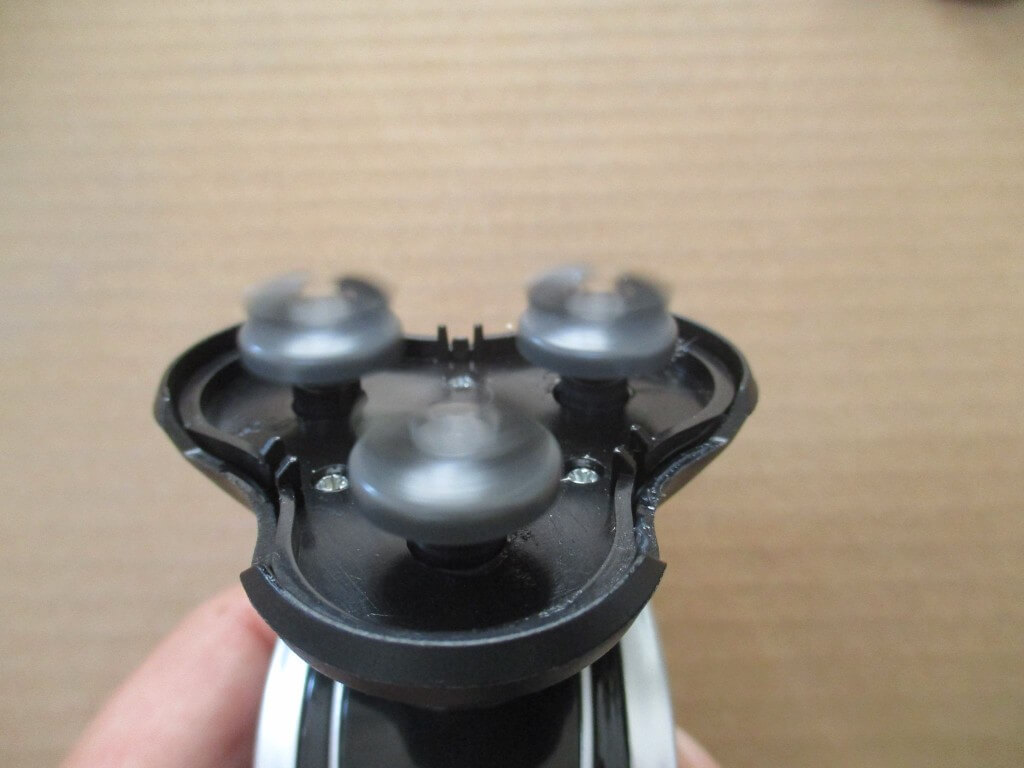
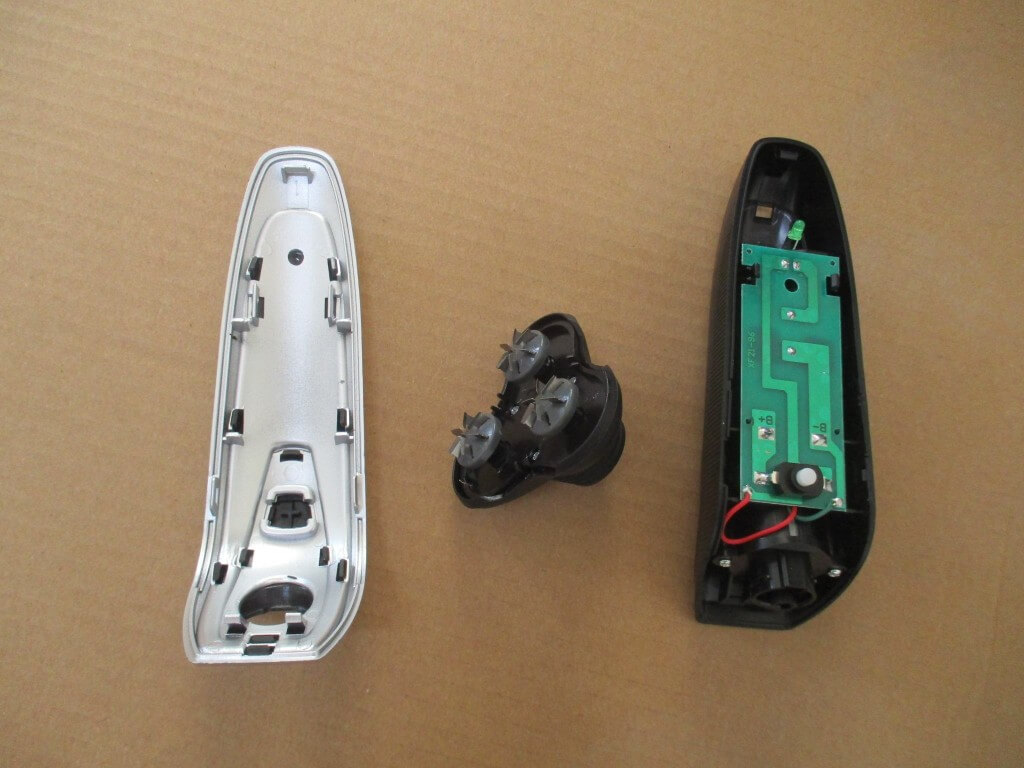
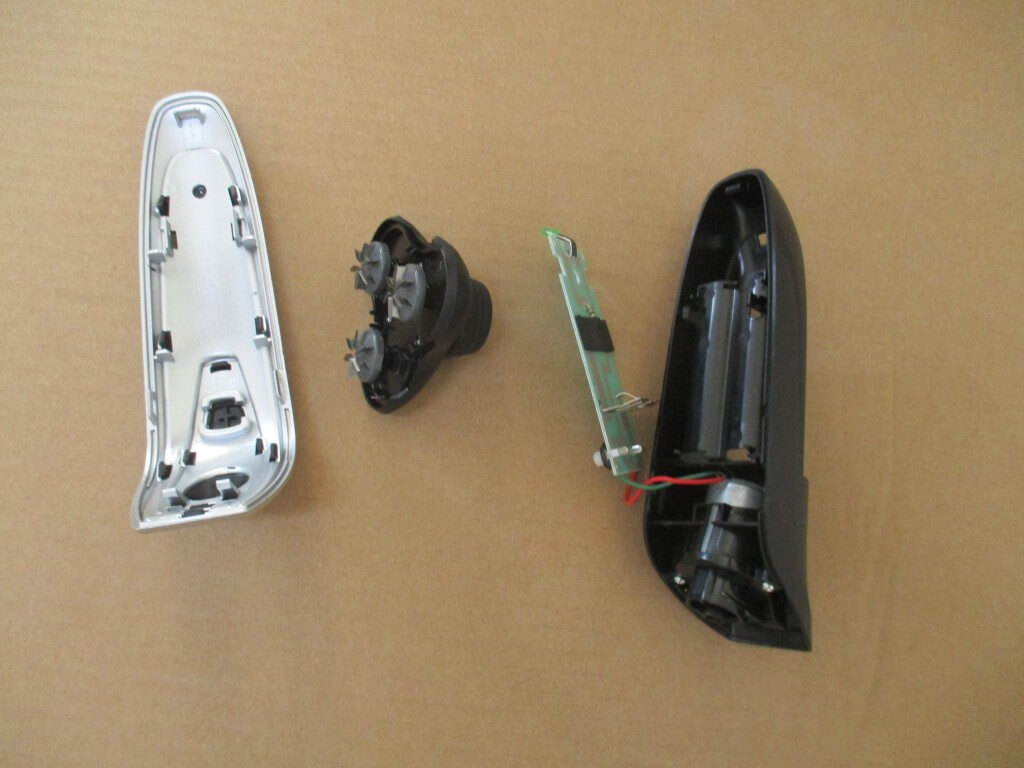
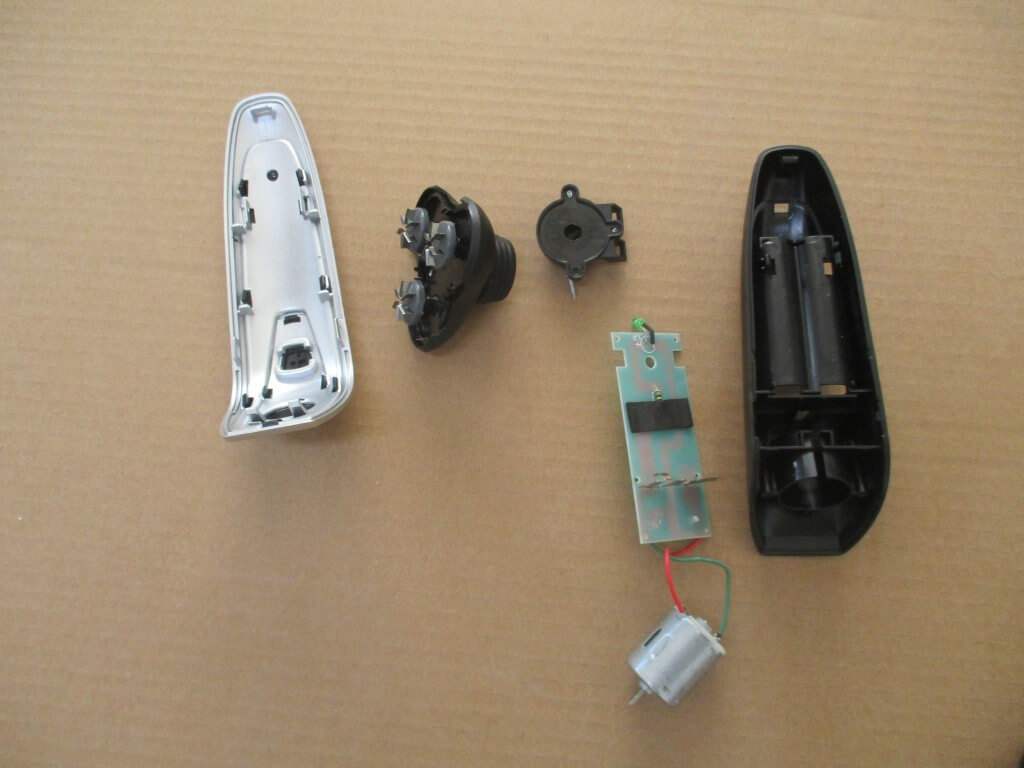
Our QC department took this order seriously too, he continued. The product is nothing but a few components: the plastic housing, a motor, the cutter head assembly and a simple IC circuit board. Every incoming batch was inspected — even the flash on moulded parts was checked, and anything with the slightest burr was sent back for the workers to trim. Both in-line sampling during assembly and post-assembly checks were performed on the production line.
And the key point, Mr. Hu added: the product is simple. Leave out the lithium battery and remove a whole family of critical danger points — fewer risks, fewer mandatory tests, less workload for everyone.
Chatting as they walked, they entered the warehouse. Cartons were counted, boxes were drawn per the sampling plan and moved to the dedicated inspection room to begin testing.
And to be fair, Tom recalled, the work itself did carry large-factory discipline: the injection-moulded housing was solid (easily identifiable as virgin material), assembly gaps were extremely tight, and the internal circuitry was neat and clean. He was genuinely starting to relax —
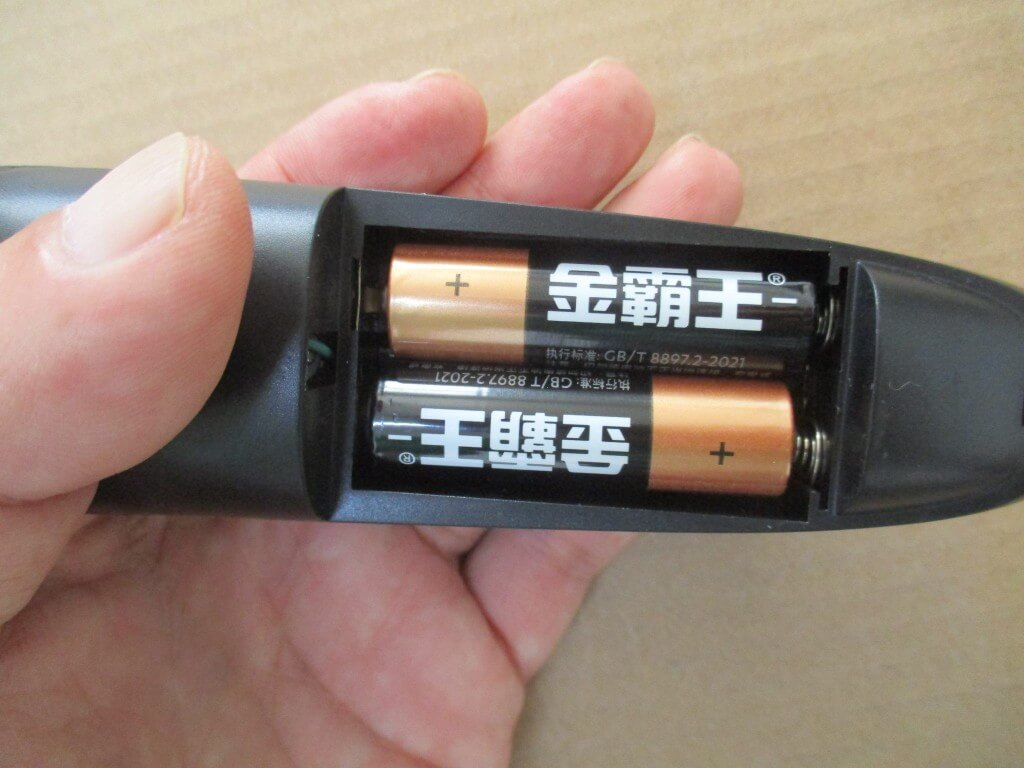
Then he ran the reverse-battery test. The product kept working with the batteries installed backwards — the cutter head spun as if nothing was wrong.
Finding Analysis — A Shaver That Works Backwards
One test, one photograph, and the whole “nothing to inspect” narrative collapsed. Here is the finding as it was logged:
| Finding Analysis | Details |
|---|---|
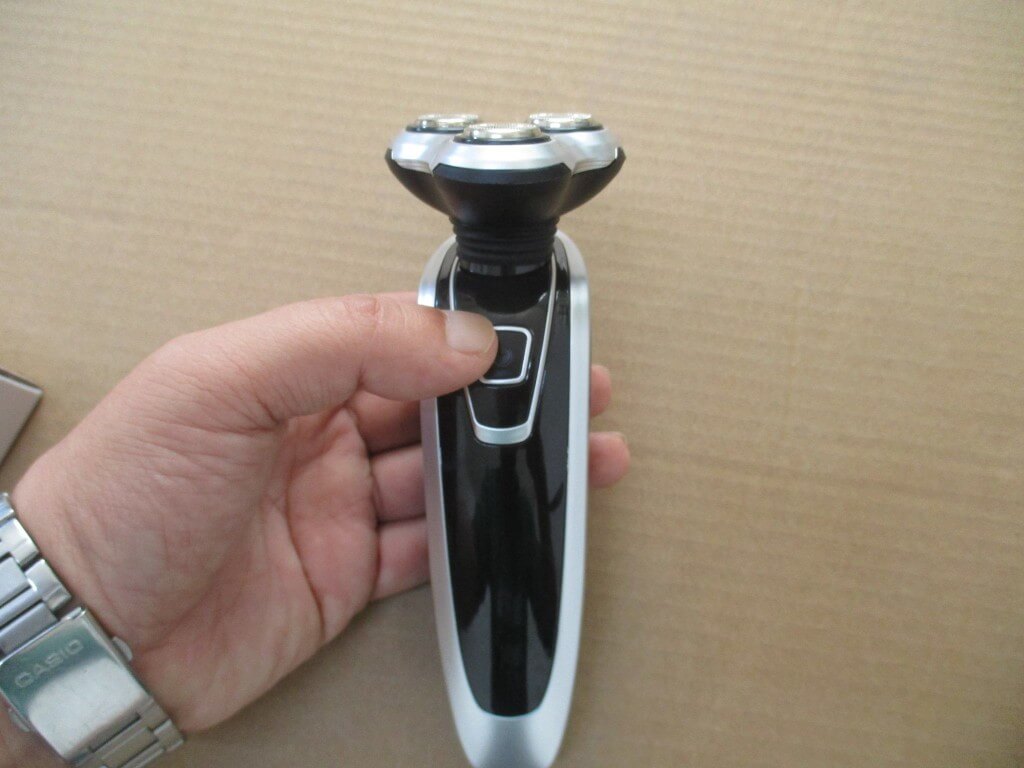
| Product | AA-battery-operated electric shaver (promotional gift item) |
| Defect | Product remains fully functional with batteries fitted in reverse polarity, the cutter head still spins. |
| Root Cause | No mechanical polarity keying to block wrong insertion; simple circuit board lacks reverse-polarity protection circuitry. Normal forward-direction function works perfectly. |
| Corrective Action Options | 1. Add mechanical physical keying so batteries cannot be inserted backwards; 2. Integrate reverse-polarity protection into the circuit; 3. If hardware modification is not feasible: prominent permanent warning markings plus comprehensive illustrated user instructions to mitigate foreseeable-misuse risk. |
| Frequency | ⭐⭐⭐☆☆ |
| Rework Difficulty | ⭐⭐⭐⭐☆ |
| Rework Collateral Risk | ⭐⭐⭐☆☆ |
Defect Classification: Why This Is Major, Not Critical
Under the quality inspection standard (Critical / Major / Minor) on AQL Sampling Inspection Guide, this issue was logged as a Major design-related non-conformity. It is not an immediate catastrophic hazard on AA alkaline cells, but it represents foreseeable-end-user-misuse risk for consumer-market goods.
Many buyers intuitively assume that any battery-related issue must automatically be a Critical defect. Our defect classification follows hazard immediacy instead of component category:
- Critical — an imminent, immediate safety hazard occurring during normal or foreseeable use, capable of causing injury, fire or electric shock before any intervention is possible.
- Major — a design or functional gap that creates latent, cumulative risk under foreseeable misuse, or a defect that would trigger a high customer complaint or return rate.
- Minor — a cosmetic or documentation deviation with no functional or safety consequence.
This finding produces latent, cumulative stress damage with no instant failure on AA alkaline cells — and that is precisely why it sits at Major. Had this unit been built on lithium-ion cells without reverse protection, the same observation would have escalated straight to Critical, because reverse charging of a lithium cell can lead to thermal runaway within minutes.
Inspection Photos — Battery Compartment, Reverse Test & Teardown
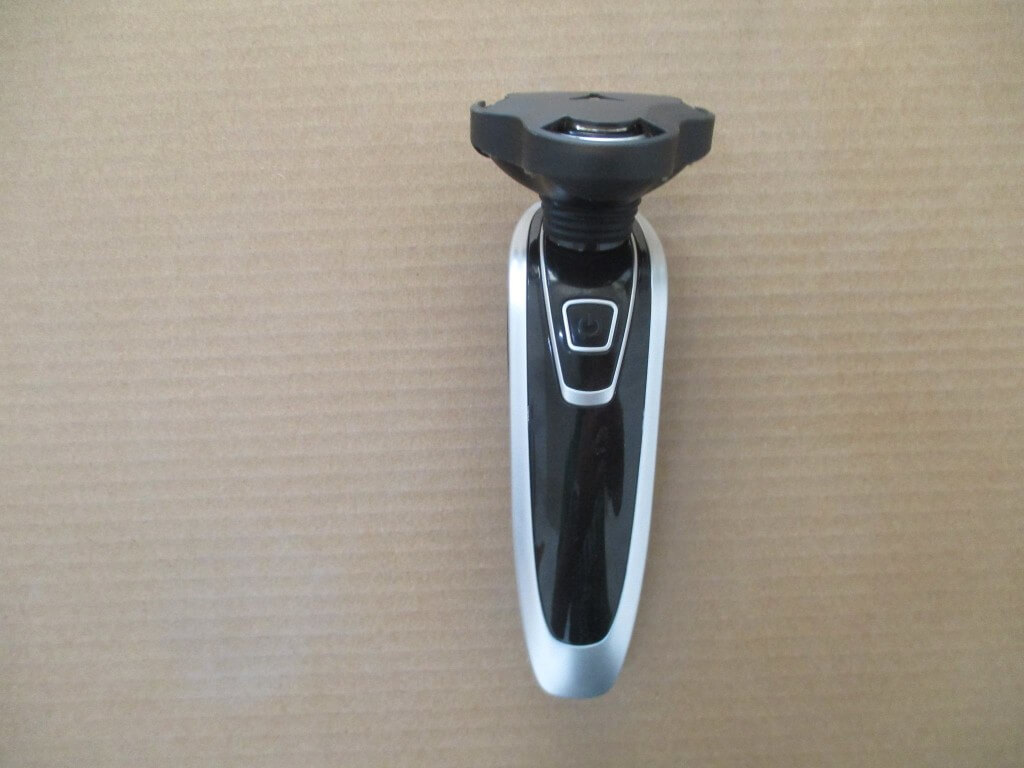
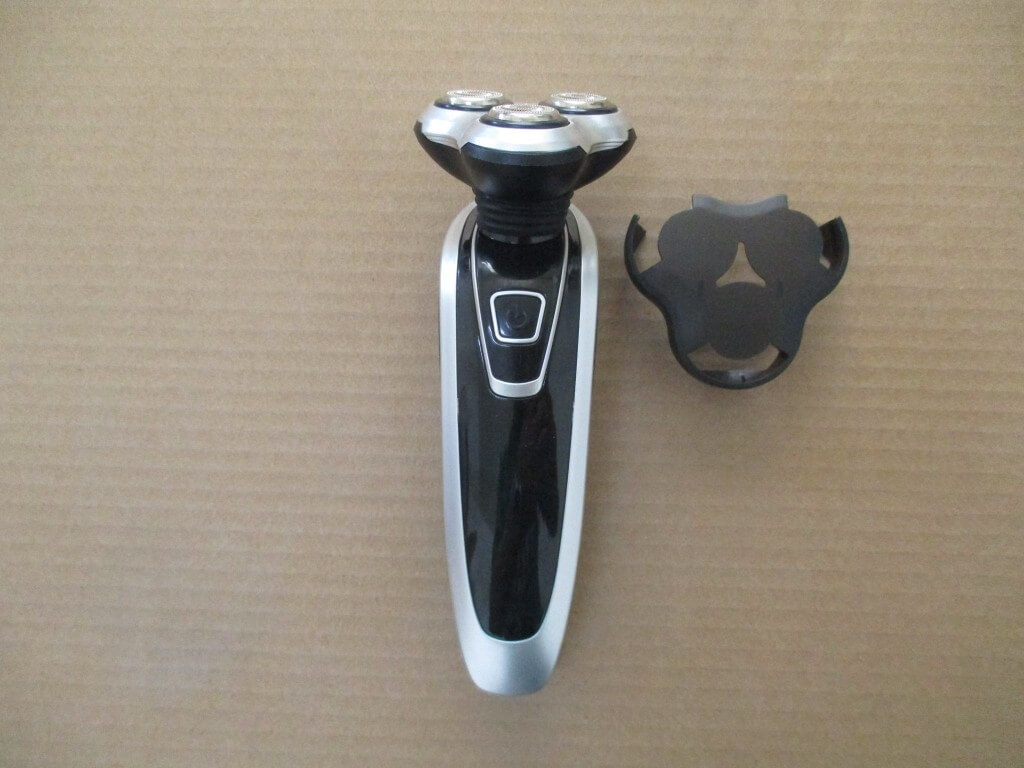
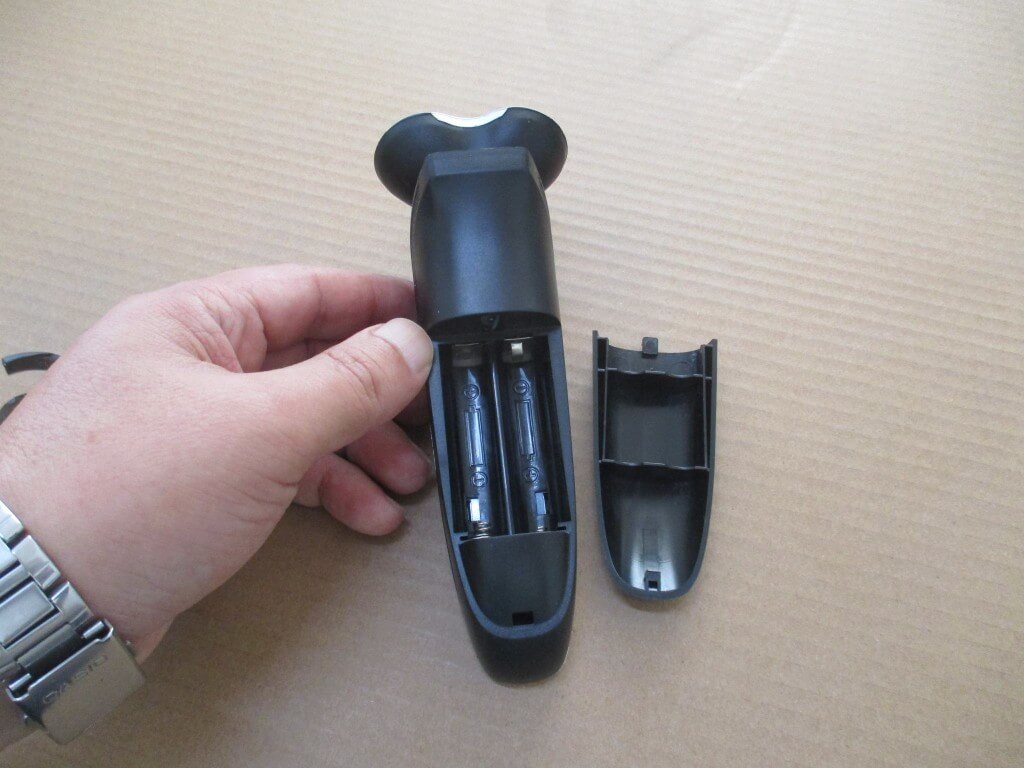
The following photos were taken on-site during this product inspection — from the assembled product through the reverse-installation test sequence to the full teardown.
Product Overview
Battery Compartment & Reverse-Installation Test
Teardown — Internal Build
Technical Deep Dive — Reverse Polarity on AA Alkaline-Battery Devices
This failure mode is different from lithium-ion thermal-runaway hazards. Standard AA alkaline cells have comparatively low energy density. Even with reversed current, instant fire or explosion is unlikely to occur.
Nevertheless, the lack of reverse-polarity protection creates latent risks:
- Reverse current can stress the simple IC chip and DC motor over repeated misuse cycles.
- Gradual component degradation and abnormal local heating inside the enclosed housing may appear after multiple wrong insertions.
- The risk becomes real because gift-type promotional goods often change hands; end-users may never read instruction manuals and can easily fit batteries backwards by accident.
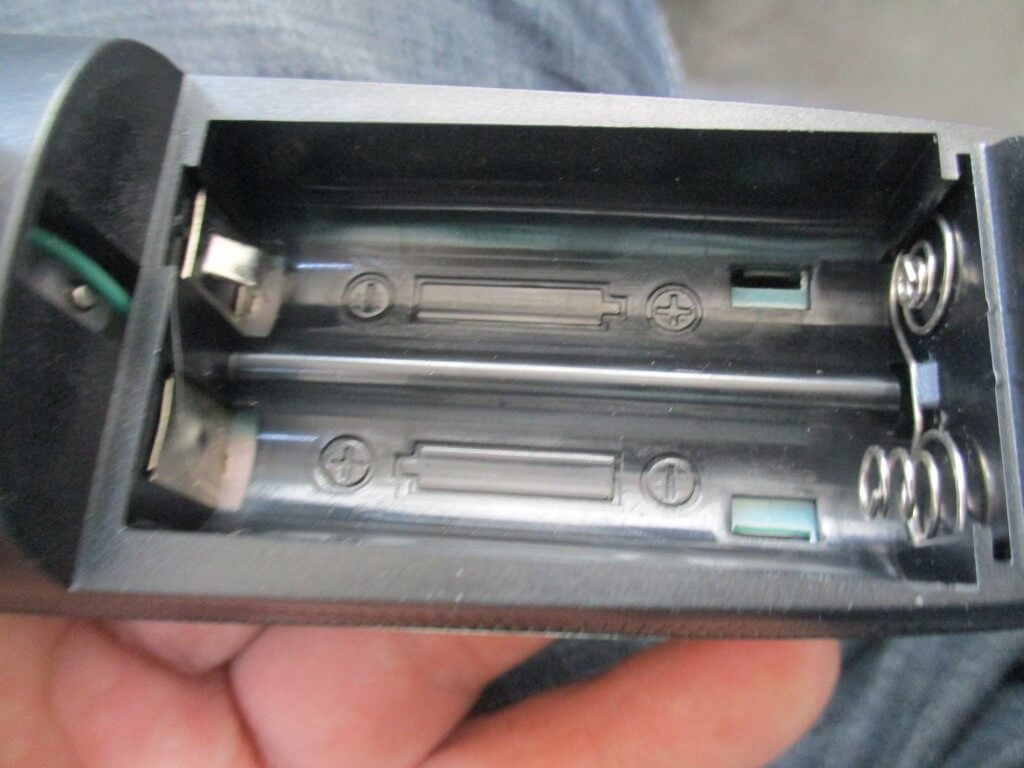
Photo 5 shows the design compromise in one frame: the factory did mark the compartment — the +/− symbols are moulded right into the plastic. But a moulded symbol informs a cooperative user; it does nothing against the uncooperative moment of insertion. Marking is not keying, and keying is not circuit protection. This product had the first, and lacked both of the others.
Why the Factory’s Own QC Never Caught It
This is worth separating from the finding itself, because it explains the contradiction every buyer notices: the factory insisted the item was too simple to fail — and yet it did. Factory-internal QC operators test batteries in the correct polarity only, following internal test instructions step by step. Their procedure never simulates the foreseeable-misuse scenario of reverse insertion, and many low-cost project test scripts only verify that “correct installation works.” Nothing in the routine flow validates user-error conditions.
That is the mechanical reason why incoming-material checks, in-line sampling and post-assembly inspection all passed while the underlying design risk survived every gate untouched. Even if every unit passes all normal-direction function testing, foreseeable-misuse scenarios still need to be validated during third-party inspection. Passing normal-use tests is not proof of robust consumer-product safety.
This is not an improvised test thought up on the spot. Battery Reverse Test is a standing item in the baseline on-site test plan we publish for electrical products quality verification, executed at Special Inspection Level S-2 bases on ANSI/ASQ Z1.4 AQL Chart & Sampling Tables with a one-line pass criterion: reverse installation must not be functional.
The same design gap is not unique to shavers. Similar reverse-polarity blind spots are occasionally seen in other low-cost battery-powered consumer goods: mini flashlights, small portable fans, toy gadgets and promotional remote-controlled novelties — most of them relying on AA / AAA cells and aimed at the same giveaway-style end-users. If your product falls into any of these categories, the reverse-battery test belongs in your inspection requirements too.
Market-Access Expectations for EU-Bound Promotional Goods
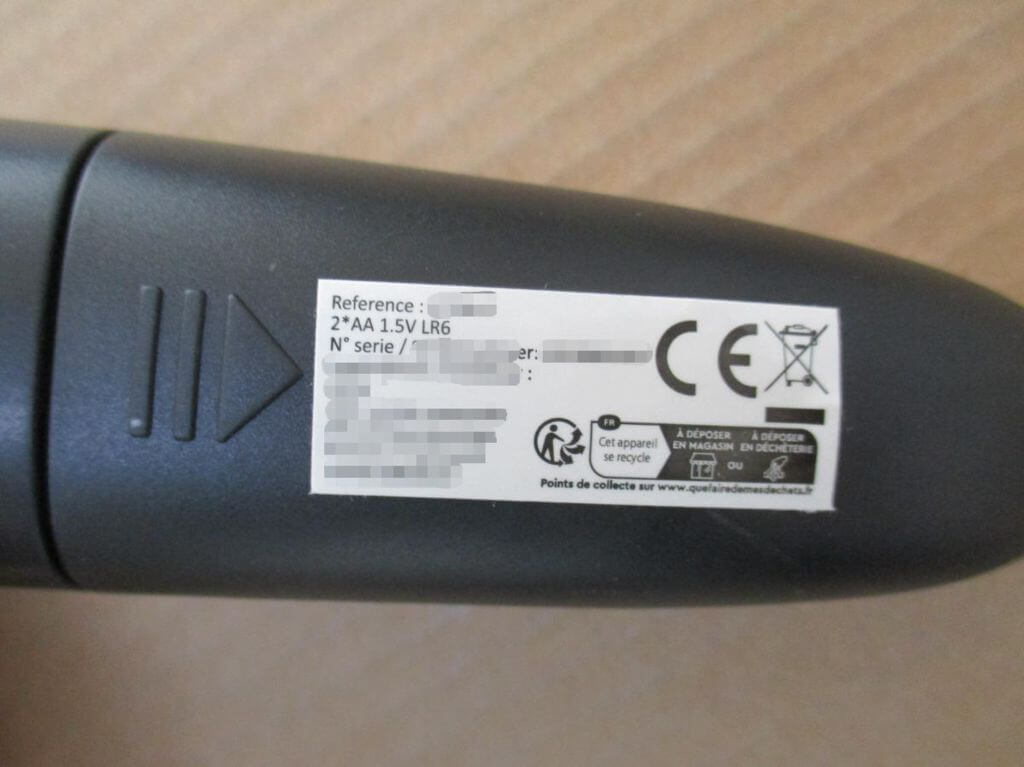
Even low-cost promotional electrical articles sold into the European Union fall under General Product Safety Regulation (GPSR) obligations: product design must reasonably anticipate foreseeable user mistakes. In this case the destination market is printed on the product itself — the battery-cover label carries CE, WEEE and French Triman recycling marks alongside the “2×AA 1.5V LR6” rating (photo 3).
Note on standards scope: IEC/EN 60335-1 primarily governs mains-powered household appliances. For an AA-battery-operated promotional shaver of this type, it serves as a useful technical reference benchmark rather than a mandatory standard. The primary compliance driver here is the GPSR general safety obligation, together with the brand owner’s own product-safety risk assessment.
For battery-operated consumer devices, two industry-accepted mitigation paths exist:
- Mechanical solution: physical polarity keying — batteries physically cannot be installed backwards.
- Electronic solution: a reverse-polarity protection circuit that cuts power flow when cells are reversed.
If hardware changes cannot be implemented, heavy-duty warning labelling and clear visual user instructions serve only as secondary mitigation and cannot fully eliminate misuse-driven risk. Under GPSR, warnings are explicitly secondary: a manufacturer cannot shift core design-safety responsibility onto end-users by assuming they read the manual — an assumption that collapses entirely for giveaway items, where the recipient is unknown, unregistered and often several people removed from the original purchaser. Where a hardware fix is technically and economically feasible, market-surveillance authorities are unlikely to accept label-only mitigation as a sufficient remedy.
QC Insight for Importing Buyers & Brand Owners
- Do not rely only on “normal-mode function tests”. Build foreseeable-misuse test cases into your quality inspection checklist for battery-powered consumer goods — reverse-battery test, wrong-voltage scenarios and rough-handling simulation are typical examples.
- Promotional gifts often circulate to unknown end-users. Reading manuals cannot be assumed. Safety mitigation should live inside the hardware design wherever practical, not only on paper instructions.
- If you receive this type of finding during PSI: evaluate whether hardware redesign is feasible before mass shipment; if re-tooling is not possible, assess whether warning-label-only mitigation meets your brand risk tolerance and destination-market expectations; require factory corrective-action documentation, and consider targeted re-inspection before releasing payment.
Ideally, a flaw like this should be caught during First Article Inspection (FAI) or an early During Production Inspection (DPI). If discovered only at PSI — as in this case — it means the entire production run must be reworked, causing significant delays and extra cost.
Preventative Action Checklist for Battery-Powered Consumer Goods
- ✅ Add reverse-polarity misuse testing to your PSI / lab-test requirements
- ✅ Pre-production review: check whether the battery compartment has physical polarity keying
- ✅ Confirm the circuit design includes reverse protection where applicable
- ✅ If hardware mitigation is impossible, define the exact warning-label layout and wording in your specification sheet
- ✅ For promotional-gift projects, explicitly flag the high-risk “unknown end-user” context in your QC brief
- ✅ Require test-protocol submission: verify that factory test scripts include foreseeable-misuse cases, not only correct-operation testing
Frequently Asked Questions About Reverse-Battery Findings
Can reversed AA alkaline batteries cause fire?
Immediate fire hazard is low for standard AA alkaline cells. The danger is latent: repeated reverse-current stress may degrade internal electronics and create overheating risk over time. This differs drastically from high-energy-density lithium-cell failure modes, where reverse charging can lead to thermal runaway within minutes.
Does every buyer reject a shipment for reverse-polarity functionality?
Outcomes depend on brand-specific risk tolerance and destination-market requirements. Some promotional-product clients accept strengthened warning labels and revised user guides as mitigation; others demand a hardware fix — mechanical keying or a reverse-polarity protection circuit — before shipment release.
Can this defect be caught only at pre-shipment inspection?
No — ideally it should be identified at prototype review or First Article Inspection. If missed there, PSI on finished goods will still surface the design gap, but after mass production is complete, when rework is most expensive.
If the product uses AA alkaline batteries, can we rely on warning labels alone under GPSR?
No. Under the EU General Product Safety Regulation, warnings are secondary mitigation. Manufacturers cannot shift core design-safety responsibility onto end users assumed to read instructions — an assumption that collapses for giveaway promotional gifts, where recipients are unknown and unregistered. Market-surveillance authorities may reject label-only mitigation when a hardware fix is technically and economically feasible.
Disclaimer: This case study is based on an actual pre-shipment inspection performed by China Quality Service. Client-identifying details and factory-specific information have been fully anonymized to protect commercial confidentiality. Technical analysis and QC recommendations are for educational reference only and cannot replace tailored professional product evaluation for your specific project.
Curious what the full report behind such findings looks like? See our annotated sample inspection report — or download complete sample reports from our library.