
On-Site Story: Five Years to Win This Client — Undone at the Last Step
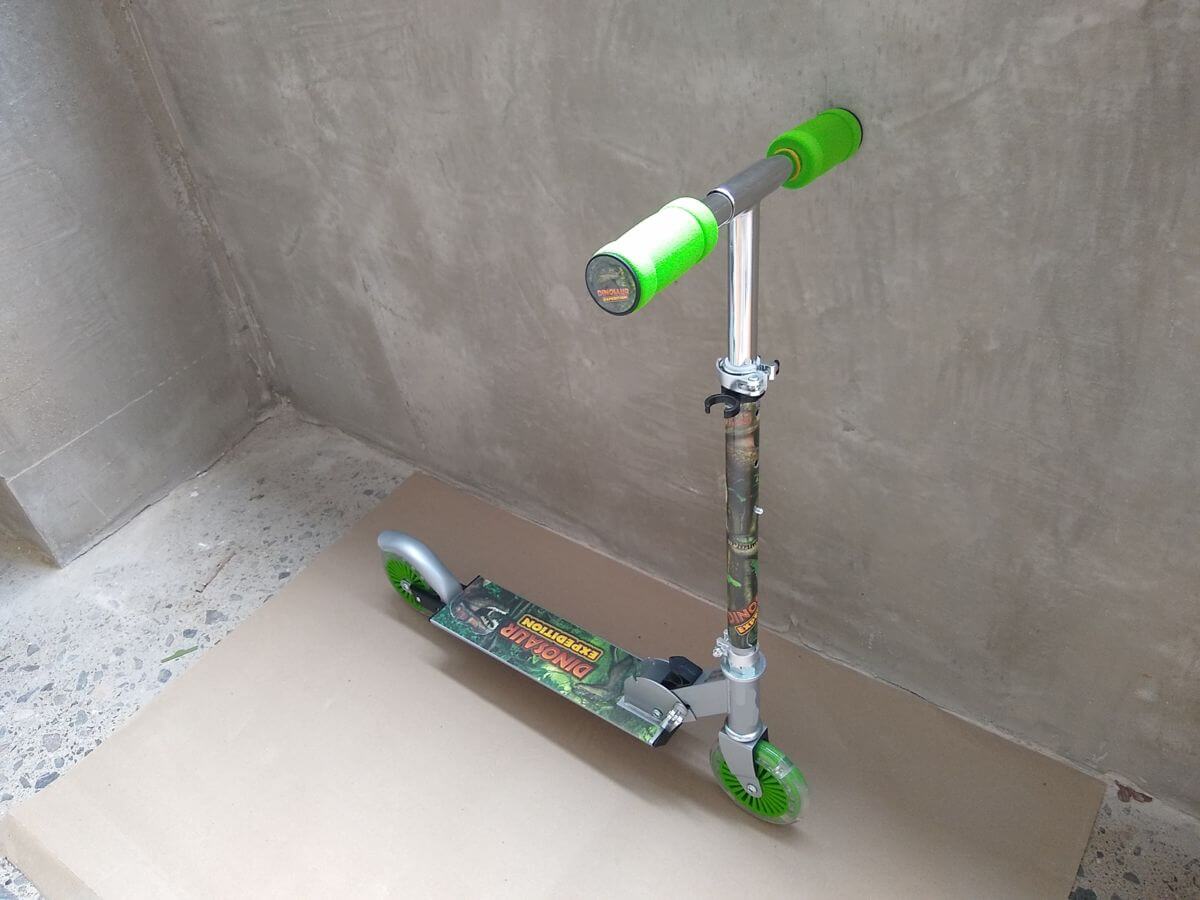
On 12 September 2024, our inspector Deon was dispatched to carry out a pre-shipment inspection on an order of two-wheel kick scooters built at a specialist factory in Yongkang, Zhejiang. The inspection service was commissioned by a German importer, with the order placed through a trading company based in the same city.
At Yongkang station, Deon was met by Bella, the sales representative handling the account — and by a male colleague who had driven. Bella cannot drive herself; she had specifically asked her colleague to make the station run. For Deon, that one gesture said everything about how much this client meant to her company. The brief conversation on the way to the factory said it again.
Expecting Third Party Inspection — Five Years, Three Sales Reps, One Client
Bella's perspective was refreshingly different. Instead of dreading it, she said she genuinely expected the third-party inspection. Because this client was so hard-won for her company, she needed an independent verification to validate their hard work and demonstrate their true value to the client.
This German buyer was an account Bella's company had chased for more than five years, across three successive sales representatives. The first two began making contact five years ago, and for most of that time the client stayed lukewarm — an occasional reply to an email, and nothing more. He came to their booth at every Canton Fair, but the conversation was always strictly formal: a walk through, a glance at the displays, a question about whether there was anything new, another look, a question about the price — and then nothing. No follow-up, nothing substantial, year after year.
By the time Bella inherited the account, she was the third representative to try; both of her predecessors had already left the company. So it was not only Bella who cared — the whole company did. Their management had made it explicit: build this client up and break into his core supplier circle. That was why they went to a professional factory and insisted on strict internal quality control at every stage.
Supervised From Day One — And She Still Rejected Two Batches
With the factory sitting less than 20 km from Bella's office, her team had someone on site from the very beginning. Raw materials were checked at the start of production — all environmentally compliant, high-grade, and specified beyond EU test standards. Mid-production, the outsourced materials and semi-finished parts were inspected on site, so that no defective component could reach the assembly line in the first place. Every process, and every batch of semi-finished goods and components, carried quality control records.
And Bella pushed it further still. She forced the factory to return two batches of outsourced sub-components — injection-moulding flash on the wheels and burrs on the handlebar locking clips. The factory was not happy about it at all.
"These are not decorations. They are not boutique pieces. Nobody is going to pay attention to that."
Bella refused to accept it. She insisted that the details had to be done properly, and she spent a great deal of effort going back and forth with the factory — cajoling and pressing, using both the soft approach and the hard one — until they finally agreed to replace every single part and re-check and correct them one by one. Those two rejections cost nearly 12 days and nearly blew the delivery date; everyone scrambled to get the factory working overtime to catch up, and the goods were delivered on time, in full quantity, and to standard.
Hearing all this on the drive over, Deon felt genuinely pleased. With 7 years of hands‑on quality‑control experience in China, especially in toy inspection, he knew this was a professional factory with professional people who cared about building product quality properly. It was a team that would even stop to worry about flash on a wheel rim. He expected an easy day.
Then the sampling began on the factory floor, and the defect surfaced. Bella was stunned. Deon said her face went very pale — and he put it down to one thing: she simply could not accept it. After a month and a half of painstaking production, with every upstream component controlled so carefully, the order had finally stumbled at the assembly step nobody had thought of, and nobody had watched.
The Hard Lesson: quality is quality. Component-level control does not guarantee product-level quality — negligence at any single step can cause a major problem for the whole product, and in the end what gets judged is the finished unit.
Product Inspection Finding: Loose Seal Cap & Tolerance Failure
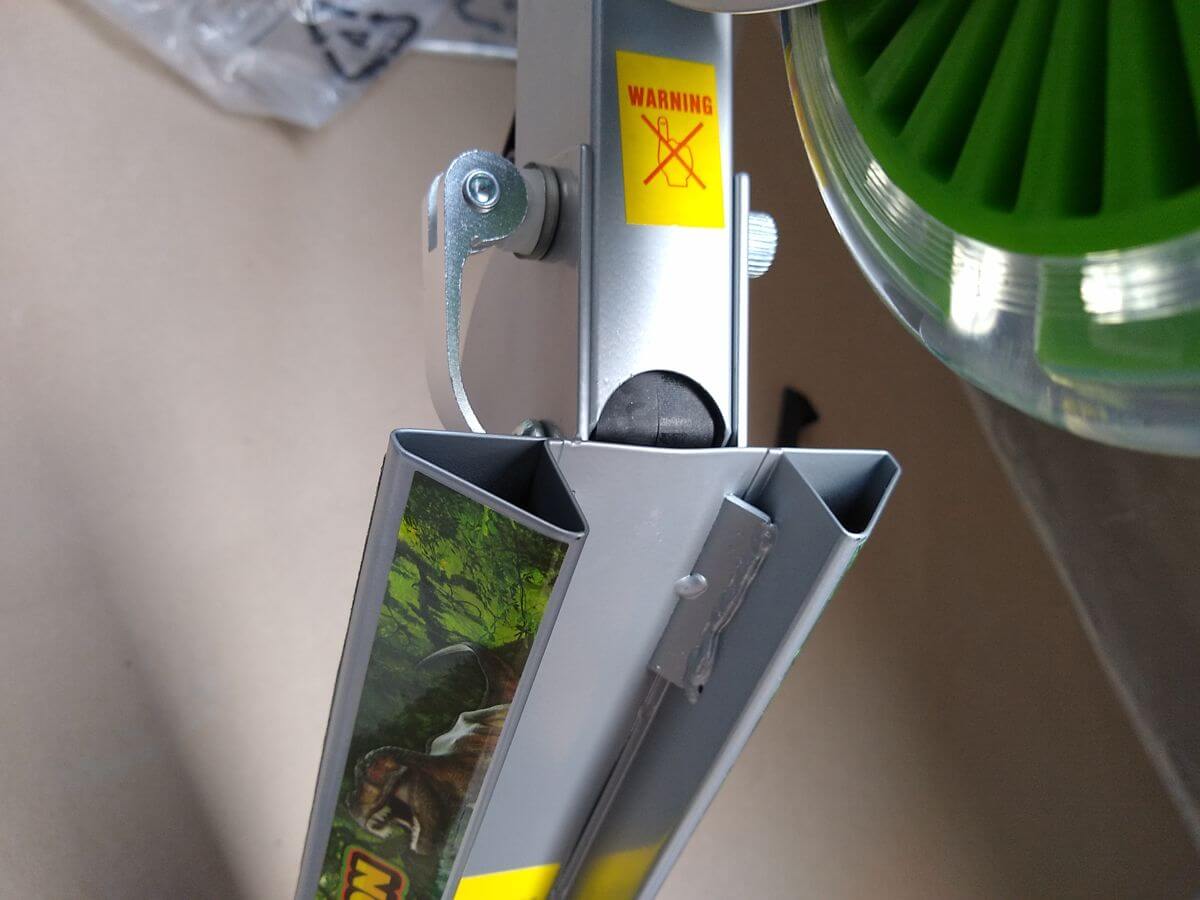
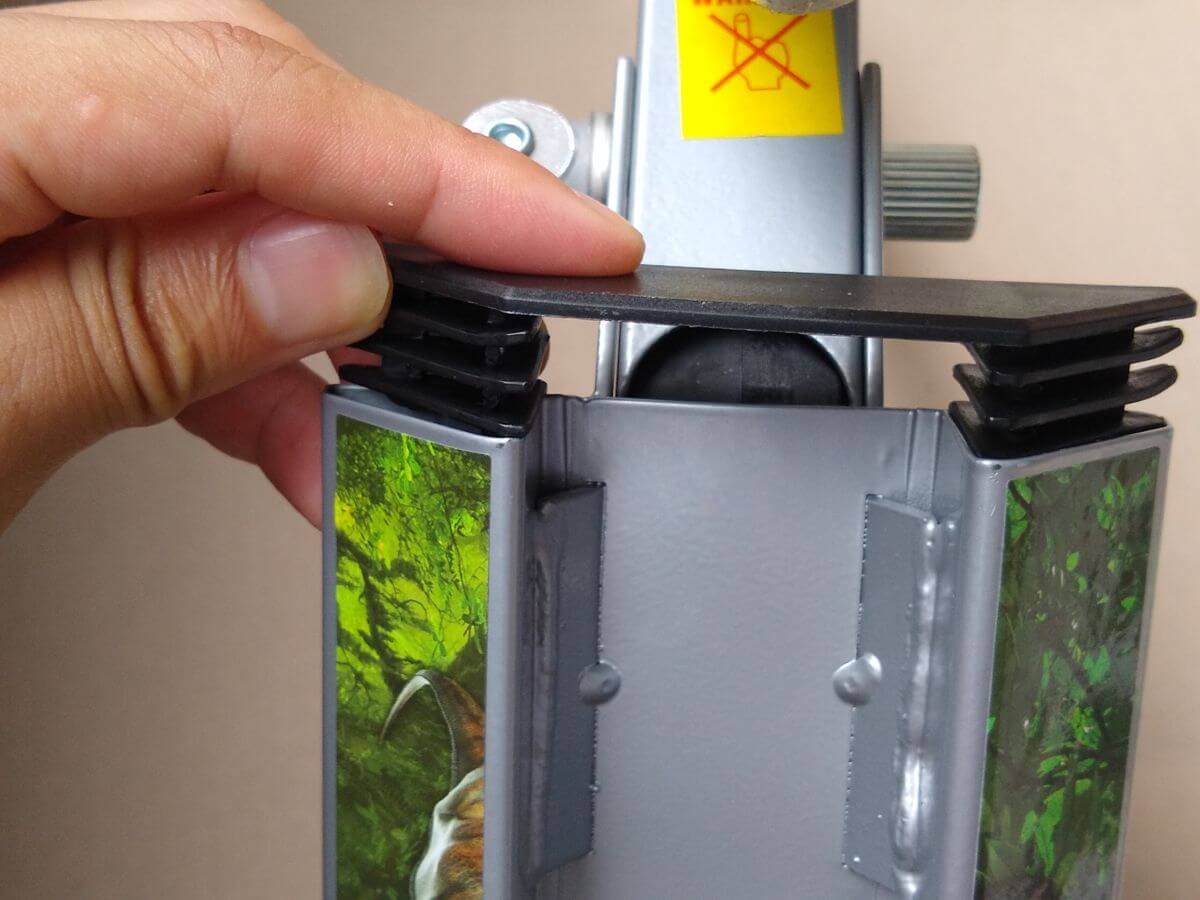
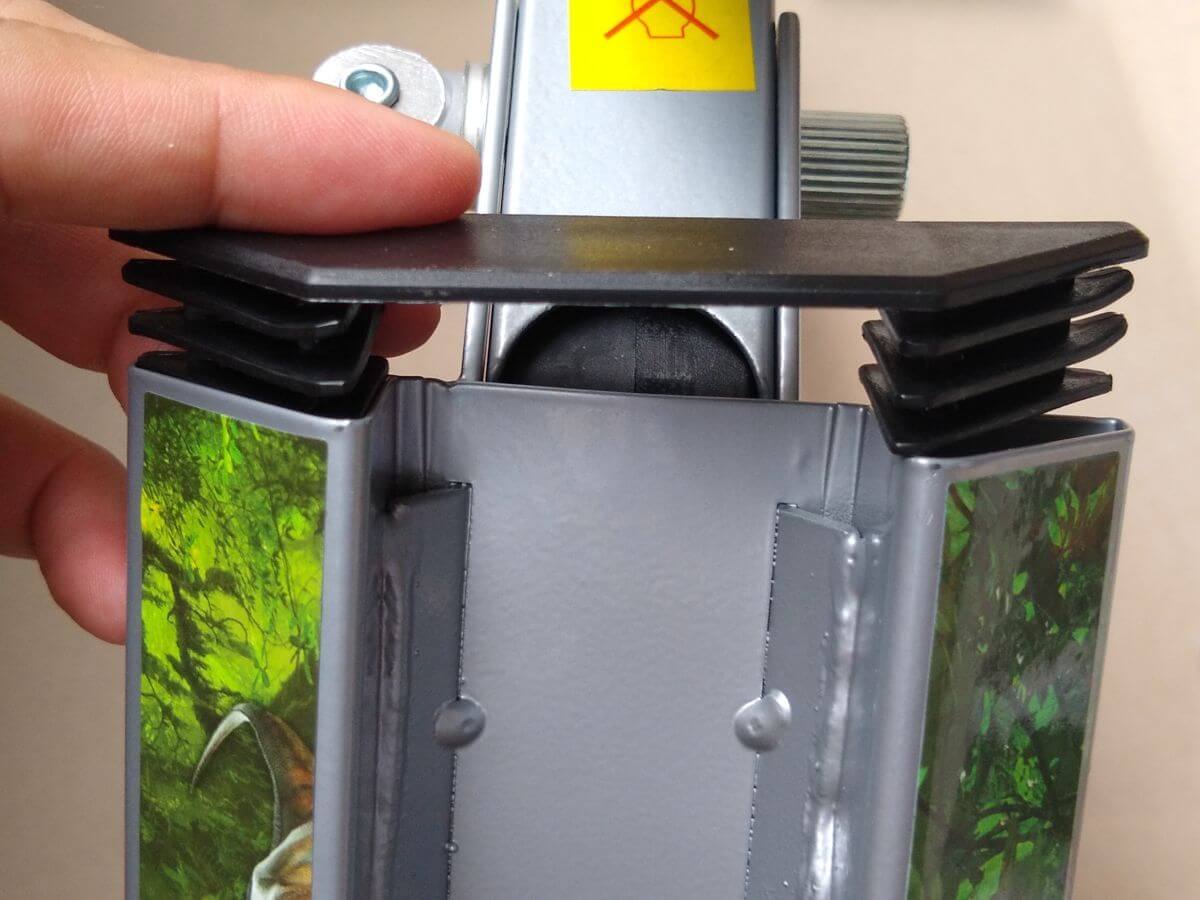
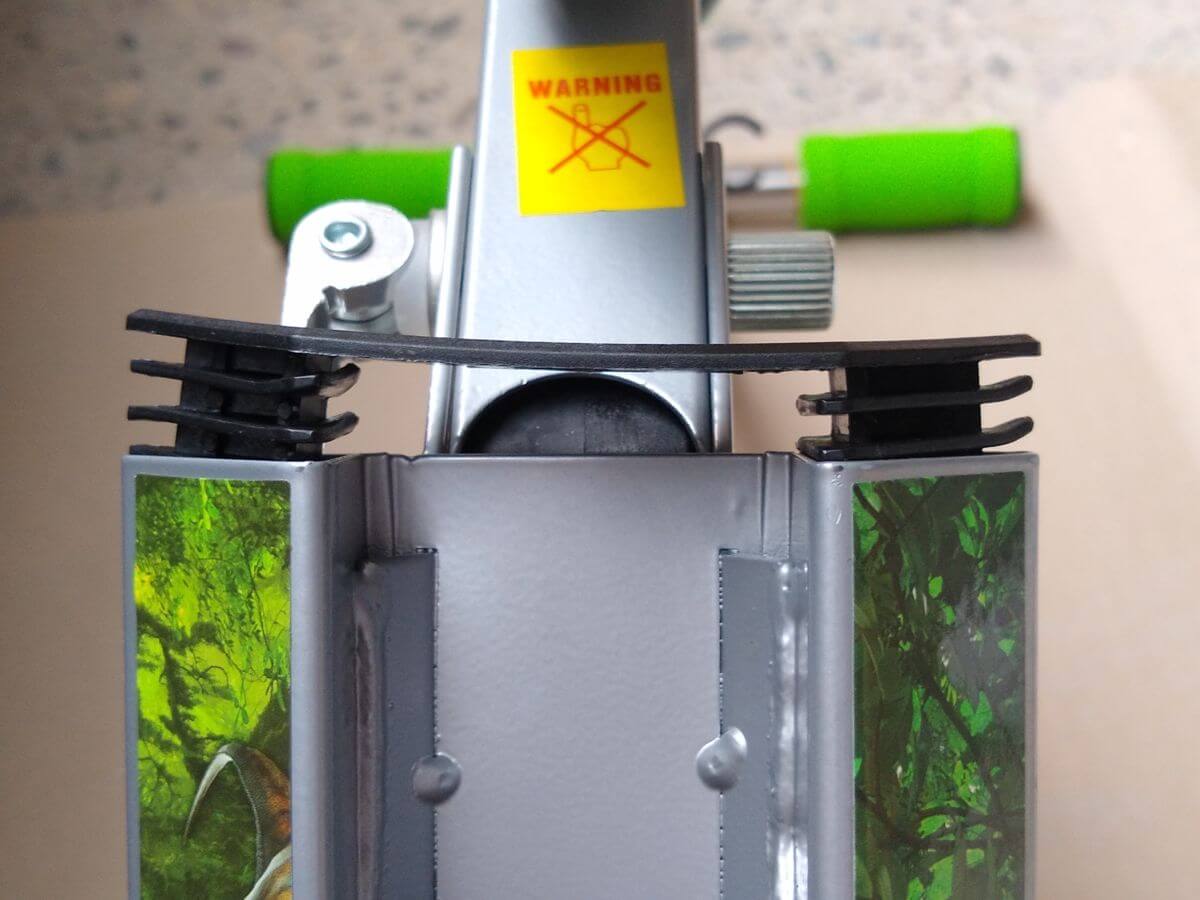
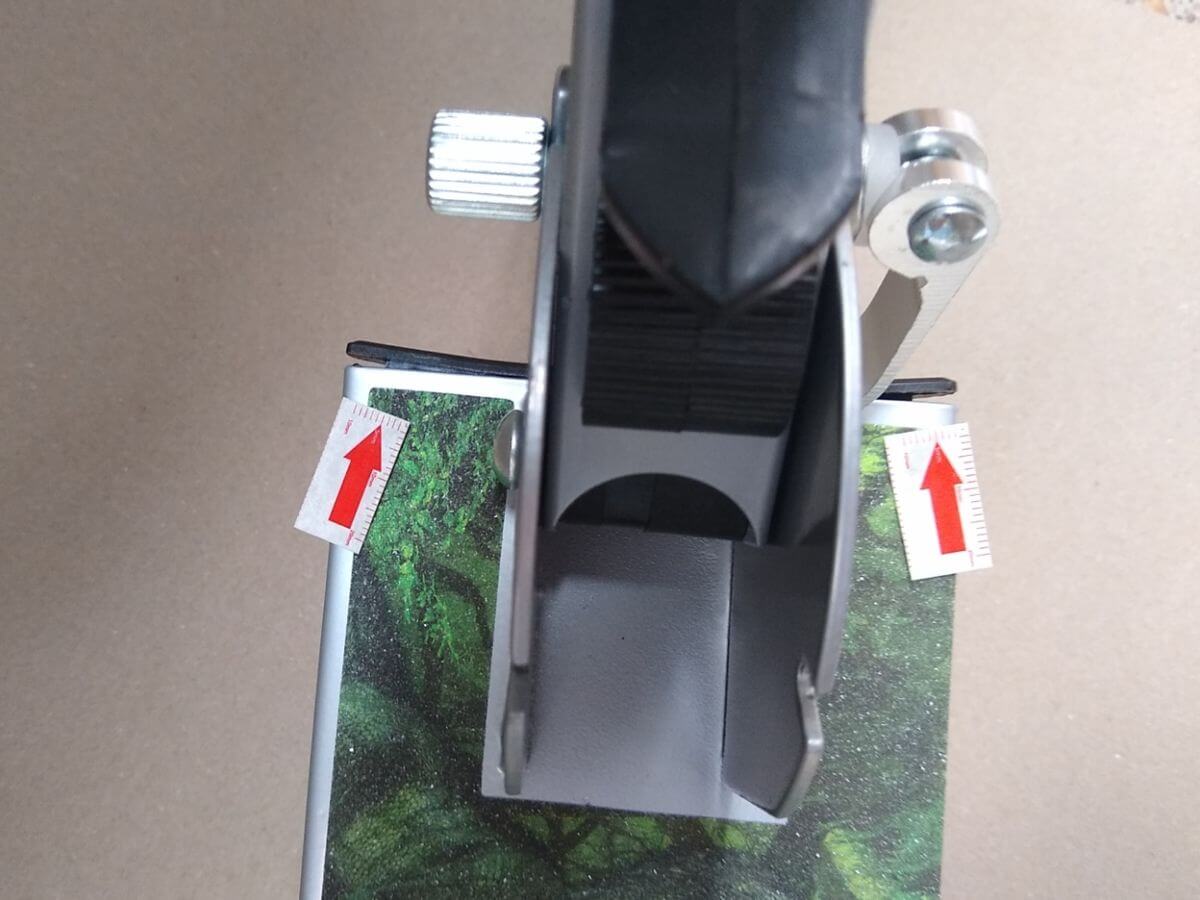
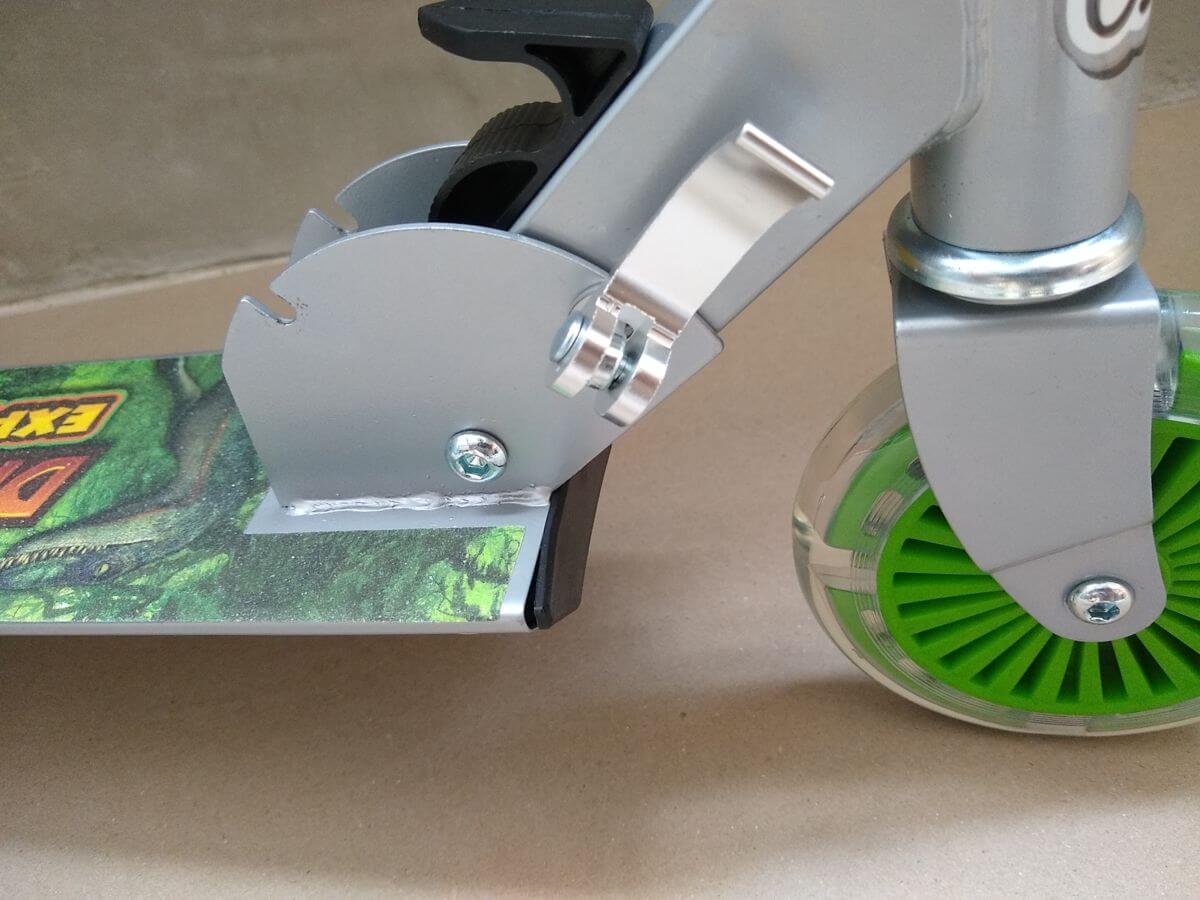
During final random sampling, the plastic seal caps on the scooter frame were found distinctly loose and seating improperly — on some units the cap lifted at one end, on others it sat proud of the frame instead of flush.
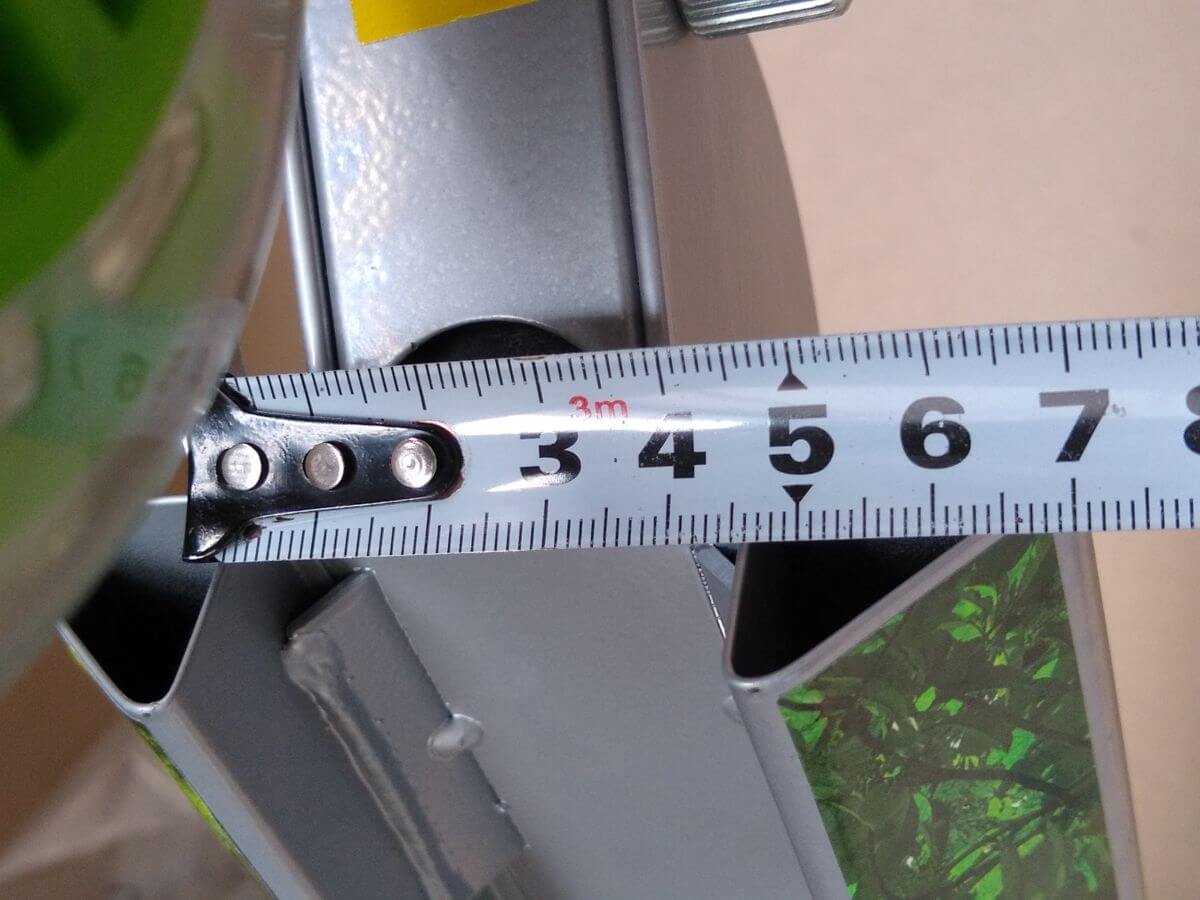
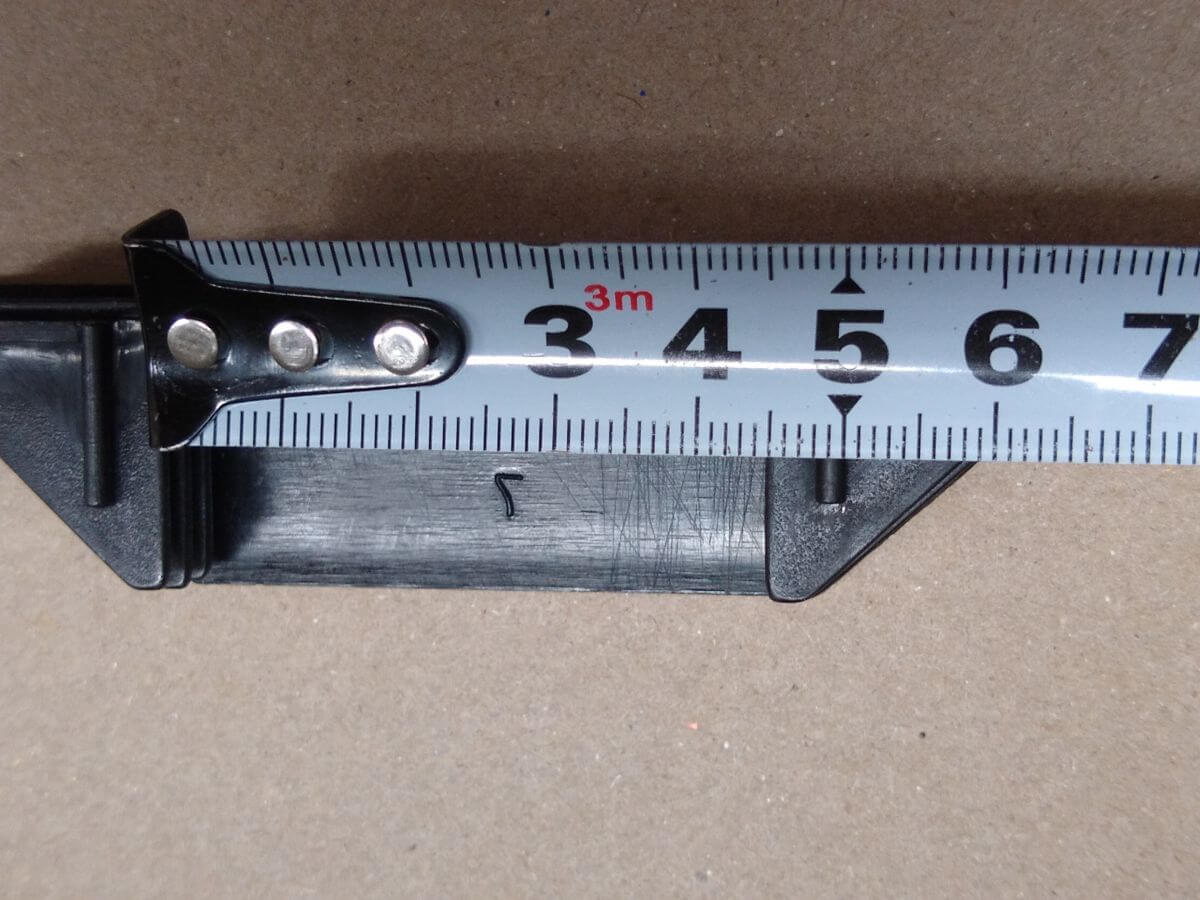
Measurement explained it. The hole spacing on the sheet-metal frame measured 4.7 cm; the spacing on the plastic seal cap measured 4.5 cm. Two millimetres of accumulated drift — invisible on either part on its own, and fatal once the two are assembled.
| Finding Analysis | Details |
|---|---|
| Product | Two-wheel kick scooter |
| Defect | Loose plastic seal cap / improper fit on the frame |
| Root Cause | Tolerance stacking. The sheet-metal frame mould had worn with age and no maintenance, so the frame grew slightly larger; the injection-moulded plastic seal shrank slightly as it cooled. Each part stayed inside its own drawing tolerance — combined, they no longer fit. |
| Corrective Action | 1) Re-calibrate and re-align both the metal frame mould and the plastic injection mould; 2) introduce a mandatory first-article inspection (FAI) on fully assembled units before bulk production. |
| Frequency | ⭐⭐⭐☆☆ |
| Rework Difficulty | ⭐⭐⭐⭐⭐ |
| Rework Collateral Risk | ⭐⭐⭐☆☆ |
This quality inspection used standard AQL sampling for consumer hard goods: Critical 0, Major 2.5, Minor 4.0. The loose seal cap was classified as a Major defect. A poor assembly fit is never only cosmetic — a cap that works loose can detach during use, expose a sharp edge, or become a small-part choking hazard for children.
Inspection Photos
The unedited technical snapshots below document the dimensional mismatch and the resulting assembly failure:
Technical Deep Dive: Component Compliance vs. Assembly Fit
Why did this happen when the component checks were this strict? Because the failure is cumulative, not individual.
- Mould wear. The factory admitted the scooter frame mould had not been maintained. Over time the tool wore and the metal frame's dimensions drifted slightly larger.
- Material shrinkage. Plastic shrinks as it cools after injection. Any shift in material batch or cooling time leaves the seal cap slightly smaller.
- The collision. Inspected separately, the frame passed and the cap passed. Put a slightly larger frame together with a slightly smaller cap and the gap becomes obvious.
The Hard Lesson: excellent raw materials and burr-free sub-components do not guarantee a defect-free finished product if assembly interaction and tolerance stacking are overlooked. This factory's QC was so focused on eliminating flash on the outsourced parts that it never checked the geometric fit of the final assembly.
Relevant Standards for Kids' Kick Scooters
EN 14619 covers safety requirements for manually-propelled kick scooters and applies directly to this product. For toy-style scooters aimed at younger children, EN 71-1 governs mechanical safety and small-part hazards; UKCA mirrors these requirements for imports into the UK.
This tolerance mismatch would put the product at direct risk of failing the EN 14619 mechanical fit and stability requirements — even though every material and cosmetic requirement had been met.
Rework Effort & Risk Assessment
How bad is this defect if it reaches your warehouse?
| Evaluation Metric | Rating | What It Means |
|---|---|---|
| Frequency | ⭐⭐⭐☆☆ | Moderate. Tolerance mismatches are common whenever moulds for different components — metal versus plastic — are not maintained and cross-checked against each other. |
| Rework Difficulty | ⭐⭐⭐⭐⭐ | Extremely difficult. You cannot fix this by forcing the cap on. The metal frames need manual sanding, or the plastic seals need re-moulding to the correct size. |
| Rework Collateral Risk | ⭐⭐⭐☆☆ | Moderate. Sanding the frame damages the surface finish and anti-rust coating; replacing the seals means disassembling the whole scooter, risking scratches to the deck graphics and other parts. |
💡 QC Insight for Buyers
For procurement professionals and brand owners sourcing multi-component products — scooters, furniture, electronics:
- Mould maintenance is a hidden risk. A factory can have excellent raw materials and strict line QC, but if its moulds are old, worn, or unmaintained, dimensional drift is only a matter of time. Always ask for the mould maintenance schedule on critical components.
- Test the assembled product, not just the parts. This factory's QC did a good job rejecting parts with flash — and missed the bigger picture entirely. Your checklist must include fitment and assembly checks: gap, alignment, and structural stability of the finished unit.
- Implement first-article inspection (FAI). Before the full batch runs, the factory should assemble three to five complete units. Measuring the gap on those first units would have caught the drift immediately and allowed a mould adjustment before weeks of production were wasted.
- Use DUPRO. A during-production inspection catches a mismatch while the line is still running — instead of a factory-wide rework crisis days before shipment.
Preventative Action Checklist
Preventative QC checklist for multi-component products:
- ✅ Define assembly fit tolerances on your drawings, not only individual part dimensions
- ✅ Require the factory's mould maintenance log for metal extrusion and plastic injection tools
- ✅ Run FAI on fully assembled units, not on separate components
- ✅ Include assembly gap and fit checks inside your PSI checklist
- ✅ Schedule DUPRO for the first production run of any new tooling
Let CNQ Protect Your Shipment
At CNQ we know that a perfect component does not guarantee a perfect product. If you are looking for a China inspection company, our inspectors bring years of hands-on factory-floor experience to verify that your products not only look good individually, but fit together correctly.
Before your shipment leaves the factory, our team will:
- Perform fitment and tolerance checks on assembled units using precise measurement tools
- Verify dimensional stability against your approved golden samples
- Provide clear, photo-documented reports so you can make shipping decisions without guesswork
Don't let an overlooked assembly gap ruin your delivery. See what a single PSI costs on our inspection cost calculator, or contact CNQ today to make sure your products meet your specification before they leave the factory.
Frequently Asked Questions About Kick Scooter Inspection
Yes. This case is a classic tolerance stacking failure: every separate part stays within its own drawing tolerance, but the accumulated drift — a frame that grew slightly plus a cap that shrank slightly — produces a fit that is loose, binding, or visibly gapped.
Two independent drifts converging. Metal frame moulds wear with use and, without a maintenance schedule, the extrusion grows slightly larger; injection-moulded plastic shrinks as it cools, and any shift in material batch or cooling time makes the part slightly smaller. Neither breaks its own tolerance — together they do.
DUPRO (During Production Inspection) checks the first assembled units while production is still running, so mould drift and fit problems are caught in time to correct them. PSI samples finished goods only after mass production is complete — by then the only remedy is a factory-wide rework.
It depends on the risk. If the cap can detach and create a small part, it becomes a critical safety defect under EN 71-1 and EN 14619. In this case it was classified as Major: the cap lifted but had not yet detached, though the choking risk under foreseeable use was present.
Disclaimer: This case study is based on an actual pre-shipment inspection performed by China Quality Service. Product details and factory information have been anonymized to protect client confidentiality. The technical analysis and recommendations provided are for educational purposes only and should not replace professional on-site evaluation tailored to your specific product and supplier requirements.